
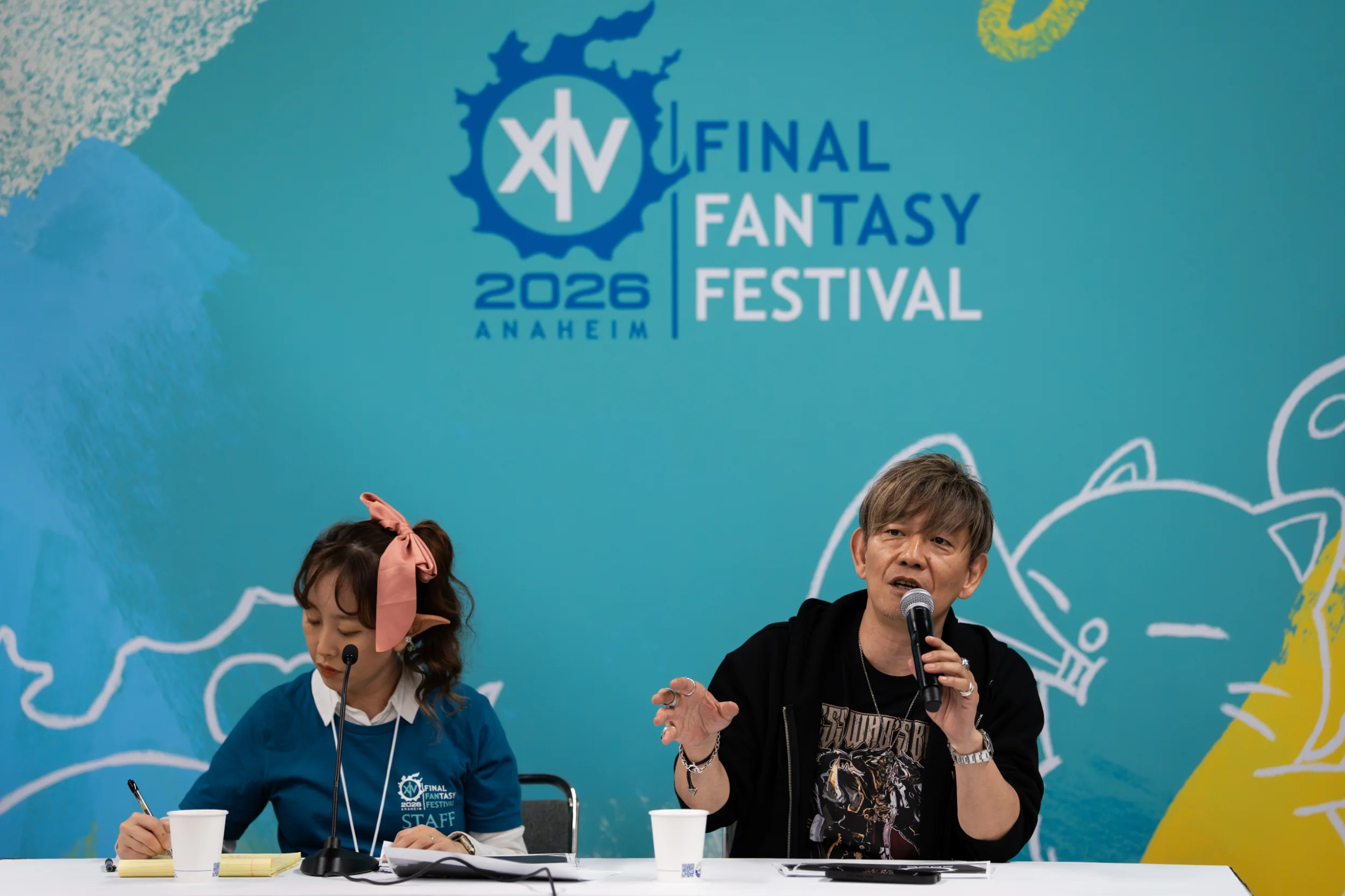
Thanks to the Square Enix PR team, I had the privilege of taking part in a press conference with Naoki Yoshida following the reveals at Final Fantasy XIV Fan Fest 2026 in Anaheim. We were able to ask about everything from Evercold‘s story direction and gameplay changes to the newly announced raids, collaborations, and the long-term future of the game.
One of the biggest questions following the keynote was the meaning behind the expansion’s title. Yoshida revealed that Evercold was not the only name under consideration. In fact, much like previous Final Fantasy XIV expansions, several alternate titles were considered before the team settled on the final one. Stormblood was nearly called “Rebellion” before other teams shot it down, Shadowbringers was once “Dark Bringer,” and Endwalker almost became “World’s End.” For Evercold, Yoshida personally wanted “Absolute Zero,” but that too was rejected.
The original concept for Evercold was rooted in the idea of a world completely frozen over, inspired in part by scientific theories that the planet was once covered in ice. However, Yoshida explained that the concept of “cold” extends beyond the literal. Ice can represent physical barriers, emotional distance, or even hearts grown cold. According to him, players will encounter many forms of “ice” throughout the expansion, whether they must melt it, break through it, or overcome it in some other way.
Yoshida also confirmed that he began thinking about the concept for Final Fantasy XIV‘s next expansion almost immediately after Dawntrail launched. While he has a broad idea of where the overall story arc is headed, each expansion’s specific themes are narrowed down later in the process.
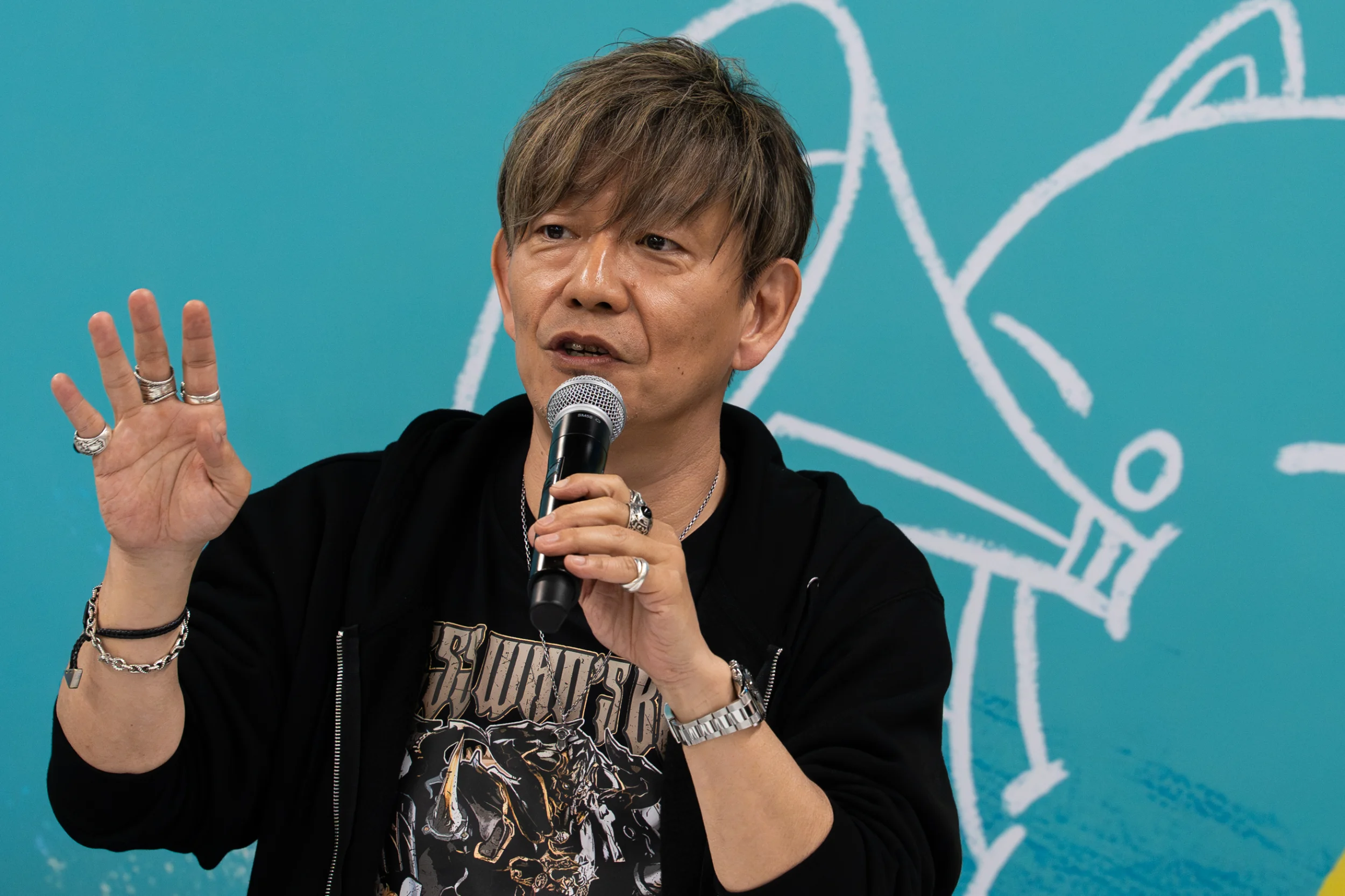
That theme may also tie into Evercold’s apparent Norse influences. When asked about the architecture shown in the trailer and the suspicious one-eyed man many fans have already latched onto, Yoshida admitted the team intentionally tried to obscure the Norse inspiration. That is one reason the keynote avoided using names and proper nouns. He hinted that players familiar with Norse mythology may find additional meaning as more details are revealed. I have my own theory about who that one-eyed man may be, but I will refrain from speculating more for now.
In terms of gameplay, the biggest change in Evercold may be the introduction of the Reborn and Evolved battle styles. Yoshida explained that discussions about what became the Evolved system began around a year and a half ago, when he first spoke with assistant director Yokozawa and battle director Sato. Both believed battle content designer Hikaru Tamaki, affectionately nicknamed “Mr. Prime,” would be the right person to lead the effort. After inviting him to dinner and discussing the idea, development began around a year and four months ago.
As always, time was a challenge; Tamaki was also simultaneously handling encounter tuning, balance checks, mechanic design, and even PvP adjustments. Everything was happening in parallel. Despite that, Yoshida said all of Final Fantasy XIV‘s 21 jobs were already playable internally by February, though Tamaki is still making adjustments and deciding on final features ahead of launch. I was particularly impressed by this, especially considering his previous role as a battle designer, where he worked on encounters such as Eden’s Verse: Refulgence (E8 and E8S).
The decision to keep Reborn alongside Evolved was a deliberate one. Yoshida cited Star Wars Galaxies as an example of an MMO that dramatically changed its systems in an attempt to improve the experience, only to alienate players in the process. He said he did not want to repeat that mistake with Final Fantasy XIV.
After thirteen years with the old system, Yoshida felt it would be wrong to suddenly replace everything. Instead, Reborn will continue to be updated and adjusted alongside Evolved. However, he acknowledged that the game has already been gradually moving in this direction, pointing to newer jobs like Viper and Pictomancer as examples of more streamlined design philosophies.
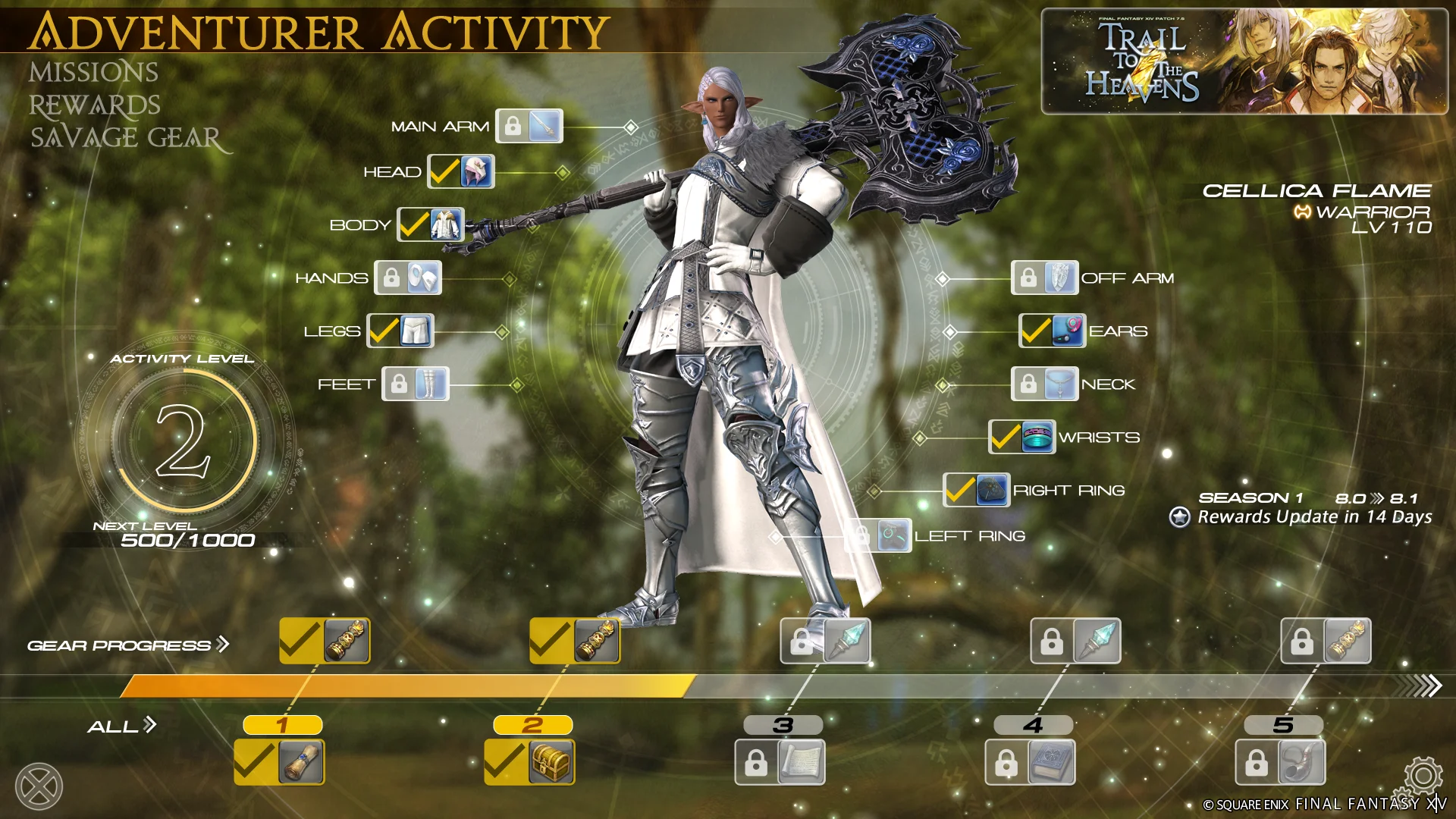
Ever since Shadowbringers, job identity has significantly deteriorated. The rise of the raid buff meta and the eventual standardization around 120-second burst windows have made many jobs feel nearly identical. In high-end content, rotations revolve around building resources and dumping everything into synchronized two-minute windows while raid buffs overlap. While this has made balancing easier, it has come at the cost of job identity.
The “two-minute meta” has become one of the most common criticisms among raiders for a reason. When every job is expected to align around the same burst timing, encounter design feels too predictable. Jobs become essentially “skins” of each other. Yoshida’s comments suggest he’s aware of this, so I view these changes with cautious optimism.
A major concern raised during the press conference is whether stronger job identity can coexist with proper balance, especially with the introduction of Evolved jobs. Yoshida explained that “balance” means different things to different people. Some players view balance purely through the lens of damage numbers, while the development team looks at it within specific categories. Melee DPS, ranged DPS, and caster DPS all serve different functions, so they are not balanced against each other in exactly the same way.
He used Dragoon as an example, specifically highlighting the new “Sky High” move shown during the keynote. The ability launches the Dragoon off-screen for three seconds, allowing it to avoid 90 percent of incoming damage. Since Dragoon is defined by jump attacks, the team wanted to emphasize that fantasy. To offset the lost uptime, the player deals significantly more damage upon returning. Samurai, meanwhile, will have its own “big move” in Evolved mode. Yoshida explained that the team first builds mechanics that reinforce what makes a job feel unique, then balances around those mechanics afterward.
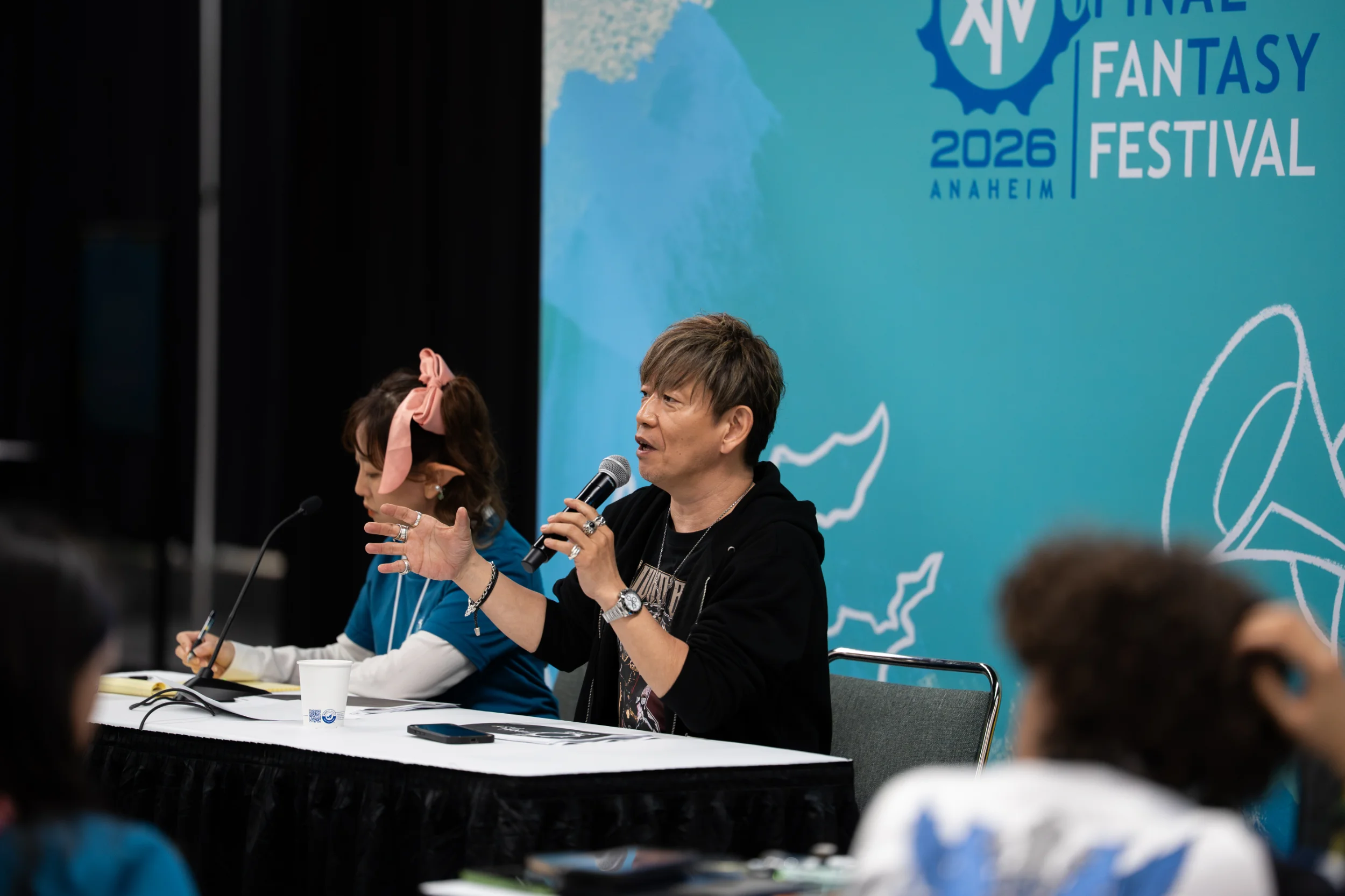
My main takeaway here is that different jobs may be better suited for different mechanics, and this could be healthier for the game as a whole. Since item level is now tied to the character rather than the job, players should have more flexibility to switch to preferred or more comfortable jobs when necessary. While this may create potential balance issues, I think it is a risk worth taking to prevent homogenization.
The newly announced Nintendo Switch 2 version of Final Fantasy XIV was also discussed in greater detail. Yoshida confirmed support for built-in mouse controls and said the team is targeting stable 30 FPS performance. He admitted crowded cities may experience lower frame rates, but reassured players that raids and duties should perform well. However, he recommended playing in docked mode for Savage and Ultimate content.
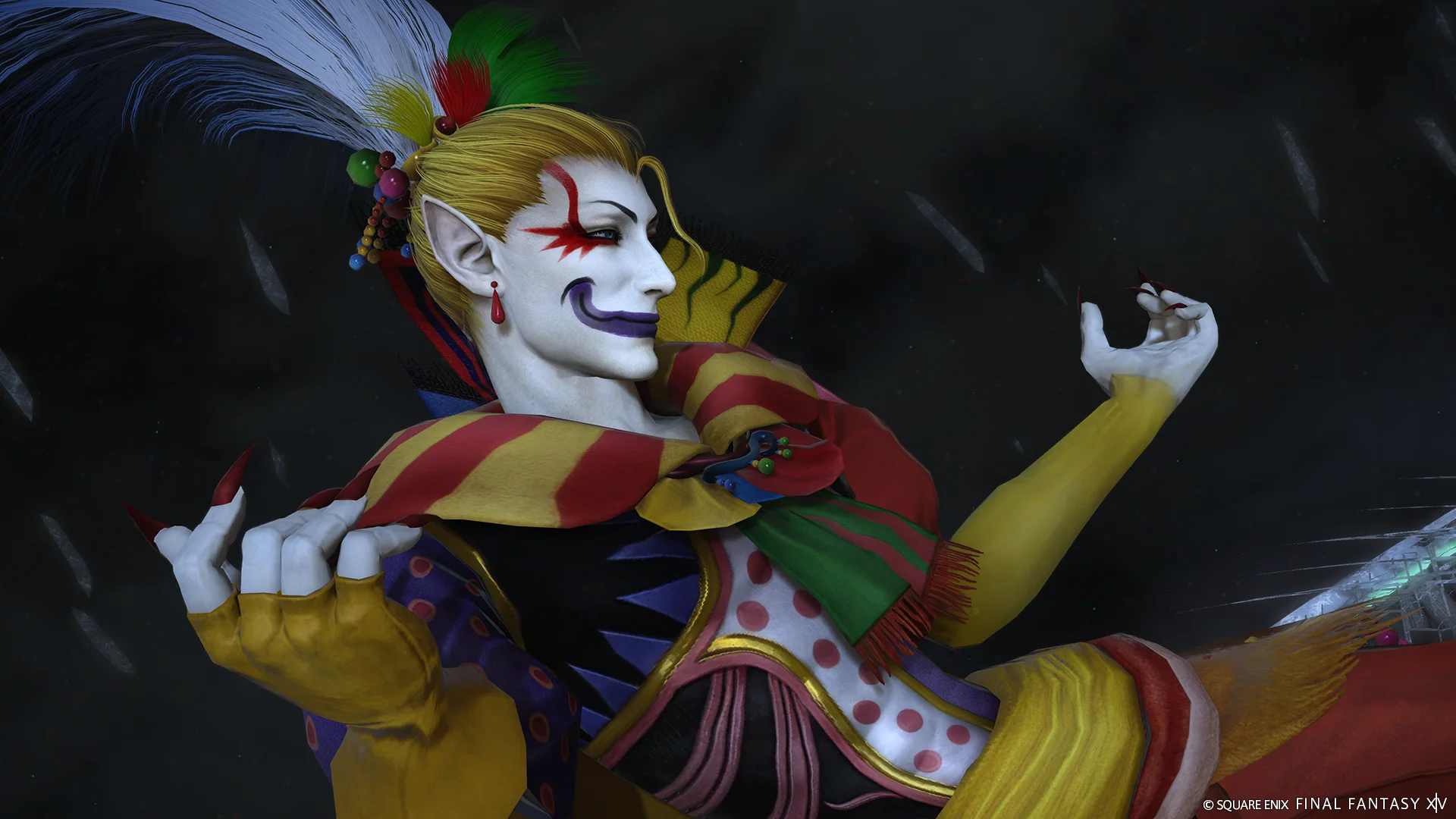
When asked about Dancing Mad (Ultimate), Yoshida gave one of the most interesting answers of the press conference. He explained that only a small number of developers on the battle encounter team are capable of designing Ultimate-level encounters, and they often rotate responsibilities. This time, the developer in charge apparently has what Yoshida described as an “unnatural love” for Kefka. That same developer also worked on O8 and O8S (Omega: Sigmascape V4.0) and wanted another chance to revisit Kefka’s encounter. As a fellow Final Fantasy VI enjoyer, I understand. O8S introduced many unique mechanics back in the day, so I’m excited to see what’s in store with this version.
The newly announced Neon Genesis Evangelion collaboration was another major topic. Yoshida confirmed the team has been working closely with Khara to prepare the reveal. He said he was relieved to see such positive reactions online, especially given how surprising the collaboration was. He also teased new designs, new artwork, and more information to be revealed at the Berlin and Tokyo Fan Fests. For now, though, the team is not ready to say much more.
To close out the press conference, Yoshida was asked where he wants Final Fantasy XIV to be in ten years.
His answer was simple: he does not think in terms of endings.
He also said the team is already beginning to build the next major story arc, one that he hopes can rival or even surpass the emotional climax players experienced through the first ten years. According to Yoshida, players will only understand the full meaning of that journey by continuing to walk the Warrior of Light’s path. Yoshida also admitted he has thought about a Final Fantasy XIV spinoff. He would love to create a standalone title that could introduce more people to Eorzea, especially those who dismiss it because it is an MMO. That said, he joked that players would probably rather the team focus on the main game.
For now, at least, that focus remains exactly where fans want it, ensuring Final Fantasy XIV continues its journey for many years to come.


Leave a Reply
You must be logged in to post a comment.