
This edition of RPGs Coming This Week features a brand-new game and IP, and a new game in a long-dormant series. And Nintendo added a handful of titles to its Nintendo Switch Online service just a few days ago, which included a surprising Game Boy RPG addition, now available again 30 years after its original release.
Intro by Mike Salbato
Celestial Return – July 16th (Windows)
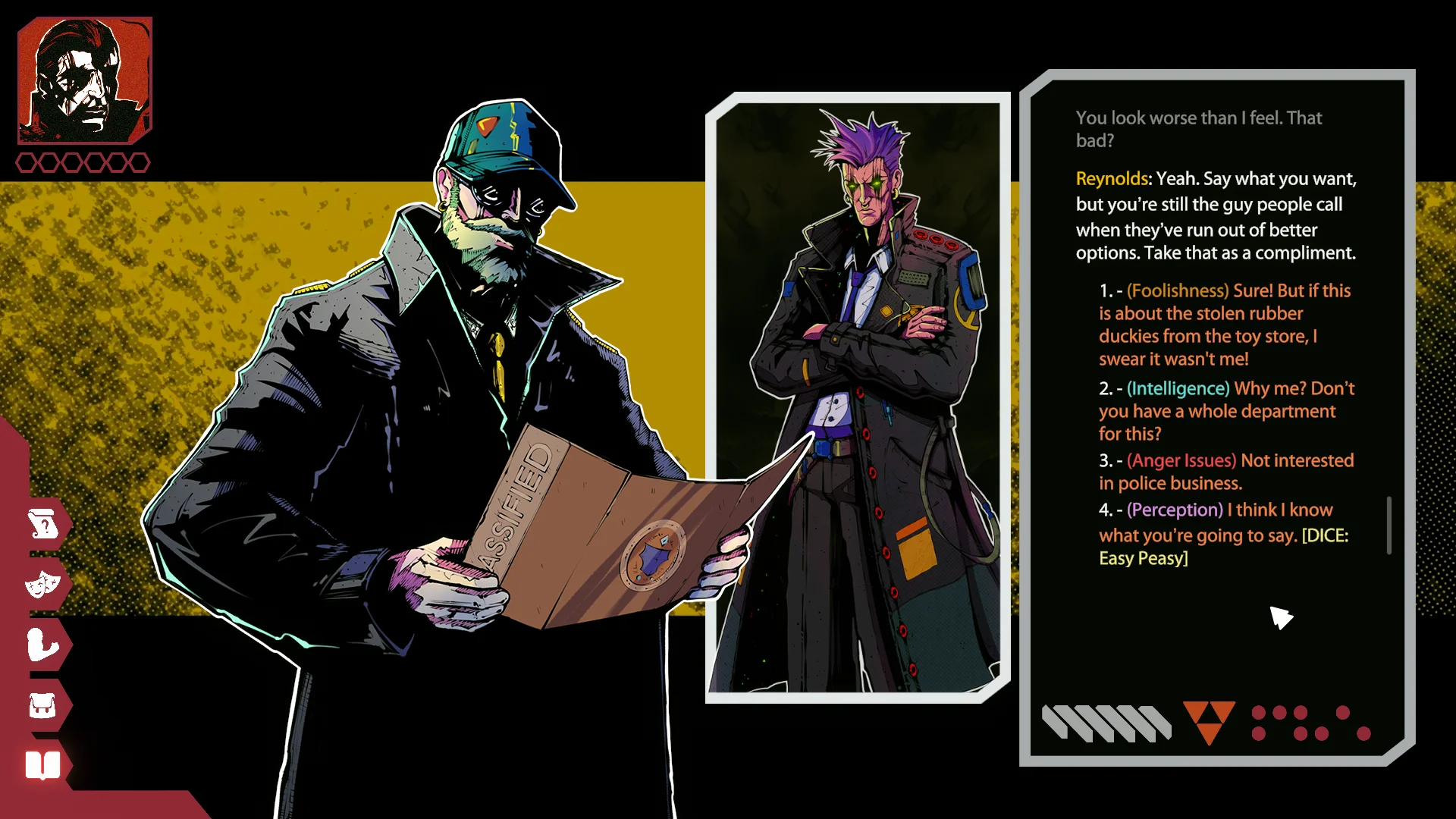
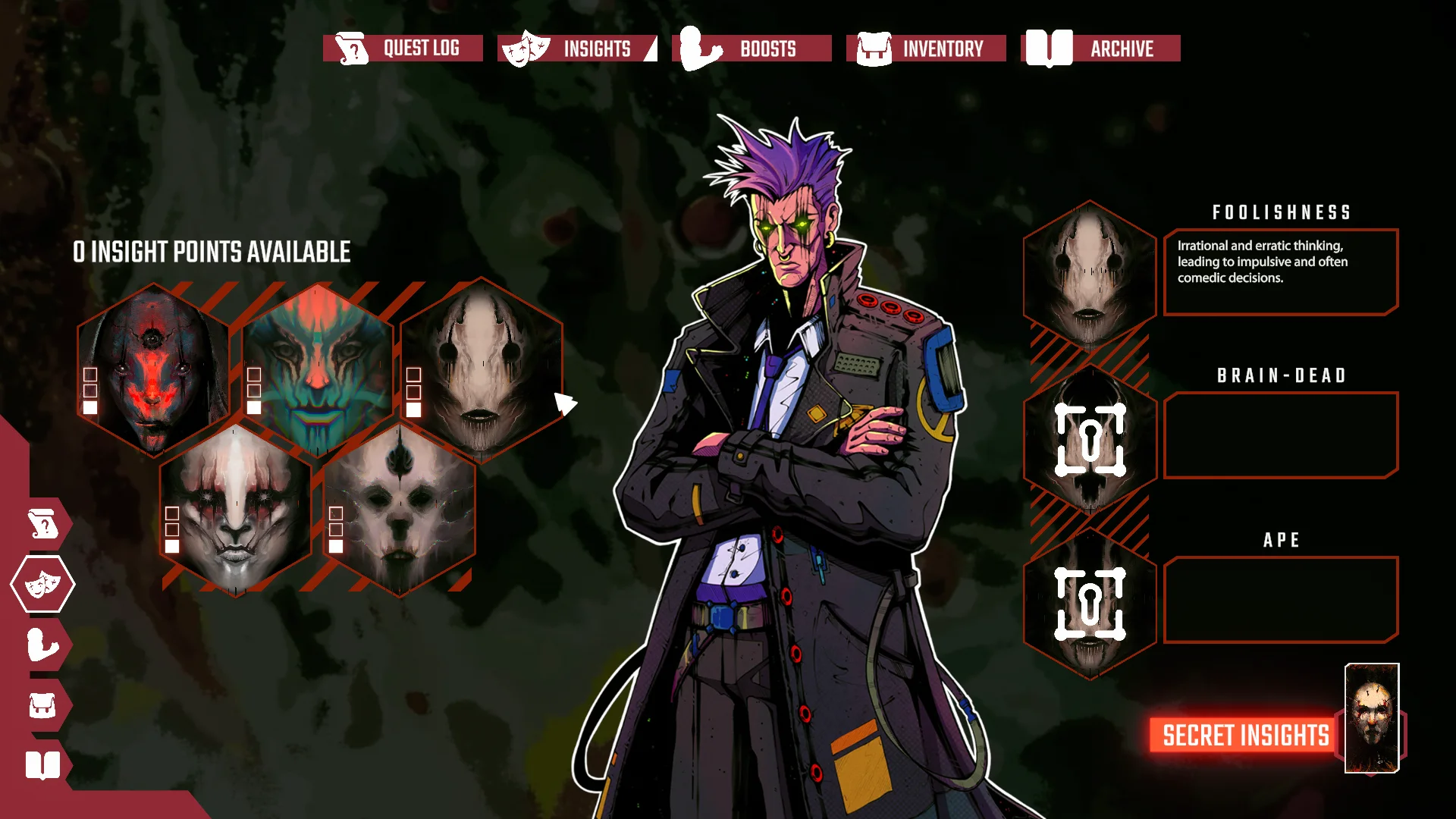
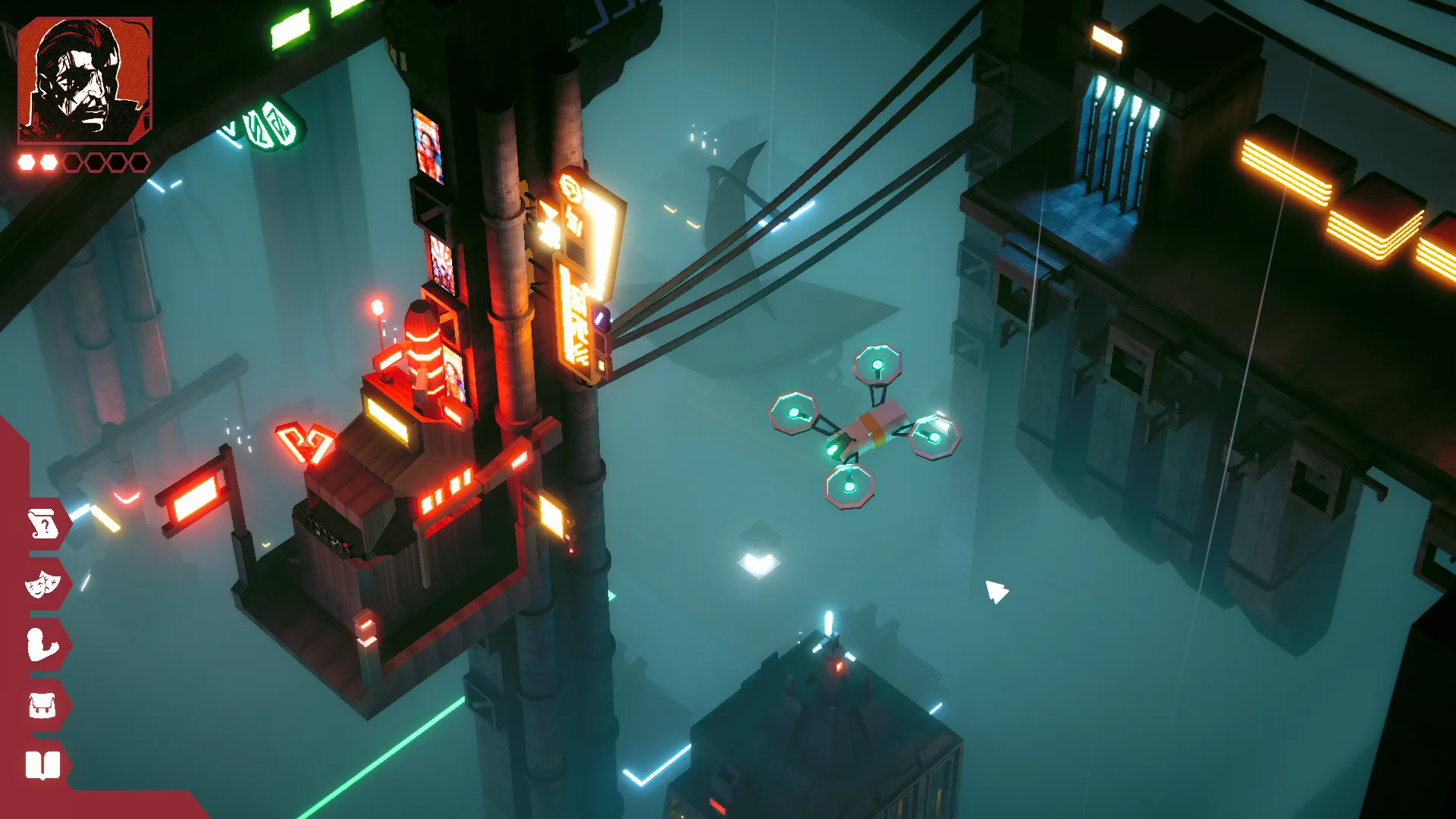
Cosmic horrors and megacorps await in the neon-soaked streets of Netherveil City. Celestial Return launches this week, promising an unforgiving city full of tough choices and tougher dice rolls. If the game’s art style — a stylish blend of manga and American comics — doesn’t draw you in already, the electric soundtrack and character building also want your attention. It’s impossible not to see some influence from Disco Elysium in Celestial Return‘s presentation and personality traits to put points into that influence your decision making, but it does really look like the developers are trying to offer a similarly rich experience that’s fully their own colorful, hard-edged narrative journey. There’s a great “manifesto” on the game’s Steam page that I could paraphrase, but would be more impactful just to share:
Heroes don’t last long in Netherveil. This is a manifesto for the forgotten, the erased, the expendable, those never given a chance. It’s about those who were never meant to survive, yet somehow still do. It’s about the existential terror of being alive in a world ruled by forces you can’t see. It’s about resistance.
“I’m here, and I won’t go quietly.”
Honestly, that’s an attitude many of us can get behind, no? At launch, Celestial Return is coming to Windows via Steam, but in last week’s most recent dev update, the team at Metaphor Games says they hope to reveal their console release plans soon.
by Mike Salbato
Culdcept BEGINS – July 16th (Switch, Switch 2)
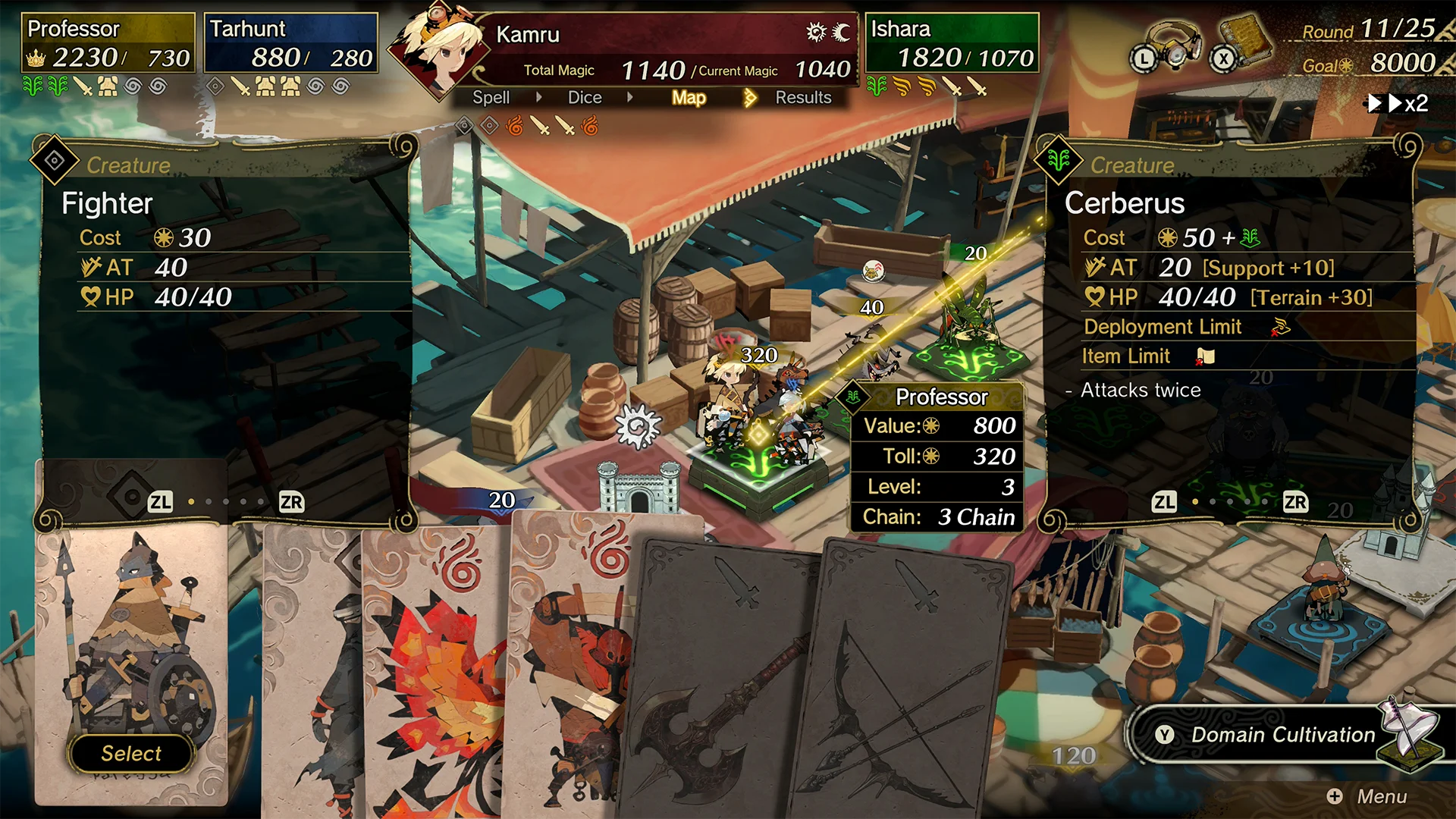
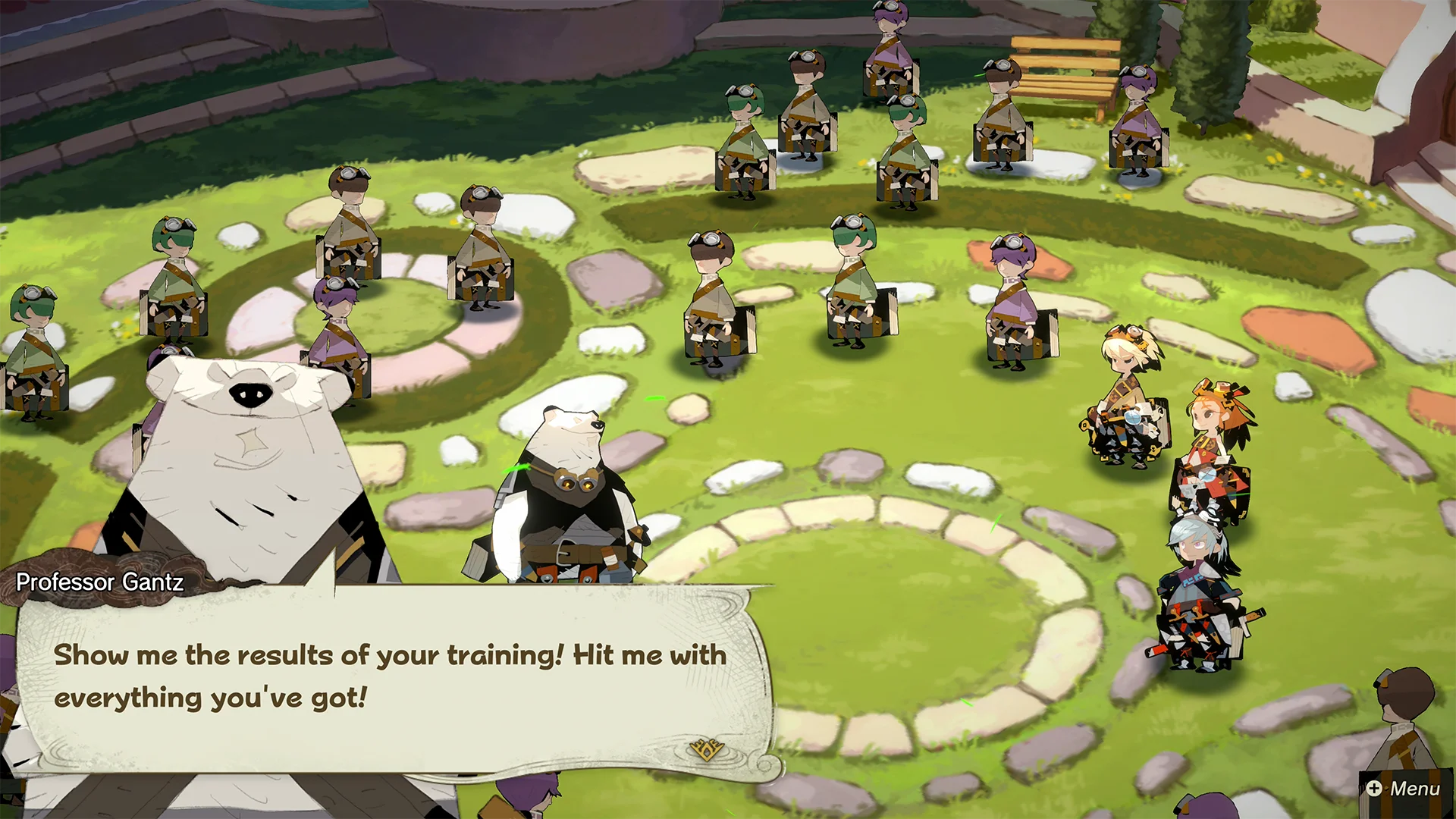
It’s a fantastic time to be a Culdcept fan! Not only are we finally receiving an official release of the original game in the series, aptly titled Culdcept The First, later this month which I’m very excited about, but this week sees the first original Culdcept title in nearly a decade: Culdcept BEGINS. BEGINS is a bit of a soft reboot for the series, with series shepherd Omiya Soft returning to their board game/collectible card game hybrid alongside independent Japanese game developer Grounding Inc. This is a bit of a match made in heaven, as Grounding is known not only for their digital game development (Crimson Dragon, World’s End Club, Little Noah: Scion of Paradise, The Good Life), but also physical board games (Machi Koro). This iteration of the long-running franchise sports an entirely new cartoony art style that evokes cave paintings or murals, and the cards are now stone tablets to match this ancient civilization theme. The story follows novice Cepter Kamru as he ascends the ranks of the Royal Cept Academy and joins the Royal Cepter Guard Regiment to defend the Kingdom of Bavrashka.
I realize I’ve given a history on the series and who’s making it, but not yet explained what Culdcept actually is! Imagine if you took the property-purchasing, rent-seeking gameplay loop of the board game Monopoly and combined that with the colorful creatures, opponent disrupting spells, and deck-building of Magic the Gathering. You advance along a board of linear, looping tiles, each loop rewarding you with more money, which you can spend to place creatures on tiles to claim as your property or spells to hamstring your opponent. Landing on your own monster tile allows you to develop that land (akin to placing a house or hotel) and charge higher tolls when your opponent lands on the tile. If you land on an opponent’s tile, you can use a monster to do battle with their monster residing on said tile; if victorious, you claim the tile for yourself, but if you lose, it’s time to pay up! If this sounds fun to you, be sure to give the game a shot on Nintendo Switch & Switch 2 when it releases on July 16th. There will also be a PC release via Steam sometime later this year.
by Ben Love
Orpheus: To Hell and Back – July 13th (PC)
Orpheus: To Hell and Back is a throwback, Zelda-influenced title playable on Game Boy Color and PC. Inspired by the classic Greek myth of Orpheus and Eurydice, play as the musician Orpheus as he ventures into the many dungeons of the underworld to save his love! Using Orpheus’s lyre, you can deal with enemies and solve various puzzles. The visual design evokes the GBC-era Zelda titles, full of colorful 8-bit environments and charming character sprites. It’s great to see modern retro games like this get official releases on modern platforms, and if you’d rather play the game on your classic hardware, the compatible ROM is available on the developer’s itch.io page.
by Ben Love
Letalis – July 16th (PC)
Gladiator RPG Letalis is making its 1.0 debut and leaving early access this week. Utilizing a classic monochromatic Game Boy visual style and taking mechanical inspiration from the classic Pokémon and SaGa titles (also known as Final Fantasy Legend here in the US), Letalis is all about making the perfect party of gladiators and fighting in the colosseum. With over 1,000 different gladiators to recruit and the ability to train and fuse said fighters into new combinations, the game certainly seems to scratch that party-building itch. Although the game is primarily focused on combat, there is a world map to explore, puzzles to solve, and secrets to uncover throughout its nonlinear world. I love games like this that prove the visual identity and gameplay mechanics born out of strict hardware limitations have value, even when those limitations are a distant memory.
by Ben Love
Last Week Bonus: Sword of Hope II – July 7th (Switch, Switch 2)
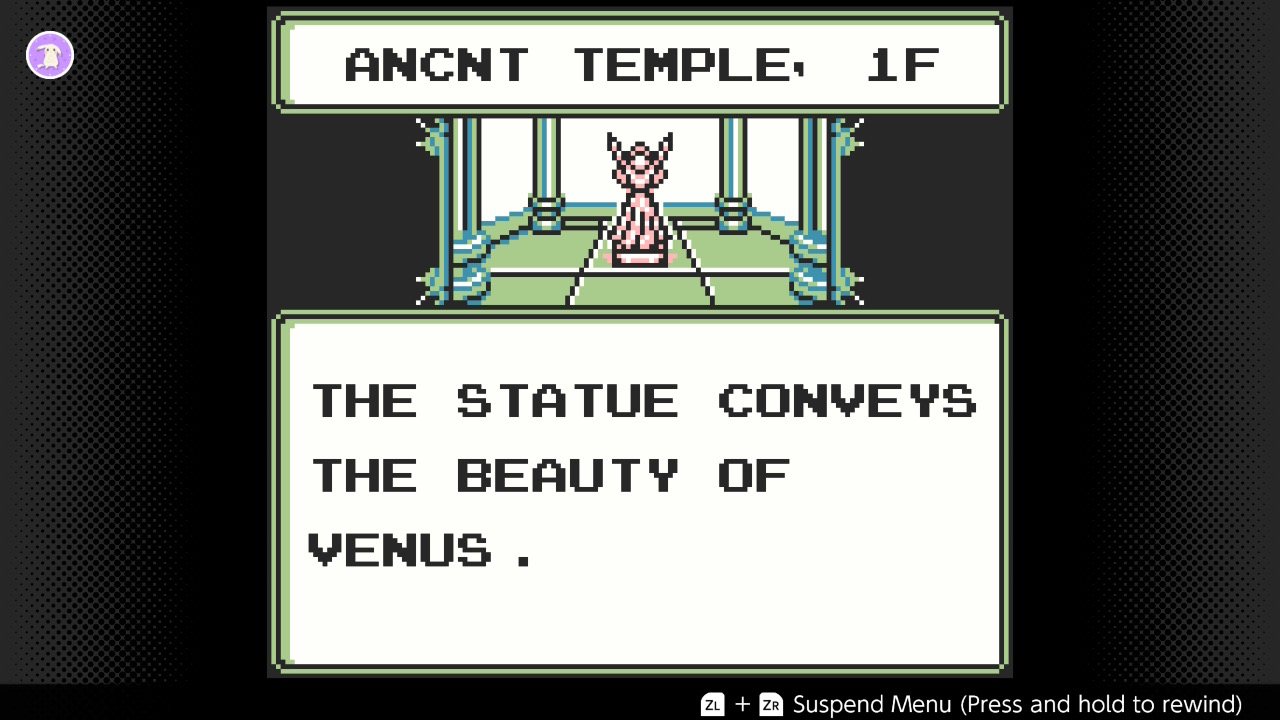
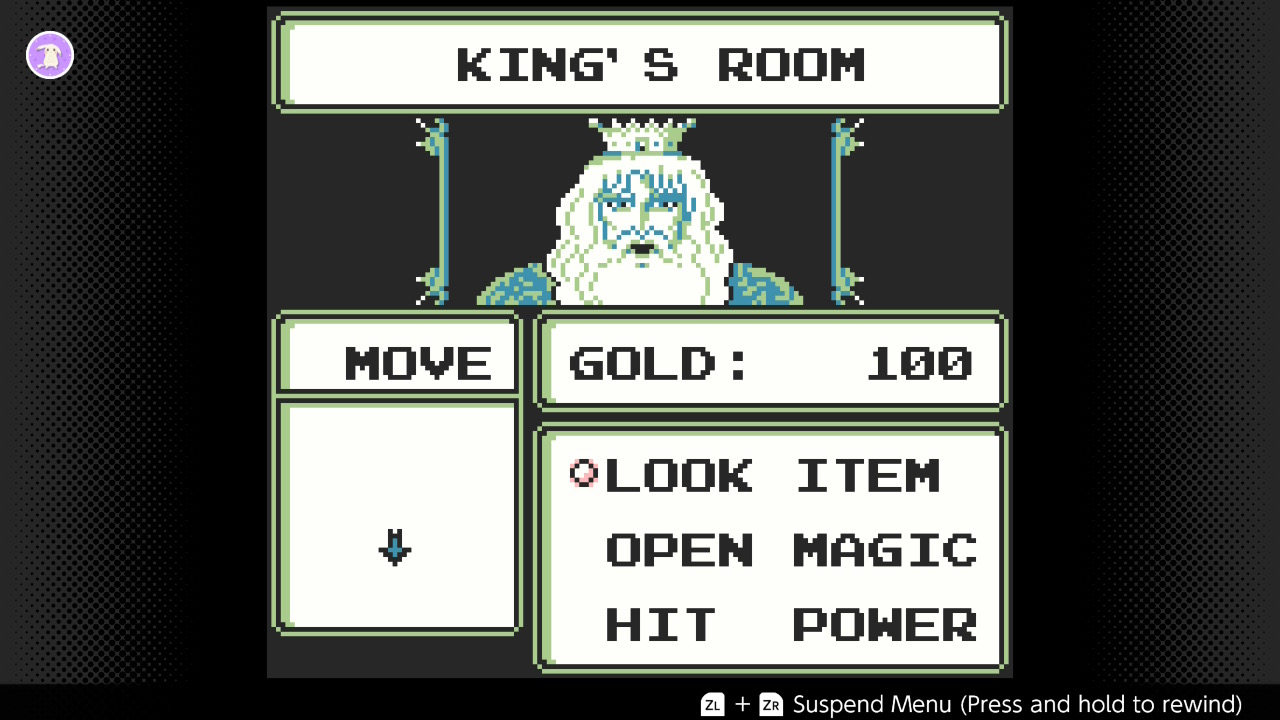
Before Kemco became known primarily as a factory churning out the most generic JRPGs imaginable at a blistering pace, they developed quite a few experimental diamonds in the rough. One of the earliest of these is The Sword of Hope II, released on the Game Boy in 1992 in Japan and in North America in 1996. The Sword of Hope series combines the first person adventure game presentation and menu-based exploration of Shadowgate with more traditional RPG mechanics like turn-based combat and stat progression akin to Dragon Quest.
The first Sword of Hope was fairly limited, with only one party member and a pretty confined world. The sequel expands the scope of the world and allows the player to recruit additional party members, similar to the jump in complexity between Dragon Quest and Dragon Quest II. While it might seem primitive today, this level of presentation and interactivity was quite impressive on the Game Boy in the early 1990s, and I appreciate that the Nintendo Switch Classics service provides an opportunity to re-experience these classic titles in a more convenient, easily shareable format, ensuring they aren’t completely lost to time.
by Ben Love


Leave a Reply
You must be logged in to post a comment.