
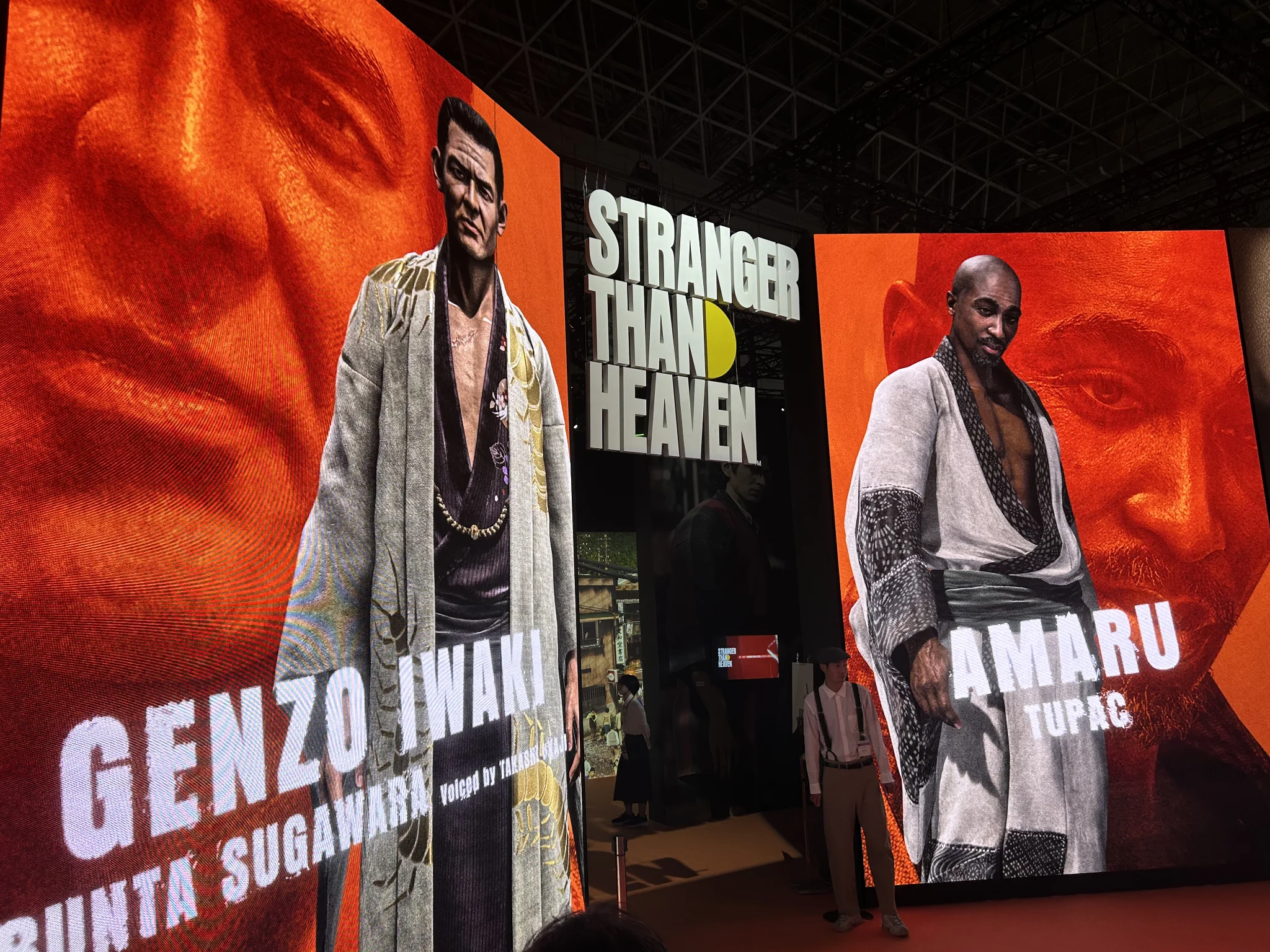
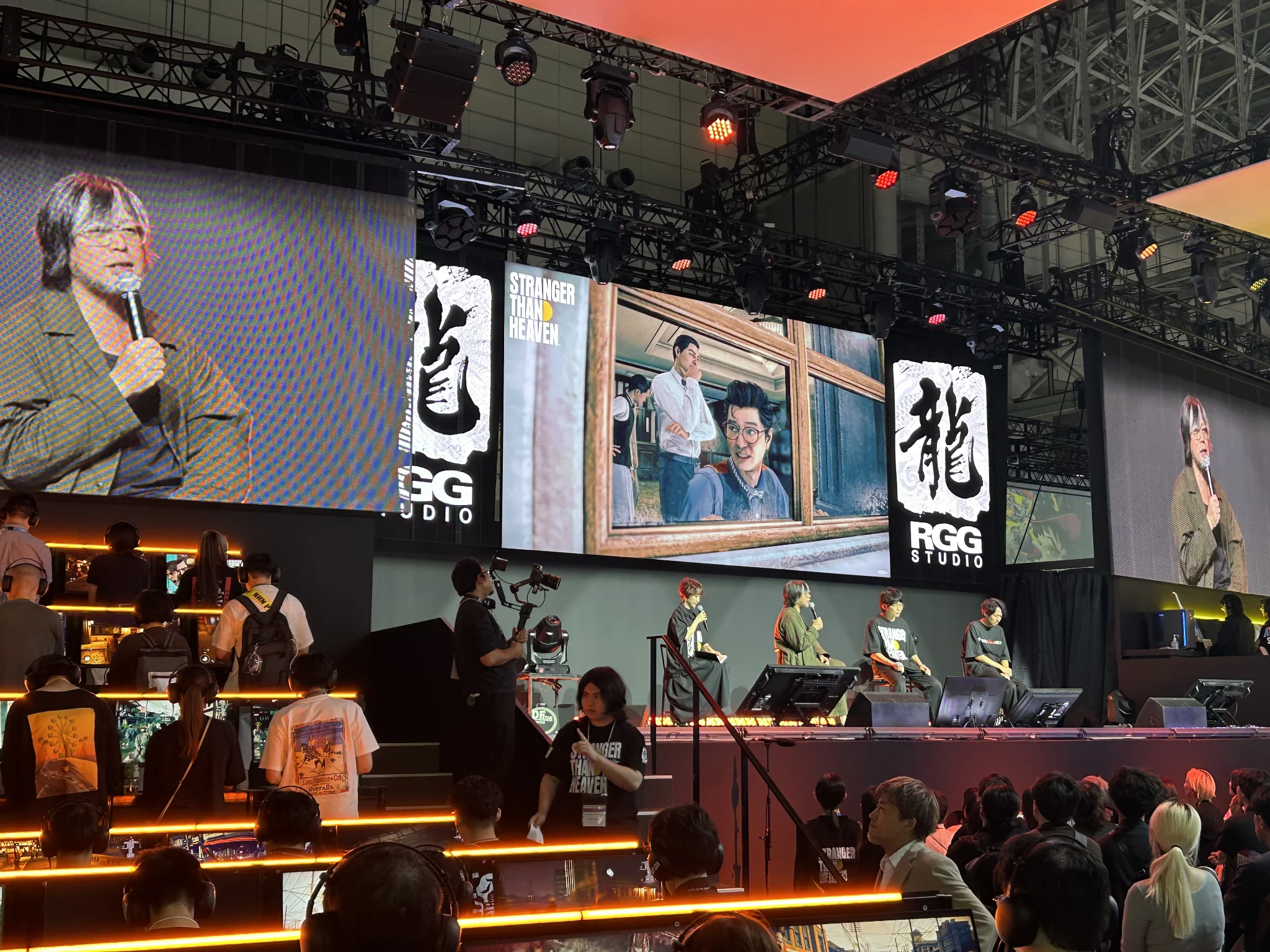
I bookended my first day at Tokyo Game Show 2026 with RGG Studio’s Like a Dragon prequel, Stranger Than Heaven. In the morning, I beelined to the impressive display/museum/theatre/demo space set up for the game. First, they ushered me and about thirty other industry folks into a standing room plastered with mock music posters from Japan’s Shōwa era. On a large screen, RGG Studio head Masayoshi Yokoyama introduced two key moments from the game that played out like a very earnest musical.
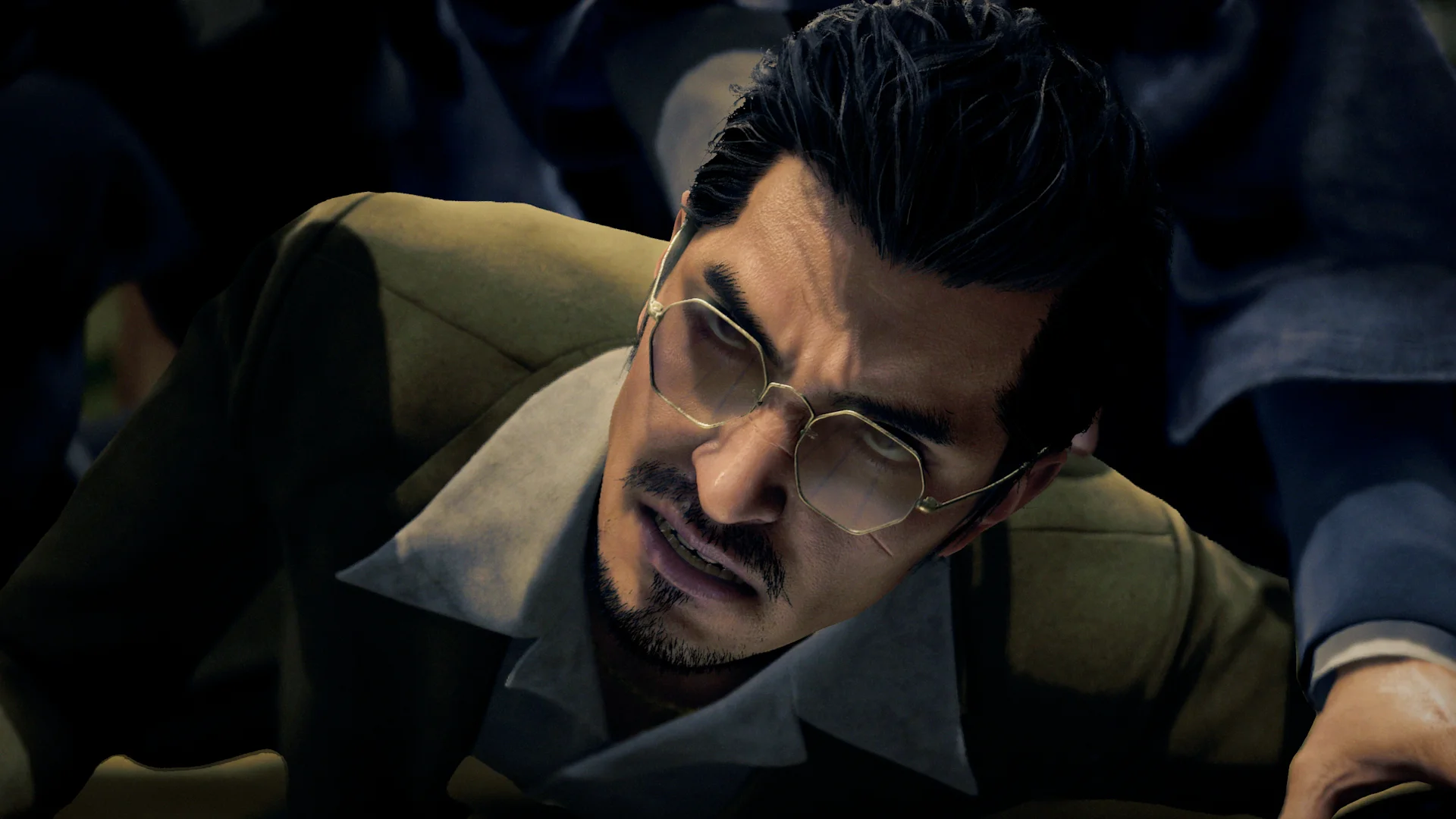
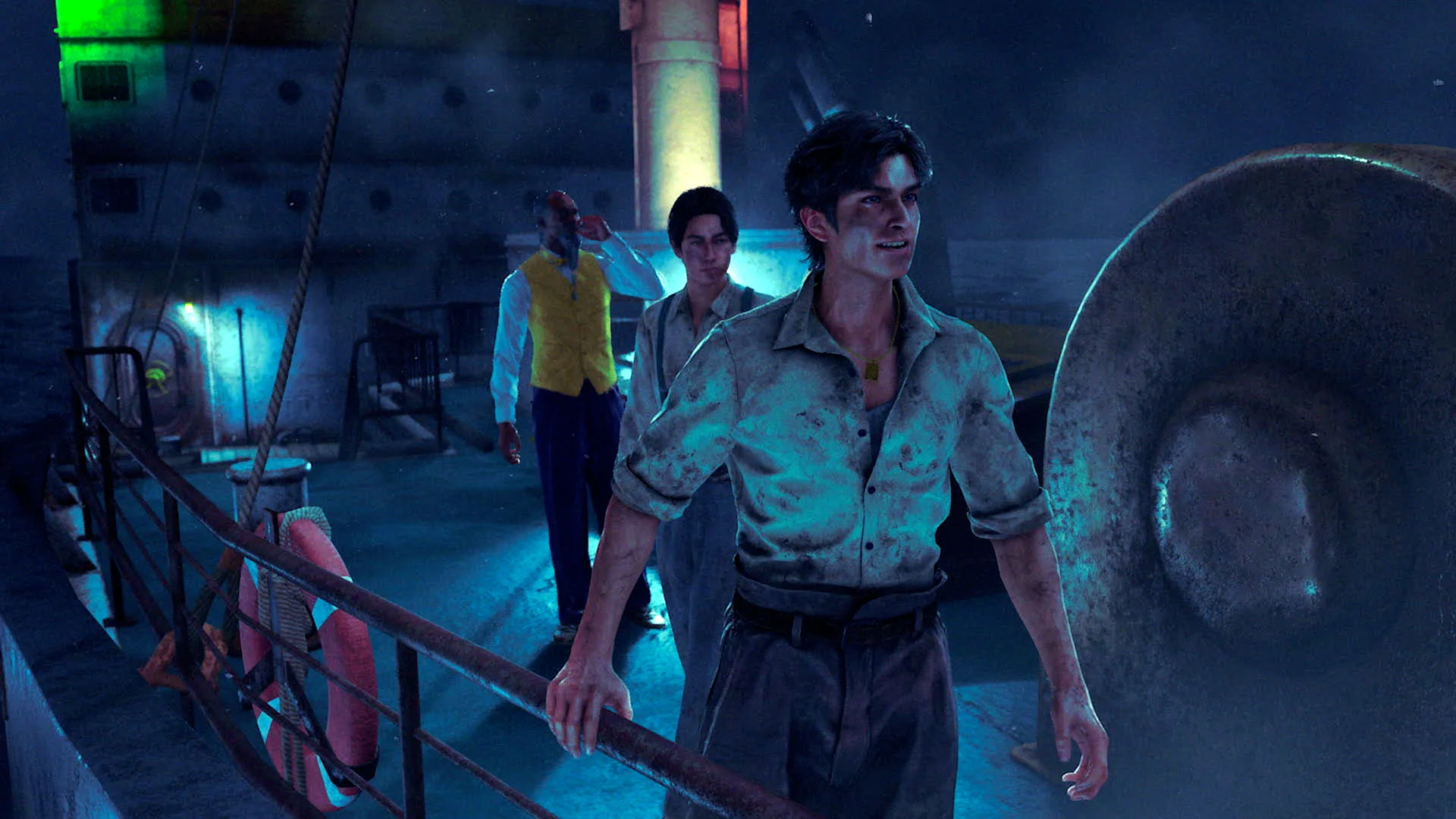
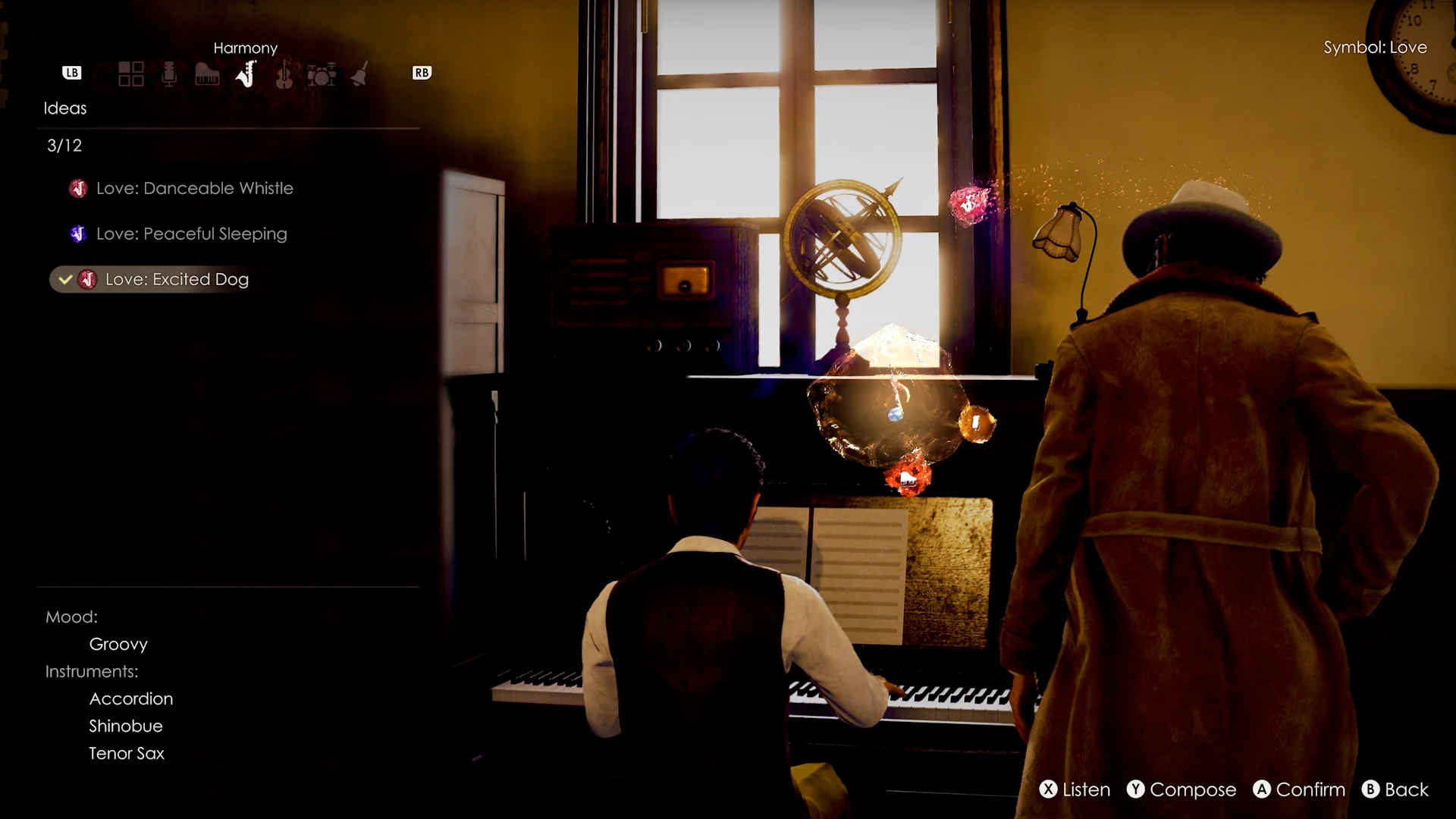
Yes, I’m talking Hamilton-style, hip hop-infused showtunes sung diegetically by protagonist Makoto Daito, at least in his young, Taisho-era self. The second song was by Official HIGE DANdism’s frontman Satoshi Fujihara, who plays Takashi, a pianist and yakuza protegé to the elder Daito as he builds what will become Like a Dragon/Yakuza’s Tojo Clan. As I said, it was all in earnest, with not a speck of the straight-faced goofiness the prior Like a Dragon series is famous for, as they sang about being downtrodden and searching for a place of belonging. It’s something fans may have trouble getting used to, but it emphasizes Daito’s decades-long quest to build a stage and crime empire.
Fujihara also partnered with Snoop Dogg (who plays Orpheus in the game) and singers Tori Kelly and Ado for the bombastic theme song, “Stranger Than Heaven.” The hip-hop influences go beyond style and soundtracks—it’s hinted that Daito’s strong sense of justice in the game comes from his time in America as a boy, where he witnessed the mistreatment of Black Americans. It’s nice to see Black culture and history infused in Stranger Than Heaven in a more meaningful way than just appropriating a sense of cool.
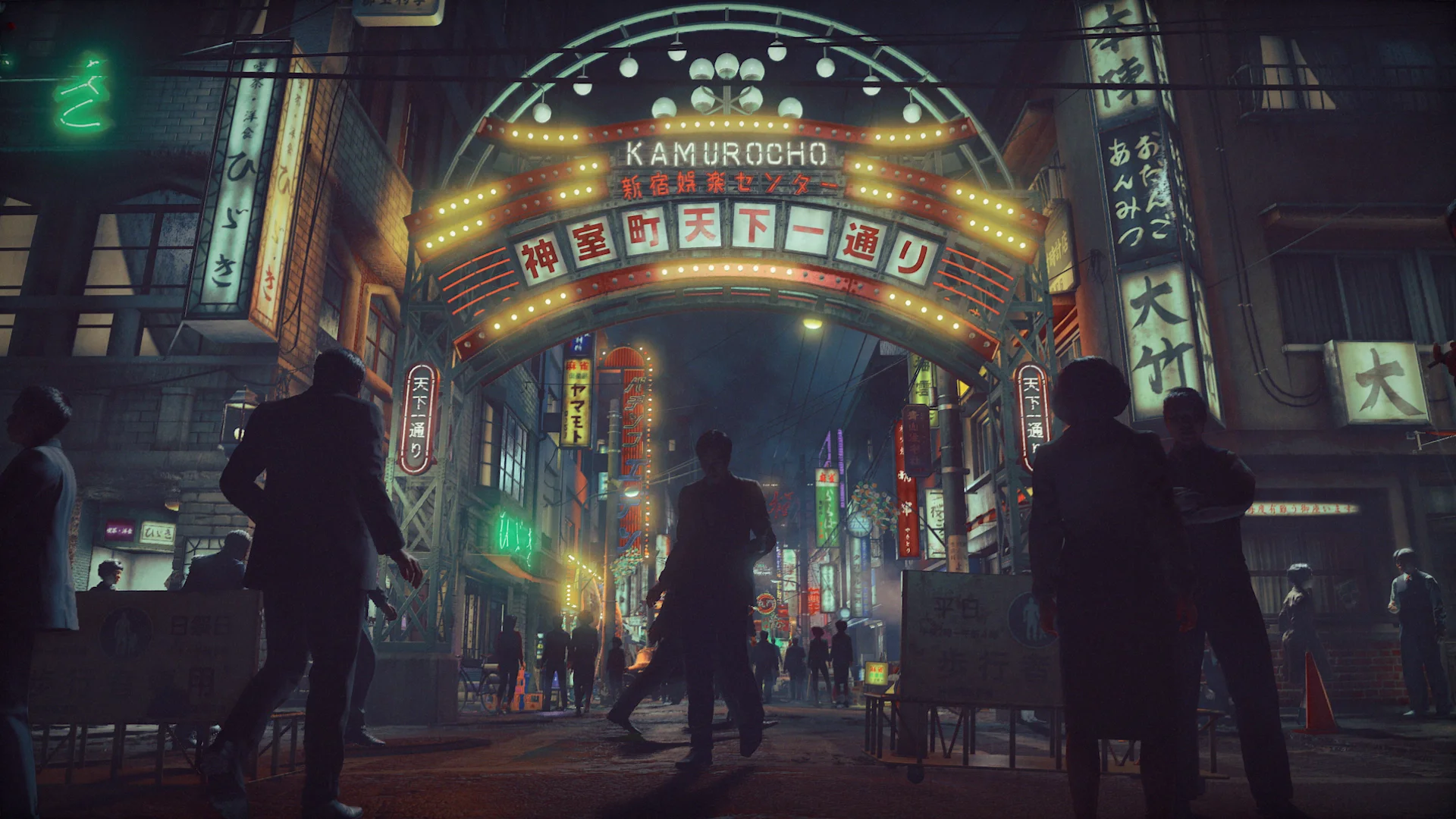
The line for Stranger Than Heaven’s demo was Longer Than Hell, so I ended up returning at the end of the day. I was surprised how the demo just plunks you right into one of three combat encounters of increasing difficulty, with no fuss about singing or story. [Editor’s Note: It seems like the TGS demo may have been the same one Mario played at Summer Game Fest this year, though it’s possible Matt experienced a newer build!]
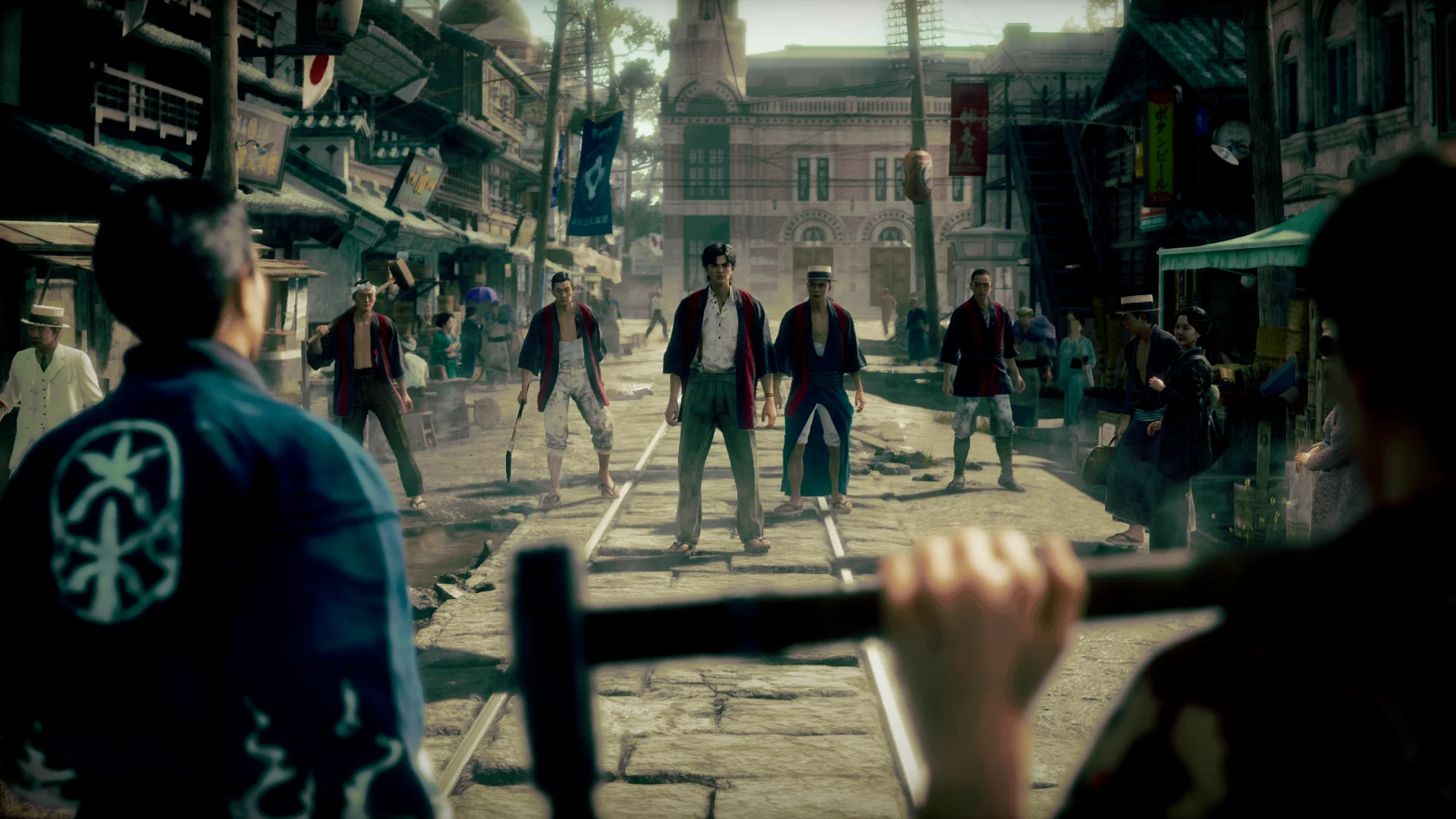
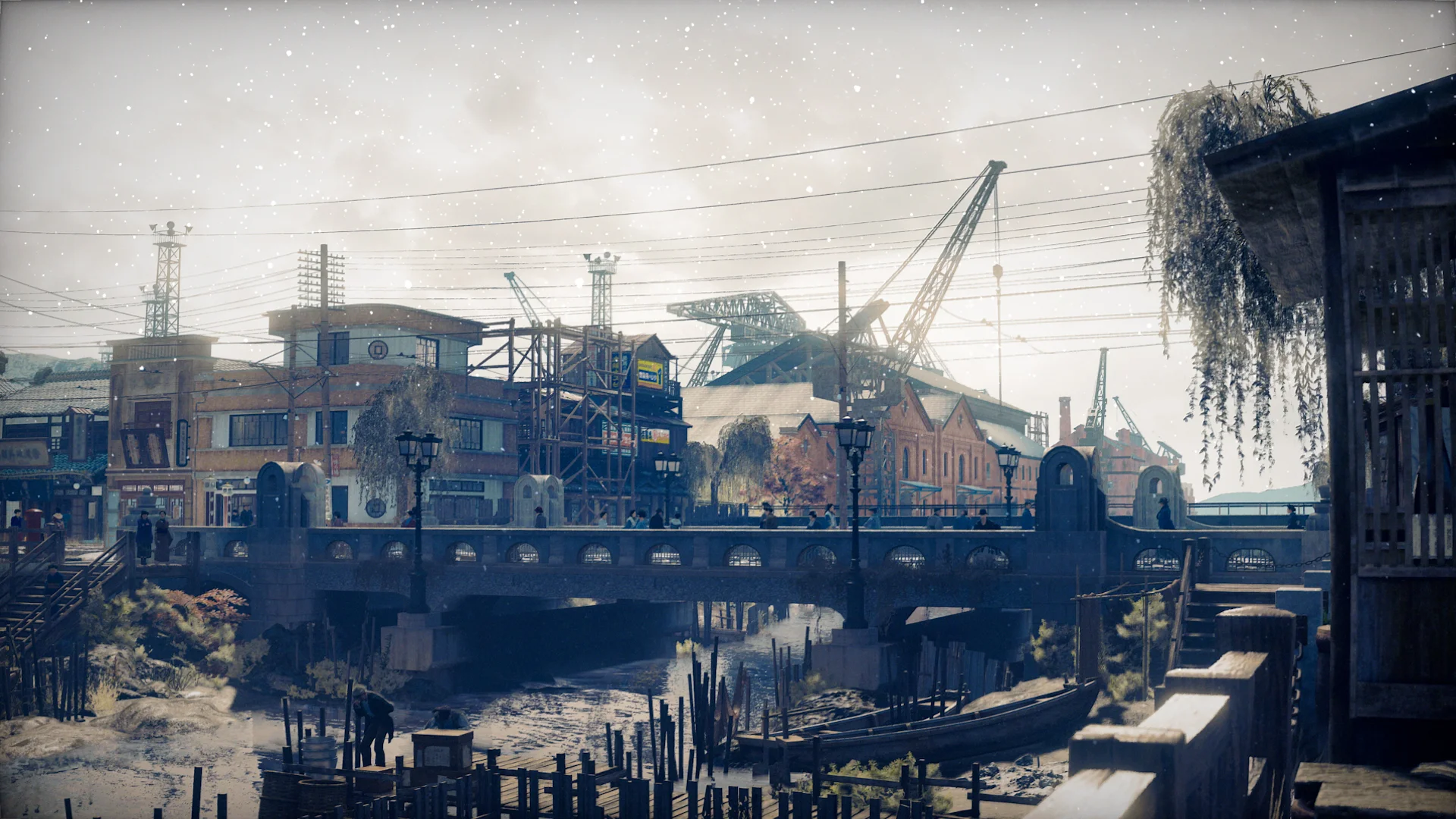
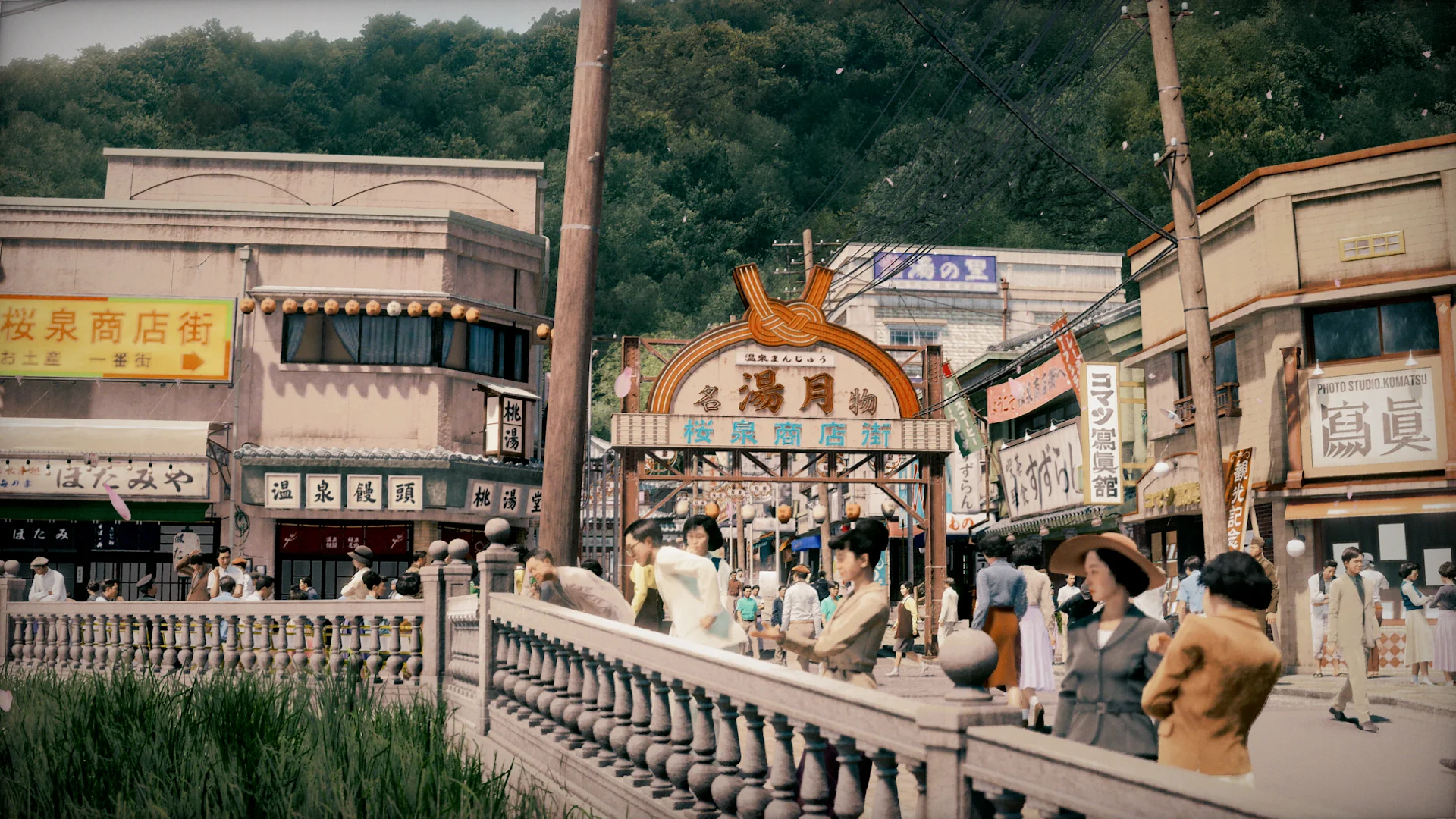
Stranger Than Heaven spans five Japanese cities across five decades: Kokura, Fukuoka in 1915; Kure, Hiroshima in 1929; Minami, Osaka in 1943; Atami, Shizuoka in 1951; and Shinjuku, Tokyo in 1965. The glimpses I was afforded in three of the five settings were narrow, but they seemed full of their own lives and fashions in a way that was as deep as Like a Dragon’s Kamurochō. There were tons of shops, gawking passersby (who knew Daito by name the older he got), differing architecture, and, of course, street goons to beat on.
The biggest shock I got as a casual Yakuza fan was just how different Stranger Than Heaven’s combat felt. Daito lumbers towards his opponents, attacking slowly but with real weight. Blocking and evading work quickly, and a well-timed dodge can activate a dramatic slo-mo counterattack. Light and heavy attacks are mapped to the top and bottom trigger buttons—either one of them, though L and R seemed to do the same moves, oddly—and they can be held to unleash even slower and heavier wallops.
Daito can switch between weapons on the fly, including a giant metal pipe, a butcher knife, a sword, a hammer, and good ol’ fashioned fists. The slower, more strategic pace of the combat matches the story’s more serious tone, as does the upscaled violence. I was reminded of Oldboy as I cracked a thug over the head with my hammer. Another enemy, seeing his buddy get whacked, fell backward and crawled desperately away from me… or he tried to, at least! Daito clearly doesn’t have the same qualms about killing as Yakuza’s Kazuma Kiryu has.
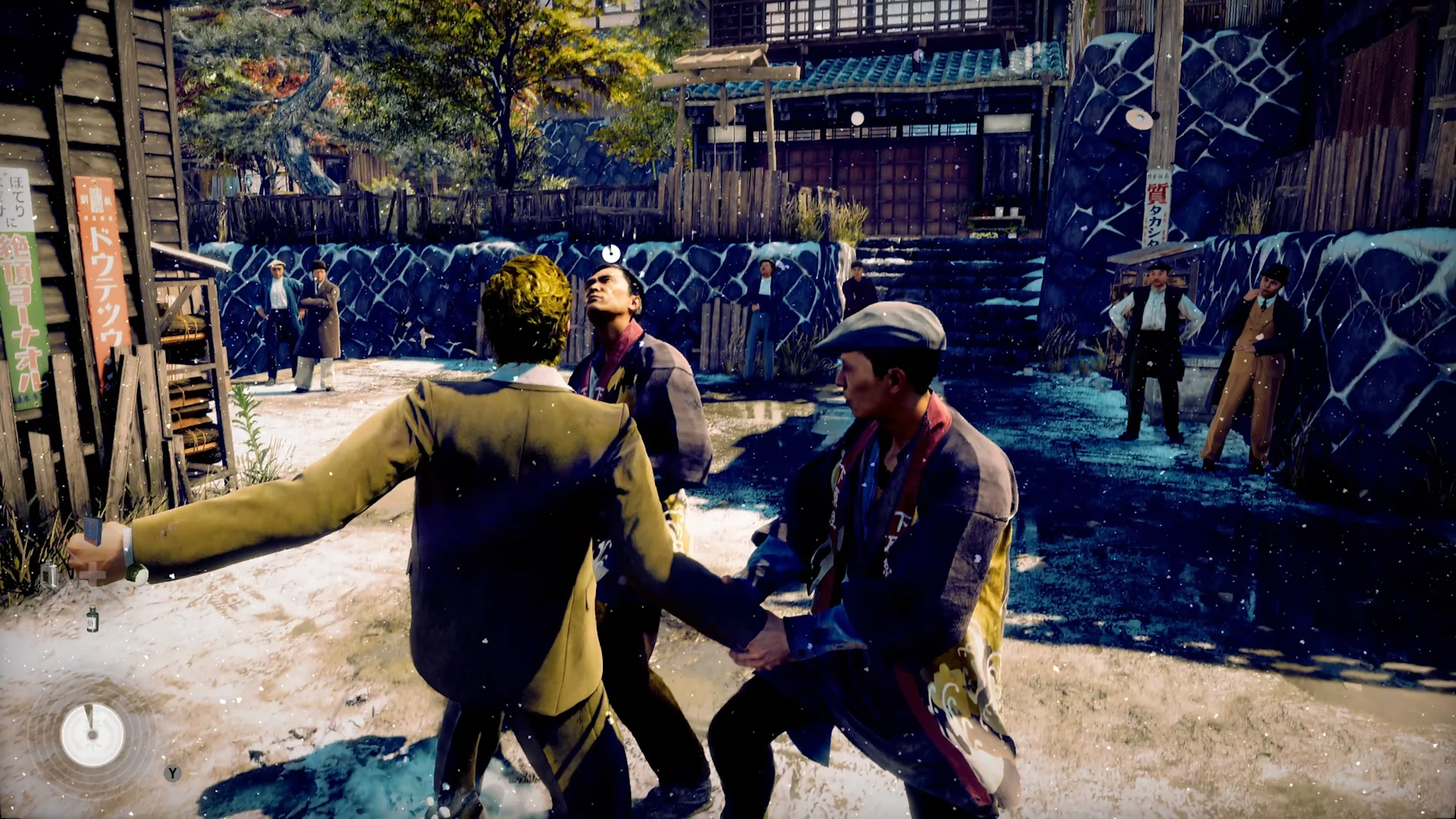
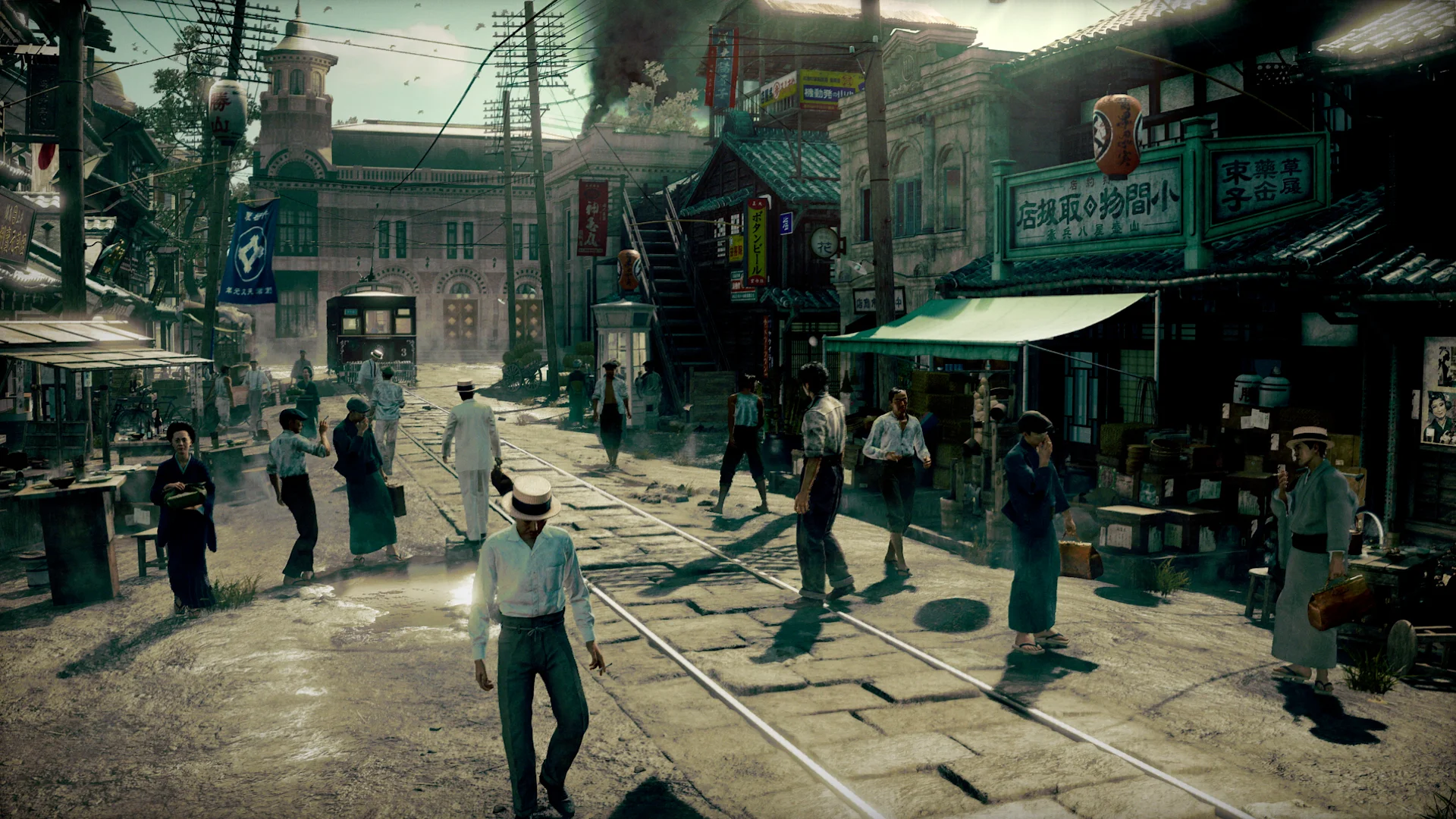
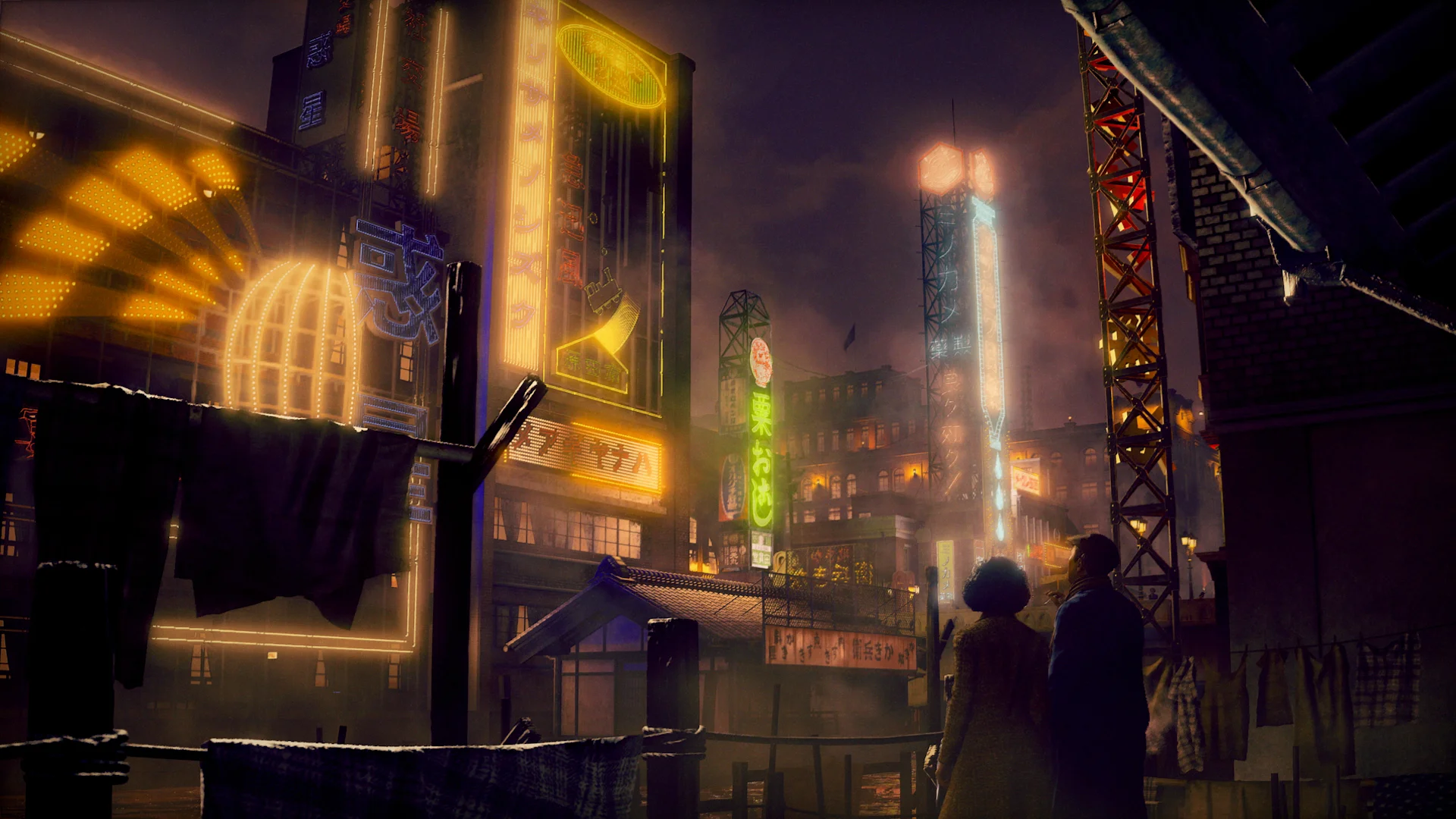
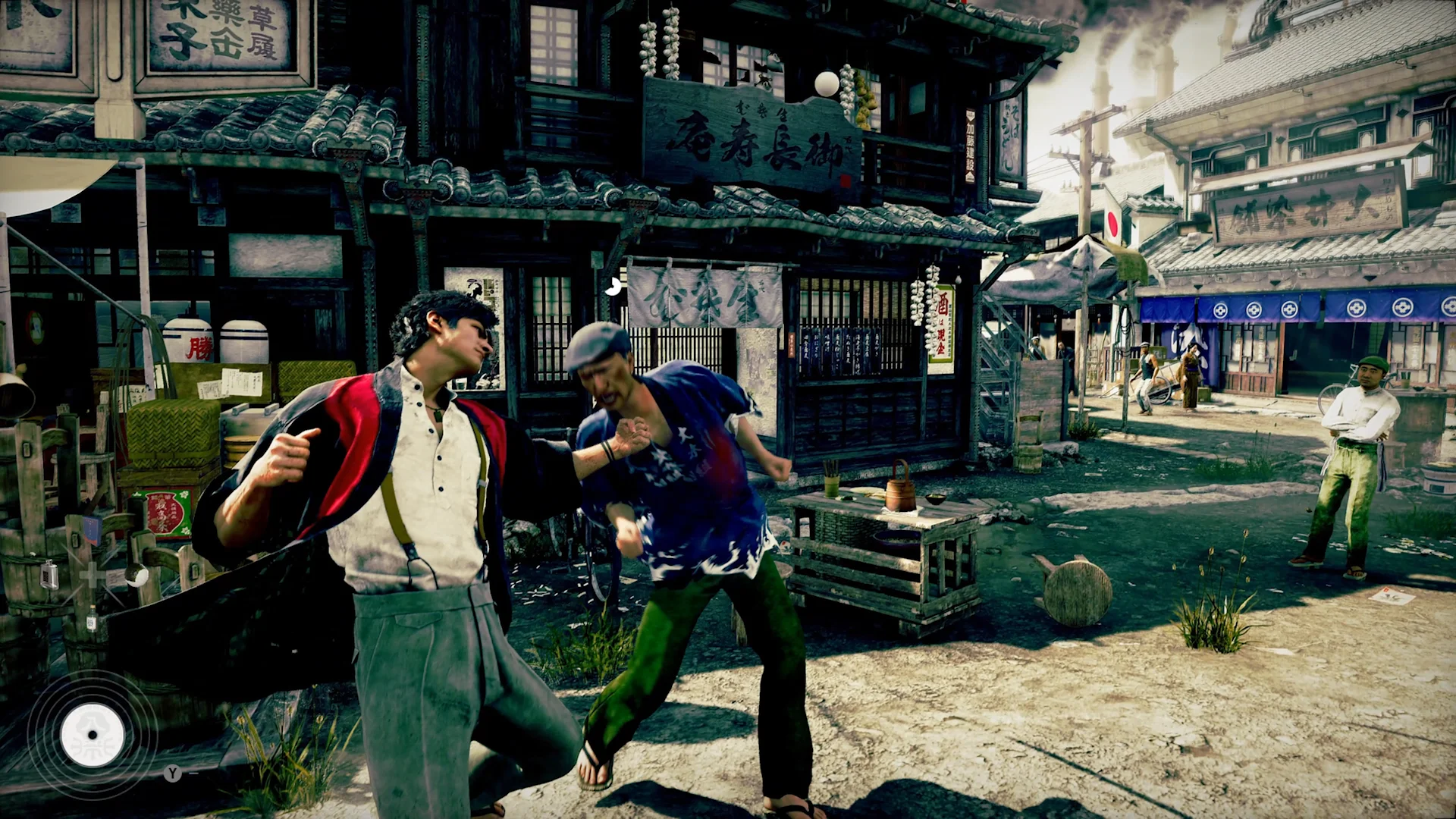
The third and most difficult encounter was a one-on-one duel against an aged swordsman. Mashing, as I can do in most Like a Dragon games, got me promptly blocked and slashed. I had to whip out some blocks and counterattacks of my own, pipe-style, to whittle down the enemy’s circular health bar from blue to yellow to red, after which I could semi-stagger him and perform an execution attack.
It’s odd to say, but the leaden speed of the combat made me think more of For Honor or even Monster Hunter. It’s a flavour that old Yakuza diehards may hesitate to adopt, but I appreciate how Stranger Than Heaven differentiates itself. There’s a reason it forgoes the Like a Dragon moniker, and yet it feels like the best jumping-on point for the series since Yakuza 0. After a handful of battles, I still felt clumsy at the game, but that only suggested to me the greater depth Stranger Than Heaven may demand from players.
Stranger Than Heaven releases January 15th, 2027 on Xbox Series X|S, PlayStation 5, and PC via Steam.
Stranger Than Heaven at TGS 2026
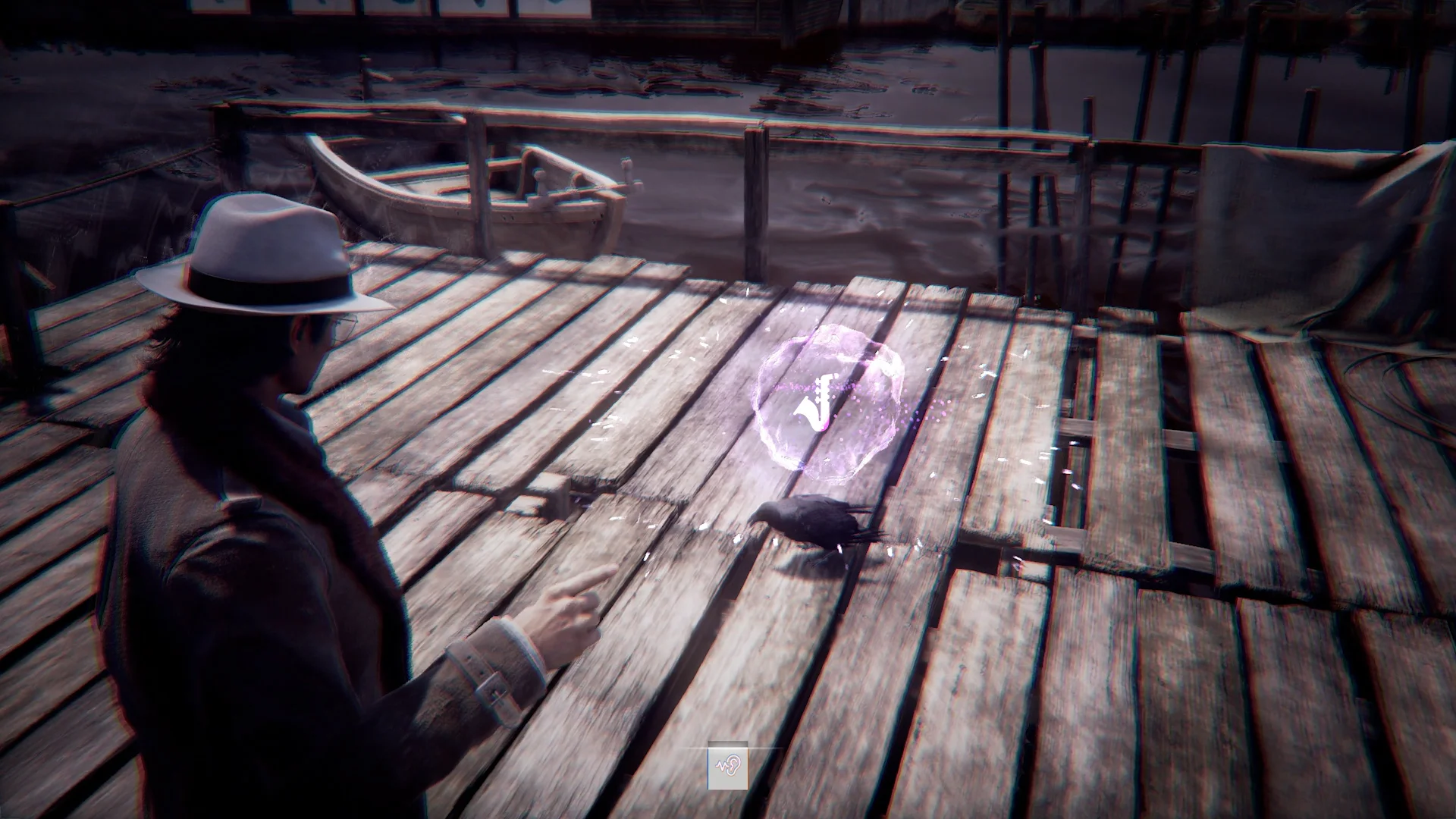
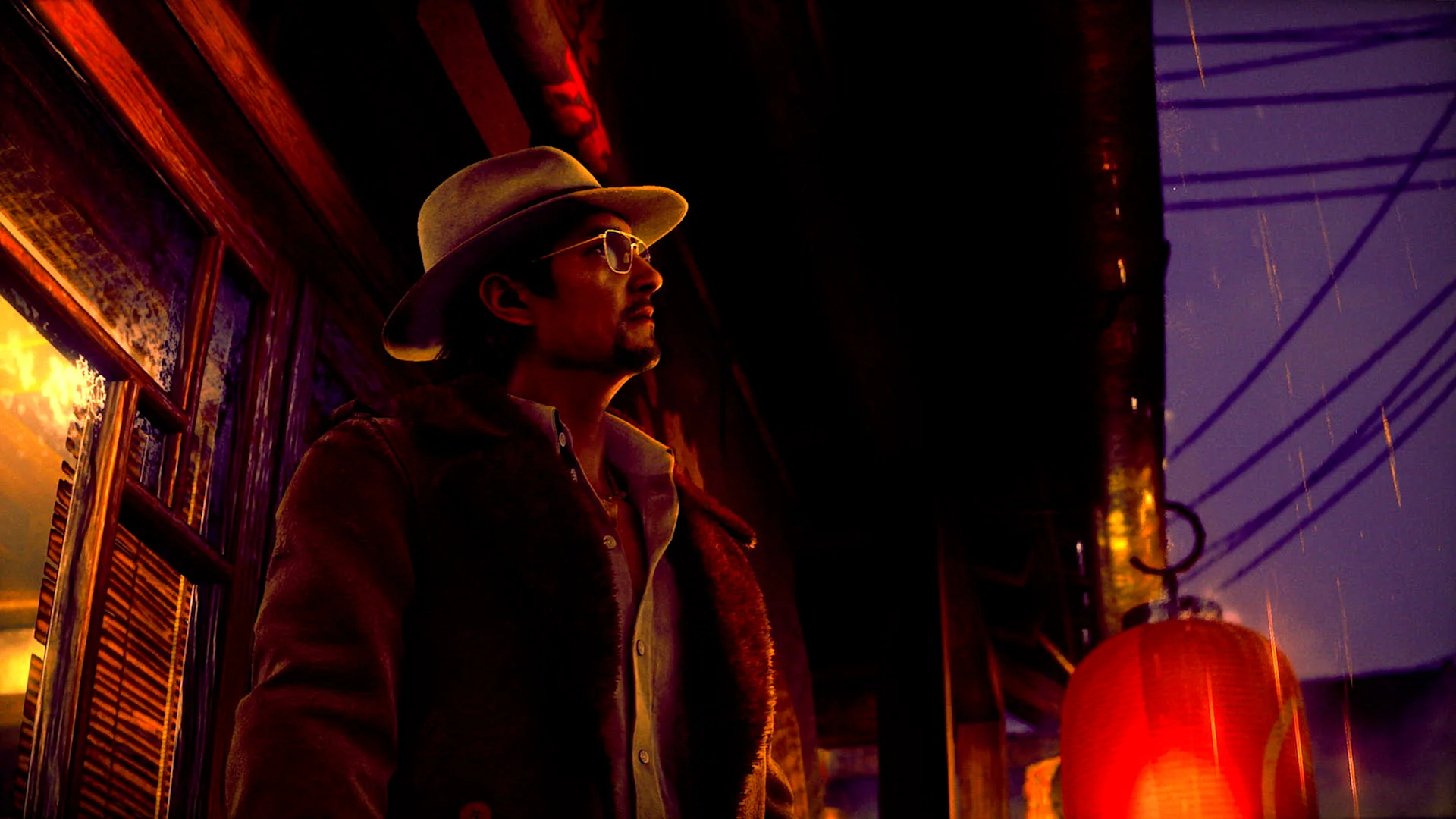
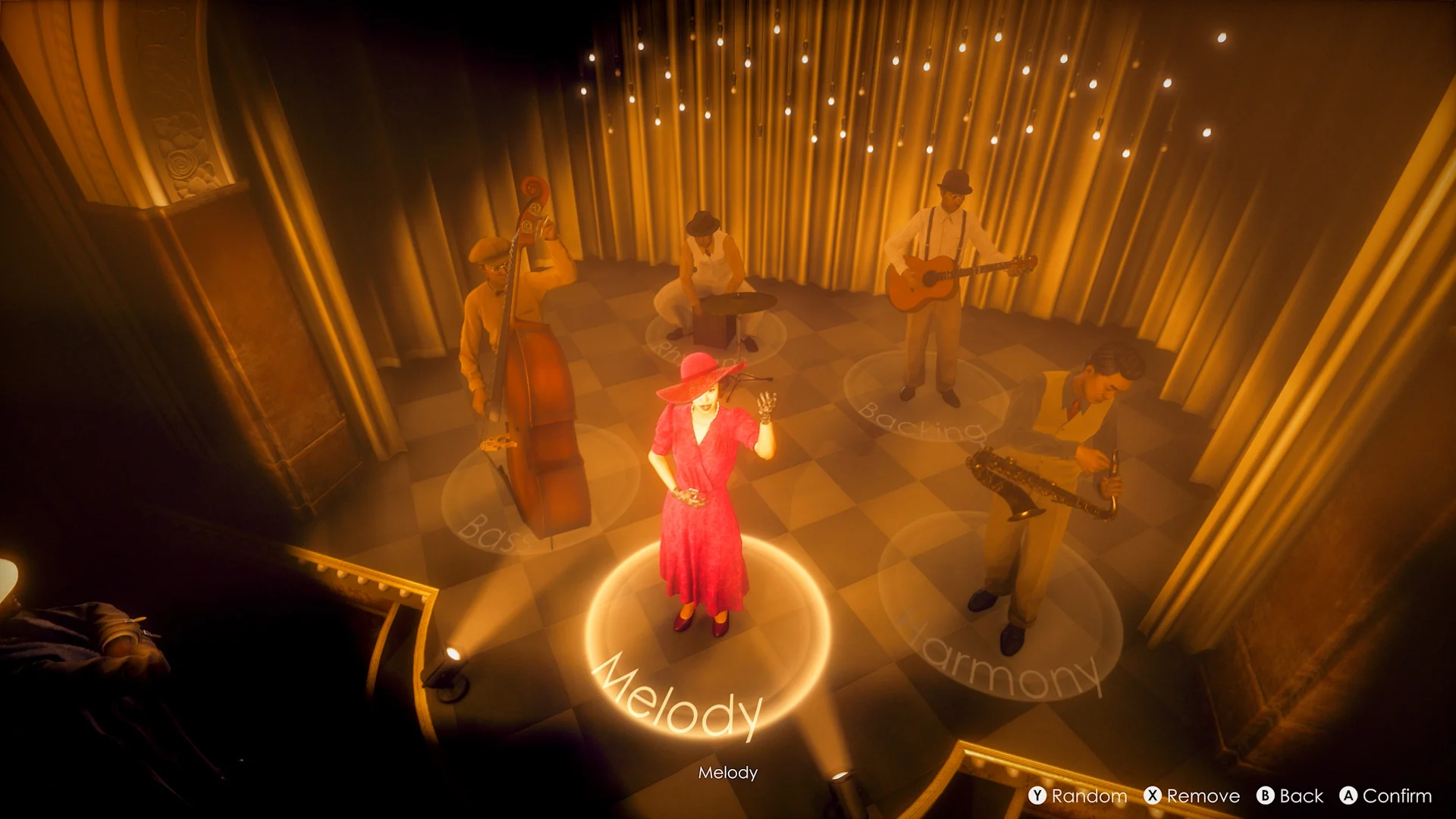
Stranger Than Heaven – TGS 2026 Screenshots


Leave a Reply
You must be logged in to post a comment.