

People around the world would certainly know Kodansha best for the manga they publish, including iconic series like Akira, The Ghost in the Shell, and Attack on Titan. What more people should recognize, however, are the many “Labs” Kodansha has built—that is, development departments with the goal of supporting new creators across a variety of mediums, including digital art, cinema, video editing, design, VR development, and, you guessed it, games.
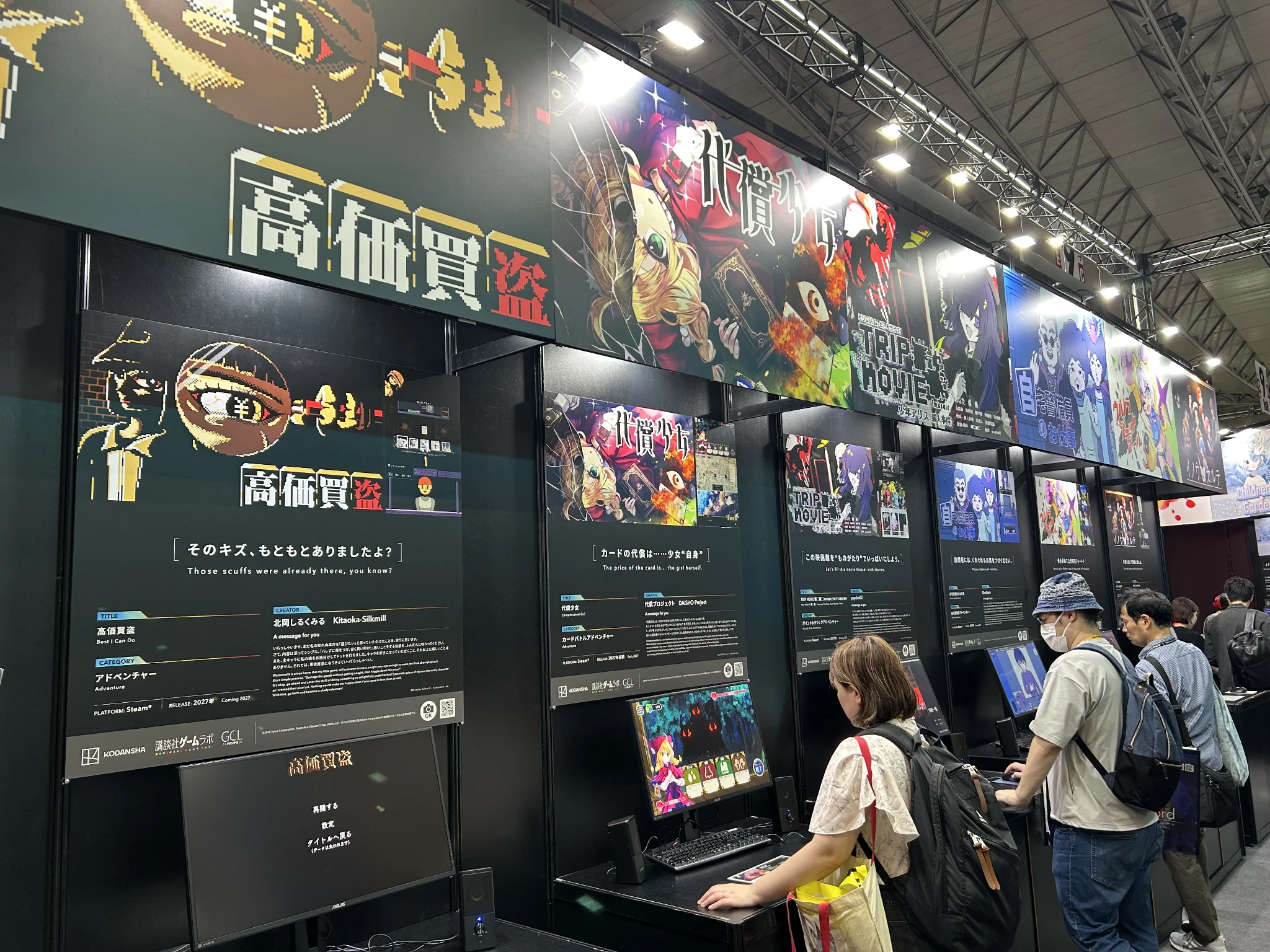
Kodansha Game Lab had a sizable presence in the indie halls at Tokyo Game Show 2026, with over a dozen games across an eclectic range of genres and styles. I got hands-on with several of these games, some outside RPGFan’s coverage, so I’d like to shout out just a few.
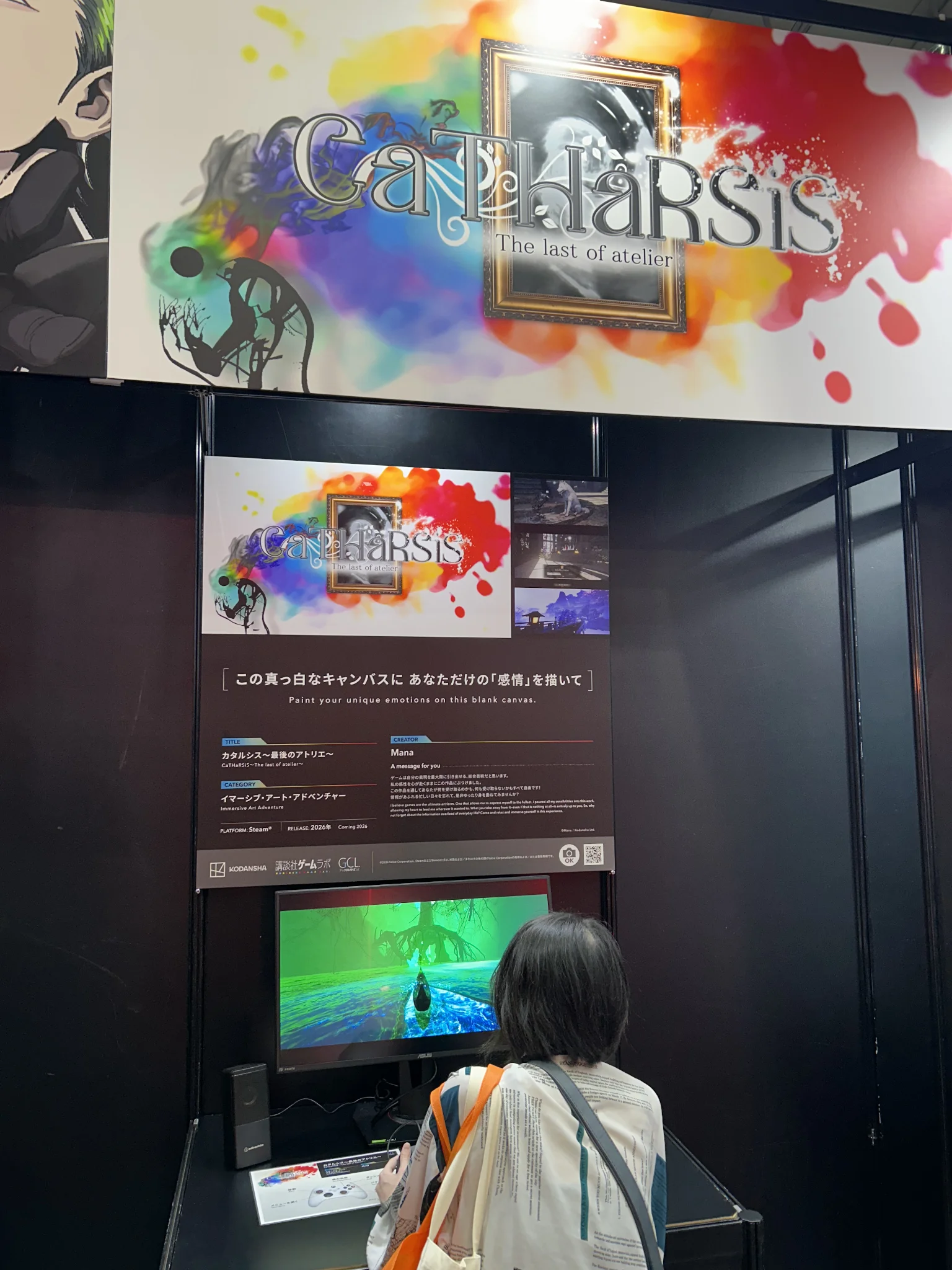


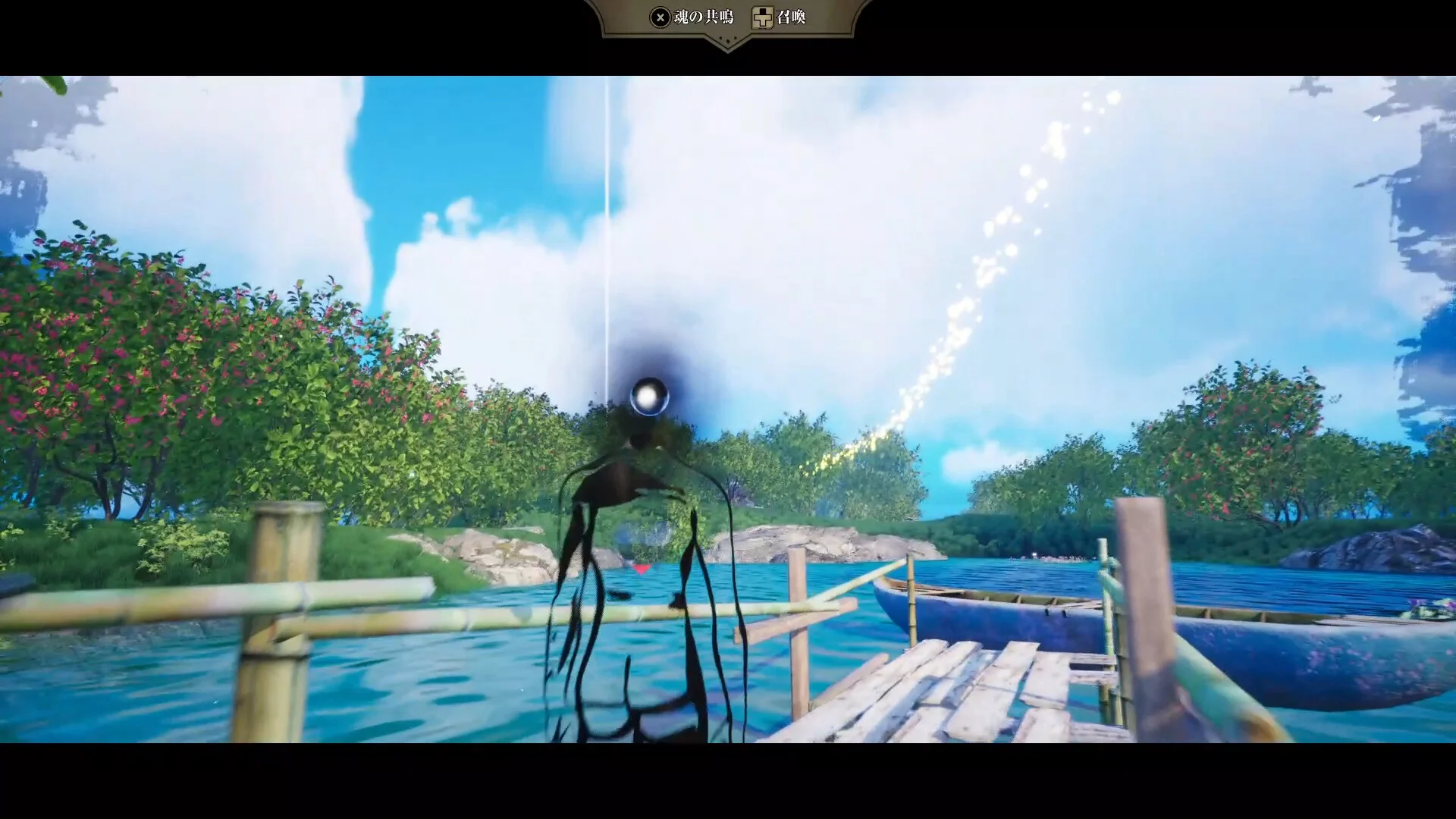
First, CaTHaRSiS〜The last of atelier〜, created by an artist named Mana, is a surreal walking simulator adventure in which players step into paintings à la Super Mario 64 and navigate a variety of worlds and aesthetics through unique movement designs. In my short demo, I canoed through a lush, impressionistic jungle that reminded me of Japan’s teamLab digital/interactive art museums. It’s very much a style-over-gameplay experience, not unlike Tokyo Stories, another title I demoed at TGS. CaTHaRSiS ~The last of atelier~ is slated for a PC release via Steam, with a tentative late 2026 release date.
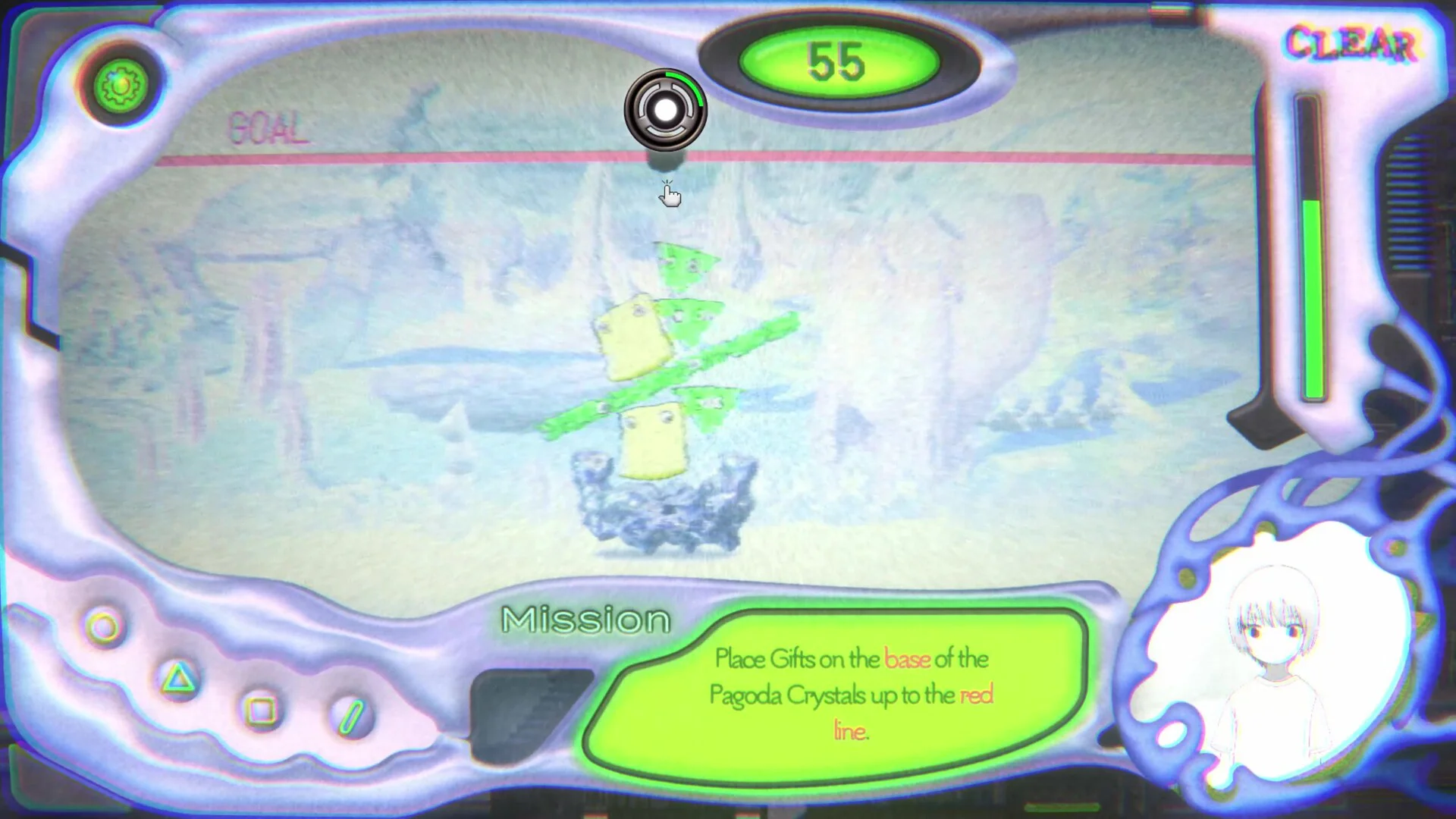
Another game I trialed, unlike any I’d ever played, was Children’s Garden by “Kenkoh-Kikoh,” contemporary artist Shinobu Shishikura. Based on the Japanese folktale of “Sai no Kawara,” the Sisyphean purgatory where children too young for the afterlife spend eternity stacking block towers, you contact a child in need via a computer’s Reincarnation Ethics Program and help them through block-stacking puzzles of various shapes and heights.
Most of the game revolves around uncovering the strange and dark lore of the children on the other side of the computer, and it’s all presented in a strikingly nostalgic Cyber Y2K interface—electric blues, chromes, jelly colours. Children’s Garden is also set for a PC release this year via Steam, where you can play a demo of it now. Its visual concept definitely deserves a look.

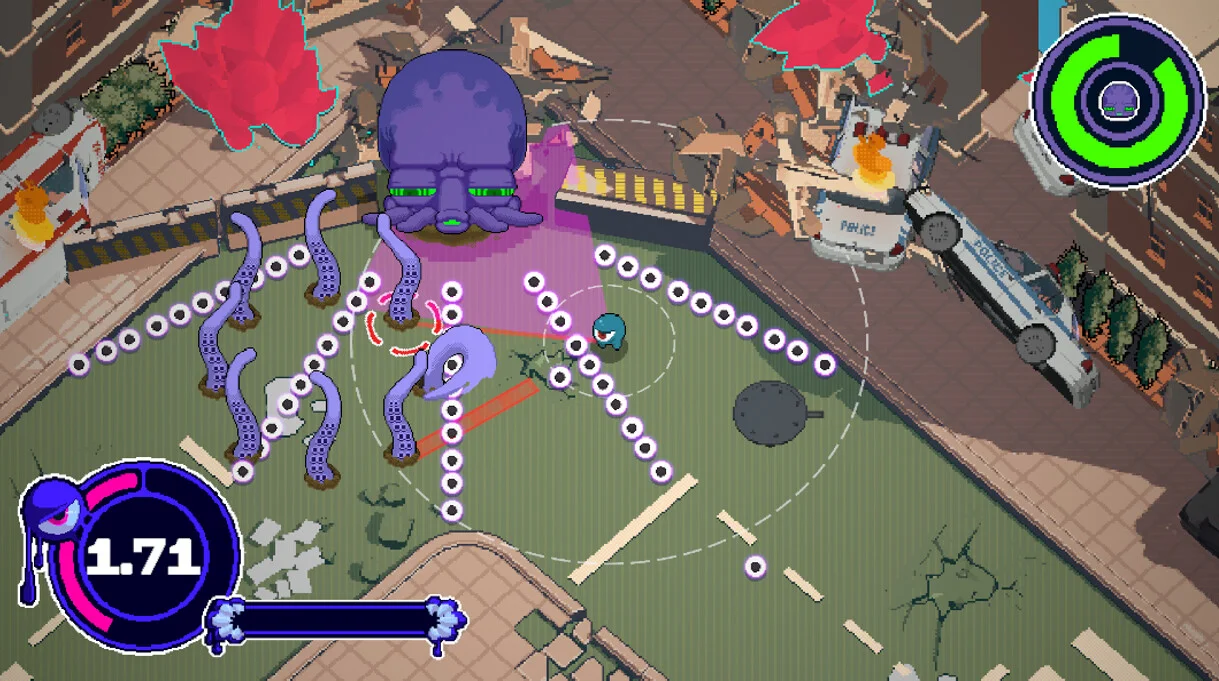
Elsewhere at Kodansha Games Lab, I saw BUZZ or DIE, a Danganronpa-like visual novel/mystery game where you compete for audience Likes with opponents by extracting entertaining content from those same opponents’ minds. Finally, 4DEAD is a pixelated isometric roguelite where you, a one-eyed monster, must consume enemies every four seconds or else… you’re dead.

Late Fee Girls
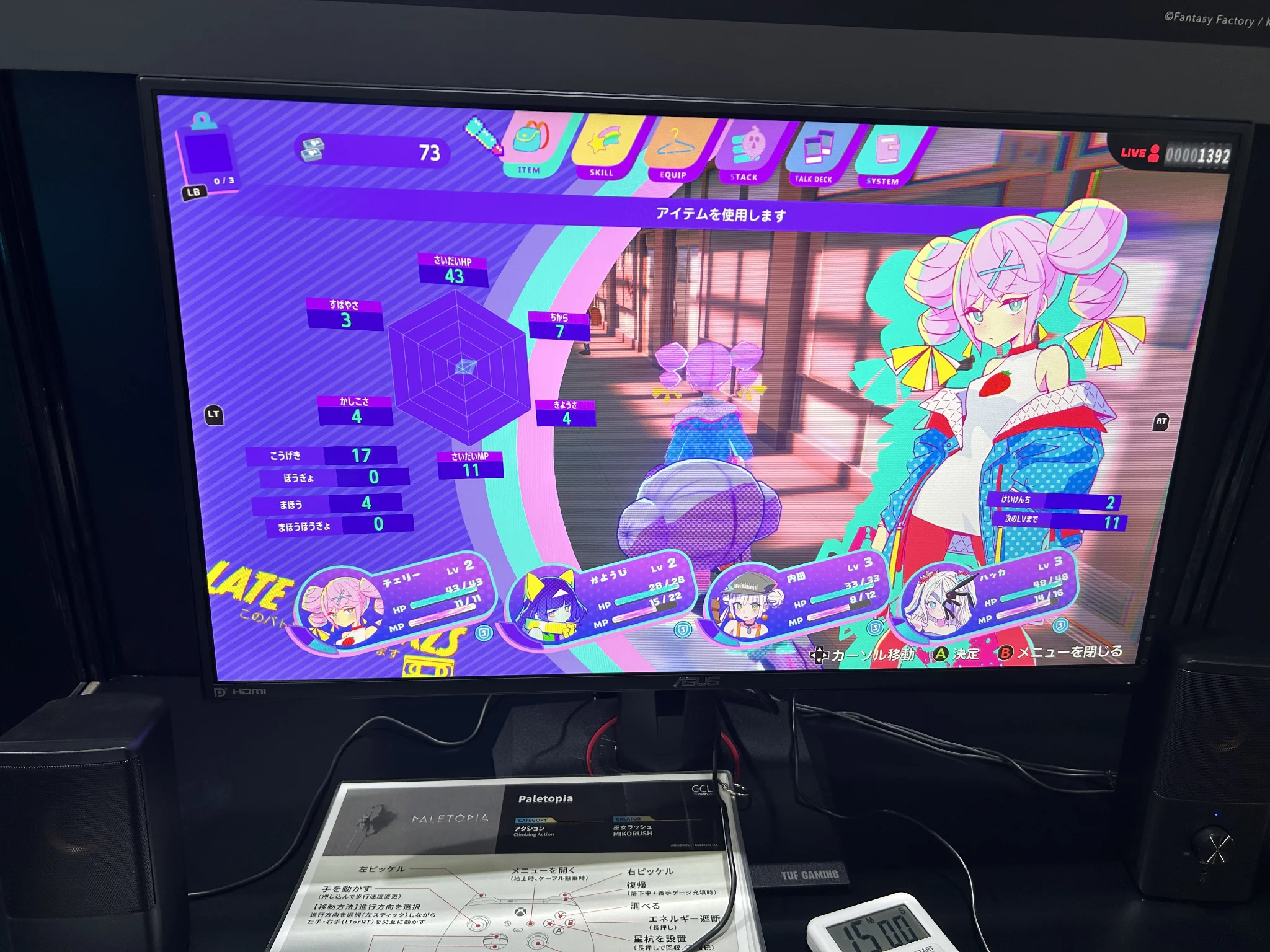
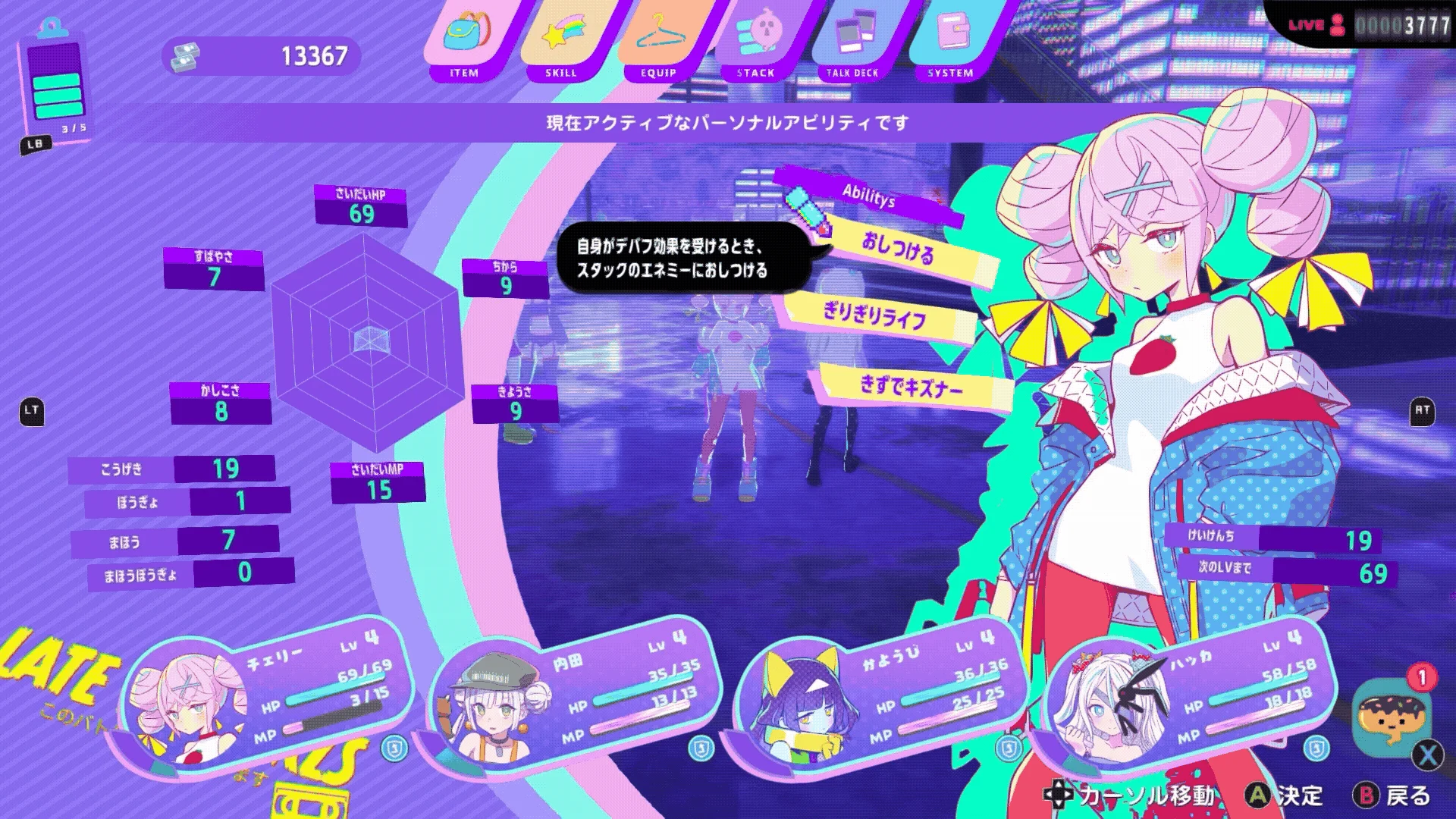
There were many other cool, niche titles, but the one that was sure to excite RPG players the most was Late Fee Girls, designed by Urimo. You play as a party of Harajuku-style girls who stream their exploits of exorcising evil spirits from cursed video tapes. There are bright, bubblegum colours in the Tokyo overworld and obvious Persona influences in the dungeon crawling and combat, but the game is also packed with a ton of ideas I’d never seen in a turn-based JRPG.
After puzzling my way through a school full of clues about a cursed tape, including heavy use of in-game phone apps (paranormal cameras, social media services, and even an expanded retro Dragon Quest-like RPG), I entered the crystalline world of the tape. Running through the maze, I encountered floating ghost and marionette-like enemies that, when we engaged, could be “Put Off” with the push of a button—hence the game’s Japanese title: Kono Battle wa Ato de Yarimasu (“I’m Gonna Do This Battle Later”).
That’s right, I could save a handful of enemy battles in a sort of limited battery. Opening the battery, you can mix and match enemy types to battle the groups you want for certain rewards. Much of your party’s progression revolves around finding the right “recipes” of monster team compositions and wiping them out for the subsequent rewards.
Late Fee Girls Screenshots
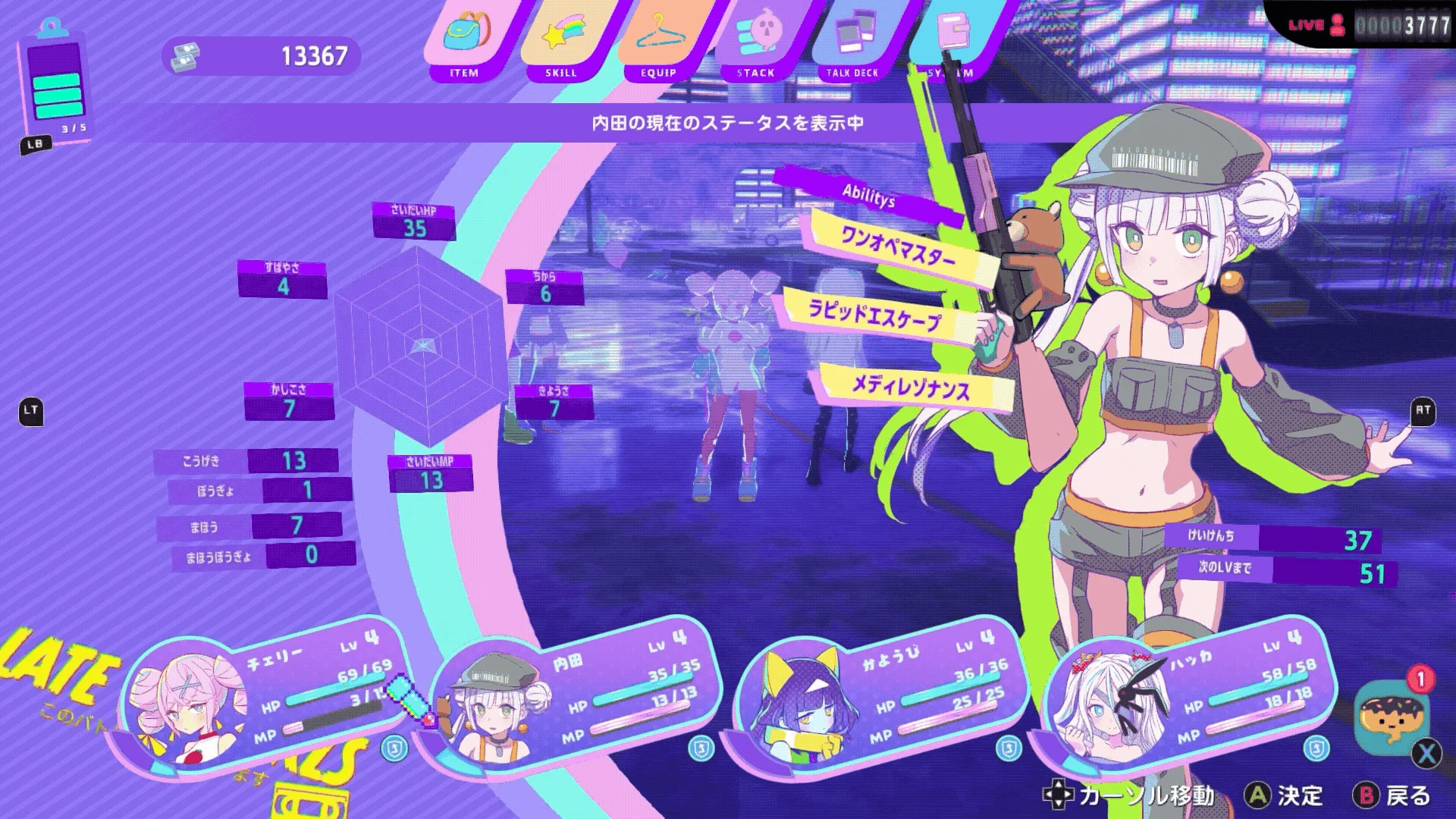
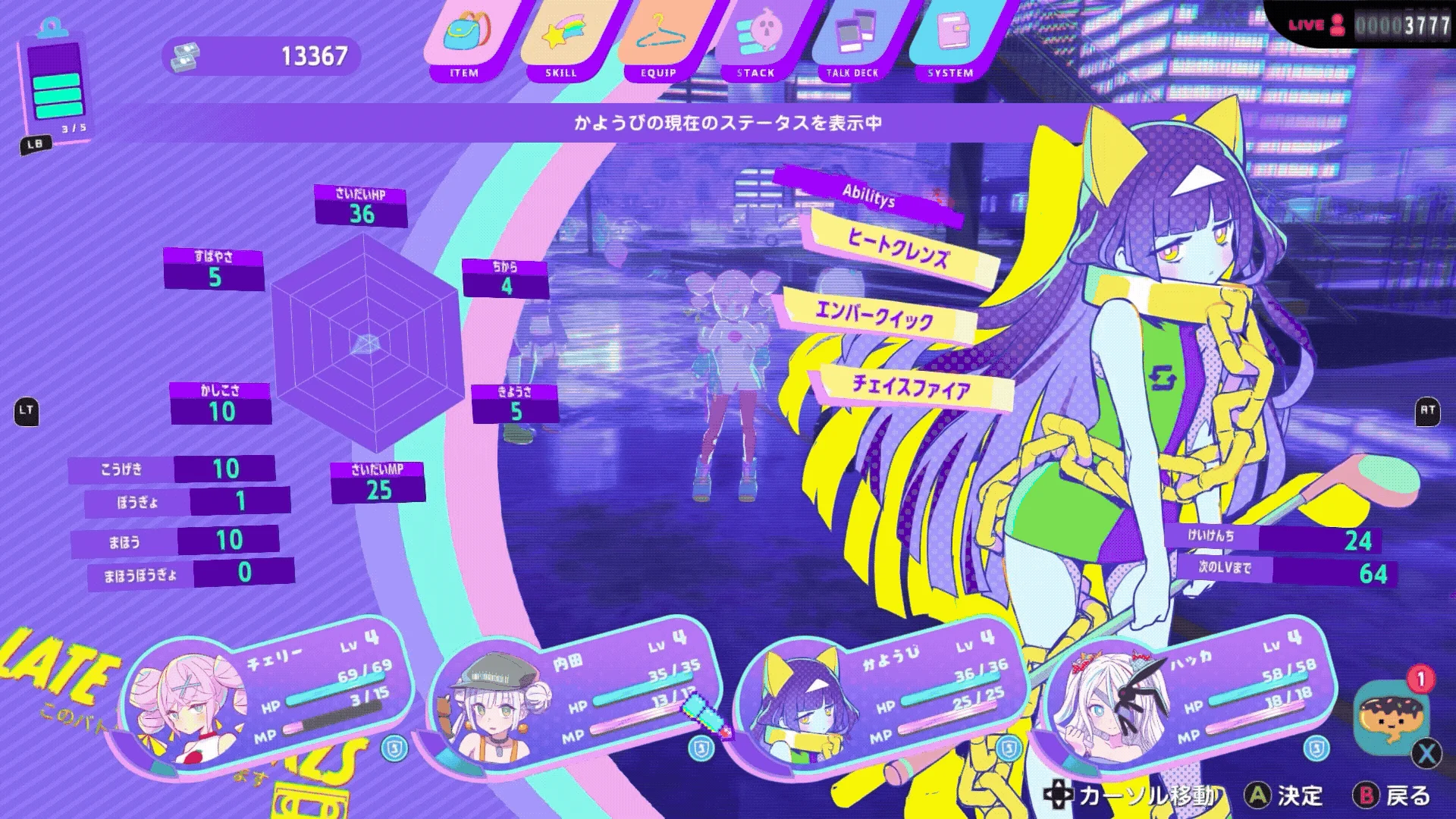
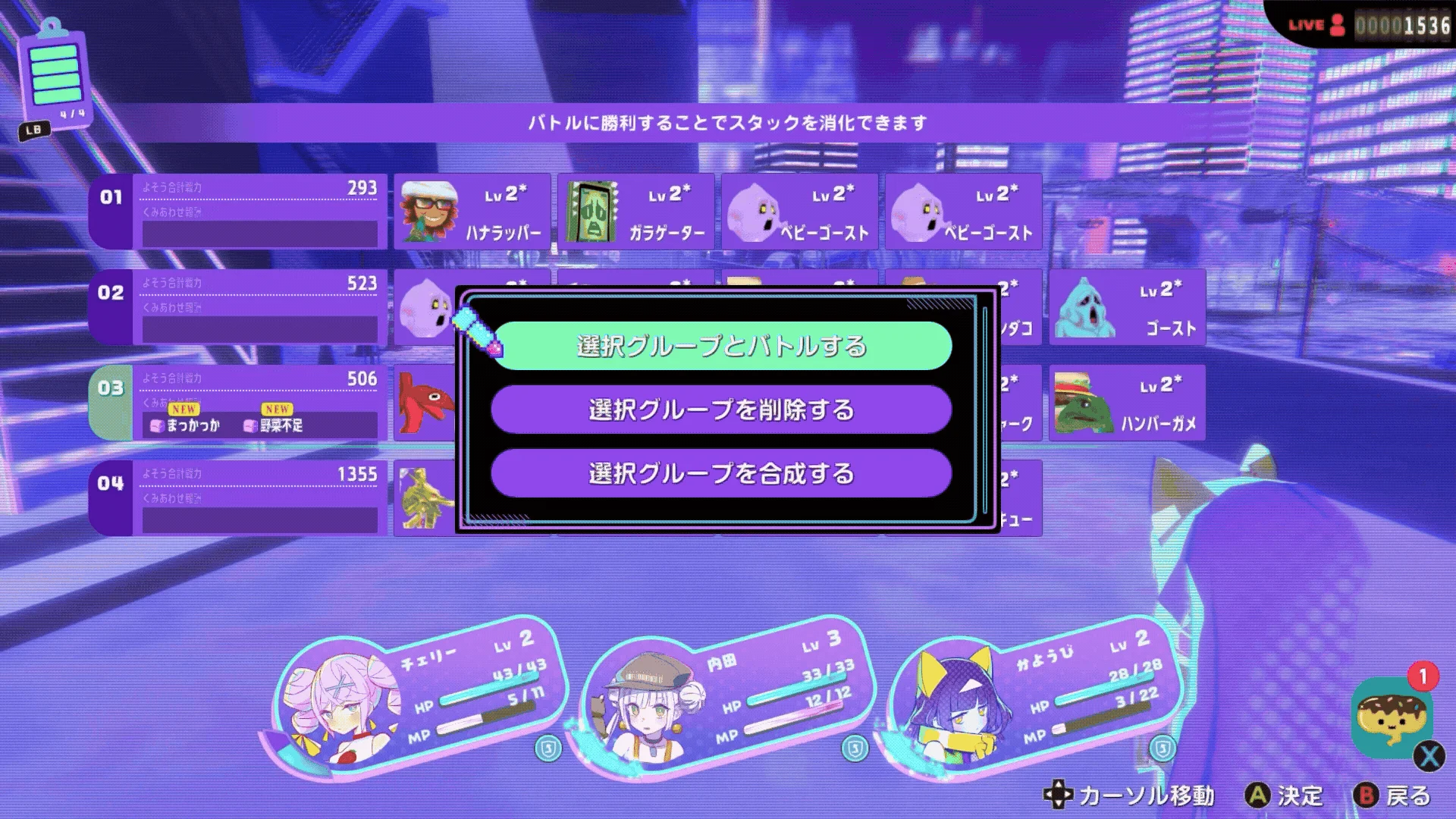
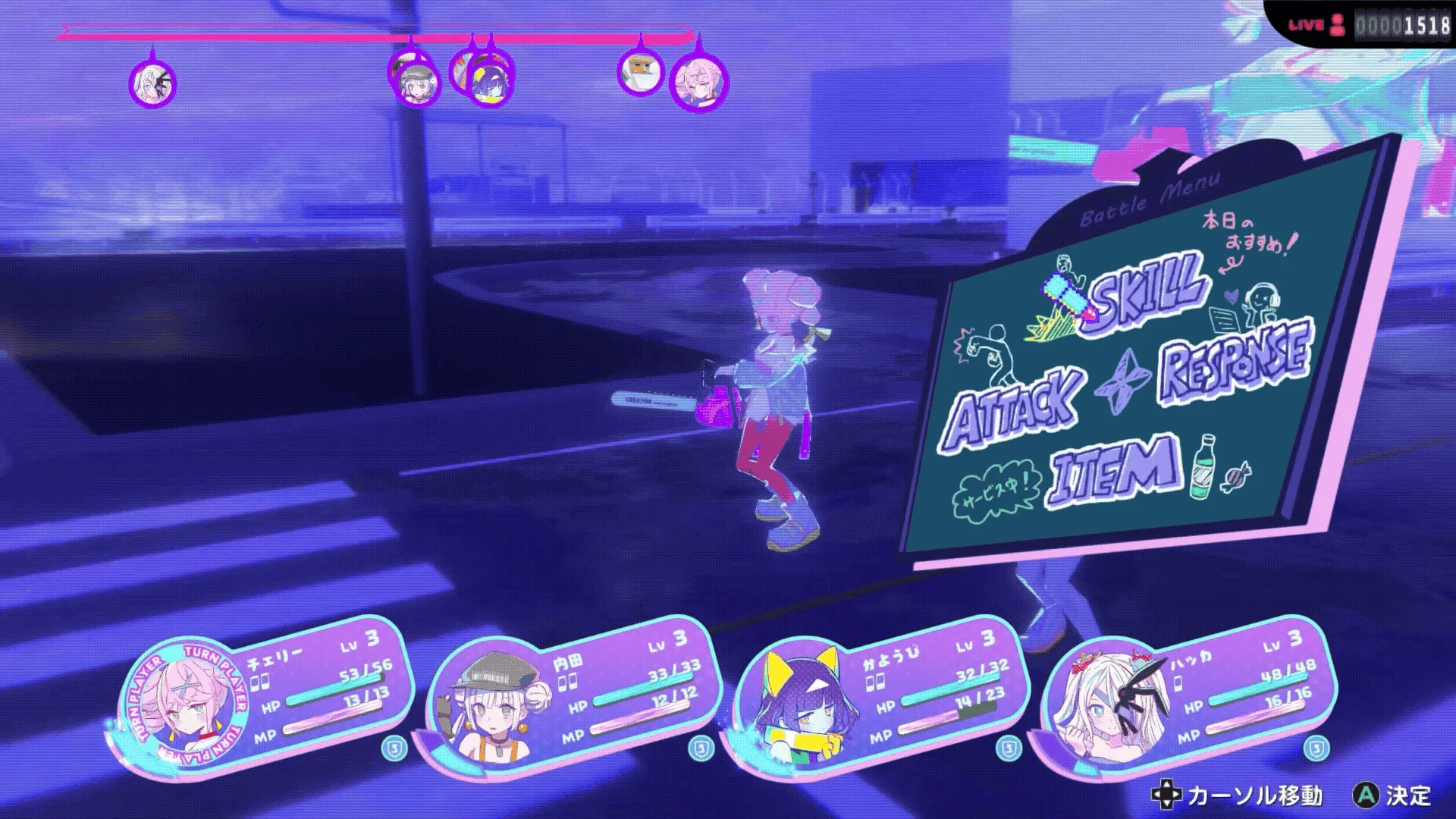
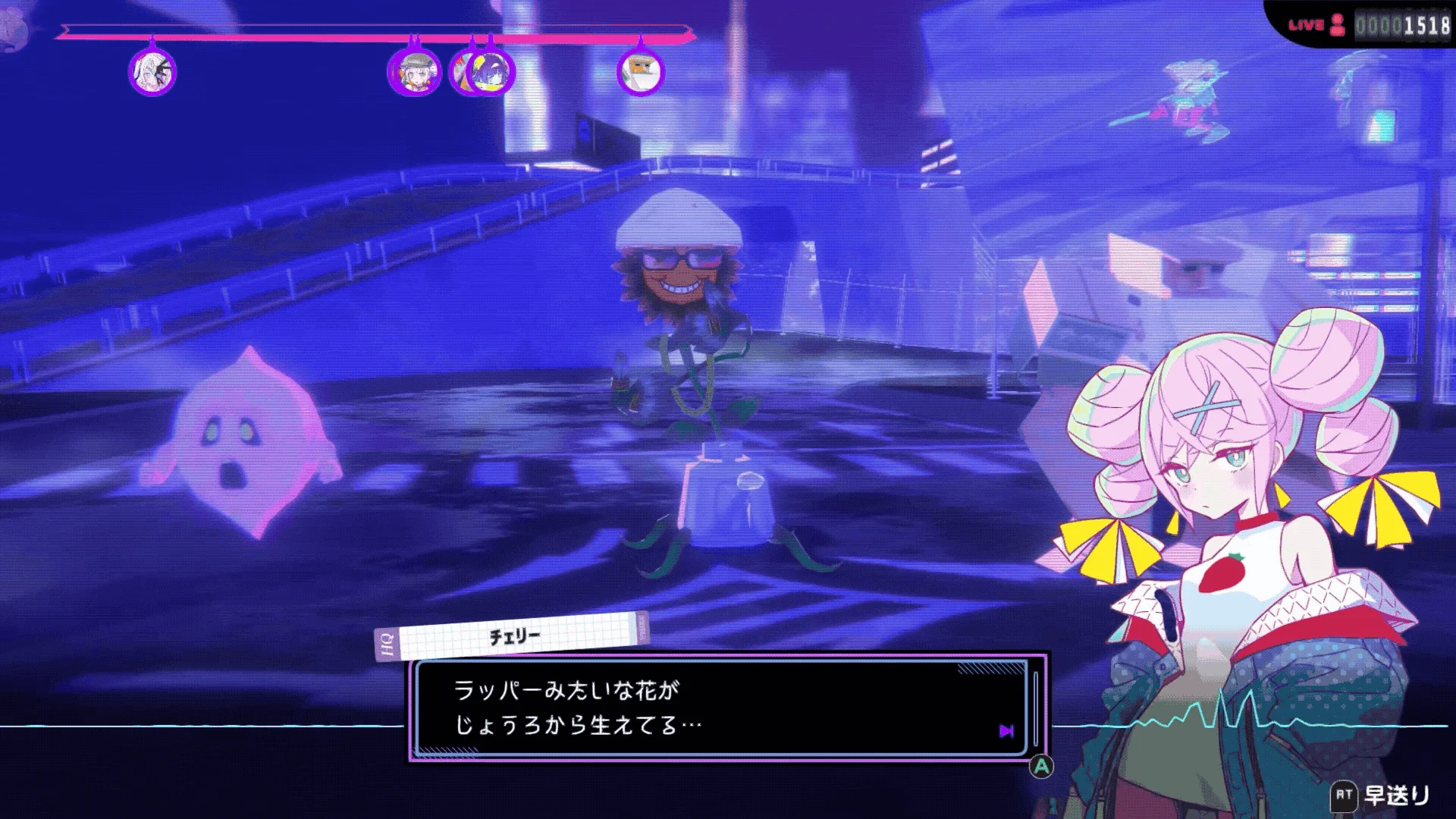
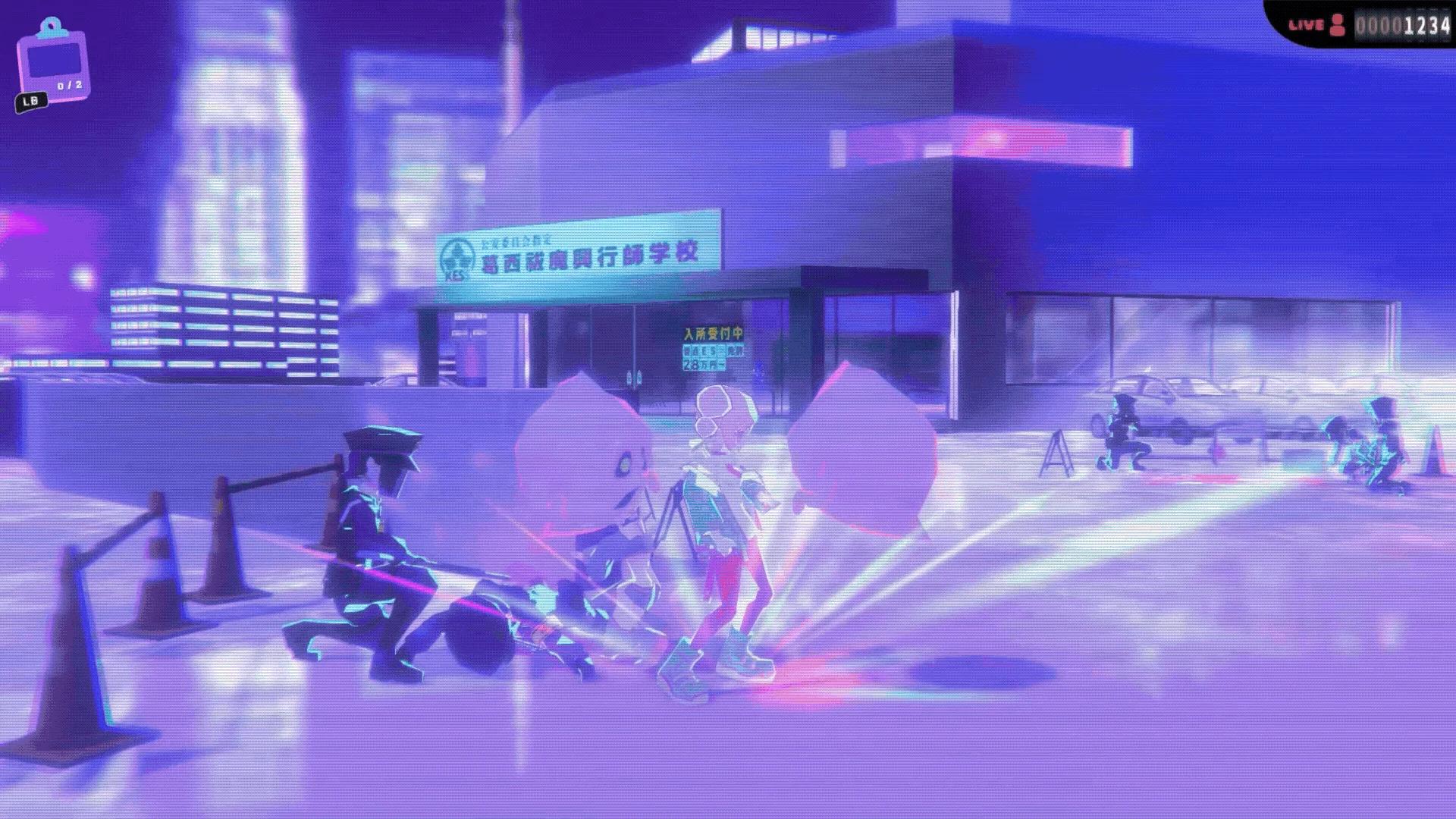
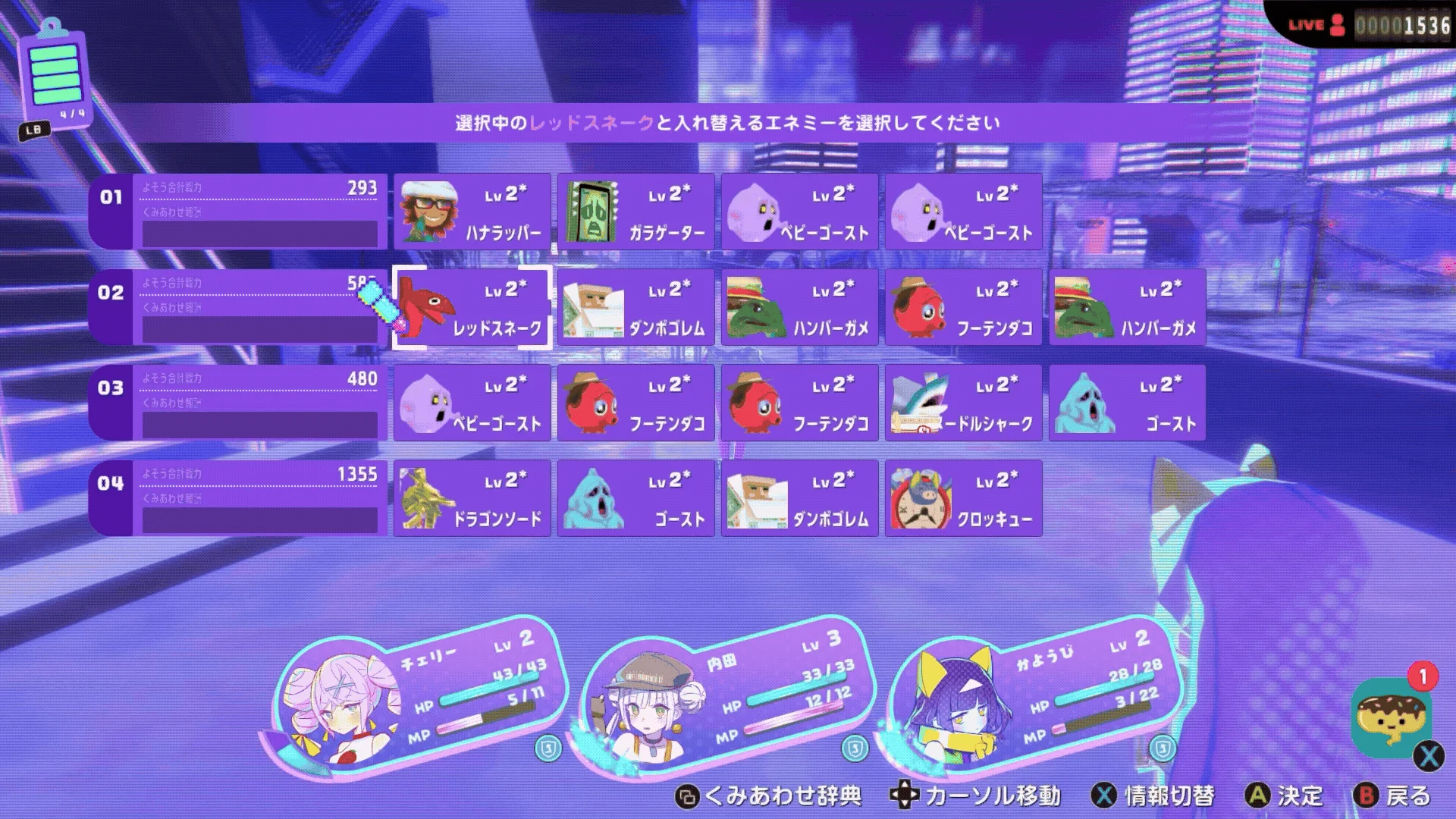
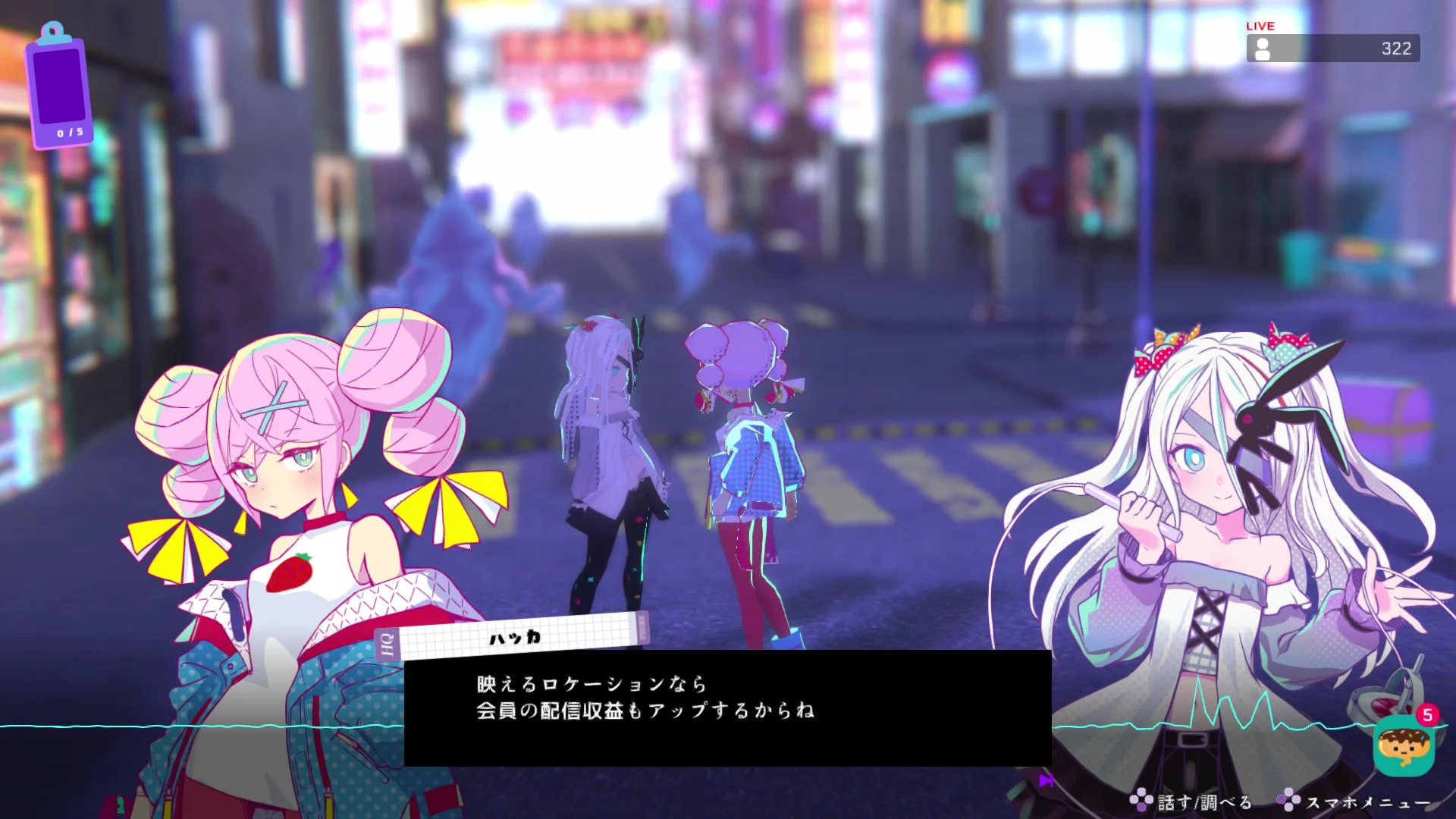
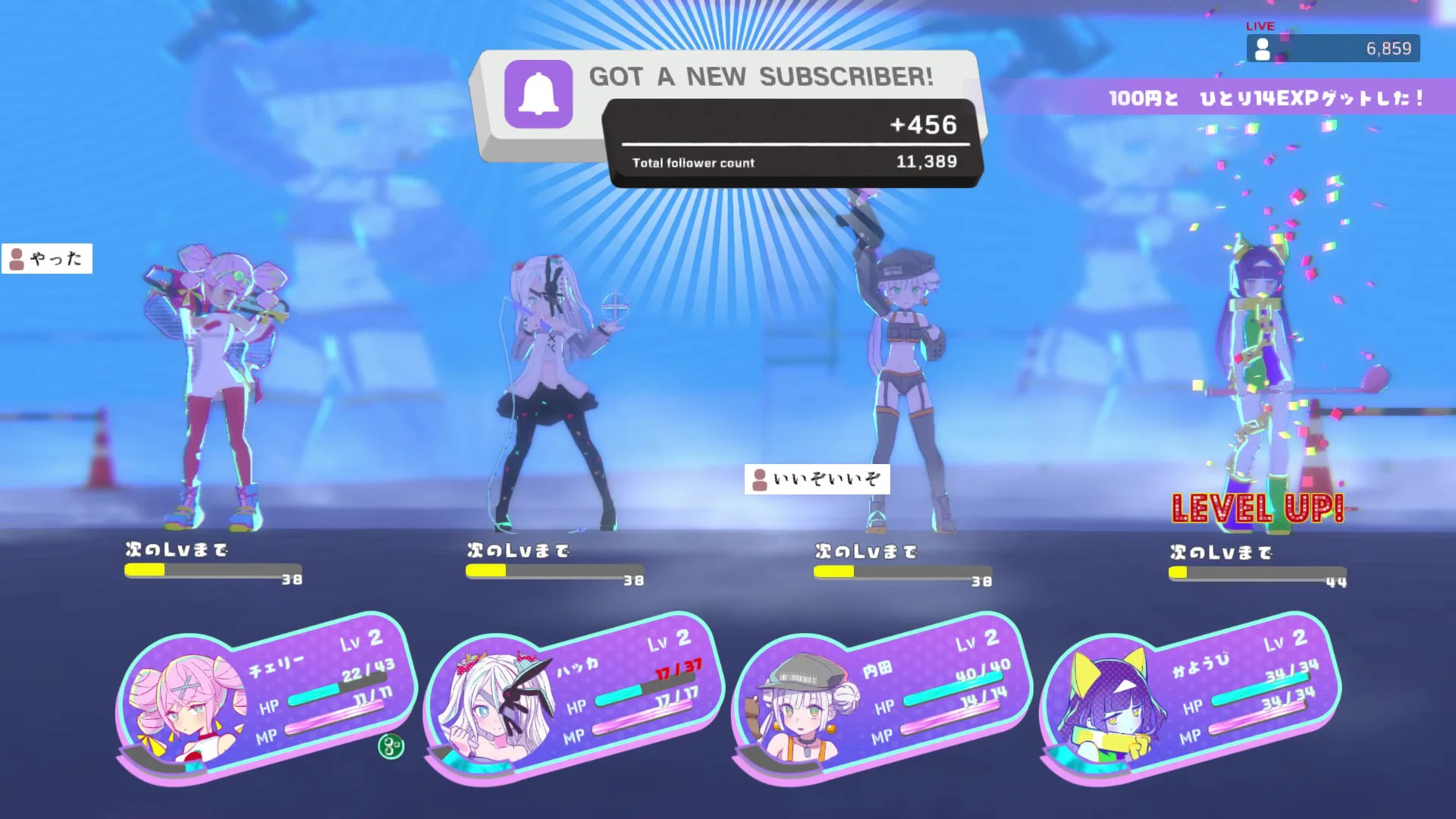
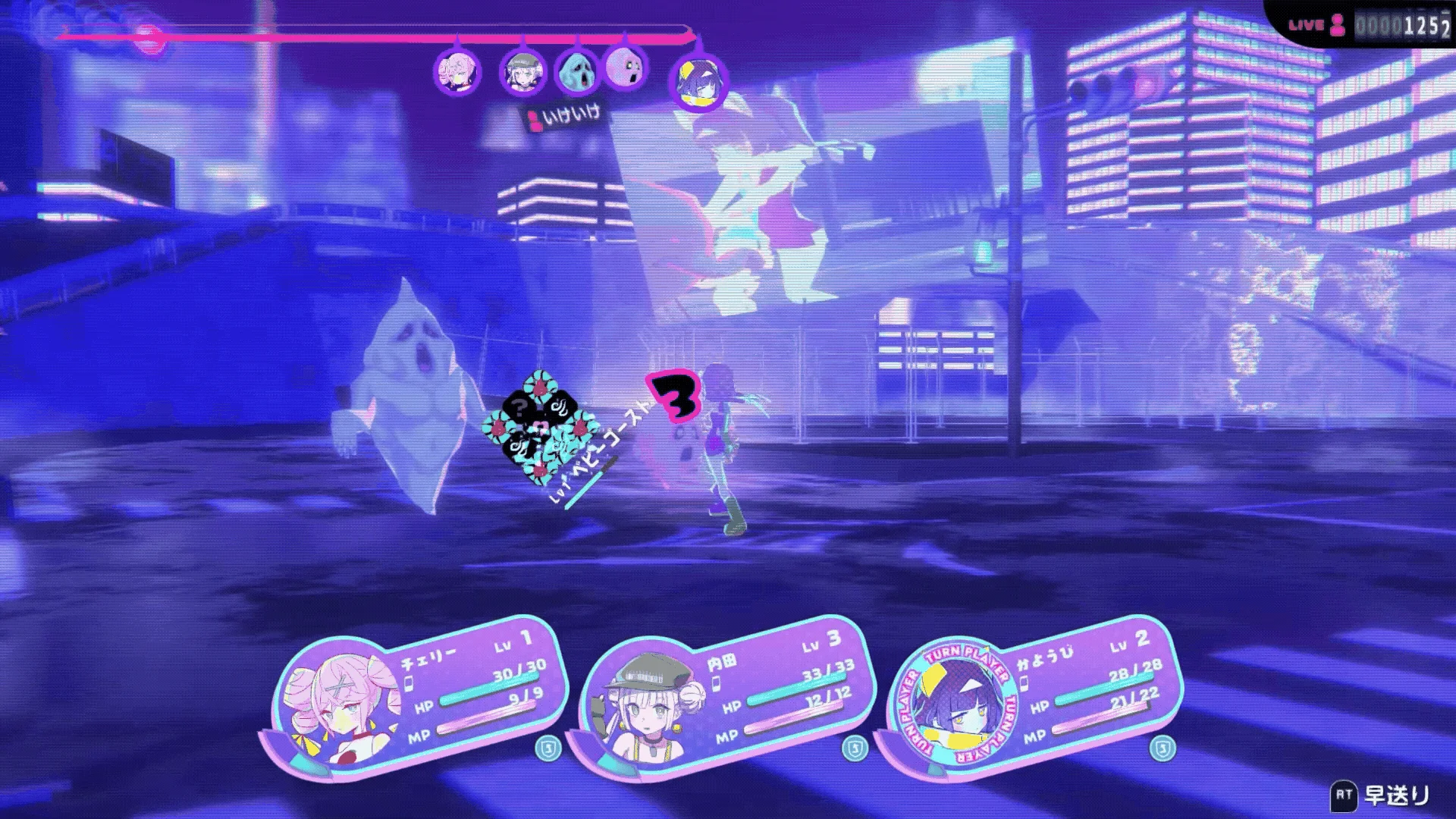
If that weren’t fresh enough, enemy weaknesses during combat are displayed on a diagonal array of squares. Attack with, say, fire or guns, and certain enemies’ corresponding squares will shatter (see the last screenshot above). Shatter a full line of squares and the enemy is stunned. The staff on hand jokingly labeled this panel system the “Bingo Break” system, which I thought was a brilliant name.
Remember, everything in Late Fee Girls streams to the girls’ fanbase, so your follower count stands in for traditional leveling. As you battle, follower reactions and advice will zip across the screen as comments—“Close one!” someone said as a ghost smacked one girl’s health into the red.
As fresh as everything was conceptually, I felt the combat pace was a bit sluggish, so I hope they can iron things out closer to release. With a bit more tweaking, I think Late Fee Girls will be a game you won’t want to return. [Editor’s Note: This is a reference to video rental stores. Ask your parents about them if you’re confused!]
Late Fee Girls is only set for a PC release via Steam, though no Steam page is yet available. The demo I previewed was in Japanese, but multiple languages are promised. I also played on an Xbox gamepad, so one would hope the game comes to consoles as well when it drops in its projected 2027.


Leave a Reply
You must be logged in to post a comment.