
We recently had the privilege to do interviews with both Naoki Hamaguchi, the Director of Final Fantasy VII Remake and Final Fantasy VII Rebirth, and Teruki Endo, the Battle Director for both titles. When you’re done with this article, don’t forget to also check out our Teruki Endo interview.
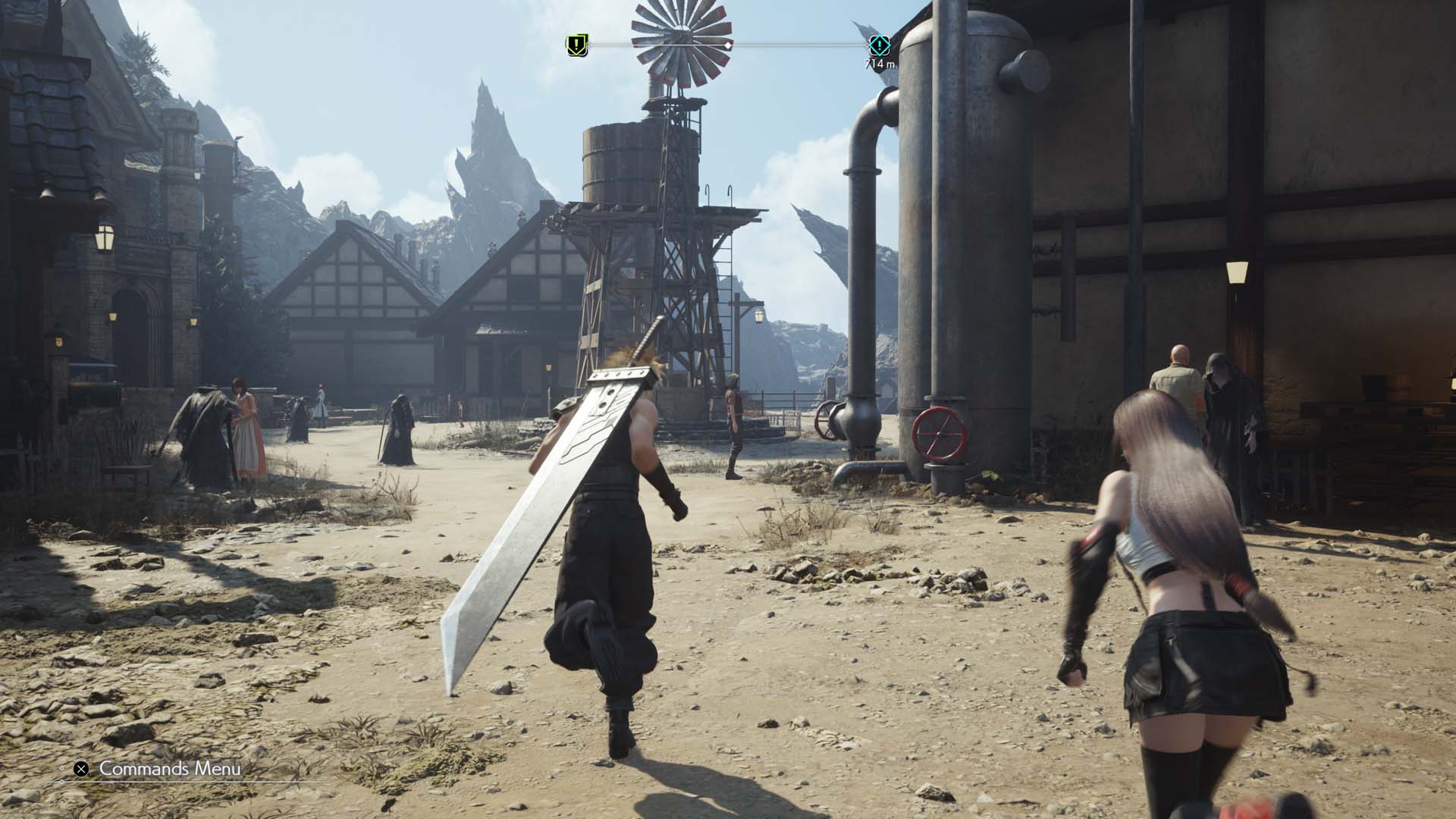
RPGFan: I only got to play a small portion of Final Fantasy VII Rebirth on the Switch 2, but it looked great in handheld mode. Were there any technical hurdles that you faced when porting the game due to the Switch 2’s handheld mode?
Hamaguchi: Something we consistently kept in mind during the Switch 2 version’s development was “a port that properly stands on its own, not a magical port.” From the outset, we decided we wouldn’t make any choices that would lead to a difference in gameplay quality simply because there’s a handheld mode. From there, the biggest challenge was the open-world design of Rebirth. It was evident that the volume of simultaneous world data that needed to be processed within a single frame had reached another level compared to the previous installment. If the game design was linear like Remake, there were certain aspects that could be addressed by adjusting the presentation, but those approaches simply weren’t viable for Rebirth at all. To be honest, this was something that wasn’t easy.
There were times during development where I thought to myself, “Wouldn’t it be easier if I removed this right now?” However, doing so would undermine the very experience we wanted to deliver with Final Fantasy VII Rebirth. Because we felt that way, we chose to reconfigure how the system load was processed from the ground up, rather than simply reducing content. There was no shortcut where a single action was all that it took. We had to identify each issue and address them one by one. It reaffirmed that an experience of this scale can only be realized through that steady cumulative effort. Receiving feedback from players who tried the demo and said they could play comfortably even in handheld mode has honestly been very encouraging. We’ve certainly made use of the experience we’ve gained for the final installment of the trilogy that’s currently in development, and it’s given us confidence as a team.
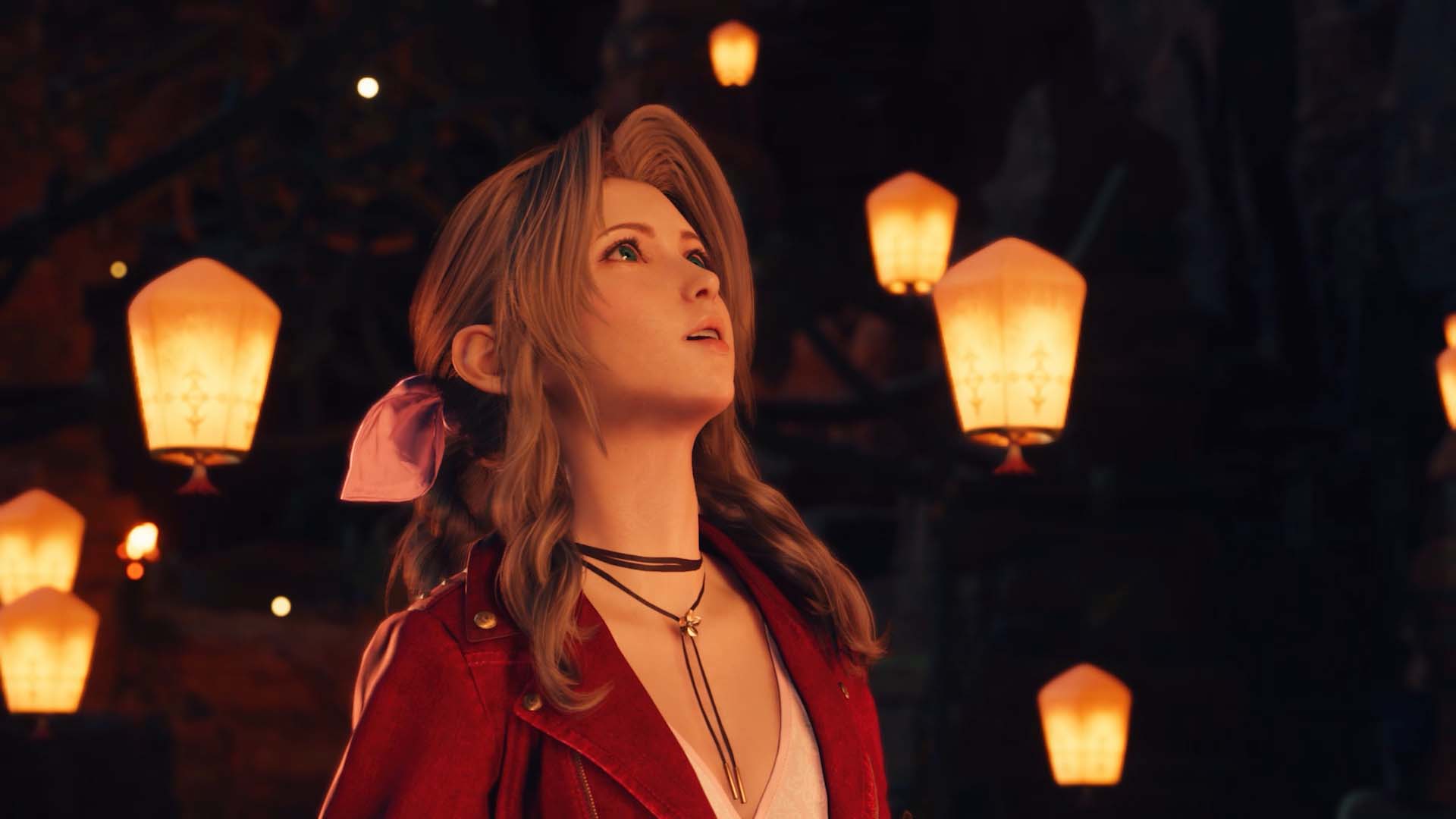
RPGFan: Are there any parts of Final Fantasy VII Rebirth while going back and doing these ports where you thought the strength of a portable system like the Switch 2 really compliments that part of the game? I for one loved Queen’s Blood, and getting to play it on the go is something I am looking forward to.
Hamaguchi: I felt very excited about being able to explore with the world map in hand while playing the handheld mode myself, but Queen’s Blood was something that left just as much of an impression on me. It’s a game you can play even in short sessions, and there’s something fun about reading your opponent’s moves and experimenting with your own strategies. I felt its appeal comes through more authentically by playing on a handheld device.
In fact, we’ve seen various reactions from players, and we get the sense that it’s something that people enjoy more deeply than we imagined as its own content. Queen’s Blood may have established its own special place, even within this game. It’ll also appear in the final installment of the trilogy, with expanded gameplay breadth and depth, and we’d like to continue exploring how to develop the possibility that holds even further.
RPGFan: Some of the minigames in Final Fantasy VII Rebirth used the haptic feedback and adaptive triggers of the PlayStation 5’s Dual Sense controller and were changed a bit to accommodate the PC release. I was curious if there was any point while porting the games to maybe use the Switch 2’s unique functions, such as its mouse mode, to play certain minigames?
Hamaguchi: That was something we certainly considered during the early stages, but from the outset, we chose not to incorporate minigames designed specifically around Joy-Con or mouse controls. This was because we knew that Rebirth would present major technical challenges in terms of processing load, so we prioritized ensuring the overall experience worked in a stable manner rather than adding further complexity within a different aspect.
We are by no means dismissing Joy-Con or mouse controls themselves, however. We see their potential and appeal as input interfaces, so we want to keep a pulse on future Switch 2 titles and consider them, should any instances arise where they provide clear value as input interfaces.
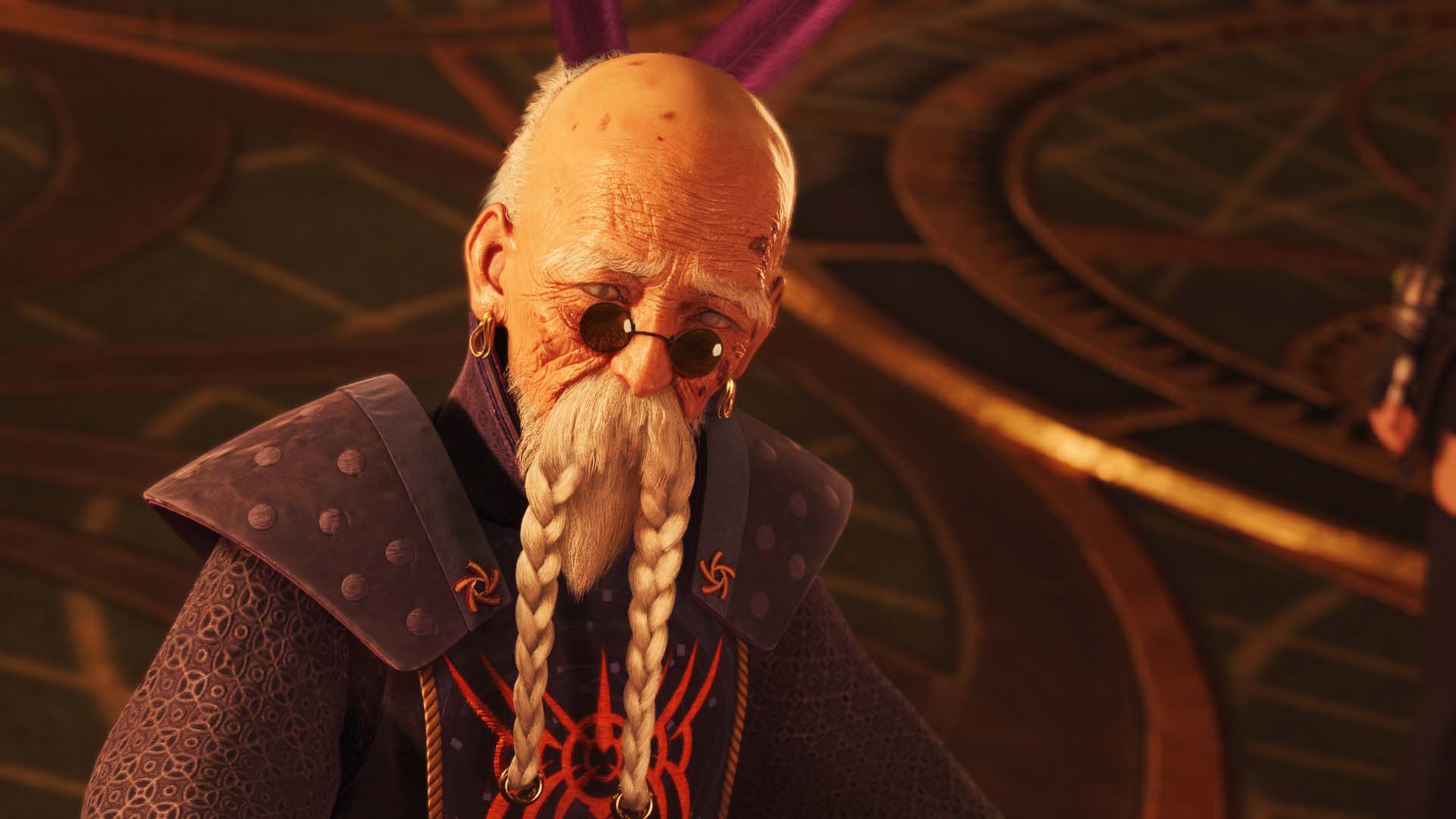
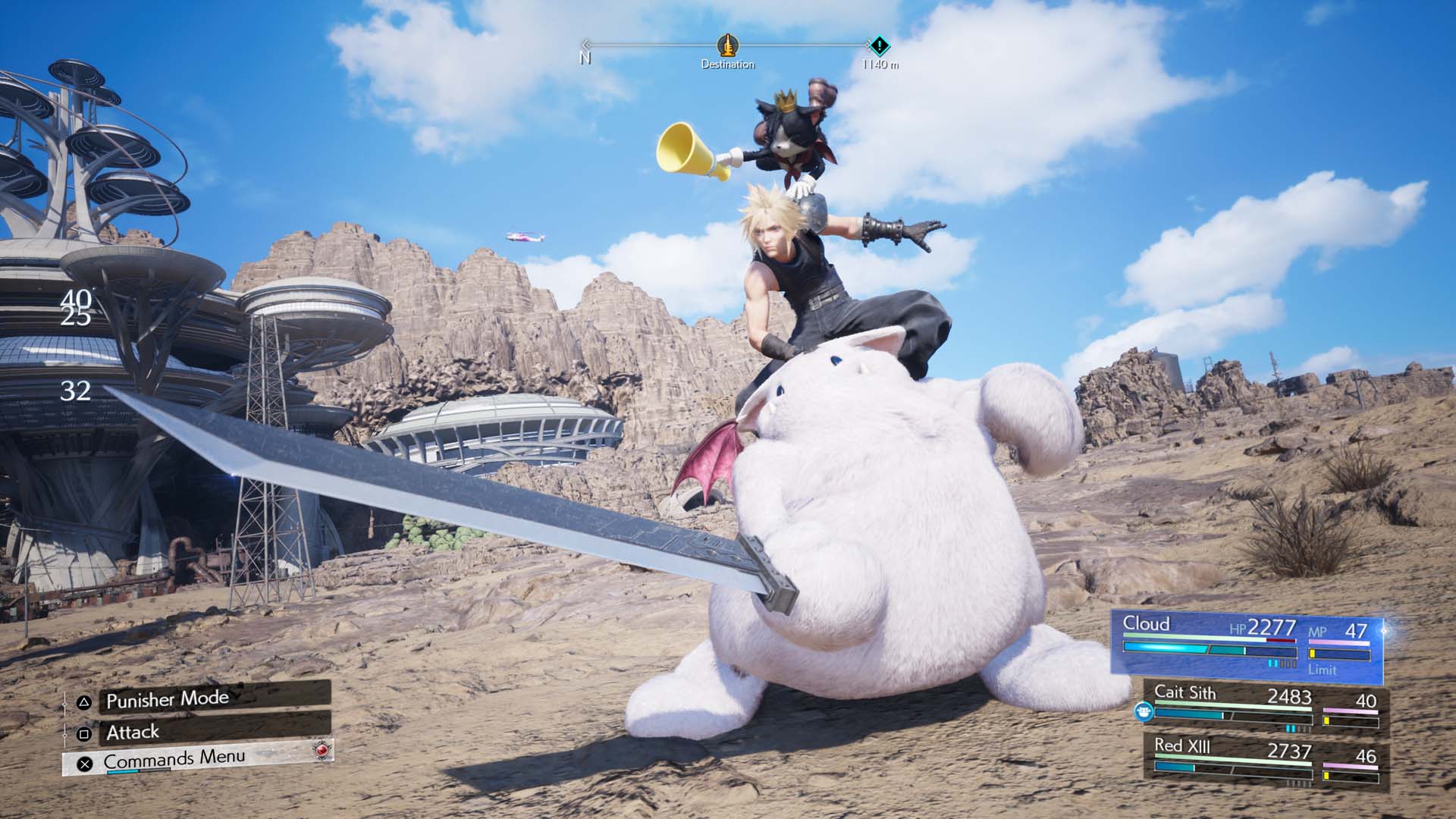
RPGFan: I was curious about how the idea for the Streamlined Progression system came about for the ports of Remake and Rebirth? It’s a really great idea for a system where you may have to stop playing at a moment’s notice.
Hamaguchi: The primary reason why we came up with the Streamlined Progression feature was because we wanted as many players as possible to experience this game through to the end. Because Remake and Rebirth have dense world-building and stories, the way players engage with them can vary greatly depending on their lifestyle and available playtime. With that in mind, we implemented Streamlined Progression as an option that allows players to experience the story and world at their own pace, even within limited time. It’s not a mechanism to simply expedite game progression—it’s there to accommodate different ways of playing, whether someone wants to fully immerse themselves one day, or wants to see what happens next on a different day.
Because the volume of Rebirth is also larger, including its minigames, this feature allows players to focus on what they personally find most enjoyable without having to approach everything with the same level of intensity. We believe offering this flexibility ultimately enhances satisfaction with the overall experience. Streamlined Progression is an “option” meant to maintain the balance between providing accessibility and challenge. That thinking will remain the same moving forward.
We want to thank the Square Enix team and Naoki Hamaguchi for taking time for the interview. Final Fantasy VII Remake and Final Fantasy VII Rebirth are both now available on the Switch 2 and Xbox Series X|S as of June 3rd, 2026.