
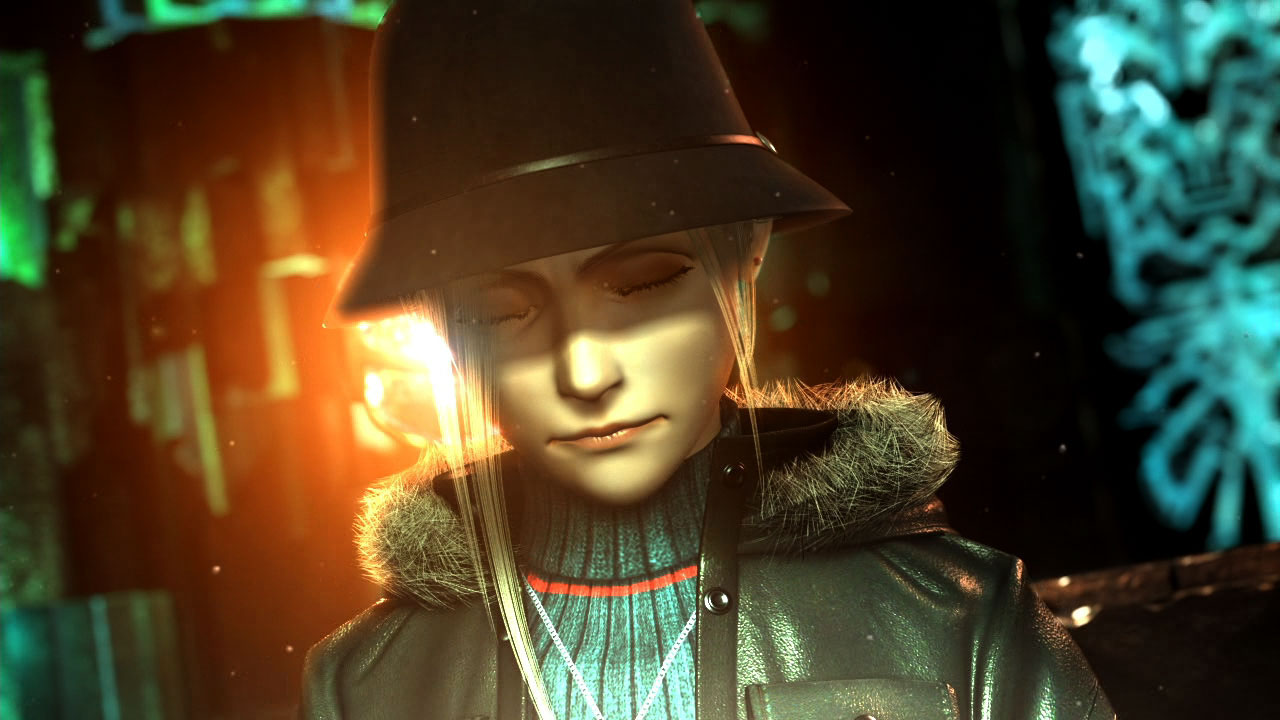
Playing Folklore reminded me of many mundane memories. A regular Monday afternoon in the middle of a chilly Alabama winter, only about 50°. Cold to most people in the south, but not to me. I’m in history class, or maybe English? I can’t quite remember. It’s mostly background noise, like someone leaving a TV on while doing dishes. I’m looking out the window, and it’s rainy. A cold rain. I’m around 13 or 14, watching water droplets race down the glass. I’m waiting for something. A dentist appointment? Maybe I’m sick and asked to go home. The details are fuzzy. The class intercom comes on, and I am asked to come down to the office for a check-out.
I’m now an adult staring at a computer screen. I zoned out while typing some copy for a client, but just for a moment, I was sent back to that very tangible recollection from years ago. I can’t quite place it to an exact time or reason, but I could feel everything around me. The chill emanating from the window, the smell of rain, the bright fluorescent classroom lights. Later, just as I did way back then, I’ll walk over to the couch, click my PS3 on, and play the cult classic JRPG, Folklore.
A Town in Permanent Gray
This little recollection of a broken memory may sound silly. Still, it’s the same kind of experience that Folklore evokes and the same emotional strings it plucks across its nearly 20-hour runtime. Released shortly before the first anniversary of the PS3’s North American launch, Folklore flies a bit in the face of the whole “PS3 has no games” meme. After a year of 7th-gen titles that sought to showcase the power of the new consoles through photorealistic graphics and bombastic, action-heavy excursions, Folklore was something of an anomaly. It’s a far more formalist, melancholy, and stylized experience that, despite being an action RPG, plays very much like a 6th-generation title.
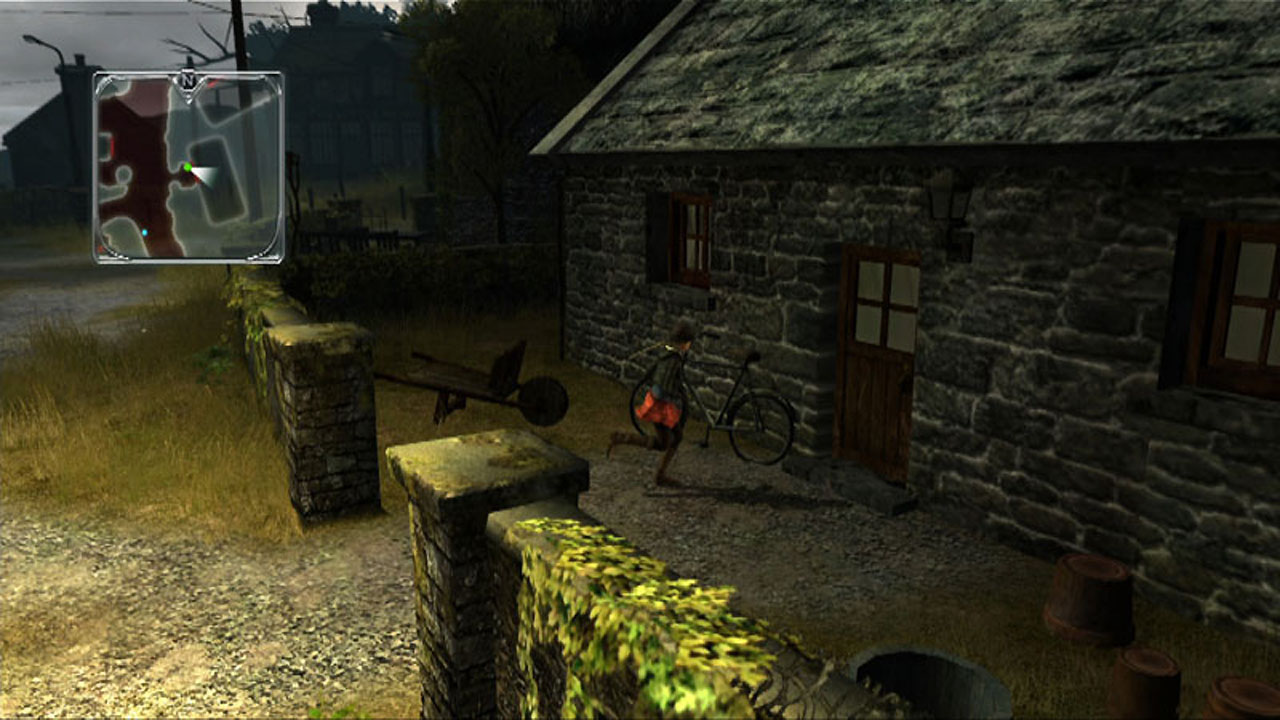
Folklore starts with the protagonist, Ellen, a university student with no memory of her childhood, receiving a mysterious letter from her dead mother claiming that Faeries are attacking her. Upon her arrival in the Irish coastal town of Doolin, Ellen is quickly thrust into a murder mystery alongside the other playable character, Keats, a writer for the struggling occult magazine Unknown Realms.
When you first gain control of Ellen in Doolin, you realize that describing it as a “town” might be generous. It’s really an extremely small village with maybe 30 or 40 implied residents, isolated from the rest of the island and enshrouded in a permanent overcast gray.
It’s here that Folklore began evoking a raw sense of énouement within me. The feeling of having been here before, some kind of false or partitioned memory. Many things contribute to this: the skybox and water are rendered in an art style distinct from the rest of the game, making them look almost pre-rendered. The sparse landscape, few NPCs, the rustling wind and the crunching of leaves, all contribute to the excellent audio design and a somber quiet.
The visuals are beautiful, even for a game that’s nearly two decades old. The level of detail on display, mossy growths, weathered bricks, and granular ground textures, all work to embolden the painterly aesthetic rather than undercut it. This must have felt like a revelation for players in 2007.
The soundtrack also carries its weight here, with Kenji Kawai’s orchestral compositions threading a melancholy needle that helps lean into the same aching unease as the visual design.
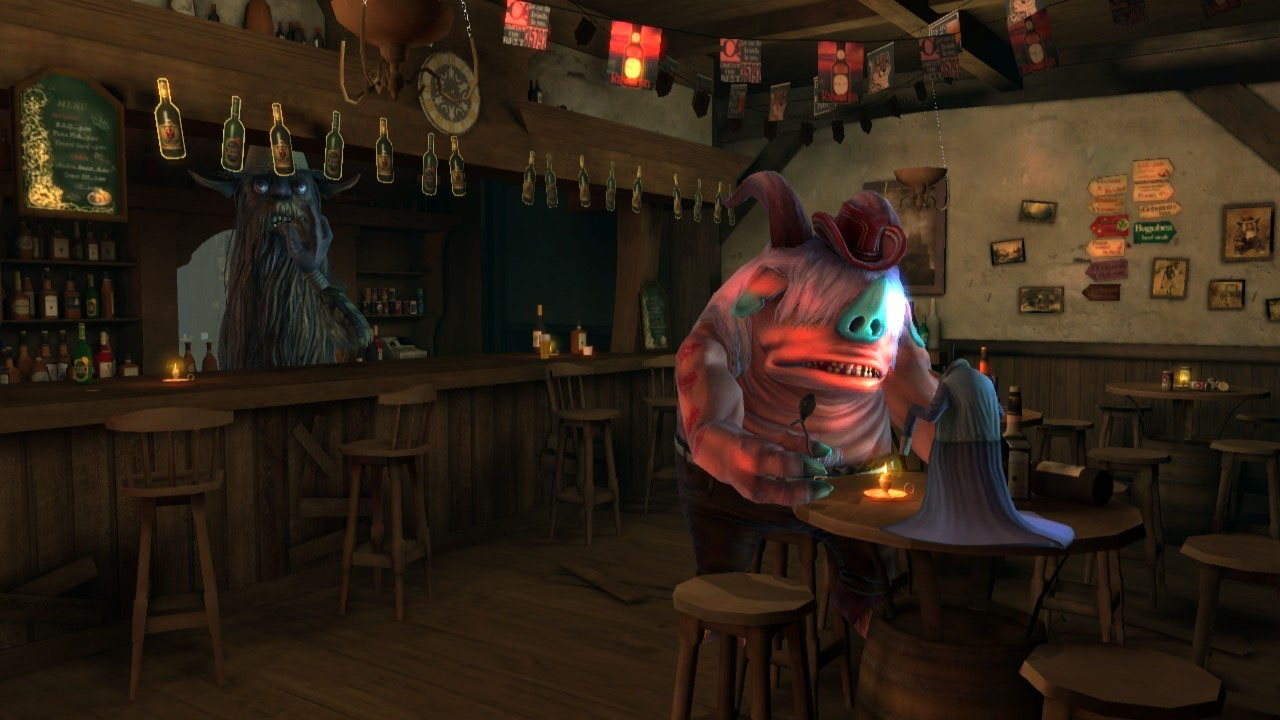
Doolin is uncanny in the same way that the memory I walked you through earlier feels reconstructed imperfectly rather than recalled cleanly. It’s melancholic, but not quite sad. It’s nostalgic, but not in a warm way.
This makes more sense as you progress through Folklore. Ellen and Keats traverse the realms of the dead and gain dominion over otherworldly monsters known as Folks, souls of the dead that have not found peace. Playing through these worlds twice, once as Ellen and once as Keats, with their stories intertwining and overlapping, you capture Folks and use their unique abilities somewhat like Pokémon, abusing elemental affinities and unlocking better stats and abilities along the way.
You soon come to learn that the afterlife is not fixed. These realms are constructed from collective human memory and emotion. The dead, especially those who have not passed peacefully, persist so long as someone living holds them in mind.
The Interior Architecture of Memory
The Folks themselves are expressions of this, manifestations of the id, primal emotional residue, which is why the capture mechanic involves literally ripping that id out of them, with humorously implemented motion controls meant to showcase the Sixaxis technology.
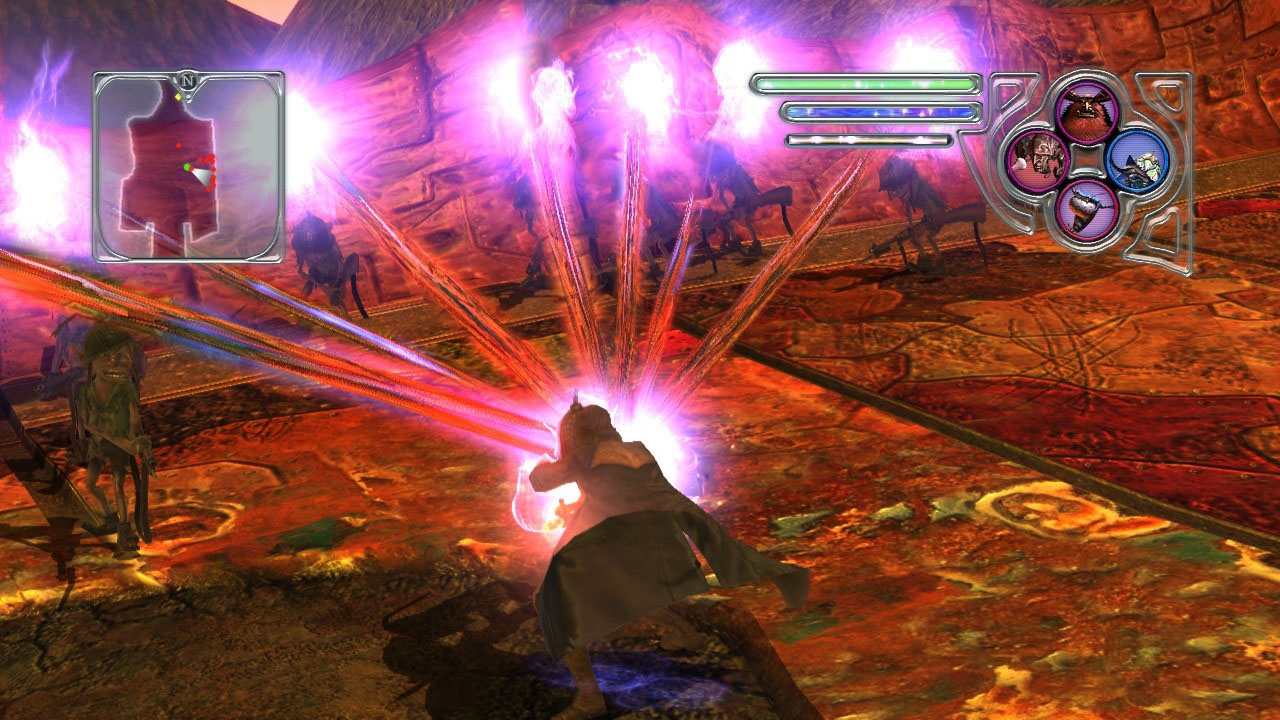
Folks become recontextualized as the raw, unconscious material of what people felt, feared, and wanted in life. A feline beast, a fuzzy ogre with gnashing fangs, soldiers with drills for arms—each Folk and the world in which they exist belong to distinct psychic sediments. Every realm reflects a different experiential register, themed around grief, war, longing, and more. Each one asks the player to walk through the interior architecture of human memory.
This maps directly onto the sense of énouement I felt when I zoned out at my desk. Between combat encounters with the relatively simple combat system, I found myself constantly drawn back to Doolin, sometimes simply wandering and sitting, caught up in this mysterious emotion.
I had long been unable to name it. Mono no aware? Nostalgic liminality? Terms that seemed close but not quite right, much like the sensation itself. It’s a quiet, solemn aura wrapped around certain memories, where time feels stretched thin, and the edges of the world blur a little, much like how Doolin functions as a liminal space. It is the threshold between the land of the living and the land of the dead, but also between memory and imagination, childhood and adulthood.
This is likely why the developers chose Celtic mythology as the foundation for Ellen’s coming-of-age story. These traditions are rooted in the concept of the Otherworld as a literal, accessible place, a thin boundary where the living and dead simply coexist. As Ellen moves through the various afterlives, she uncovers not only the truth behind her mother’s letter but also the pieces of her own history that were taken from her.
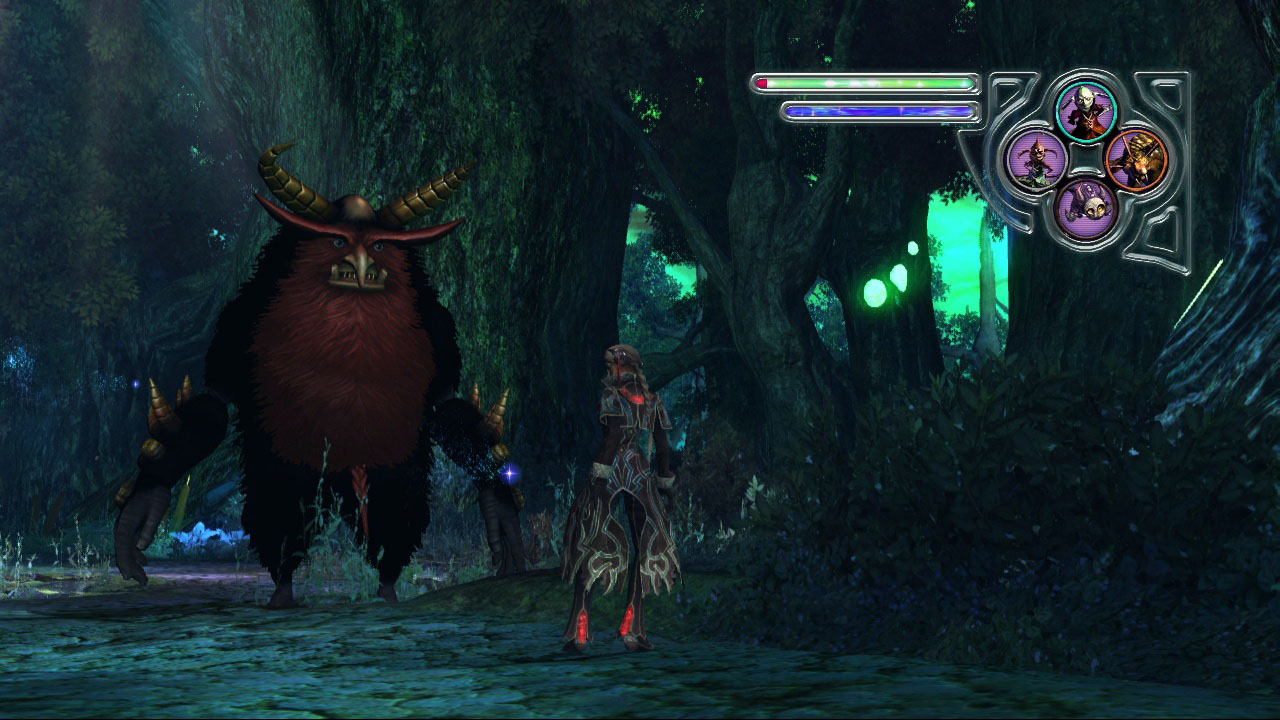
Her descent and return in Folklore mirrors the structure of those old myths, which in turn carry that same quality of anemoia: familiar and emotionally resonant even if you didn’t grow up with them, half-remembered like Doolin. Ellen’s journey is one of excavation, and the Celtic framework makes that feel ancient and earned rather than arbitrary.
Getting older can make us mourn the memories we’ll eventually forget. Experiences we’ll never feel again. Maybe that’s why our brains sometimes latch onto specific snapshots, like scrolling through the camera roll in your phone and being taken back to a specific time. Even when a memory isn’t tied to anything substantial, like a milestone or noteworthy day, we need those mundane moments and the emotional texture they provide. We need to remember what it felt like to simply exist inside them because they help us maintain identity continuity.
Grief Archeology
I’m spending so much time talking about how Folklore looks and feels more than how it plays because, honestly, the gameplay isn’t all that noteworthy. It’s not bad, not at all. In fact, what redeems the gameplay from pure serviceability is how thoroughly it’s built around the same ideas the rest of Folklore traffics in.
The Folks you collect reflect this. They’re psychological impressions given form. A soldier with drills for arms belongs to a realm built from the memory of war. A creature born in a world of cold, oceanic stillness carries that register into combat. Building your loadout means curating a roster of emotional residue, matching what you’ve absorbed from one person’s unresolved inner life against another’s.
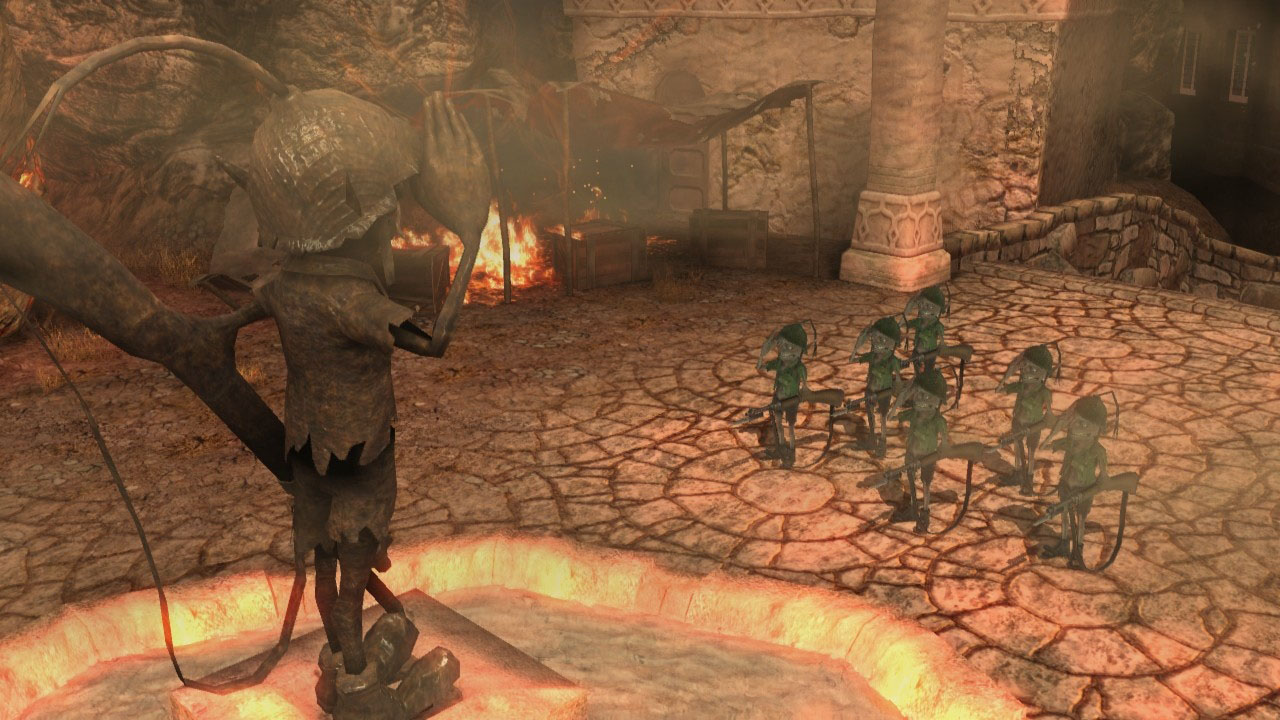
The elemental affinity system is simple, but it’s harmonious with the Folklore’s logic: grief is weak against something, rage counters something else. You’re navigating the emotional architecture the same way the realms themselves are organized, by feeling tone rather than geography.
The dual protagonist structure deepens this further. Ellen and Keats move through the same worlds and encounter the same events, but their relationship to the Folks they collect reflects who they are within the story. Ellen summons them to fight on her behalf, directing and channeling them while keeping her distance. She is someone still piecing together her own fragmented history, learning to work with memory rather than through it.
Keats throws himself in physically. The Folks fold into his attacks and amplify what he already is, absorbed rather than directed. He doesn’t hold the dead at arm’s length. The same memories produce different impressions depending on who’s carrying it, which is precisely what Folklore is arguing about grief and remembrance more broadly. The dead don’t mean the same thing to everyone who holds them.
None of this makes Folklore a mechanically exceptional game. The combat stays simple throughout, and the boss designs lean more on puzzle logic than action. But the systems were clearly built to serve the themes rather than the other way around, and that coherence is rarer than technical polish.
But more noteworthy is the artistic design of the worlds you explore. Whether it’s the trenches of a world war to represent man’s wrath, the deepest trenches of an ocean to represent sadness and cold isolation, or a forlorn forest that speaks to a collective sense of loss, what Folklore makes you feel is far more important.
Being Forgotten is the Gravest Fate
Humans have pondered about death since before we even evolved the language to describe it, and Folklore speaks to that primal yearning for an answer. However, it posits a perspective that I’ve seen elaborated on far less than many others. Most stories about death want to provide comfort for those engaging with them. Folklore‘s specific answer, memory as immortality, is a less explored one and points to something significantly more fragile and perhaps in many ways, even more terrifying.
One line early in the game still speaks to me. “Being forgotten is the gravest fate. You can speak to the dead because they exist as someone’s memory. But once they’re forgotten, it’s as if they never even existed.”
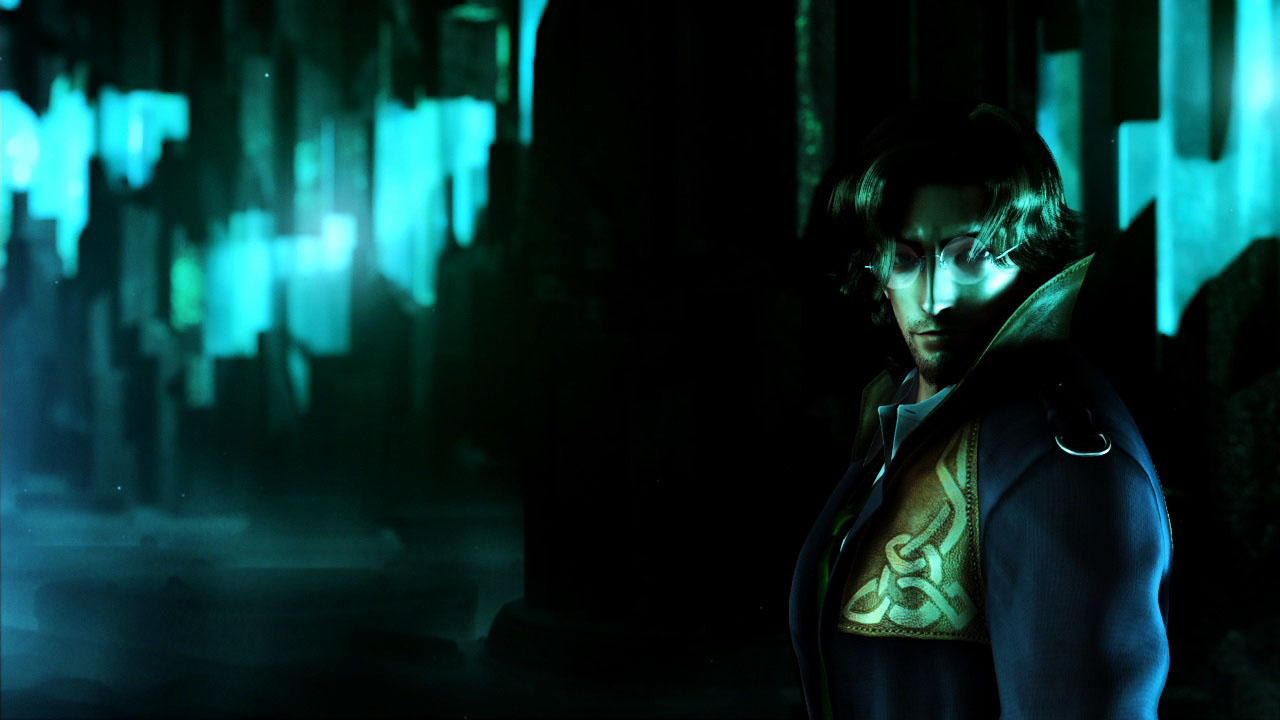
I think that as I begin transitioning from the life of a young man to that of my middle age, I find myself thinking about the past a lot more, trying to remember things that are both important and trivial from my short time on this planet, what I mean to other people and their memories, and of the finality of death.
We can be passed down as memories just as Folklore suggests, but eventually, we will all be forgotten. Do you know or remember your great-grandparents’ names off the top of your head? It’s a chilling thought, but one that Folklore also doesn’t necessarily provide a solution or answer for.
It’s a quiet irony that a game about being forgotten has been largely forgotten itself. By its own logic, it has suffered the gravest fate, having been eroded by the velocity of modern media and the disposable nature of video games in particular. It deserves better than succumbing to the kind of erasure it spent its entire runtime warning you about. It deserves to be remembered.