
Have you ever been fully engrossed in a game’s story and thought to yourself, “How did they think up all of these names for things?” Or “Where did the idea for this magic come from?” Or even “Did people really use weapons like this?” Well, this is something I do fairly often, and as a bit of a history/random fact nerd, I’m always intrigued by appearances of real world history and mythology in RPGs. With some of the knowledge I’ve gathered over the years and a sprinkling of new research, here’s a compilation of some of my favourite game-to-real world-links, some of which are fairly commonly known, whilst others may be more unusual.
I’m only touching on these stories briefly here, so if any of them whet your appetite to learn more about the original myths and histories I implore you to do some further reading, as some of them are particularly fascinating and inspirational.
Norse Mythology
First up, and likely the most familiar, are terms borrowed from Norse Mythology. I thought we should start easy! There are so many games even outside of RPGs that borrow from Viking lore, including Assassin’s Creed Valhalla, Final Fantasy, Valkyrie Profile and Granblue Fantasy. Chances are high that you’ve played multiple games with at least a passing Norse reference or name somewhere. Here are a few concepts you might recognise, in a much abridged version.
Yggdrasil: the tree that exists at the centre of the Norse spiritual universe. It holds all cosmological parts together, including Asgard (the realm of the gods), Midgard (the human realm), Jotunheim (the world of the giants) and Hel (the underworld). The well-being of Yggdrasil is of the utmost importance, as when the tree trembles or falters this signals the coming of Ragnarok—the end of the world.
Asgard: Asgard is the realm of the Norse Gods, a fortress in the sky separated from the realm of humans (Midgard) by a rainbow bridge called Bifrost.
Valhalla: ‘hall of the slain,’ from the Norse belief in an afterlife. Valhalla is specifically reserved for those who die valiantly in battle—a warrior’s heaven, if you will. Here, brave fighters or ‘Einherjar,’ spend every day battling each other for sport with no fear of death, as wounds are healed each evening. To sate their appetite, they feast upon the boar Saehrimnir, who comes back to life each time he is slaughtered. Odin ruled over Valhalla, and whilst the warriors’ time there sounds exciting and carefree, their ultimate purpose is to fight with Odin in Ragnarok, where they are doomed to die.
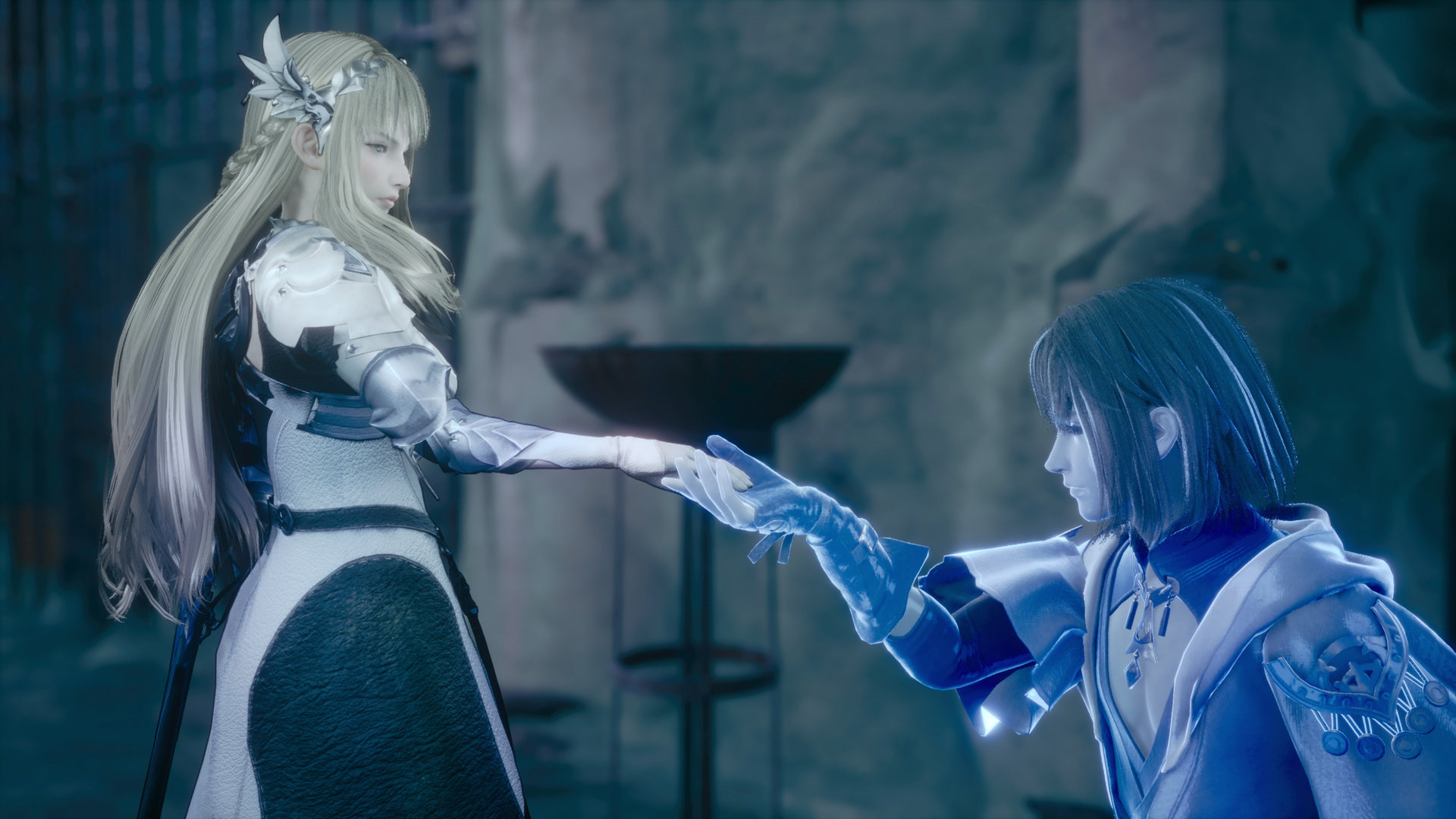
Valkyrie: or ‘chooser of the slain,’ is a female figure who guides the souls of fallen warriors to Valhalla. Only souls chosen by the Valkyrie’s master, Odin, would be selected for transportation to his halls for training in preparation for Ragnarok. Modern interpretations of the Valkyrie are of virtuous, elegant maidens who occasionally even romanced their warriors, in sharp contrast with older interpretations in which Valkyries were more sinister—choosing which soldiers lived and died in battle in order to best fulfil Odin’s wishes.
Ragnarok: a cataclysmic series of events, culminating in the end of the cosmos as we know it. Numerous Norse gods perish, the world is burnt and then completely submerged in water before being reborn and starting anew. The full Ragnarok mythology is fascinating, I recommend reading more into this if my brief description has captured your imagination. Unsurprisingly, Ragnarok is usually used in games to name something very powerful that could cause an apocalyptic event (unless you’re Final Fantasy VIII, in which case it is a pretty cool-looking spaceship).
Mythical Creatures
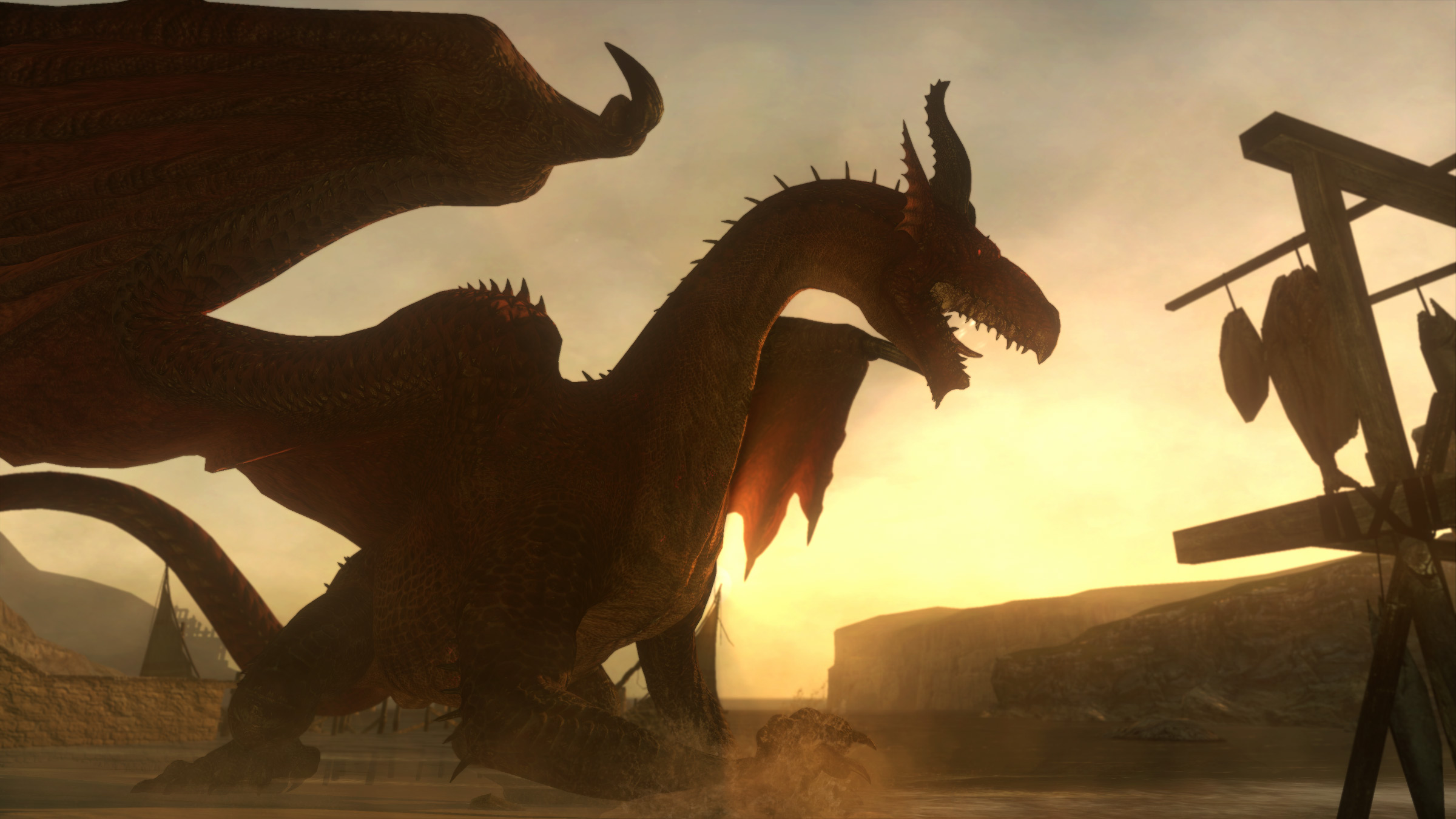
Dragons: creatures found within the mythologies of many cultures across the world. Whilst the various interpretations of dragons feature many similarities, there’re also many differences—particularly between the West and East. In European folklore, dragons often take the form of what we’d call a ‘typical fantasy’ style dragon, akin to those in games like Skyrim, Dragon Age or Drakengard—massive, hulking beasts with claws, wings, and breathing fire. The Ancient Greeks had the Hydra, Norse mythology has the Nidhogg and in Western Europe the Anglo-Saxons featured dragons in numerous tales, including stories of Merlin, King Arthur, St. George, and the red dragon that stands prominently on the present-day Welsh flag.
In the East, particularly in countries like China and Japan, dragons appear more serpent-like—long, lithe creatures with much more elegance than their western counterparts (think Haku in Studio Ghibli’s Spirited Away). Dragons are the highest-ranking creature in the Chinese animal hierarchy, and they’re not always associated with being dangerous as they are in Europe. Dragons can bring good fortune, are figures of adoration and worship, and are often linked with deities. In Japan many dragons are gods of water in its various forms, and the Sennin (Japanese immortals) actually took dragons as their mounts.
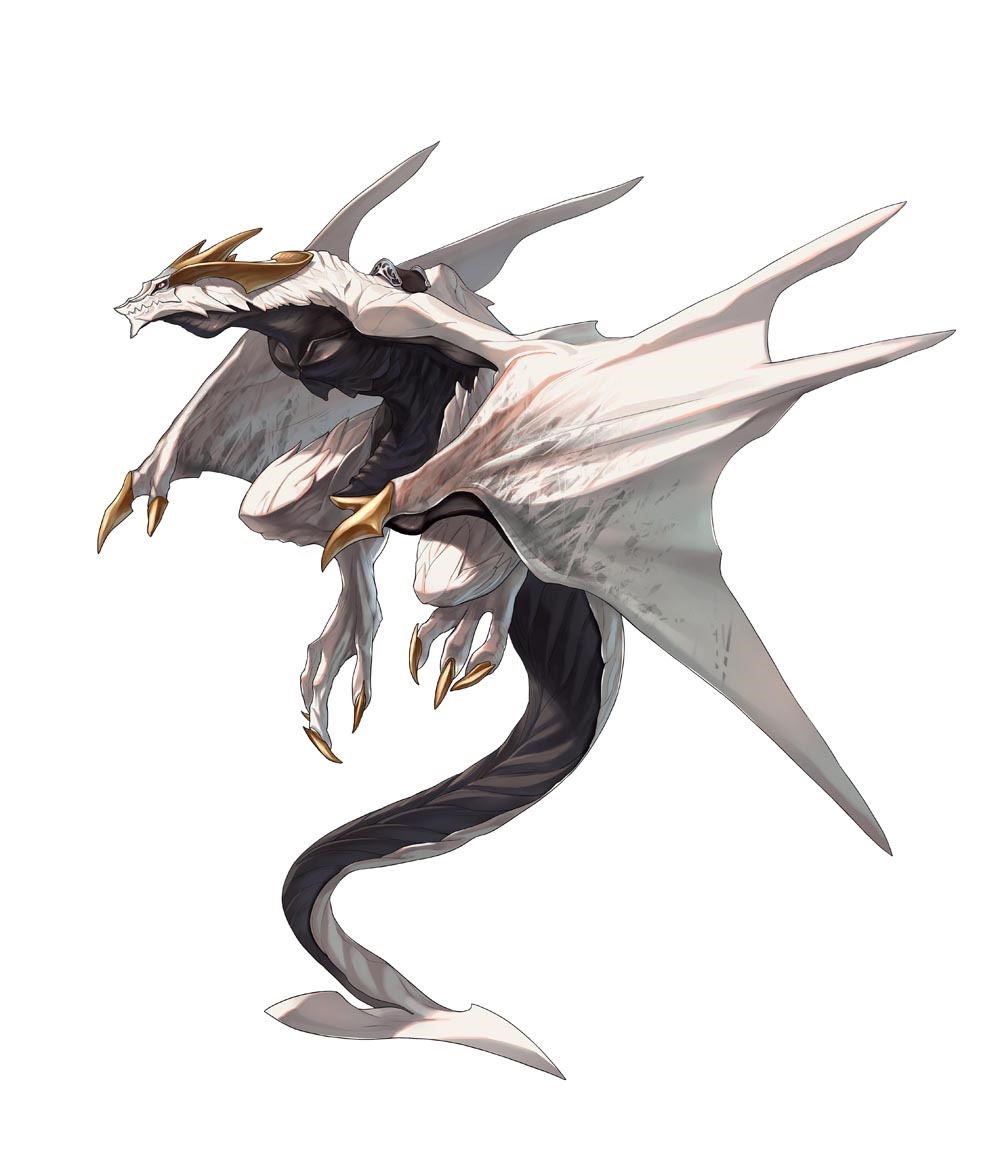
Chimeras: unlike dragons, the chimera shows up in a very specific set of mythology—the Ancient Greek’s. Whilst the term originates here from a particular creature whose form is part goat, part lion and part serpent, the term ‘chimera’ over time has come to represent any creature made up of multiple animal parts.
I mainly associate chimeras with the Final Fantasy series, as they recur as monster encounters in multiple entries, but they feature more widely in the RPG and fantasy genre including in games like Dragon’s Dogma. The chimera featured in Homer’s Iliad hails from Lycia (part of modern-day Turkey), and is most likely born of Echidna and Typhon—a formidable monster couple themselves—making it a relative of other Greek monsters like Cerberus and the Hydra.
Cyclops: the one-eyed giants from Greek mythology. Unlike Medusa, say, the term cyclops does not refer to a single being, but rather a collection or race of beings that show up across the mythology. The oldest reference is to the elder cyclops—three giants born of Uranus and Gaea and imprisoned almost as soon as they were born. Upon later being freed by Zeus, they created three godly weapons—a lightning bolt for Zeus, a trident for Poseidon, and a helmet of invisibility for Hades. There is another, more famous, reference to a cyclops in Homer’s Odyssey—Polyphemus, who trapped Odysseus in his cave.
Phoenix: famed particularly as the summon from the Final Fantasy series, the origins of the phoenix in mythology is disputed and is most likely of either Ancient Greek or Egyptian origin. The Egyptian version is named Bennu and is associated with Ra, the sun god, and creation. This version has less to do with death and rebirth than the phoenix we know today, and more about the creation of the earth and first-life.
The mythology of the phoenix began to turn into something more recognisable by today’s standards with the Ancient Greeks, who believed that it reproduced asexually and would die and be reborn in flame. This was then emphasised further in Christianity, where strong focus was put on the immortality aspect of the myth and it became an allegory for life after death and resurrection.
Weapons
Ultra Greatswords: unfortunately, people never actually wielded swords as large as most of the Ultra Greatswords from Dark Souls, Cloud’s Buster Sword in Final Fantasy VII, or Guts’ sword in Berserk. I really love how cool they look and they’re one of my favourite weapon classes (is anything as satisfying as pancaking an enemy?), but most of them would just be too big and heavy to use as an effective weapon.
However, Zweihanders, common Ultra Greatswords in Dark Souls, were really used during battle primarily in the 15th and 16th centuries. These swords were around two meters long and surprisingly light considering their size—around 4kg. Due to their, some might say, ‘unwieldy’ size, they were used more like a polearm, rather than swung around like a maniac á la Dark Souls. Other pretty huge real-life swords to take a look at include the Claymore, originating in Scotland, and the Japanese Ōdachi.
Archery: originated in the Stone Age around 70,000 years ago. Used in both warfare and hunting, evidence of archery in its earliest form stems from Africa and the Middle East. Slightly more recent archaeology in Europe shows how archery spread as humans moved out of Africa and headed north into France and the areas around the Mediterranean. As we move from Prehistory to Ancient history, many civilisations featured archery in their warfare, including the Egyptians (mainly by the Medjay—nomadic desert-rangers, not the kind in The Mummy), Persians, and Chinese (who also invented crossbows).
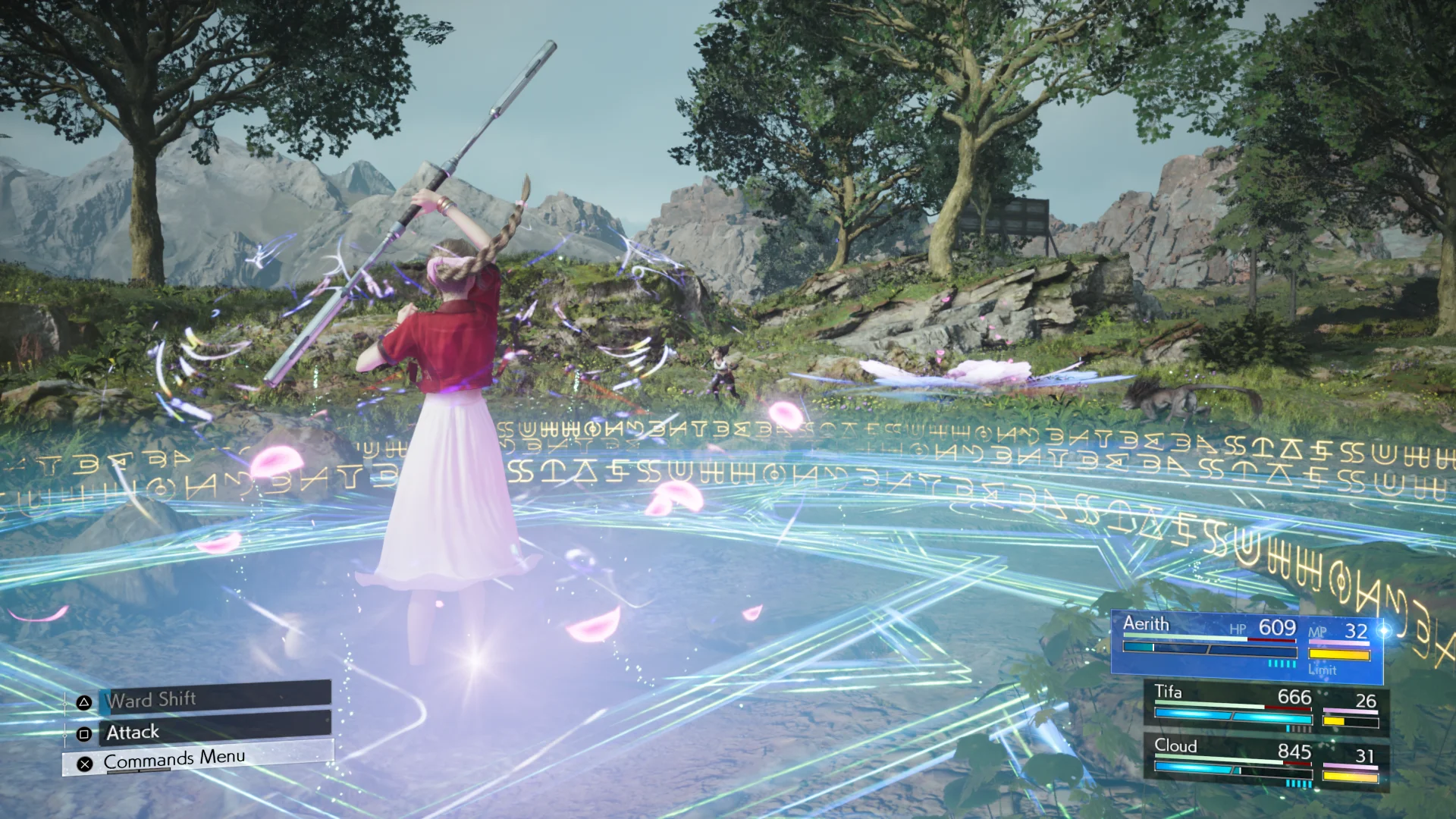
Staves: in RPGs, the staff is often used by the physically weakest party members, often mages, but history shows us that staves were actually used as proper combat weapons. The use of the staff in combat has been around for hundreds of years and originated in Europe, at least with the type of staff most people would be familiar with—the quarterstaff.
The earliest records mentioning the quarterstaff come from 15th century England, and the staff grew in popularity right through the 16th and 17th centuries, often touted as one of the most effective two-handed weapons. The quarterstaff was 7 to 8 feet in length and its name is thought to derive from their production, using quartersawn wood (a process which turns logs into lumber). England was not the only country fighting with rod-like weapons, Japan had two different types of staff—the Bō (6 feet in length) and the faster Jō (shorter at 4 feet in length).
Magic
Where did the concept of magic come from? There is no simple answer to this question. ‘Magic,’ going by various names through history, has been practiced in many cultures for thousands of years and served primarily as a way to understand the universe through various means—astrology and alchemy being two of the most prominent early forms. Ancient Mesopotamians (from the modern-day area of Iraq, Syria, Iran and Turkey) used magic rituals and what we might think of as superstition as a way to ward off demons and purify themselves from evil magic.
In Ancient Egypt, magic was personified by the god Heka, and the principle around this was based on the power of words; spoken or written word could bring things into being. This is essentially why the Book of the Dead is actually a spell book, containing everything you’d need to prepare the deceased for the afterlife. The word ‘magic,’ however, originates from the Greek ‘magoi’ and refers specifically to the ancient Zoroastrian religion practiced in Persia. There, people believed that sorcerers held the knowledge of the gods and could channel their power.
What about classes of magic? Magic classes as we know them in games (blue magic, red magic, etc.) were generally born from modern day fantasy fiction, be it in books, video games, tabletop RPGs, or otherwise. However, white and black magic certainly do have origins in reality. White magic has always been thought of as the ‘good’ magic with particular focus on healing, blessings and prayers linked with the worship of particular gods and goddesses, particularly in Ancient Egypt with early Judaism and Christianity. Folk healers and diviners in Europe were also thought of practitioners of white magic, using herbs and potions to remove curses, place blessings and heal.
Black magic, on the other hand, has always been seen as the opposite: all evil and chaos. In its earliest form, black magic originated from necromancy and was used to describe the invoking of demons and evil spirits, the placing of curses or hexes, and to engage in the worship of the devil. However, black magic has also been used as an excuse to persecute others in the name of religion.
Trails Terminology
Falcom’s Trails games feature a huge number of unusual names, whether for artes, quartz, characters or world events. I’ve often wondered how some of these terms relate to the real-world inspiration. Below, I’ve compiled a short list of some of the more memorable terms used in the Trails games (and beyond!) and briefly described where the word comes from.
Jormungandr: also known as the World Serpent; a giant sea serpent from Norse mythology who circles the Earth (or Midgard), biting its own tail.
Andvari: a dwarf from… you guessed it, Norse mythology. He lived behind a waterfall and was the holder of a magical ring which made him very wealthy.
Aegis: originates from Greek mythology and describes a magical shield or animal skin (possibly cloak) carried by Zeus, Athena, and Apollo.
Titania and Oberon: we dive into literature for this reference. In Shakespeare’s A Midsummer Night’s Dream, Oberon and Titania are the King and Queen of the fairies.
Albion: an alternative/historical name for Great Britain from Ancient Greece, thought to be based on ‘albus,’ meaning ‘white’ for the white chalk cliffs in Dover and along the UK’s southern coastline.
Seiryuu: the Azure Dragon from ancient Chinese culture. Seiryuu governed the balance of the seas and also the coming of Spring.
Aeolus: a character featured in Homer’s Odyssey. The King of the island of Aeolia, he gave Odysseus a bag containing all of the winds needed to get him home. That didn’t quite go to plan however…
Rakshasa: malevolent beings, or demons, possessing supernatural powers. Featured in Hinduism, Jainism, and Buddhism.
I also noticed a number of references to Tolkien’s The Lord of the Rings or Middle-earth more generally whilst playing the Cold Steel arc and wanted to add those in here too:
Osgiliath Basin, a location in Northern Erebonia borrows its name from the Tolkienian settlement between Minas Tirith and Mordor. The Eisengard mountain range calls back to Saruman’s Tower of Isengard, and Emma has an S-Craft called Palace of Eregion (Eregion being a pre-LotR era elven realm). Rean’s divine knight Valimar also shares his name with a location from Middle-earth. These references are not just limited to location names either, with several of the Trails‘ Zemurian Ore weapons being named after blades from Middle-earth and certain characters using hobbit and elven names—have you encountered Elrond, or Baggins?
Perhaps video games are just one more step in a long lineage of mythology and storytelling. Who knows, maybe art of the future will call back to a legendary moogle or korok.