
Matt Wardell
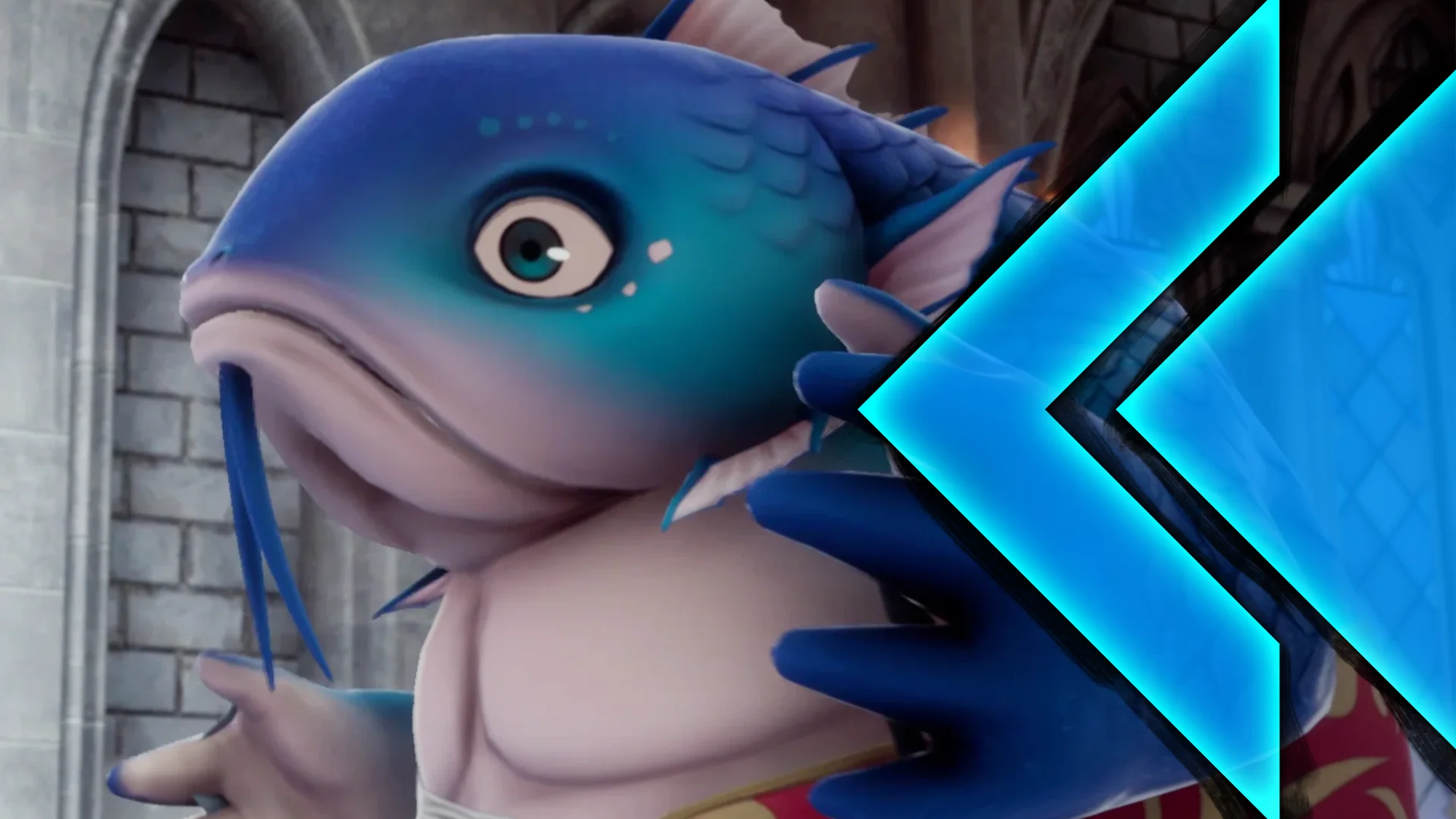
You know the meme with the mother holding her smiling daughter aloft in a pool while her other child fights for their life to stay afloat? If Square Enix is the mother, SaGa is the oft-ignored, half-drowned kid. Not quite the skeleton at the bottom of the ocean, the SaGa series nonetheless struggles on the outskirts of the JRPG zeitgeist, barely buoyed by the occasional remaster or remake.
Romancing SaGa 2’s remake, Revenge of the Seven, was my first crack at SaGa, and I could immediately see what makes the series divisive. The story is practically nonexistent, the characters mere palette swaps of their own class. I play JRPGs for their story and music, so I was immediately wary. The combat in Romancing SaGa 2, however, was quick, punchy, and challenging like Final Fantasy or Dragon Quest rarely feels. The variety of routes through which you can expand your empire and build your party of five across generations was mechanically rich in a way that reminded me of the min-maxing of Final Fantasy Tactics. Still, I was haunted by the constant feeling that I was doing things in a suboptimal or perhaps wrong way.
That nagging feeling never went away—the sense that things would go better in a second playthrough. Rather presumptuous, given my mixed feelings. Though Romancing SaGa 2’s remake adds many quality-of-life improvements to inventory management and systems to the combat, its vague objective marking meant that many quests butt heads or double dip and thus cancel out progression on a quest I’d been working hours on. I liked the episodic locales it took me to and the mishmash of monster designs (cool, but not quite as cool as the original Super Famicom sprites), though I was blindsided by unceremonious boss encounters with the titular Seven. The limited LP points and forced generation-reincarnations pushed me to flesh out my classes in new ways, but then the brutal final boss slapped me on the hand for experimenting throughout.
I’d say I enjoyed Romancing SaGa 2 not enough to replay it, but enough to be curious about the recently announced Romancing SaGa 3 remake.
Aleks Franiczek
Romancing SaGa 2 is a classic JRPG with a lot of meat but no sauce.
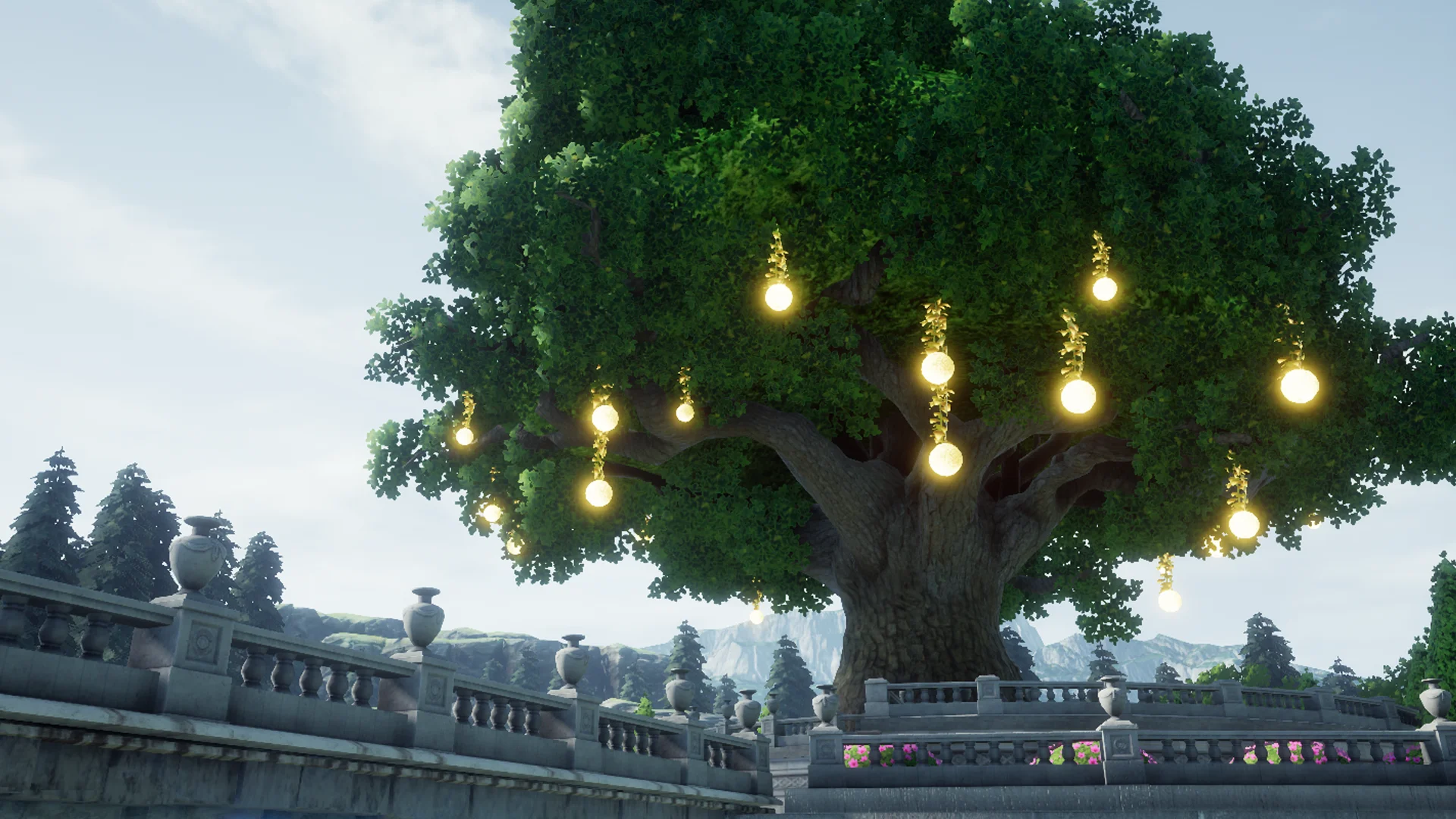
It has plenty of densely layered systems to tinker around with, a big plate of stuff to familiarize yourself with and min-max across the first playthrough and beyond. You can gorge on the sheer scope and variety of this stuff until you’re either sick or sickly satisfied. There are non-linear quest paths to choose aimlessly stumble upon. Different character class combinations to strategize around. A unique weapon and magic progression system to grind out.
And what does it amount to? Your own unique journey through the game’s world, to be sure. That’s cool. Damn impressive for the time, too. But it’s a journey where most of the outcomes feel meaningless beyond fulfilling their role as “quests that involve you expanding your empire.” Where the most personality you’ll discover through NPC dialogue is the “horny old man” trope.
This is what made it difficult for me to fully enjoy my time with Romancing SaGa 2, even as I was finding myself blown away by the sheer scope and ambition of what it strived to achieve as a 1993 Super Famicom game. I need sauce. Food is kind of dull without it. So are videogames.
Ben Love
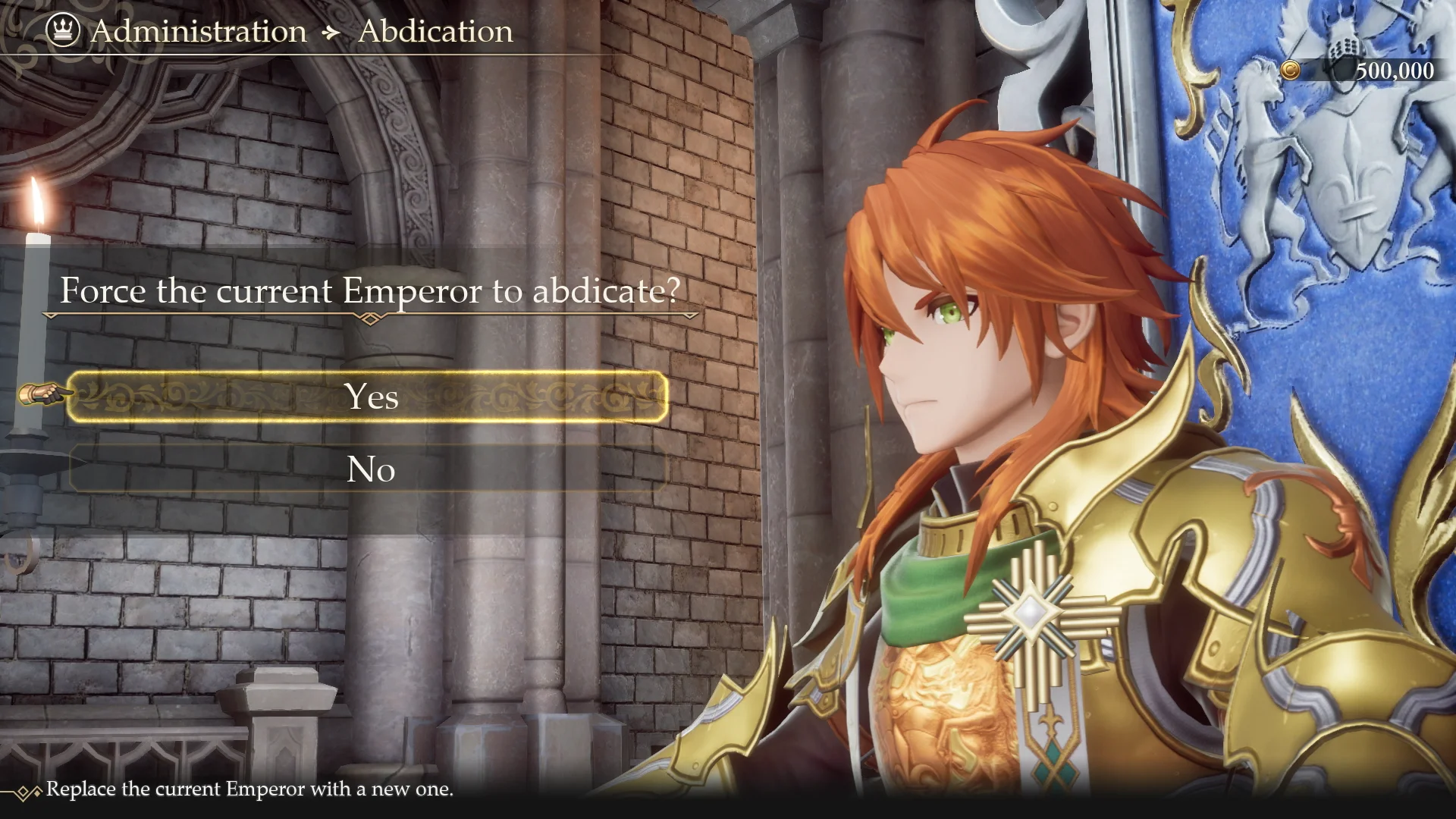
Revisiting Romancing SaGa 2: Revenge of the Seven two years after reviewing the game for the site has been an absolute blast. Building up my emperor and retinue of knights across generations, acquiring all the necessary skills, and forging a new path through the game with all the knowledge I learned from prior playthroughs ensured the game’s mechanics truly shone upon this revisit.
What I also realized is that although Romancing SaGa 2 can be a harsh and unforgiving experience at times, this central conceit of building strength across your party and kingdom towards a singular ultimate goal allows for the non-linear progression and randomness tied to skill acquisition to feel impactful upon replaying the game. Once you’ve come to grips with the mechanics, learned from prior mistakes, and are ready to meet the game on its own terms, you can take this knowledge and turn the tables on the game, altering previously near-insurmountable tasks into relative cakewalks as you plow through towards the end, always adjusting for the final battle you know is coming.
In this way, the game takes on a systemic quality similar to a roguelike, in which you view your journey expanding the Varennes Empire as a sort of “run” in which you need to perfect your strategy. In that sense, the muted narrative and unpredictable progression ease into the background of strategy, planning, and execution. Each of the Seven Heroes goes from a force of nature thrust upon you to prey you hunt down on your own terms, resources to consume to better prepare your party for the ultimate challenge lying in wait at the endgame. It’s a big ask to expect someone to play a 40+ hour epic multiple times to truly see the genius behind its mechanics, but if you are willing to invest the time, the reward is immense. Here’s to many more playthroughs in the years to come
Zach Wilkerson
Romancing SaGa 2 is a game that people talk about like a great TV series that doesn’t get off to a good start. You know, the ones where people say “just wait, it gets so much better after season 3!”
The issue is that season 3, in this case, is just playing the game for a second time. I won’t be doing that.
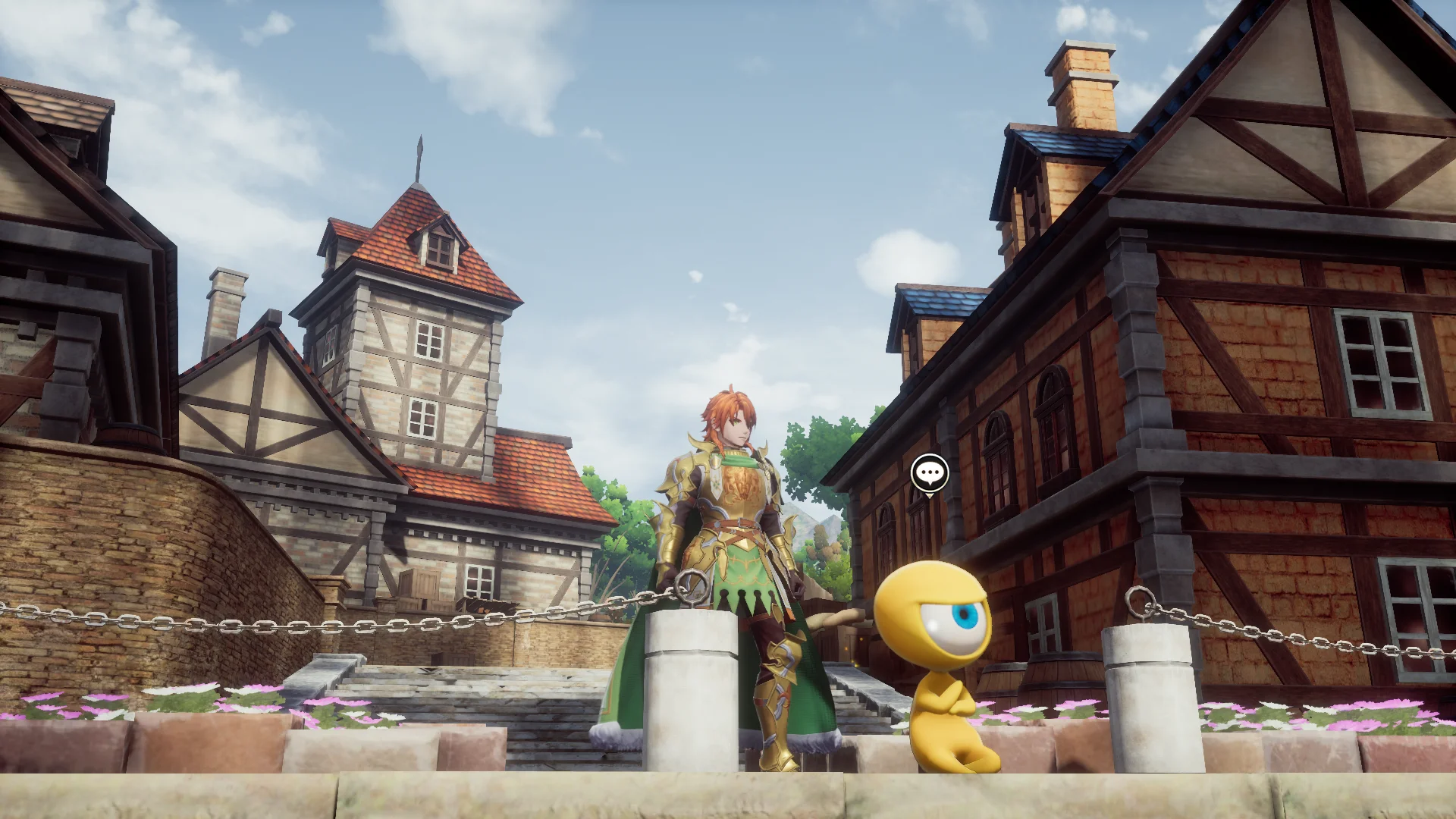
That’s not to say I didn’t enjoy my time with Romancing SaGa 2. It stretched my brain, made me look at combat in new ways virtually every hour, and it was usually satisfying to figure out how to solve the puzzle, or even progress the game in some cases.
But even in the remake that I played, there are simply too many times the game wants you to have foreknowledge to get the most out of something. If you don’t have that knowledge, it punishes you mightily, like making you do a whole questline just because I wasn’t prepared for a boss the first time I faced him.
And that’s really my problem. As cool as it was to figure out the puzzle, I get a little frustrated when the puzzle can really only be solved in one way, which often seemed to be true to me. In a game that encourages you to approach things in your time and in your way that doesn’t work for me.
Oh, and don’t even get me started on that final boss.