
Souls-likes
Welcome to the second part of our So You Want to Get Into the Souls Series primer. We are looking at a few games considered to be crucial in the Souls-like genre, mostly from non-FromSoftware studios (outside the first entry). These games provide pathways to series veterans for more Souls-like goodness, as well as alternate entry points for series newcomers. If you want more on the core series games from FromSoftware, check out Part One.
Armored Core 4 (2006)
Available on PS3 and Xbox 360
by Noah Leiter
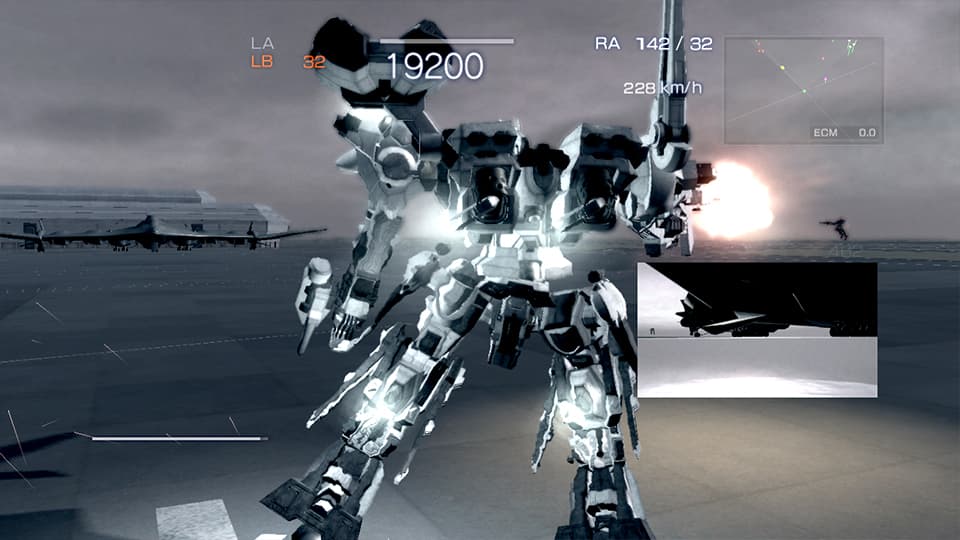
For Souls historians and Miyazaki completionists, Armored Core 4 marks the sort-of “true” beginning of the genre. It is, after all, the beginning of auteur Hidetaka Miyazaki’s career as a game director. His vision for iterative trial-and-error death mechanics, methodical locomotion, and artistic extravagance begins to take shape in Armored Core 4. To note, FromSoftware as a company has imbued many of its games with these elements since its inception, so some fans might even choose to go as far back as King’s Field on the PlayStation. However, the early FromSoftware catalog titles will likely be tough to stomach for those who are not enthralled by PS1 mechanical and technical complications; I would also argue that Miyazaki’s participation marks a turning point where the key Souls-like elements mentioned in Part One go from conceptual to real.
Armored Core 4 should be familiar for folks who have played other Armored Core games. It has mech customization, combat, missions, arena battles, and a plot centered around global conflict. However, it steps away from the complexities and conventions of its ancestors, slimming down mech controls and customization in favor of streamlined combat, tight controls, clear gameplay goals, and a bigger focus on vibe.
That vibe is partly why AC4 is on this list, apart from being a very early genre curiosity and important historical context. AC4 is also weird, surreal, and foggy, with a strange story to boot. It follows the Earth as it descends into civil unrest following overpopulation and starvation, anti-corporate unrest, and the unforeseen consequences of particle physics advancements. There are hidden layers here of anti-capitalism, anti-establishment, and the ephemeral nature of being — just classic Miyazaki undertone things. It’s a hell of ride, too, prioritizing more intimate combat scenarios like the Souls series would later do, but also making room for big setpiece-heavy Armored Core moments. This is all to say: Armored Core 4 walked (well, strafe-glided) so Souls games could run.
Author Note: While this game does not necessarily fall within our traditional coverage, I deemed it important enough to the core design philosophy of the series to mention here. Is Armored Core 4 an RPG? Maybe. It’s hard to say, because based on vibes and the series’ marketing, probably not. Gameplay-wise, it is far closer to a tactics game than a mech shooter, with most of its systems focused on strategic planning, resource allocation, loadout editing, and strategic map traversal. It has leveling and character customization to rival any RPG series. And, well, it’s a mech opera; what mech opera games aren’t RPGs??? Titanfall? Hm, maybe Titanfall should be in our coverage, too…
Why should I start here?
If you love mech games but you don’t necessarily jive with the Souls titles’ sword/sorcery gameplay, or similarly, you are interested but mechs and lasers are cooler to you than swords and dragons, then this could be your ideal entry point. Alternatively, if you have played some of the games on this list and you want to start at the beginning of Miyazaki’s career, or you want something aesthetically new but mechanically similar, try AC4. 2023’s Armored Core VI: Fires of Rubicon is also a great mech game, but its faster pace reflects more modern trends in mech and action gaming than AC4, which really oozes that early Souls series DNA.
Nioh series (2017 – Present)
Available on PS4, PS5, & PC
by Noah Leiter
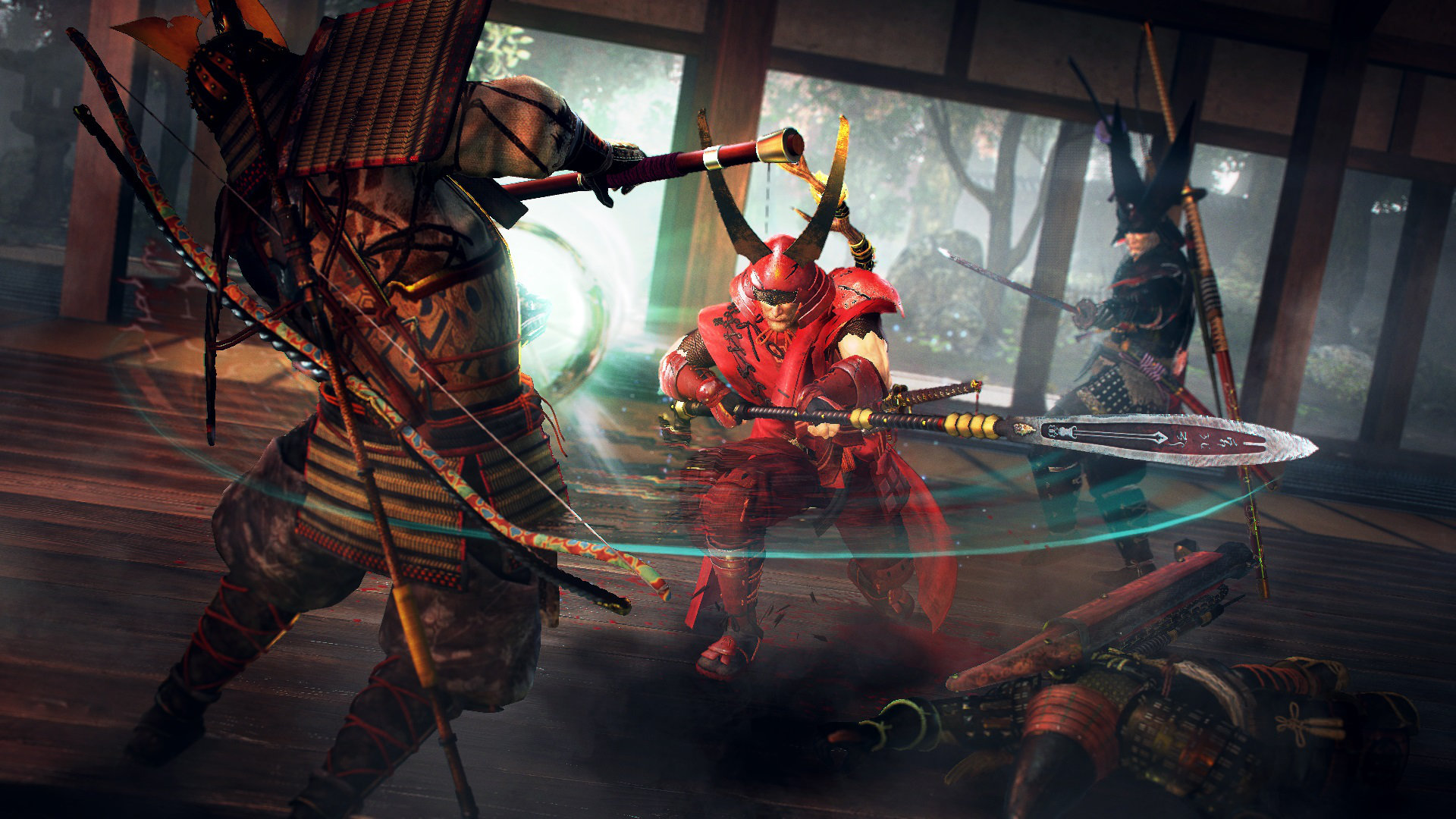
William Adams was a real-world navigator known for being the first English liaison to Japan in 1600, where he was trapped for a decade and eventually became a samurai (his Wikipedia entry is a pretty wild ride). Centuries later, Adams’ life inspired Akira Kurosawa to develop a screenplay based on his story, titled “Oni” — not to be confused with the Bungie/Rockstar joint of the same title, though perhaps that one takes loose inspiration from Kurosawa’s script too. Regardless, the screenplay never manifested into a movie, but an edited version was adapted by Team Ninja into Nioh, a slower-paced, more story-focused action RPG take on feudal Japan than previous works, such as their 2004 hit Ninja Gaiden. The game took an astonishing 13 years to make, with several iterations between Tecmo studios, a merger, three interstitial Ninja Gaiden titles (not counting remasters/remakes), and, of course, two Dead or Alive XTreme Beach Volleyball games between its inception and release. A ten-plus-year development cycle isn’t entirely uncommon these days, but by 2017 standards, this was a lifetime.
Their hard work paid off, of course, as Nioh released to widespread acclaim for its engaging combat, gorgeous setting, adaptation of Japanese folklore and Kurosawa’s work, as well as its spin on the Souls-like genre. It features leveling systems, bonfire checkpoints (shrines), boss challenges, and online multiplayer systems familiar to fans of Dark Souls. It also has a blessing system with a similar vibe to Bloodborne’s bath messengers. As far as gameplay, Nioh is very similar to former and future Souls-like titles made by FromSoftware. For all intents and purposes, it is feudal Souls.
This isn’t to say Nioh lacks its own essence outside its aesthetic. Nioh introduces stances to its combat system. Players choose high, middle, and low stances to best execute offensive and defensive strategies. High stance is slower and more offensive; middle is a balanced, more defensive approach; low is the fastest, but works best at close range. In parity with this is Nioh’s Ki system, a sort of stand-in for Souls-like stamina — the twist is that Ki drain differs between stances, and players can charge their Ki strategically during their offense. In short, Nioh has plenty to set it apart from Souls-like mainstays, though the moniker “feudal Souls” fits nicely and does not diminish its unique place in the space. In fact, I think it sets an example, not just for Souls-like games, but the industry at large.
Look around, and it’s easy to see that feudal Japan is hot in videogames right now. It’s arguably been hot in the industry since the first Nioh game came out in 2017, though we are likely at a peak for the trend right now, with recent releases like Ghost of Yotei, Assassin’s Creed Shadows, Rise of the Ronin, three Ninja Gaiden games, and Sengoku Dynasty, and with Nioh 3 and a new Onimusha game on the way shortly. We are inundated with feudal Japanese settings, which is all the more reason to go back to what is likely the start of the trend, as well as the start of other large game development firms blending Souls genre staples into their own designs. Nioh has its own DNA, preferring style and aggression to Souls-likes’ patience and preparation, but there’s no mistaking its essence: it has the builds, bonfires, and loot a Souls-like fan would expect. It is also likely the only game on this list not made by FromSoftware that may have influenced their later works, with Ki and stances reflecting Sekiro’s posture system in a way that feels (in my opinion) too synergistic to be a coincidence.
Why should I start here?
The Nioh series is an excellent place to start, a true peer in the genre that competes with its best games, and it certainly fits RPG tastes better than the more action/rhythm-focused Sekiro from FromSoftware, if you’re craving more feudal Japan but don’t jive with brute-forcing tests of concentration. (No shade to Sekiro; it is a great game that plays very differently from those on this list.)
Lies of P (2023)
Available on PS4, PS5, Xbox One, XSX/S, & PC
by Noah Leiter
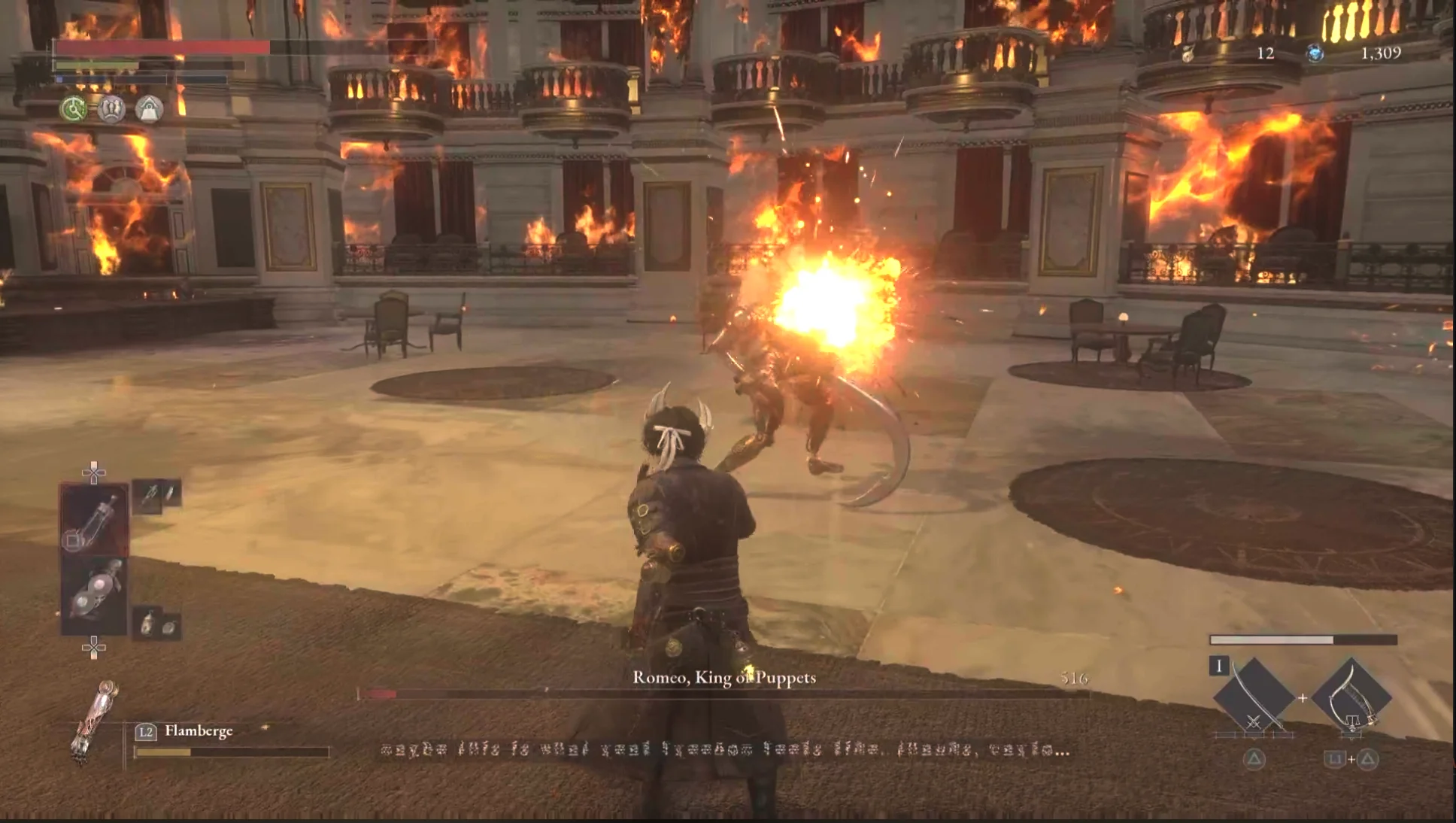
Lies of P is another game in the Nioh lineage of highly polished, subtly twisted, and gorgeous Souls-like games not made by FromSoftware. Where Nioh is feudal Souls, I might call Lies of P toy Souls or puppet Souls. In Lies of P, players take the strings of a nascent Pinocchio, leaping into boyhood as he always is, but this time he’s thrust into the terrors of a monster-filled grunge Belle Epoch. Everything in the game’s setting, Krat, has fallen into disarray and pestilence, like Bioshock meets Bloodborne. As in both of those games, a new substance has driven Krat’s people into a violent fervor. “Ergo,” an alchemically altered mineral meant to drive commerce through robotics, ultimately killed human beings through Petrification disease and made puppets homicidal.
You collect this Ergo along your journey to upgrade Pinocchio’s stats in a familiar Souls-like manner. This time, things are more balanced toward consumables and ranged weapon skills, with combat perhaps even more defensive here than in the Dark Souls series. Folks who gravitate toward the more offensive styles of Nioh and Bloodborne will enjoy boss fights in Lies of P. They require similar persistence and fast-twitch response, but those who like the “run and fight again another day” of Dark Souls may also be keen on Lies of P.
In spite of this, Lies of P may not satiate the tastes of current Souls-like enthusiasts because it lacks the trademark multiplayer of that series. Gone are the reliance on community-driven strats, player tips in-game, and multiplayer co-op assistance. These elements are not available here, or are scarce at best. Instead, Lies of P’s challenges, while similarly testing patience and preparation, are far more linear and require better reflexes. If you are struggling, the strategy is generally try, try again.
This notably makes Lies of P a more “hardcore” Souls-like experience. Fans of challenging games will easily find something to love, though those looking to gently wade into the Souls-like pool may wish to look elsewhere, especially toward games that do offer multiplayer systems. On the flipside, Lies of P is afforded more linear storytelling in this way. Especially for those who have read Collodi’s novel and/or watched other Pinocchio media, Lies of P offers a really nice twist on that story’s formula, turning lies into pathways of empathy, and taking the themes of labor and exploitation explored in the novel to another level. It’s also possibly the most gorgeous game on this entire list, really pushing the gothic otherwhere thing to another level of surrealism. It is the most recent title here, and that shows.
Either way, and in spite of its lack of multiplayer, I consider Lies of P an unmissable title in the Souls-like genre for folks who are already familiar with it; you just may want to come back to this one later.
Why should I start here?
Perhaps architectural styles drive you to Lies of P first: Victorian, French Gothic, Italian Neoclassical, and so on. Or maybe it is another aesthetic, like dark creepy puppets, Belle Epoque, or Werewolves in London. Maybe you’re a Carlo Collodi scholar (there are dozens of us!), a fairy tale enthusiast, or a Disney property-adjacent videogame completionist. I don’t know what drives you to start your Souls journey with Lies of P, but I won’t judge. I would, however, recommend starting anywhere else here, at least to get familiar with the genre through a game that has multiplayer co-op. I’d be lying if I said Lies of P is easy, even if all lies hold hidden truths, and perhaps this title is easier to get into for reasons other than its gameplay systems.
Some Other Considerations
Code Vein (2019)
by Noah Leiter
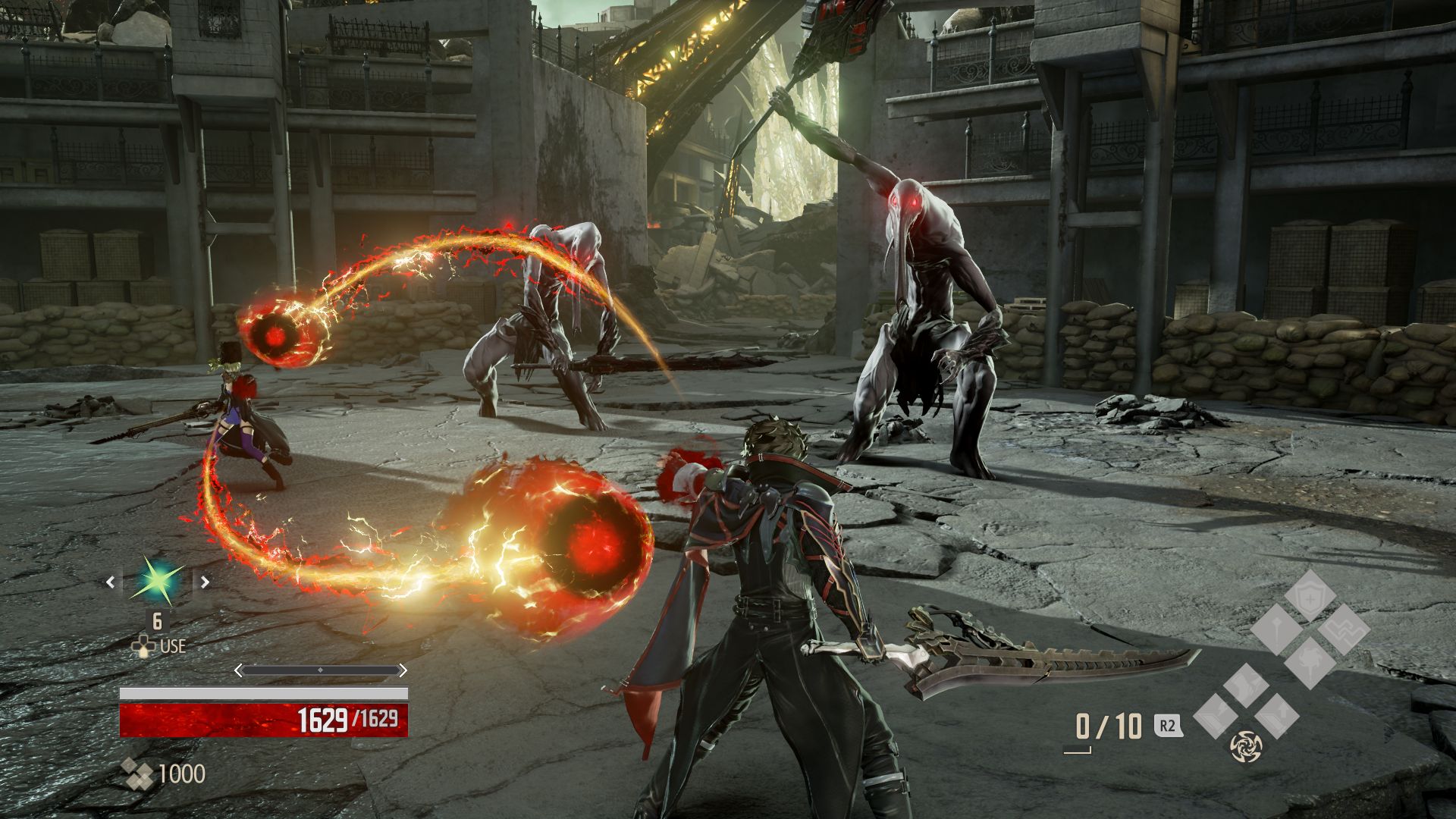
Code Vein is admittedly more hacky, slashy, and theatrical than Souls-like games, but it’s got much of that Souls essence intact. It has the bizarre architecture, the backstabs, the bonfires (mistles), basically all the Souls-like tropes you expect. It also rips from anime tropes like that’s its job: there are runway-level outfits, age weirdness, grunts for days, tropey dialogue, friendship is magic, the list goes on. Of course, I am the type of anime sicko who is here for all that, but if the veneer you’d like to see draped over a Souls-like game isn’t the back of a Uniqlo brand Naruto graphic tee, then you are in the wrong place, sister. On the other hand, if you have a Library of Congress worth of manga boxsets and anime VHS tapes, Code Vein will delight you, whether or not you have ever been Souls-curious. If you are Souls-curious, however, Code Vein will scratch that itch; you just may have to mute the dialogue or skip some of the memory sequences. A sequel, aptly titled Code Vein II, is also on track for a 2026 release.
Salt & Sanctuary (2016) and Salt & Sacrifice (2022)
by Noah Leiter
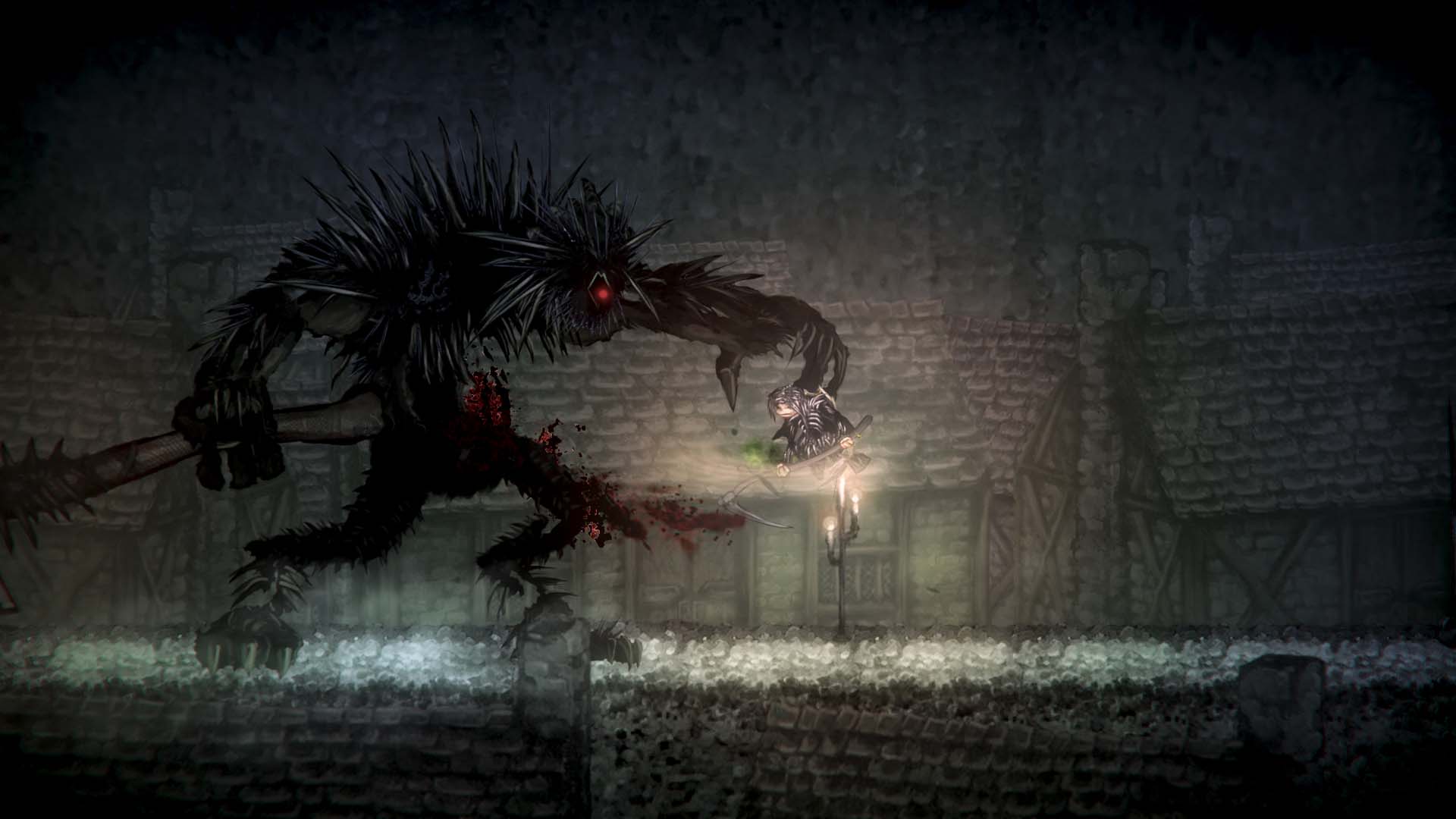
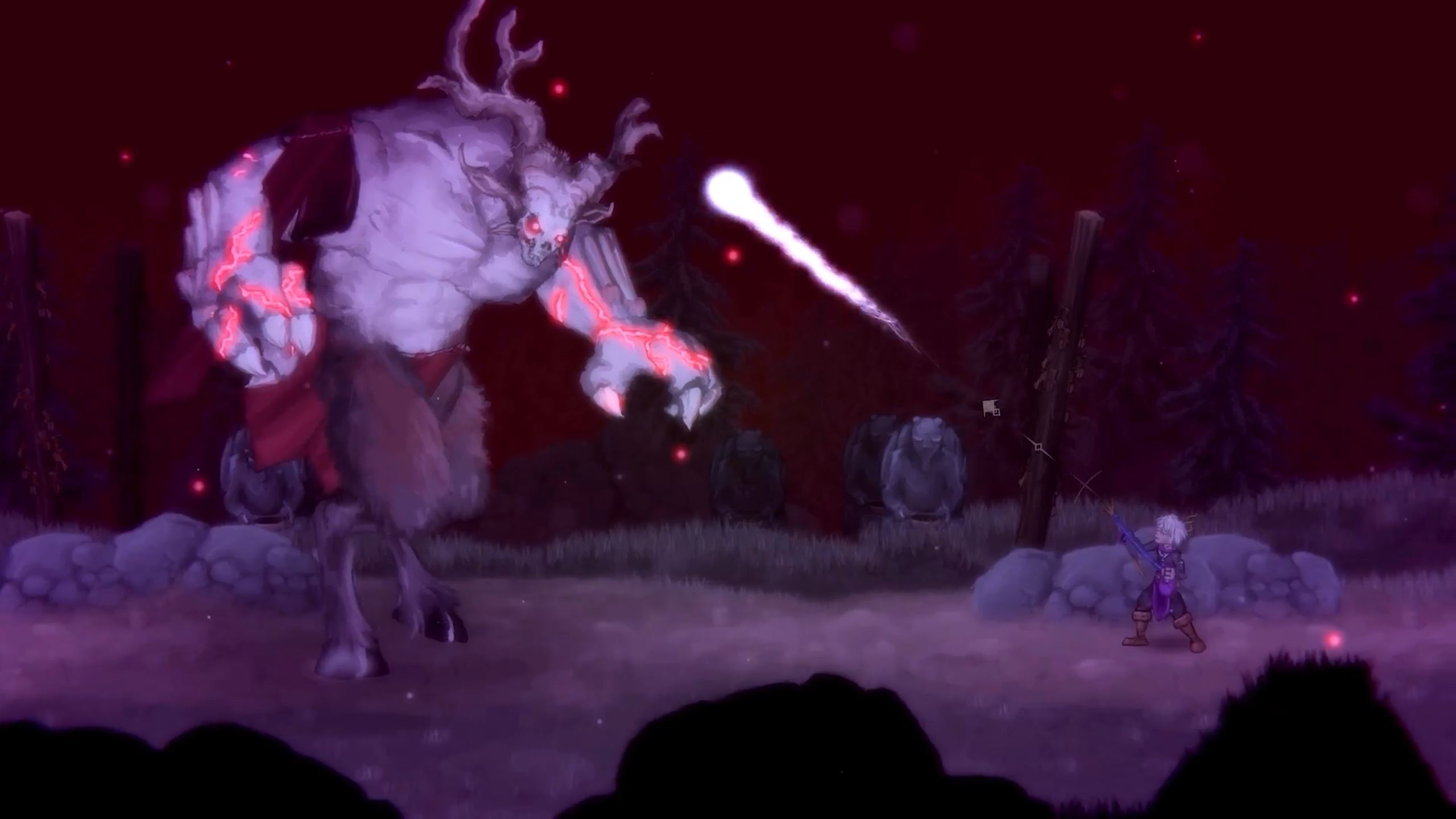
Genres and modes blend together in videogaming like food on an overfull buffet plate. The DNA of RPGs, stealth games, shooters, visual novels, and platformers are practically in every AAA game nowadays. So, it’s easy to see how the two other popular eponymic genres, Metroidvania and roguelike, blend well with Souls-likes. They all draw inspiration from a foundational text, they involve highly specialized progression systems, and they inspire passionate followings among genre fans. Metroidvanias, in particular, are both a gateway and a foil for Souls-like games, alike in progression and exploration, but different in moment-to-moment gameplay and story, though all of these elements reflect the tenor and vibe of a Souls-like game in a way that makes the transition seamless.
Nothing gets me craving a Souls-like more than a moody Metroidvania game, and the Salt & games are probably the best at bridging that gap of genre fandom. These games are like gravy between Souls-like’s peas and Metroidvania’s mashed potatoes on an overfull Thanksgiving plate of performatively blended game genres. They take tropes of Souls games, such as defensive and methodical combat, bonfires (sanctuaries), souls (salt), and so on, and throw them on an expansive 2D map with your typical Metroidvania unlockables (brands). This fusion is seamless, and fans of other wonderful and challenging Metroidvanias like Hollow Knight or Symphony of the Night looking to transition to the Souls-like genre should consider starting that process with the Salt & series.
The Witcher 3: Wild Hunt (2015)
by Noah Leiter
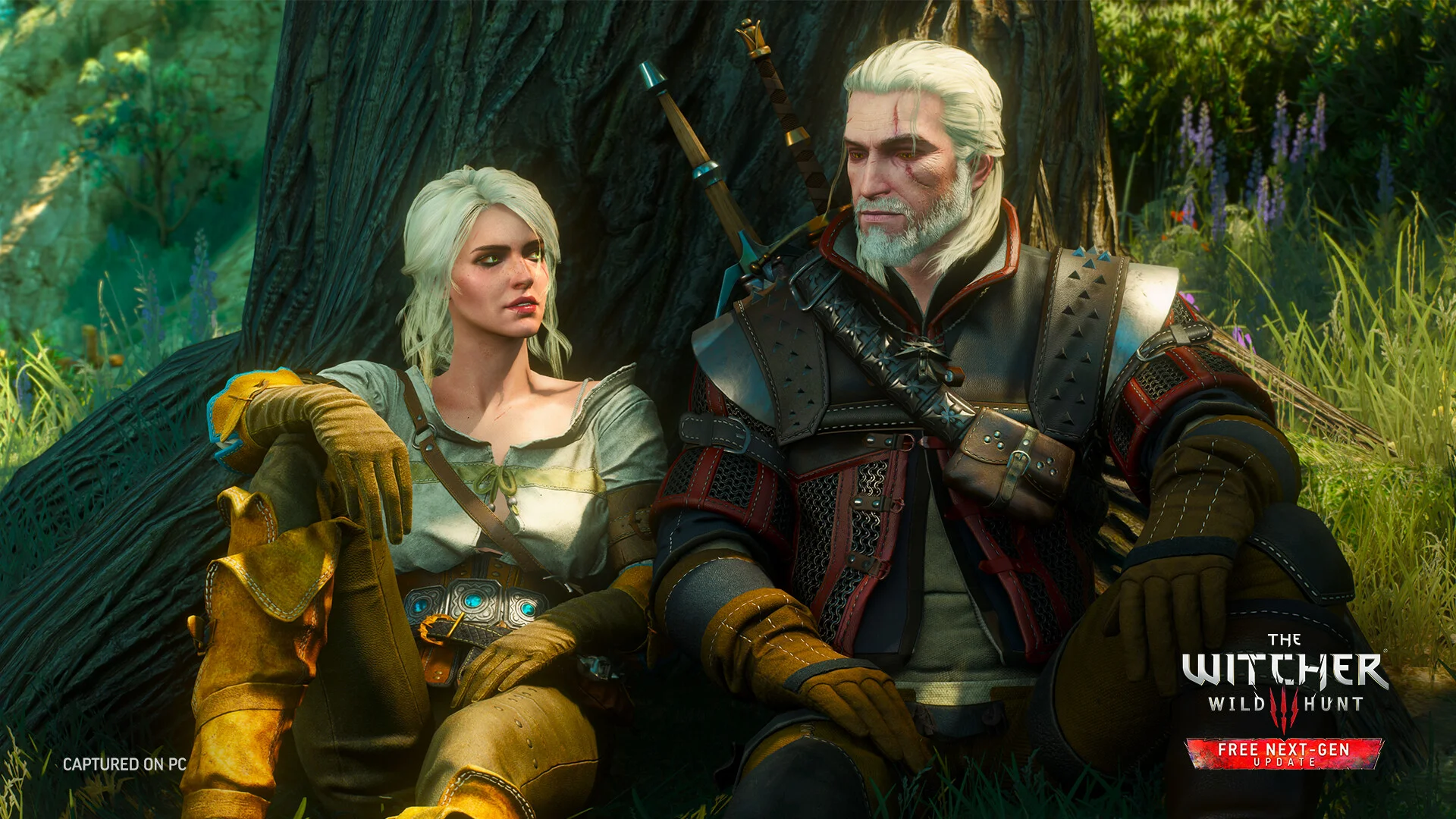
Finally, The Witcher 3: Wild Hunt is a great game for action RPG novices, but it may be a tough sell for folks who are already acquainted with Souls-like gameplay (it plays more like an Assassin’s Creed game than a Souls-like; some Souls veterans find it clunky for this reason). However, its sword-and-sorcery vibe is similar, as is its story delivery, in a certain way (hear me out). The Witcher 3 requires players to uncover its mysteries through investigation and active participation. Though its cutscenes and direct lorebuilding make it markedly different for most, there is at least some equivalence in its indirect storytelling and that of the Souls-like genre. It is, of course, more overt in its investigatory beat, tasking players with uncovering the mysteries of its items, characters, and storylines via journal entries, cutscenes, and Geralt’s Witcher Senses, rather than through menu descriptions, cryptic dialogue, and wiki pages, but the essence of unraveling deeper narratives through ingenuity and gameplay persists across the two.
The Witcher 3 is also a game about patience and preparation, requiring practice and occasional consumable work before fights. In this way, getting accustomed to The Witcher 3‘s style and gameplay may be a keen way of easing into Souls-like games, at the very least for those who are unfamiliar with Souls-likes or 3D action RPGs in general. Folks on the fence may also consider the Dragon’s Dogma or Lords of the Fallen series, which sit similarly in an aesthetic and narrative middle ground that might blend well with Souls-like titles.