
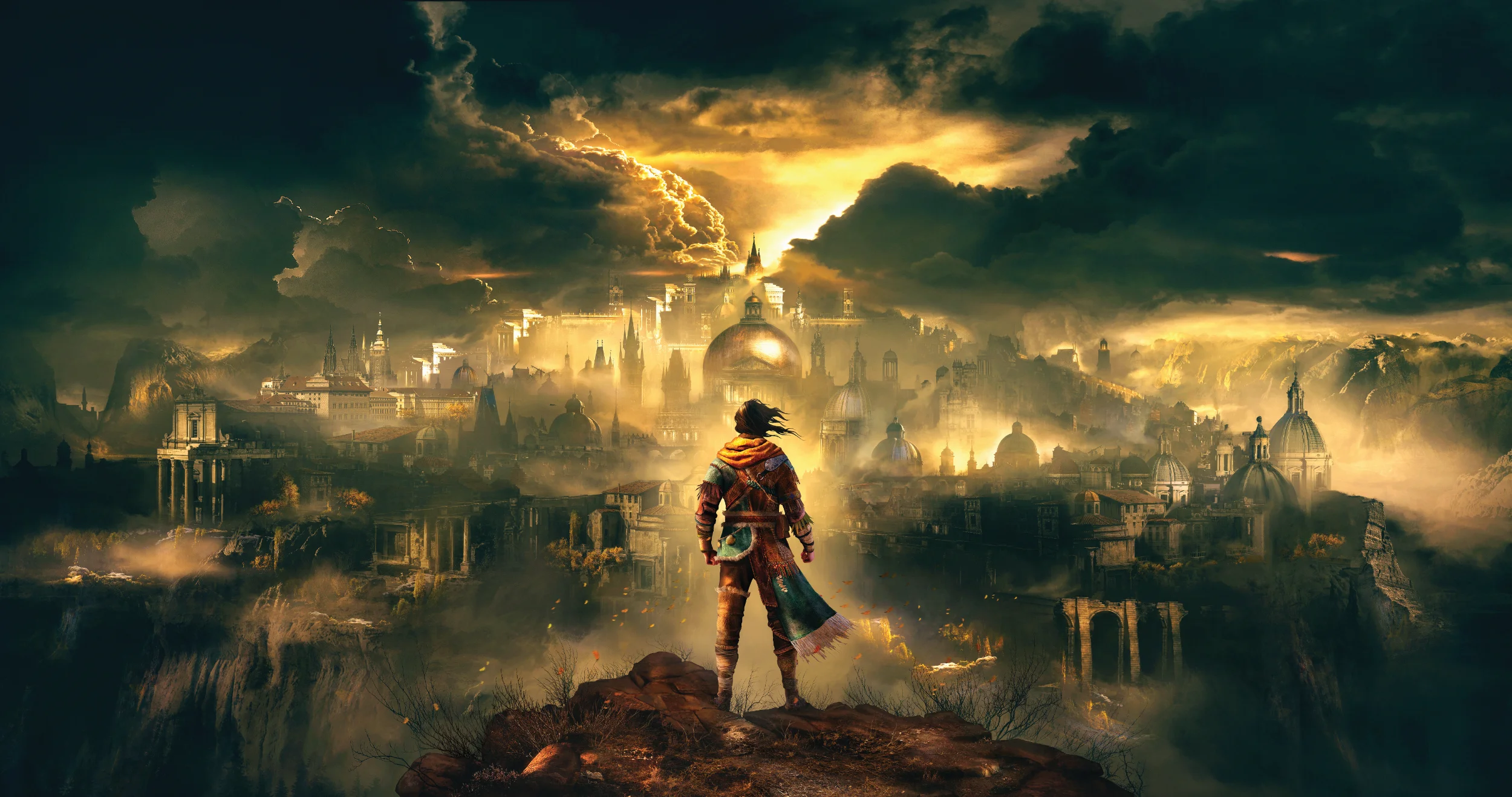
After a lengthy stretch in Early Access, GreedFall: The Dying World has now reached its full release. During development, the project went through several iterations and even adopted a new title to more clearly position itself as a prequel to GreedFall. Expectations were understandably high: the first game built a loyal following with its unusual colonial fantasy setting and strong role-playing framework, and the sequel’s extended Early Access period suggested a careful effort to refine its systems with community feedback.
Unfortunately, the final result feels uneven. GreedFall: The Dying World often seems like a step back from Spiders’ previous work, with parts of the experience feeling underdeveloped or structurally fragile. The art direction remains impressive—rich environments and thoughtful costume design still carry a lot of the studio’s identity—and the wider roleplaying systems can occasionally shine. Too often, though, these strengths are undermined by thin characterisation, inconsistent storytelling, and a range of technical problems. If you loved the first GreedFall, there are glimpses here of what might have been. But in its current state, it may require a generous helping of medical herbs—and perhaps a revival elixir or two—before it can truly recover.
In GreedFall: The Dying World, you step into the role of the “Rootless,” a native of Teer Fradeer training to become a sage and protector of their people’s traditions. After completing your initiation in a tribal village, the story quickly pushes you beyond your homeland and into the wider world. From there, you travel across unfamiliar territories, pursuing various leads and conflicts while working toward the central goal of eventually returning home.
For players familiar with the first game, however, the narrative feels less compelling. You don’t navigate the same high-stakes colonial politics or delicate diplomatic tensions that defined GreedFall. Even when you guide the protagonist into large cities, the story rarely explores how alien these places should feel—there’s little sense of culture shock or struggle as you move through environments far removed from your upbringing. It doesn’t help that the game is clumsy in how it positions others in responding to your differences, too: often it just boils down to being branded “violent savages” and playing to the lowest common denominator of societal response. While you do make choices and follow branching plot strands—and there are quite a few moments where you can decide how to proceed—decisions feel less impactful than they should in GreedFall: The Dying World, with the story moving forward in largely the same way regardless of your input, or without significant impact on characterization.
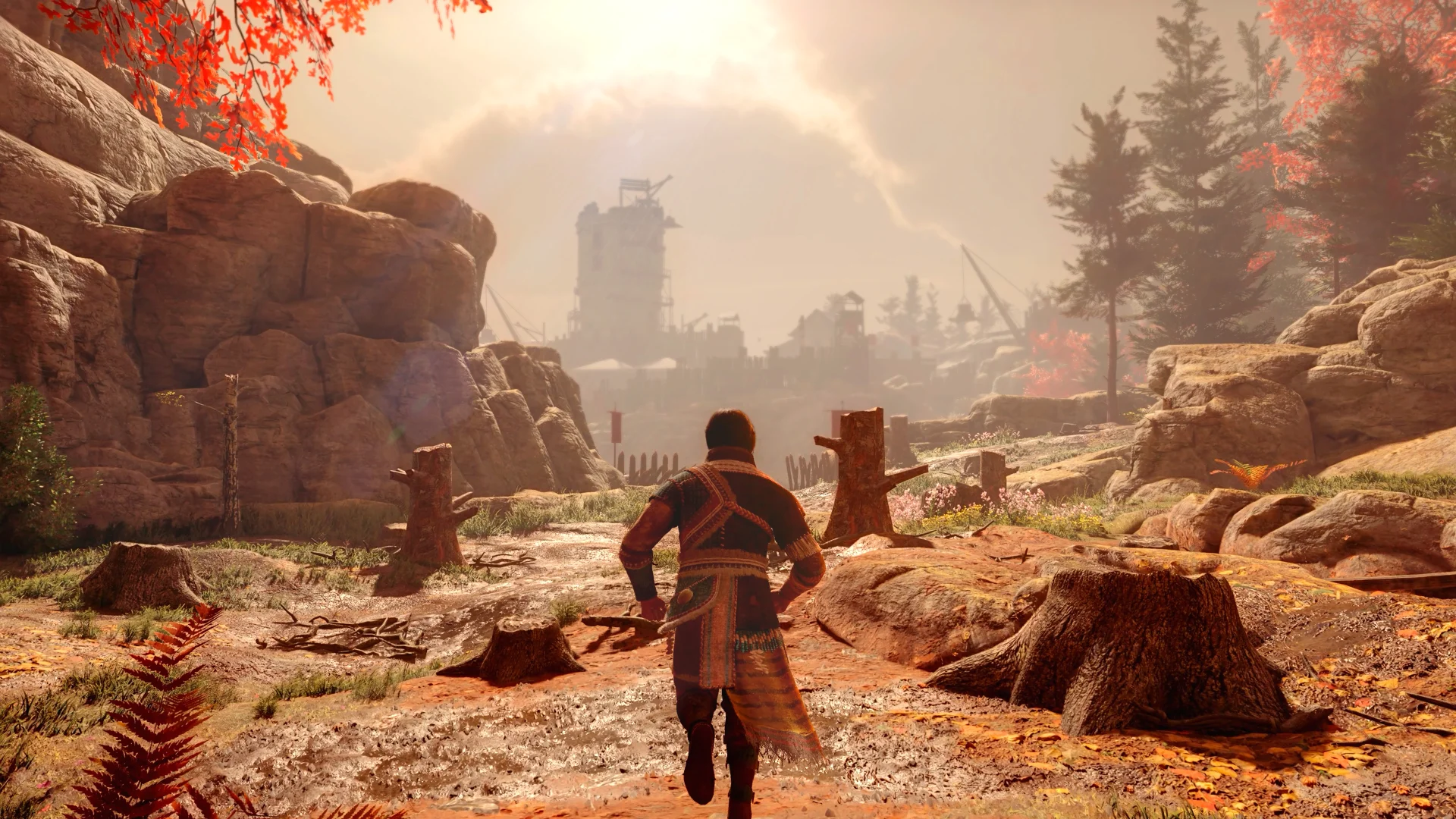
Truth be told, GreedFall: The Dying World doesn’t make a strong first impression. As you begin your journey, you encounter a weak tutorial and a flood of stats and unfamiliar terminology, making the opening hours feel more confusing than engaging. The early prologue missions largely consist of routine busywork, lacking the sense of grand purpose that gave the first game its momentum. This is compounded by the protagonist’s limited backstory, leaving your character feeling somewhat hollow during these early moments. Without much narrative weight behind them, it’s difficult to feel invested in their motivations or role in the wider world. Thankfully, the game begins to find its footing once the map opens up and you gain more agency in the mid-game. With greater freedom to travel and pursue objectives, exploration becomes more appealing. Even then, however, the narrative justification for visiting many locations often feels thin, with objectives that can seem arbitrary or loosely connected to the larger story, and a main villain who’s largely absent for long stretches.
GreedFall: The Dying World gives you plenty to take in as you move through its cities and wilderness, presenting environments with a quaint, naturalistic style that leans heavily on mood and small details. As you explore, each location feels distinct: you climb through high quarries, wander dusty streets, and pass through autumnal forests that subtly shift the tone of the world around you. When you enter the slums of Peren, you pick your way through ragged washing lines, broken furniture, and crowds of desperate beggars, all shrouded in a lingering miasma that gives the district a strong sense of place. Elsewhere, you can lose your bearings along the maze-like boardwalks of the Nauts’ maritime harbour or trace the edges of Olima’s crumbling balustrades. What helps these spaces feel alive is the small activity happening around you. NPCs tinker with wagon wheels, chat about local beliefs, or simply ask you for coin as you pass by. None of these moments are elaborate, but as you move through each district, they build a simple sense of verisimilitude.
Dialogue throughout GreedFall: The Dying World is fully voiced, and the performances are generally solid, even if the script itself occasionally lets things down. There are a few awkward moments—incorrect pronouns, the odd non-sequitur—that suggest the writing could have benefited from an additional editing pass. The native language, Yecht Fradi, also returns from GreedFall and is used prominently during the opening prologue, helping to establish the player character’s cultural background. As the story progresses, however, its presence fades, becoming more of a flavourful reminder than a meaningful narrative device.
Visually, the game does a lovely job with clothing and armour. Rather than leaning too heavily on the familiar plate armour and heavy gauntlets of traditional fantasy, GreedFall: The Dying World embraces an antique aesthetic that gives equipment a distinctive character. Outfits are mostly interchangeable across companions, which opens the door for some surprisingly stylish party combinations. My version of Till, a hard-hitting mercenary, spent a good portion of the mid-game dressed like he’d wandered out of a vaudeville pantomime—but he absolutely owned the look.
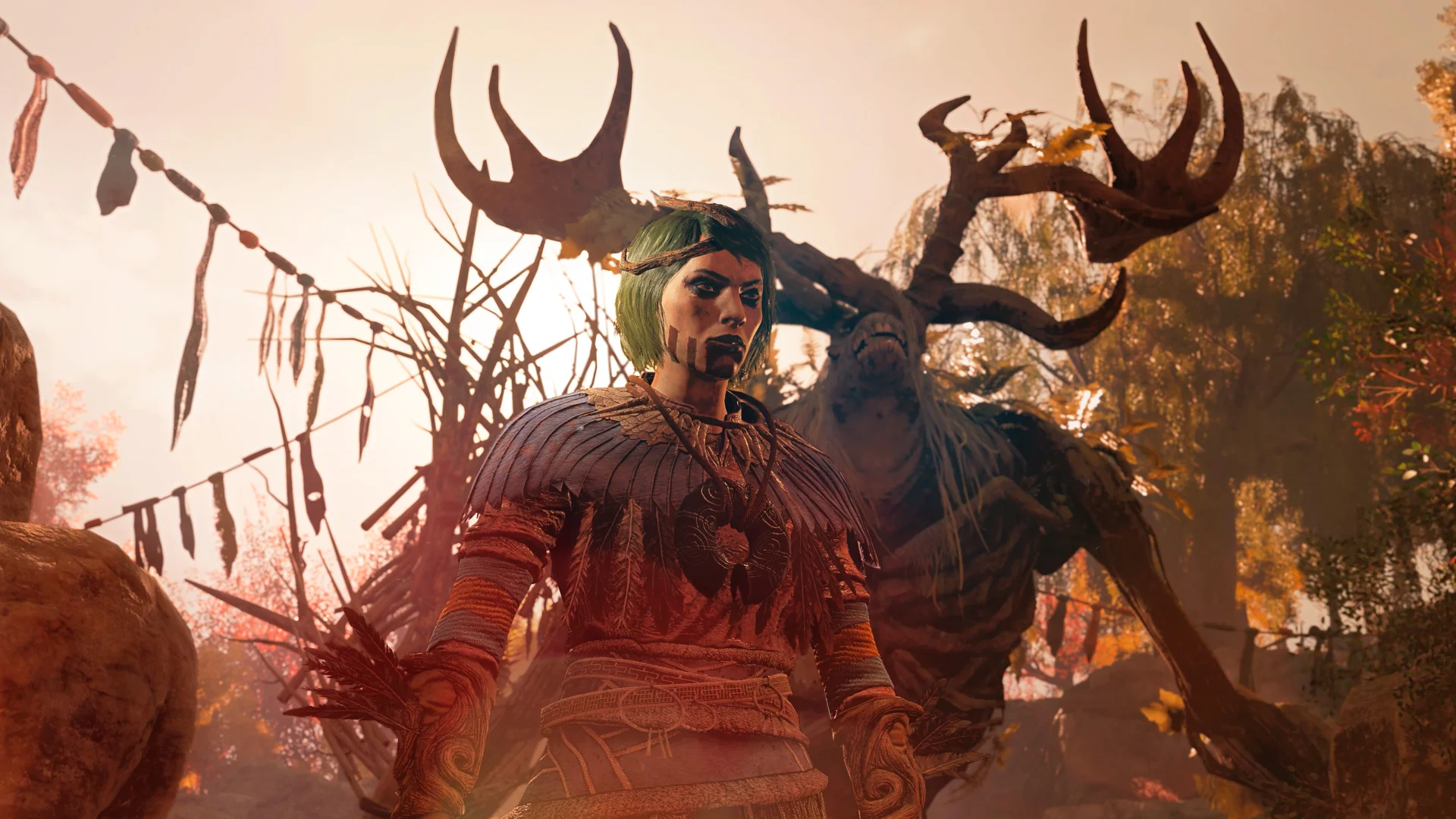
Spiders have significantly reworked combat since the first game. This time, the influence of Dragon Age: Origins is clear: battles unfold in real time but can be paused, and abilities revolve around crowd control, buffs, and managing cooldowns. From the start, you can also adjust how much control you want over the party, which feels like a deliberate nod to the fact that full tactical control—directing every character—can make encounters long and fiddly. Neither control style feels perfect on its own, but the game offers enough flexibility to find a comfortable middle ground. Difficulty options and hybrid control modes let you tailor the pace and complexity to suit your preferences. One thing is certain, though: if you appreciated the more action-oriented combat of GreedFall, you’ll need to adjust to a very different system here.
Even with these changes, GreedFall: The Dying World struggles to teach its combat systems effectively. Early on, you’re confronted with a flood of keywords and mechanics, and the game doesn’t always make their relationships clear. The basics—such as the physical and magical armour layers that increase durability until you break them with the right weapons or abilities—are easy enough to grasp. Beyond that, however, things become murkier. Status effects lack clear explanations, and setting up tactical advantages—like ambushing enemies or positioning your party on higher ground for bonus damage—often feels awkward.
Combat also feels buggy or broken at times. Sometimes abilities simply fail to trigger—Taunt proved particularly unreliable in my experience—or commands send characters running toward the edge of the combat zone instead of engaging the intended target. Occasionally, party members will chase the wrong enemy entirely, ignoring the one you’ve selected. Beneath these frustrations, you can glimpse the foundations of a deeper system built around weapon types, attack speeds, and layered effects. But right now it feels unpolished, and it doesn’t compare favourably with the smoother combat of GreedFall, a contrast that has drawn criticism throughout the prequel’s development.
Beyond attributes and combat abilities, your character can also invest in a range of aptitudes that shape how you interact with the world. These cover practical skills such as Alchemy and Craftworking, opening up alternative methods for solving problems outside of combat. While you gain some aptitude points through leveling, equipment bonuses, and relationships with companions or factions can raise these skills further. Improving aptitudes unlocks useful advantages: you can craft stronger gear, pick tougher locks, or safely disarm traps. Others—such as Diplomacy or Stealth—directly affect how you approach missions. At times, you can complete objectives by sneaking past enemies or talking them down instead of charging in headfirst. It’s one of the game’s more elegant systems. The choices feel meaningful without becoming overwhelming, and it never demands constant ingredient hunting or rigid skill requirements tied to specific factions.
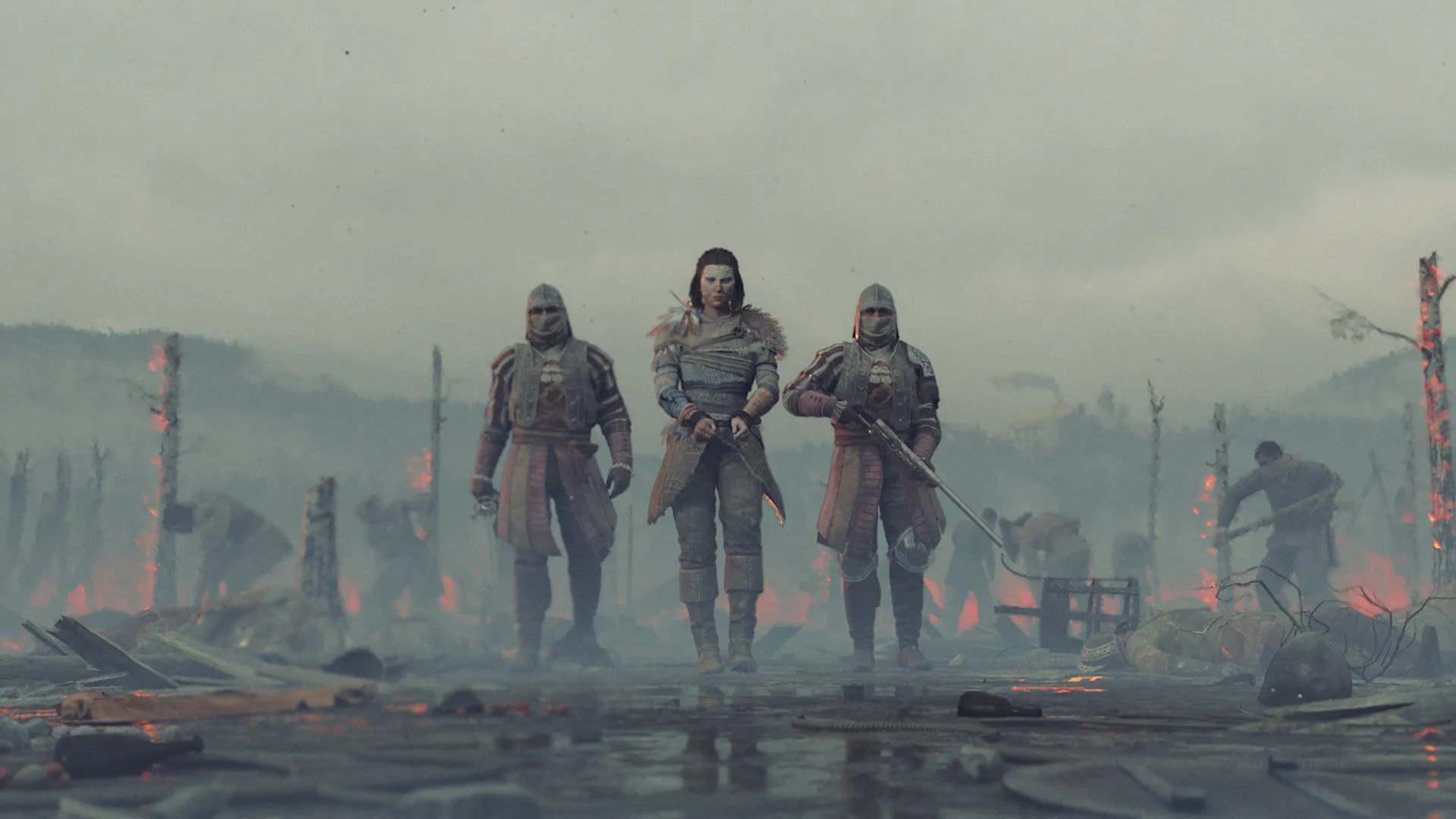
GreedFall: The Dying World suffers from a frustrating number of technical problems—even by the already buggy standards associated with Spiders’ prior games. Minor issues appear constantly: strange bursts of overly bright lighting, odd visual glitches, and wobbly geometry that breaks the illusion of the world. Unfortunately, the problems don’t stop there. More serious crashes to desktop and broken or repeating quest triggers cropped up far too often during my time with the game. On several occasions, the game remained stuck in combat mode long after a fight had ended, preventing further progress. At other times, I suddenly lost the ability to interact with objects or characters altogether, which again halted the game completely. In the worst cases, simply saving and reloading didn’t fix the issue—I had to revert to an earlier save from before the bug occurred. As a result, I found myself saving compulsively every few minutes, not out of habit but out of necessity.
Ultimately, after putting 20+ hours into the game, I was unable to complete it due to a significant bug that prevented me from accessing a late-game main quest, despite trying to find several workarounds and reloading much earlier saves. I started a second playthrough to discover that the game had been patched to a build apparently so different that it rendered my second round of save files incompatible without notice. At this stage, the planned review became an impressions piece and a renewed PSA for potential buyers, given the bug reports still peppering buyer reviews. In its current state, GreedFall: The Dying World needs significant patching, and prospective players would be wise to approach with caution.
GreedFall: The Dying World doesn’t quite come together as a cohesive, satisfying experience in its current state. Individual elements show promise—there are thoughtful touches in the artistic design, and some of the underlying systems, like crafting and layered combat defenses, hint at greater depth. Unfortunately, those strengths are often overshadowed by a broader sense of aimlessness that runs through much of the game so far. Taken together with the number of technical issues present at the moment, it can feel like a step back from GreedFall and from other AA+ RPGs now available.
Still, with patches and continued development, there’s room for the game to grow into the ideas it gestures toward. For now, though, GreedFall: The Dying World feels like a project that needs significant support and refinement before it can truly stand on its own.


Leave a Reply
You must be logged in to post a comment.