
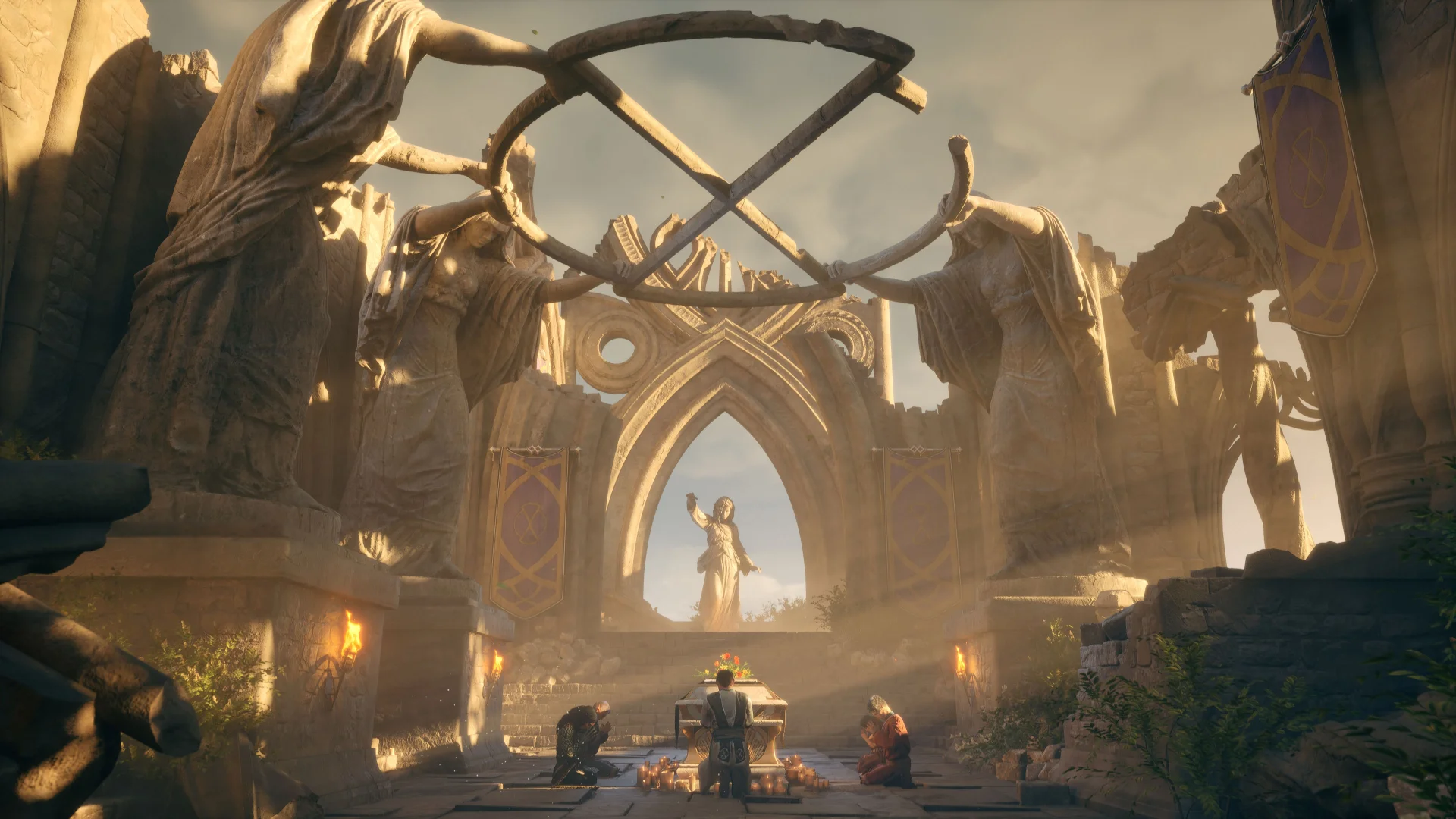
After roughly fifteen hours with its Early Access build, it’s safe to say Solasta II is shaping up to be a better version of its predecessor. The developers have clearly invested time in refining the graphical fidelity with a shift to Unreal Engine 5, expanding the range of roleplaying systems, and aiming for a more impactful narrative. That said, the current build still feels more like a developing toolkit—one designed to showcase the potential and flexibility of its underlying systems—than a bold step toward redefining narrative scope or competing with the genre’s biggest names, arguably unfair comparisons the original faced.
The developers at Tactical Adventures have been clear that comparisons between Solasta II and Baldur’s Gate 3 aren’t especially useful, describing the two as “different beasts” despite their shared tabletop roots. While both draw from the Dungeons & Dragons 5th Edition rules, Solasta II is built by a much smaller team, and it feels like there’s a focus on tactical combat, systems-driven design, and faithfully recreating the feel of a tabletop campaign, rather than the cinematic storytelling and high production values seen in Larian Studios’ hit. The merits of the Early Access build prove Solasta II might just have a chance of finding a successful niche in the genre.
Solasta II delivers a noticeable step up in visual detail, bringing both its jungle and urban environments to life with greater fidelity. Rural areas and city spaces alike feel richer and more densely layered, with far more tucked into each nook and cranny, alongside an increased sense of scale and verticality that builds—quite literally—on one of the original’s key strengths. The opening city, Caer Mar, establishes a strong sense of place, from busy marketplaces packed with wares to lively, bustling plazas.
There are still some rough edges to be ironed out: the dialogue and cutscene camera can feel impressively tense and cinematic, but its occasional shake and shudder can become distracting, while character expressions veer into the exaggerated gurn a little too often. Even so, these are growing pains that point to a more ambitious vision than before—and a team becoming increasingly confident with Unreal Engine 5.
Voice acting in Solasta II is likewise improved, with several experienced performers bringing greater weight and personality to the dialogue. While the script still feels clumsy in places, the overall sense of character and delivery is stronger, helped by the clever concept of each party member representing a different sibling within the same family—each shaped by their own experiences and perspective. For example, the “golden child” contrasts greatly with the “scapegoat” sibling in conversations, adding a fresh dynamic to interactions. The orchestral score is pleasingly robust, matching content and scenario well, even if it doesn’t add anything too unexpected for the genre.
Solasta II‘s story, unfortunately, hasn’t grabbed me yet. From the outset, you control all members of the orphaned Colwall family, but the game throws them at you without much introduction. Instead of easing you into their backgrounds or relationships, it feels more like a tabletop “session zero,” where a group has just created their characters and jumped straight into play. This approach might have worked for Solasta 2 if the narrative had gradually revealed their personalities over time, but early interactions mostly push you toward the next objective or combat encounter.
Even the central premise feels loose: the orphans’ adoptive family has links to a religious faction bound by some kind of covenant to oppose an evil known as Shadwyn. The details remain vague, and the lore leaves quite a few gaps for you to form a clear understanding of what’s at stake, especially as the party is whisked off to another continent (and another lore dump) early on. While the current Early Access ending hints that the next chapter may fill in these blanks, the opening would benefit from a more grounded introduction that better establishes the characters, their relationships, and the motivations behind key NPCs.
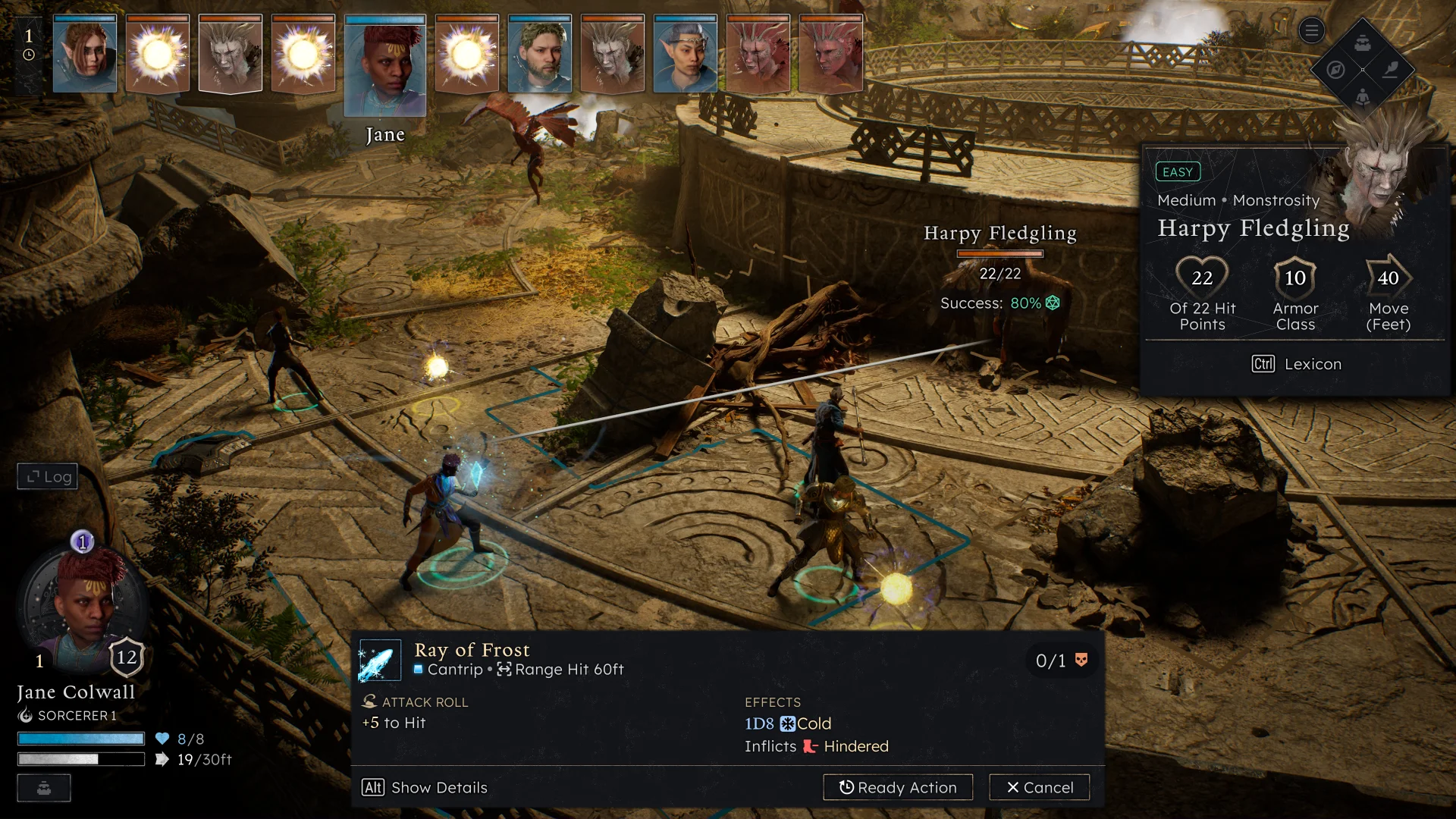
Solasta II keeps its character options deliberately close to the D&D template. You build from a familiar pool of ancestries—Elf, Halfling, Human, and Dwarf—with a handful of sub-variants available for elves adding light mechanical flavour on top. Class selection currently mirrors a tight, balanced selection: Cleric, Fighter, Paladin, Rogue, Sorcerer, and Wizard form the core line-up, each branching into subclasses a few levels in to define role and playstyle more clearly. The selection skews toward classic party composition, namely frontliners, divine support, arcane damage, and utility. As a result, builds feel grounded and readable, but a little conservative, especially if you’re hoping for more exotic or hybridised roles early on.
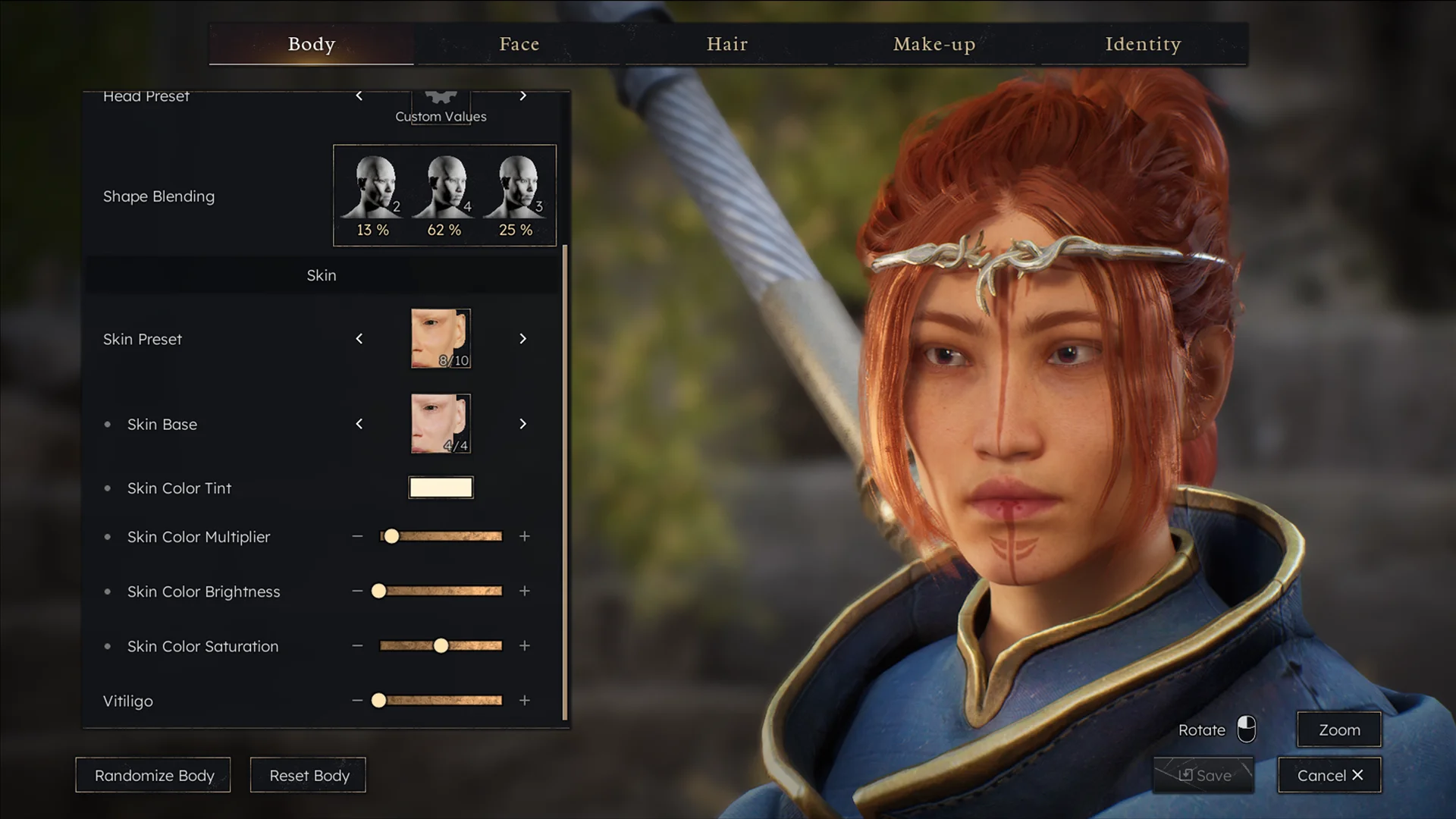
Spell lists, meanwhile, remain one of Solasta II‘s strongest and most faithful systems. Casters draw from class-specific lists that follow tabletop conventions, with cantrips, spell slots, concentration, and components all implemented cleanly. The available spells cover a wide range—damage (Fire Bolt, Magic Missile), control (Sleep, Shatter), and support (Bless, Cure Wounds)—and reinforce clear battlefield roles. Because spells tie so tightly to class identity, they do a lot of the heavy lifting in differentiating builds, especially given the relatively limited number of active abilities elsewhere.
Taken together, the current selection feels solid but restrained. There’s enough variety to build a functional and varied party, but the overall pool leans heavily on familiarity, which is reinforced by the current character level cap. Like the rest of Solasta II’s systems, the class system prioritises faithful implementation over experimentation—rewarding players who enjoy working within the structure of the tabletop rules, while leaving a sense that future updates could broaden the palette considerably. If you aren’t willing to accept this limitation, it would be wise to wait until later in the game’s development.
You’ll need to actively use every part of your character’s toolkit in turn-based combat because encounters show little mercy. Success depends on a solid grasp of the rules, along with smart kiting, positioning, and control of terrain and line of sight. The hard-hitting enemies scale quickly in level and health and often overwhelm the battlefield with sheer numbers.
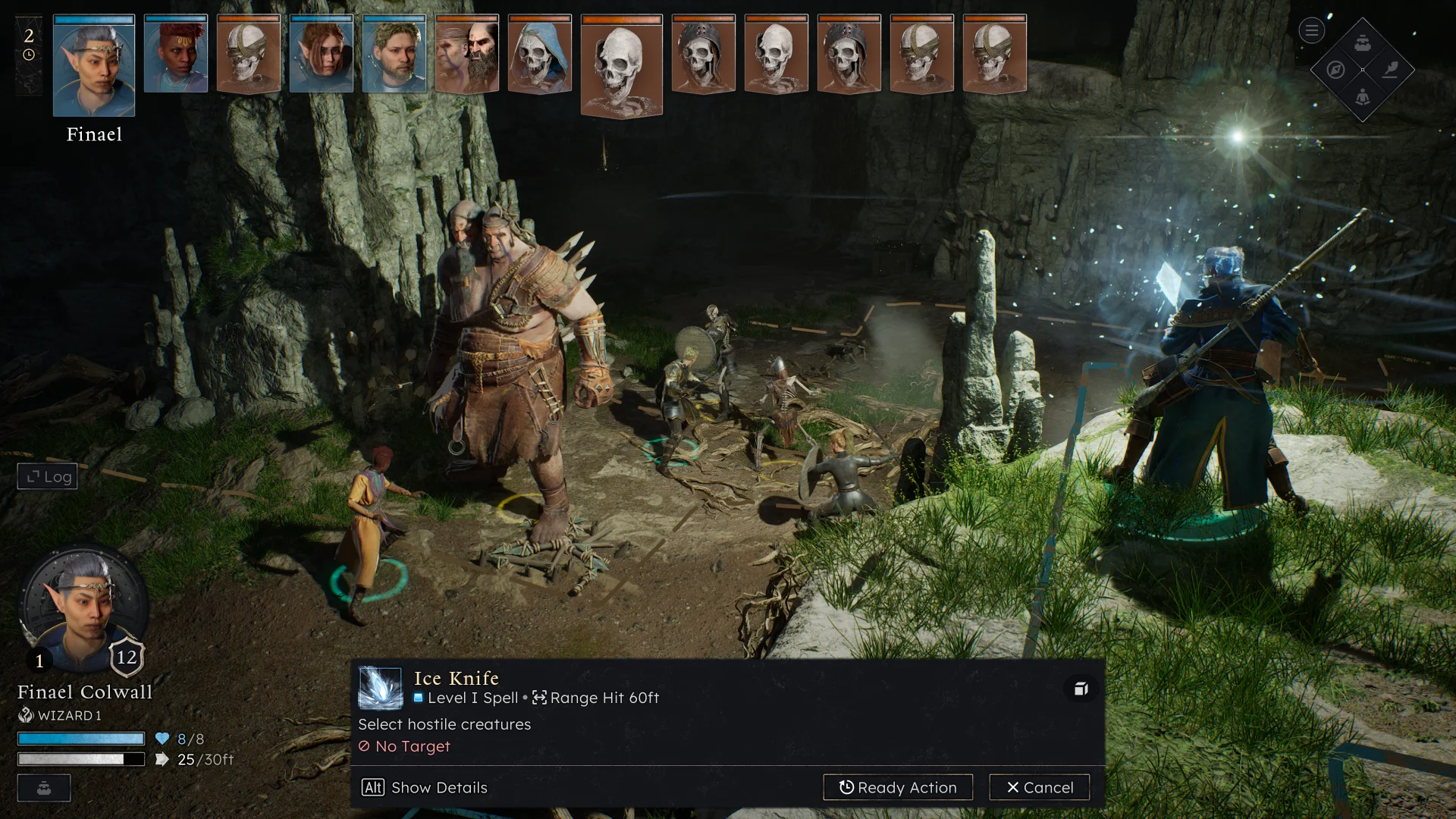
Solasta II shines in these moments. Its clean, intuitive combat UI makes it easy to plan movement, positioning, and ability use without friction. Even in Early Access, encounters show promising design variety: an all-undead battle tests sustained damage and crowd control, while a brutal ambush—featuring terror birds and snipers on high ground—forces you to rethink loadouts and spell choices. Although there are some environmental actions and opportunities, it’ll be good to see more as the game progresses to break up longer combats: Solasta II can’t hide the fact that 5th Edition, despite being reasonably quick, can still get bogged down in extraneous reactions and multiple dash maneuvers.
Solasta II showcases the nascent start of its other roleplaying systems. Faction identity and alignment play a role in the Colwalls’ journey, with standing influencing dialogue options and unlocking access to specific merchant catalogues. You can align with a wide range of groups—from rebels seeking to overturn the status quo in Caer Mar to the nomadic Ka’Umm who roam the wildlands—each offering different perspectives and opportunities.
Exploration leans into a traditional hex-based structure. As you uncover the map, you trigger short narrative events with skill checks or enter larger, bespoke locations such as ancient tombs or tribal settlements. Travel consumes time, and some encounters expire if you delay, forcing you to prioritise which leads to follow before resting. Crafting materials appear frequently throughout your journey, but the system itself remains unavailable for now, with its full implementation expected later in the year.
Much like the two-headed ettins that roam its world, you can read Solasta II in two ways. On one hand, it presents a rich playground for 5e systems, supported by a clean, well-designed UI, strong visual assets, and the clear promise of ongoing updates and community-driven expansion. On the other, the current campaign feels sparse, and the roleplaying and character development systems don’t yet match the strength of the underlying mechanics. For all its technical fidelity, the experience can come across as more of a framework than a fully realised adventure.
In that sense, Solasta II brims with potential, but much lies ahead, likely to be shaped by future updates and player input. Whether that will be enough to elevate it into the top tier of the genre, especially as its main rival begins to fade in memory, remains an open question. For now, I’m willing to set out after that promise myself, give it time, and see whether this journey leads somewhere truly memorable.


Leave a Reply
You must be logged in to post a comment.