

Steam Next Fest is here, and running through Monday, June 22nd. You probably already know that. Just like you probably know there are hundreds of games featured on Steam across all genres, many with newly released demos for you to try. We can’t hope to list everything notable in the RPG and adventure gaming space here, but what we CAN do is play some of the demos out there and share our thoughts on some that are worth your time this weekend.
As always, many of these demos may still be available after Next Fest ends, but sometimes they exist only as long as the event does. And so, I tasked some of the team here with an unfair — but still voluntary mission — to play and write about as many cool demos as we could this week and still be able to present them to you while Next Fest is still running.
We are publishing this article with seven demo impressions [EDIT: Now nine!], and will add more throughout the weekend if more catches our collective eye. We’ll update the headline, so do check back through Monday to see more additions! For now, I’ll let Ben, Hilary, and Neal share their thoughts, and you’ll find a list of additional games we’re eyeing at the end!
Intro & Setup by Mike Salbato
The 9th Seraph
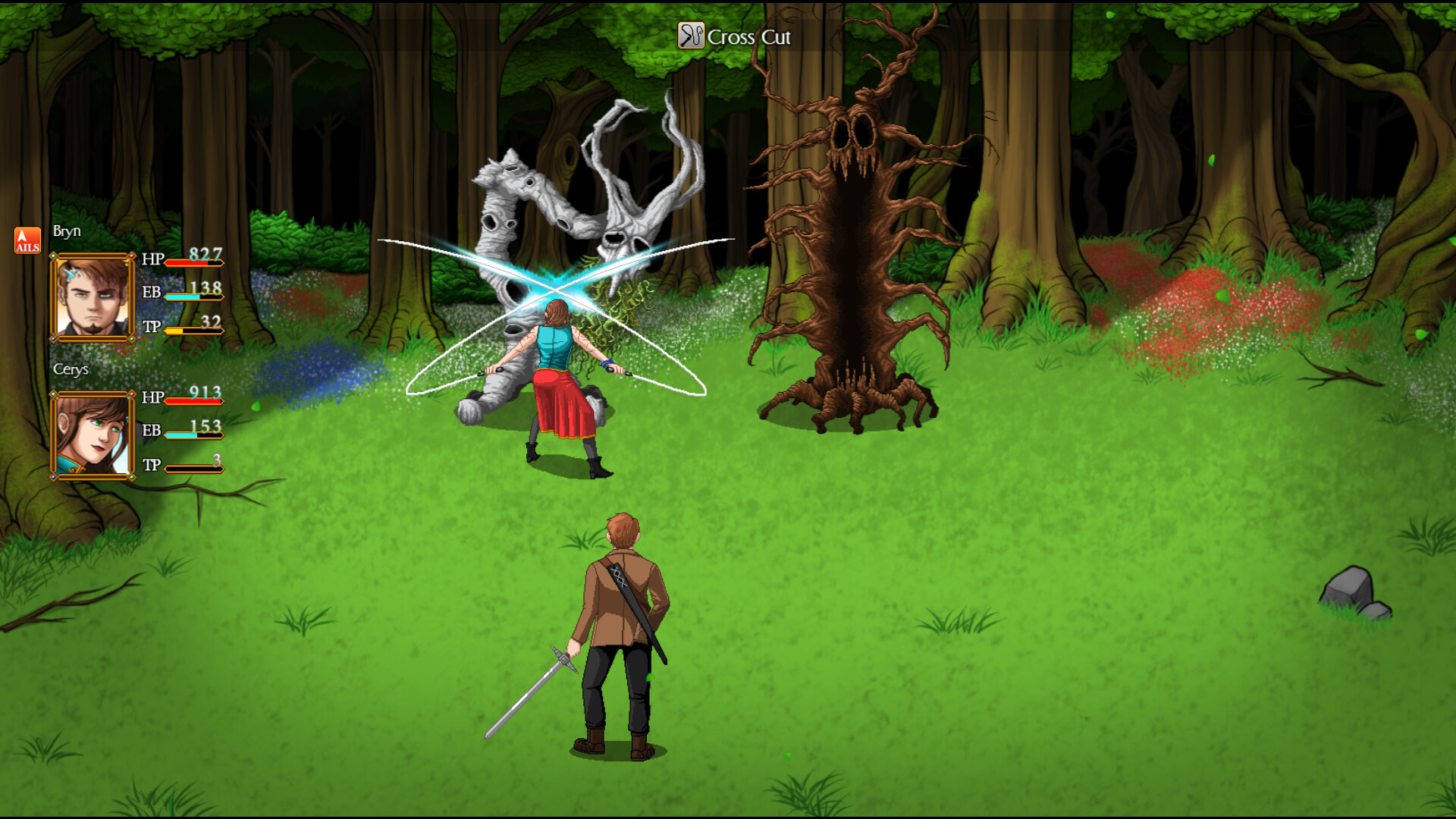
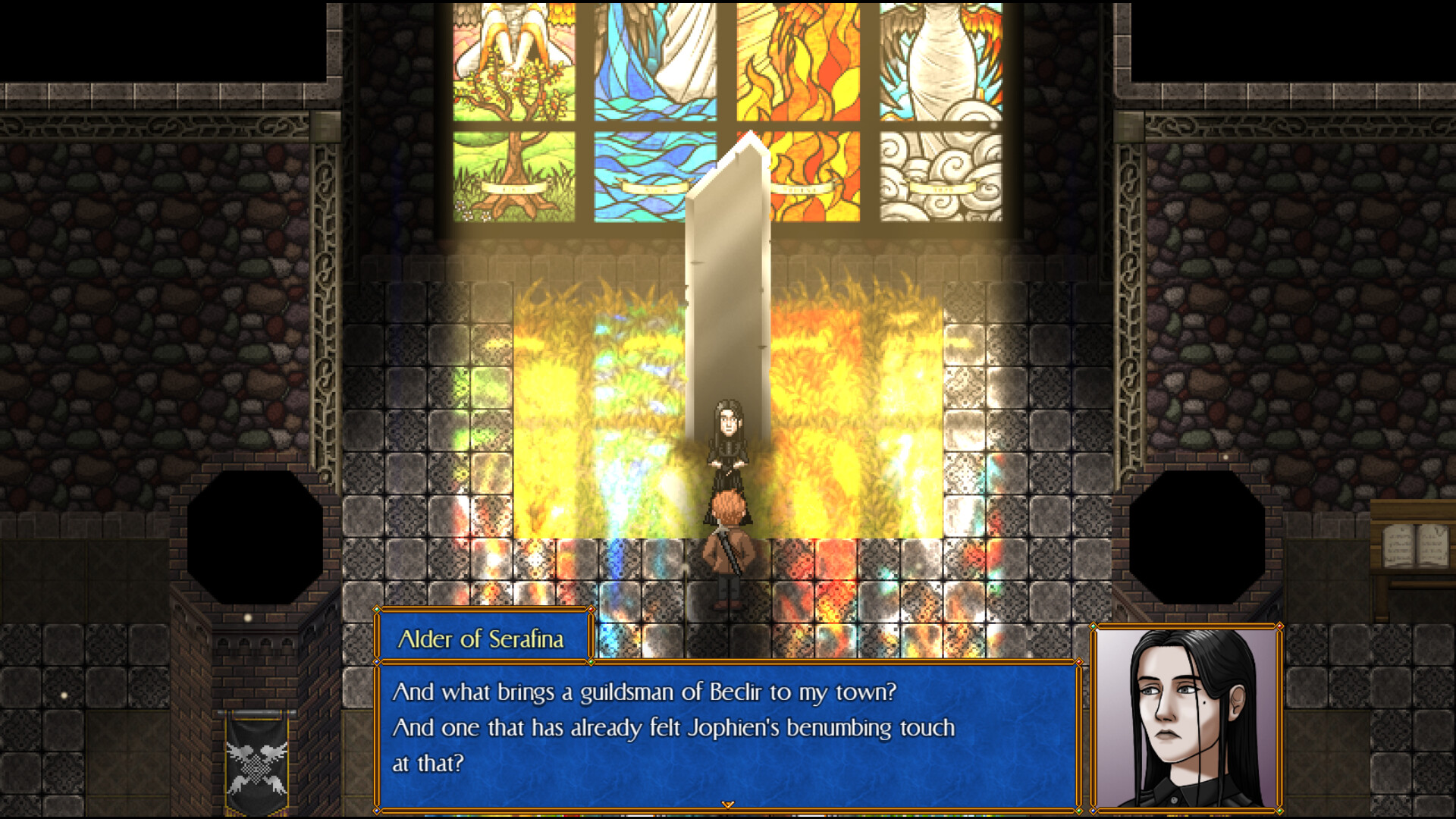
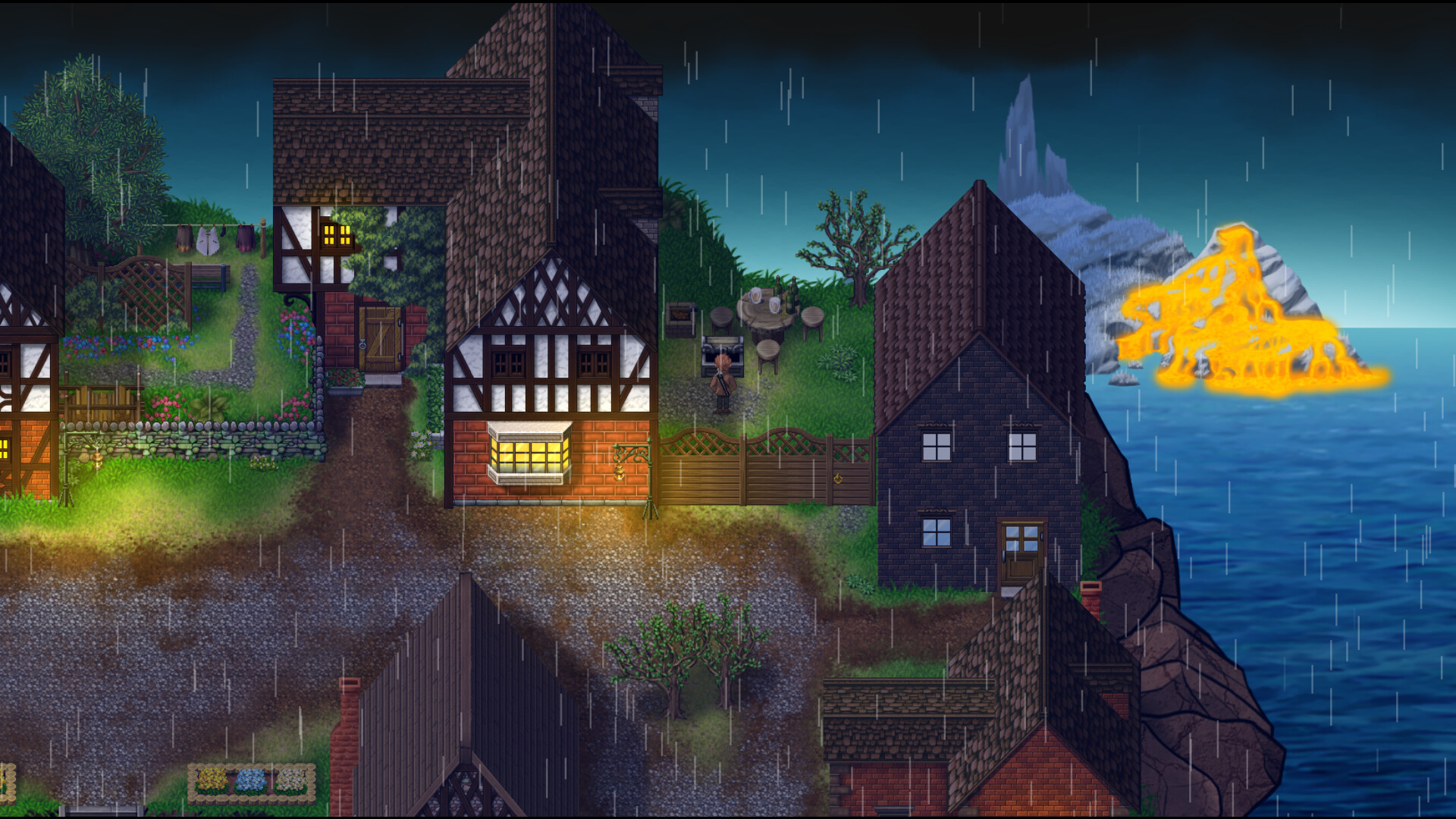
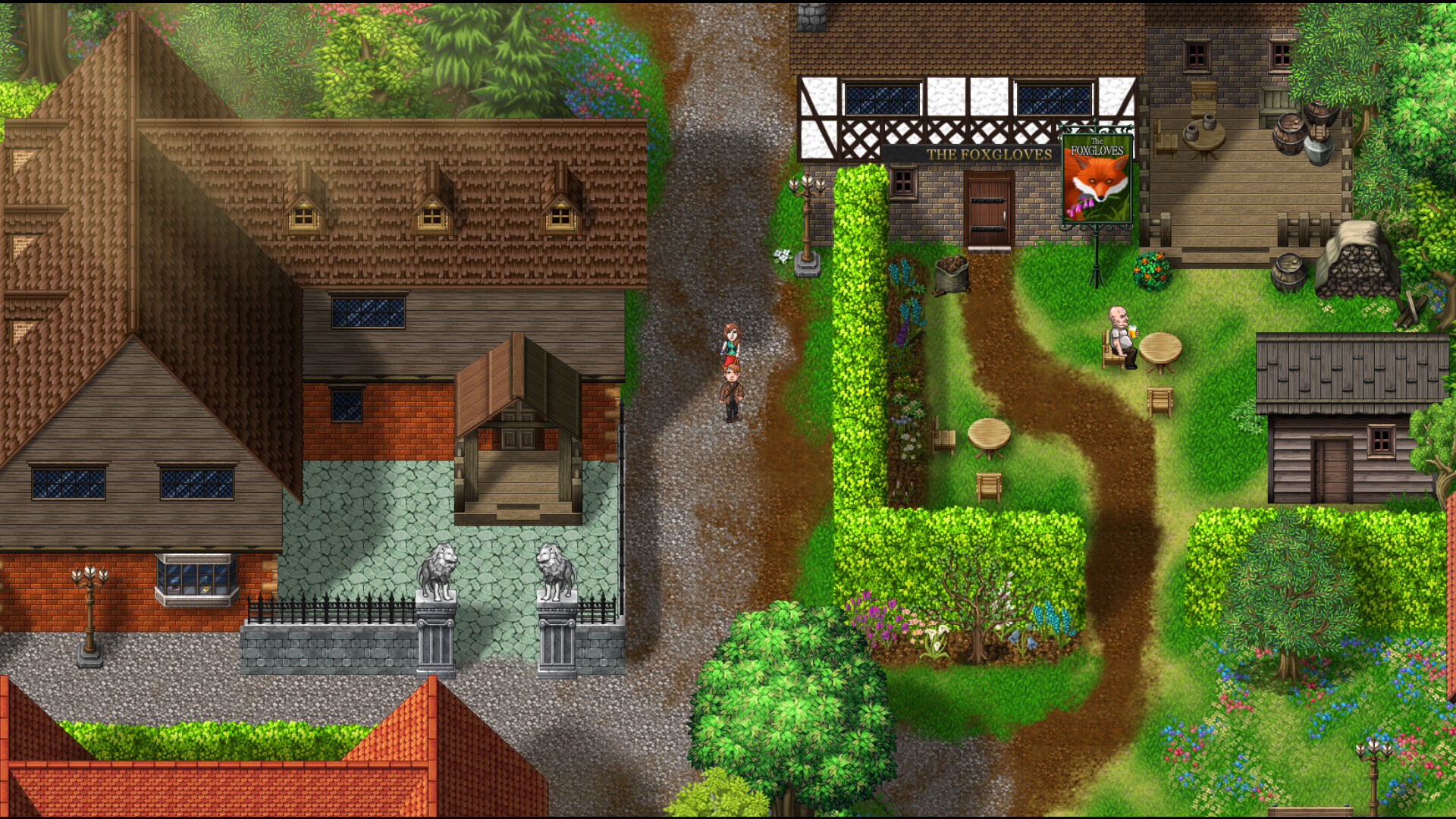
The 9th Seraph by StubbornKoi is an upcoming J-style RPG with a lengthy Steam demo. The 9th Seraph presents a fractured world where beasts called golems are pushing human populations to the brink of extinction. To fight back, humans train in wielding powers based on the four major elements: earth, fire, air, and water. Our cynical protagonist Bryn is an apprentice “firemaker” who simply wants recommendation to the order of Angelknights so he can finally get paid to eradicate golems. Unfortunately, he is wrongly blamed for a catastrophe that causes firemaking to be banned, simply for being in the wrong place at the wrong time. Thanks to an influential friend’s favor, Bryn switches disciplines to earthmaking and is back to square one again.
The premise is familiar, as is the traditional turn-based gameplay, but the true strength of The 9th Seraph lies in its involved and well-crafted writing. StubbornKoi has clearly thought out the expansive worldbuilding and created characters that, even this early in the game, feel like complex people rather than preset archetypes. They aren’t idealistic youths on a rip-roaring adventure. They are new adults who’ve already been browbeaten by a fractious world and cope with their past traumas in surprisingly relatable ways.
Yes, The 9th Seraph was created using RPG Maker, but it has plenty of original art, music, and other aesthetics. It’s not a flashy looking game, but is still a handsome one where every aspect looks and feels as intended. For RPG fans, I think this one has it where it truly counts.
If you’re looking for a traditional J-style RPG with involved writing, heavy themes, and complex adult characters, The 9th Seraph‘s demo is worth trying out. It’s a bit of a slow burn, but the more I played, the more invested I became.
by Neal Chandran
Aikyam
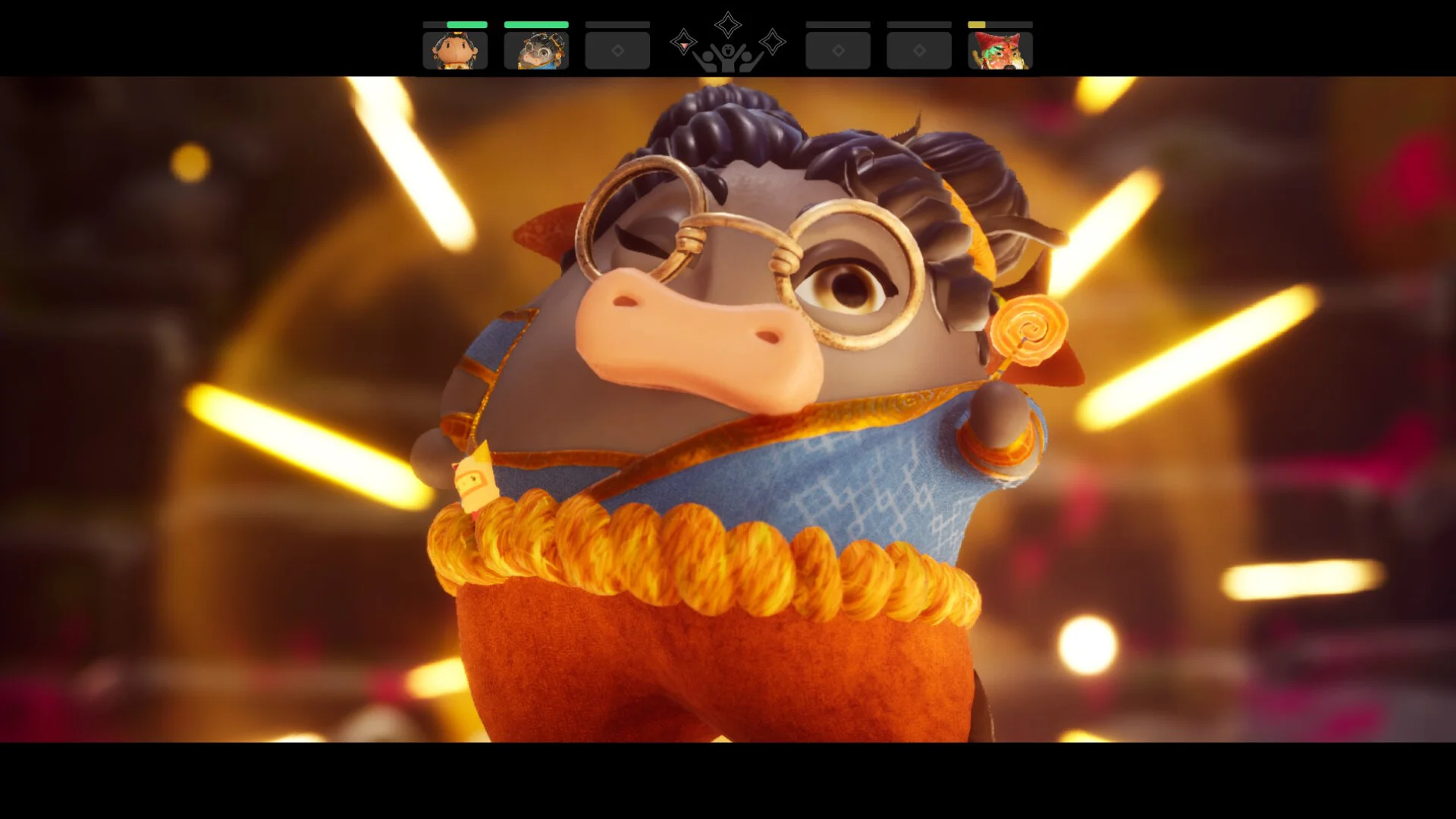
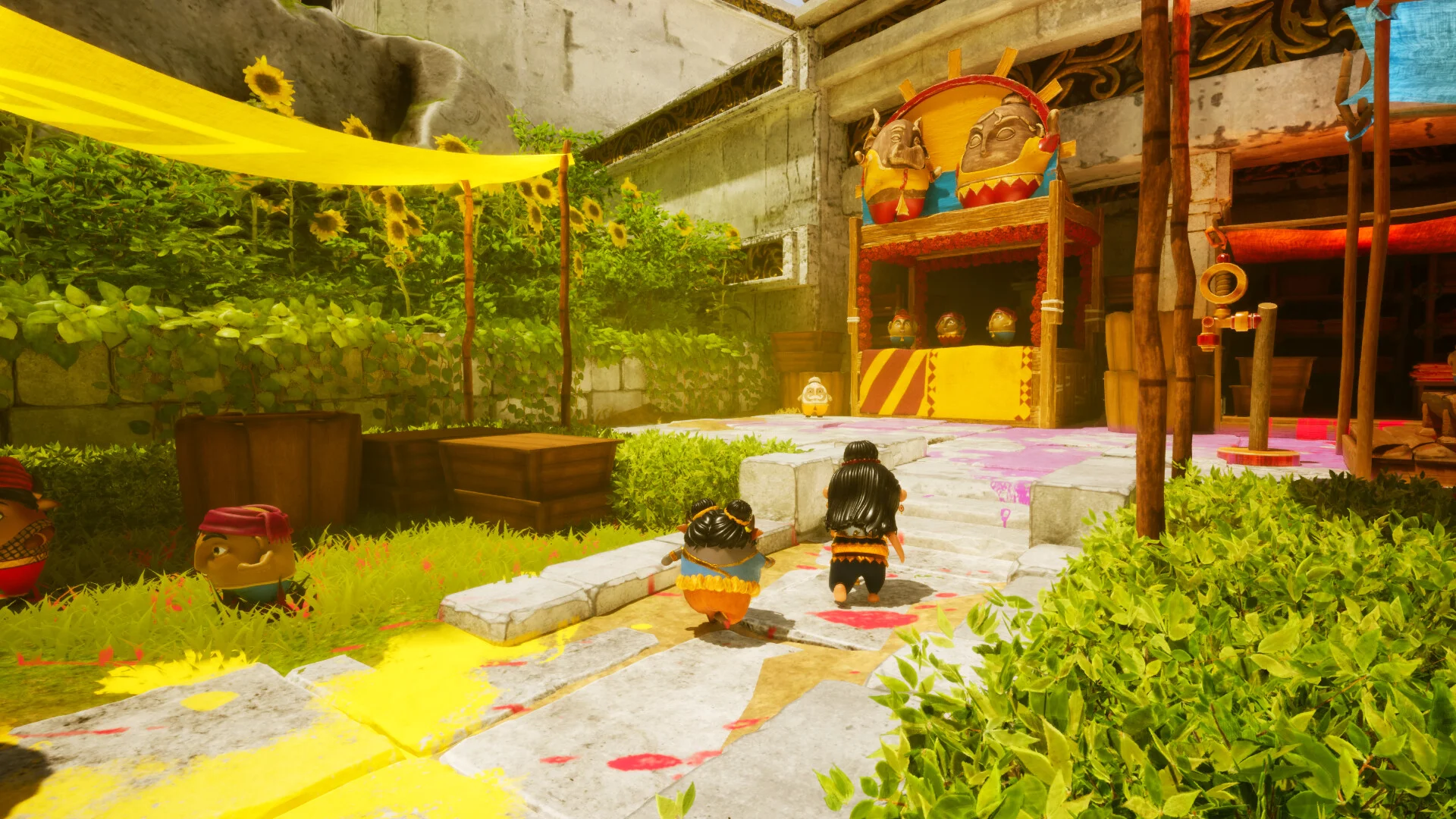
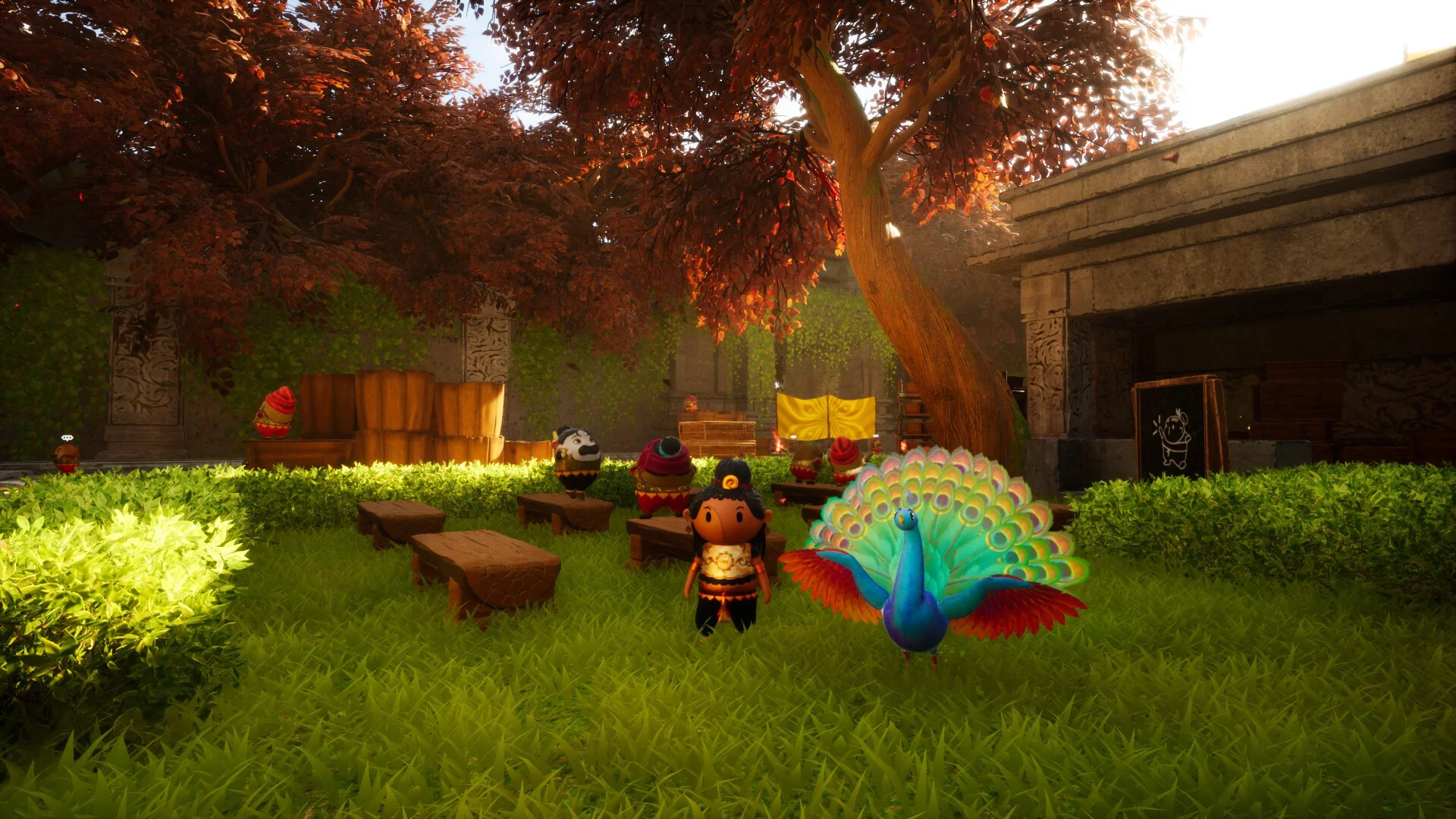
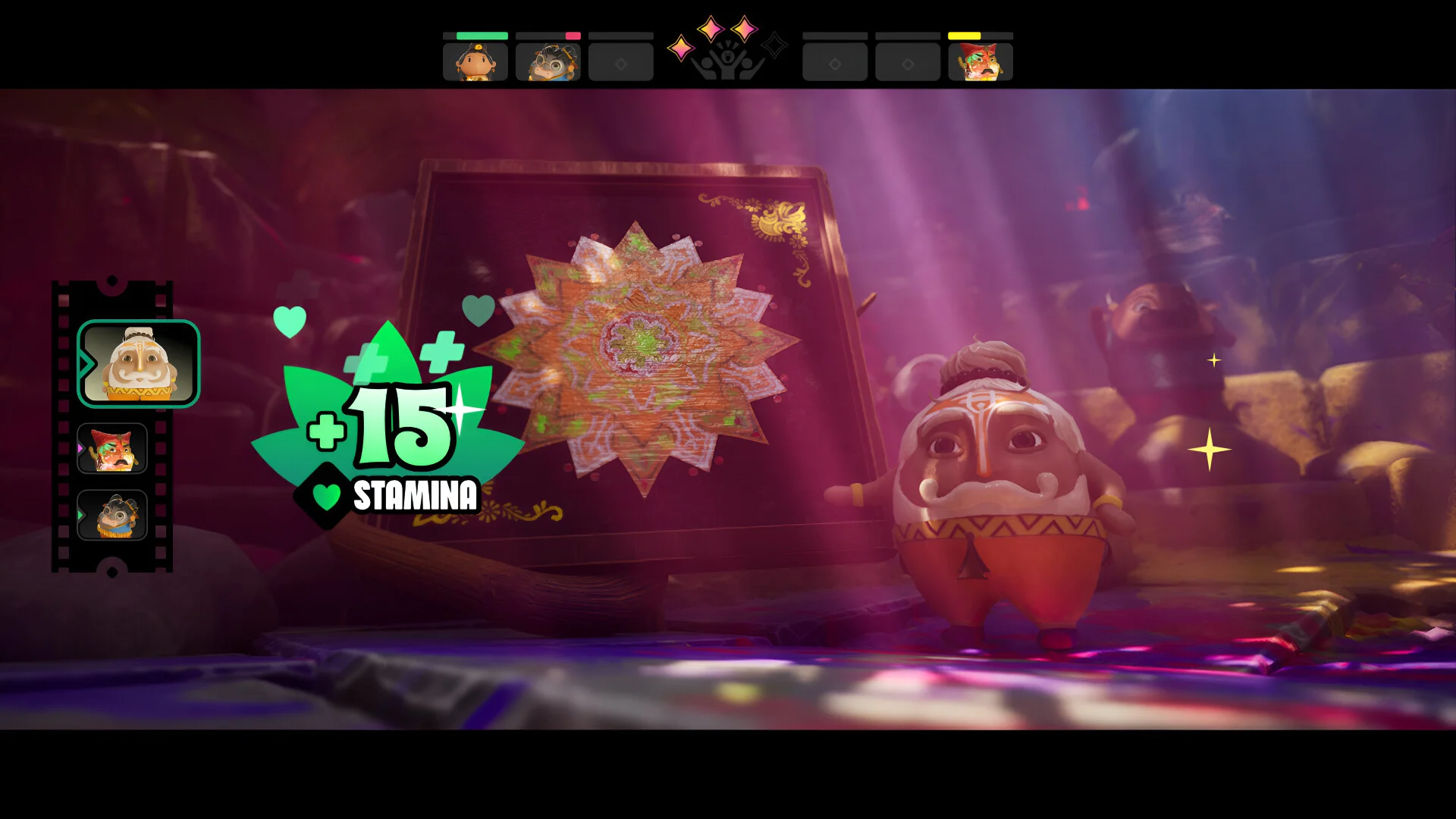
There’s something inherently charming about dazzling your opponents so hard with the power of dance that they join your cause. Watching this unfold with adorable round character models emulating bombastic Bollywood dance numbers makes this premise even harder to resist. Aikyam plays out as a traditional RPG with rhythm game elements in battle. You navigate quests and dialogue with the villagers, who are being threatened by demonic forces that can only be overcome with cohesion, pizzazz, and hand-eye coordination in the form of timed button presses. The demo introduces our hero, Vishva, as he has prescient nightmares about the demons and gets hyped for the village’s Holi festivities and dance contest. According to the Steam page, Aikyam is meant to take place in ancient India, and you might find hints and pieces of some of the great Indian epic stories around as you explore.
Expect to also be immediately charmed by the art direction and the village’s rich atmosphere. The demo allows you to participate in the contest, do some tasks for the villagers, and partake in extra dance battles and no-holds-barred paint balloon battles. It’s enough to get a sense of the game’s systems and try some increasingly complex battles. Between moments of head bobbing and dancing in my office chair, I was impressed at the complex combat support systems and mechanics. First off, I love the idea that you have two forms of dance: dazzling villagers to gain their aid and aggressive dancing to take down demons. The villagers you’ve won over also become your biggest fans and can impart buffs and even participate in large ensemble dance numbers when they’re hyped enough by your performance.
If that’s not enough to convince you to try out the demo during Steam Next Fest, Aikyam is the recipient of an array of awards ranging from the India Games Showcase to “Selected Indie” at the Tokyo Game Show in 2025. It has a hopeful, uplifting tone that resonates in a unique way right now. Why not give the demo a chance and let the village of Aikyam dance their way into your life? Maybe they’ll cheer you on (or at least put a smile on your face when you need it)!
by Hilary Andreff
Calame
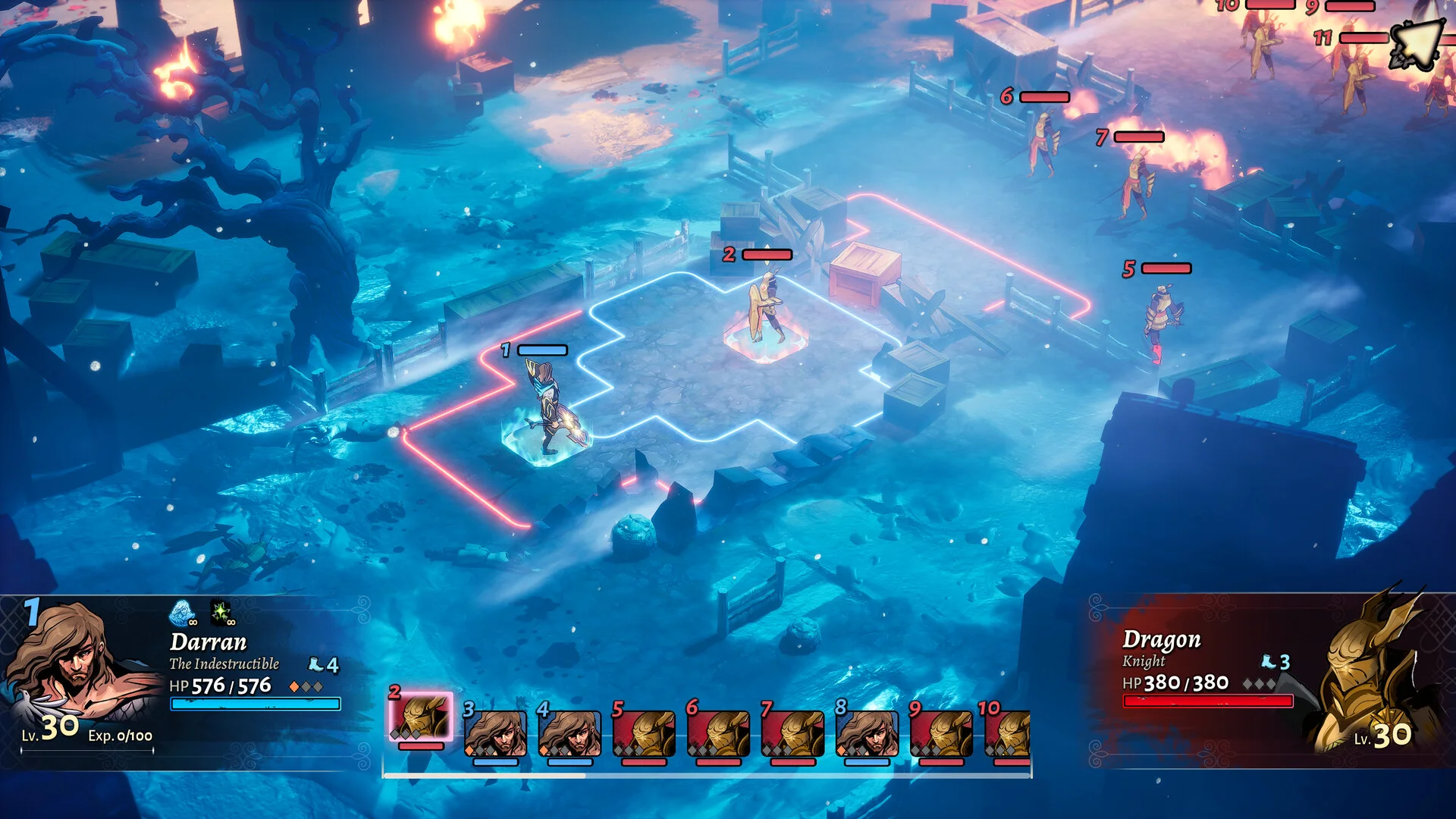
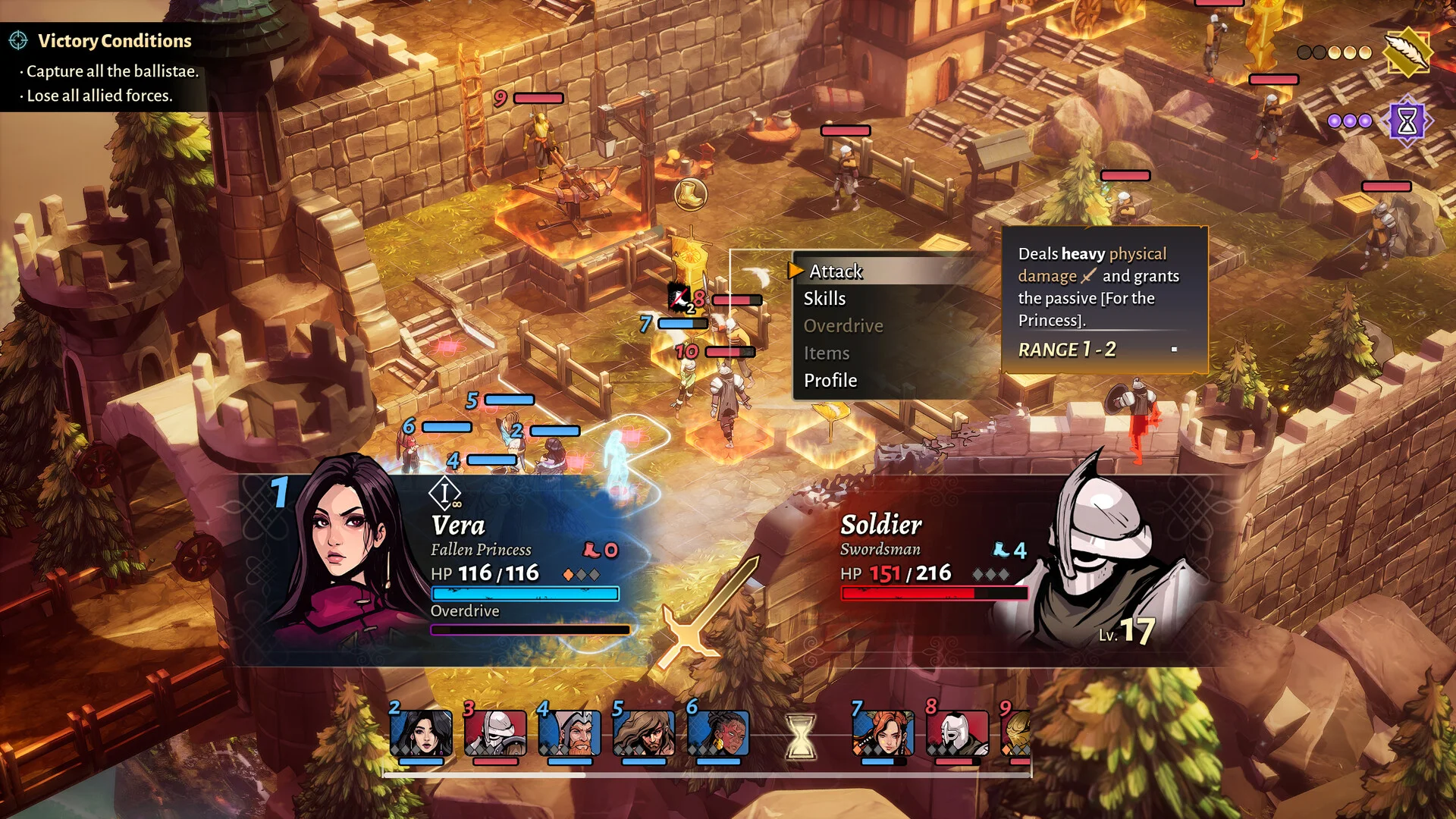
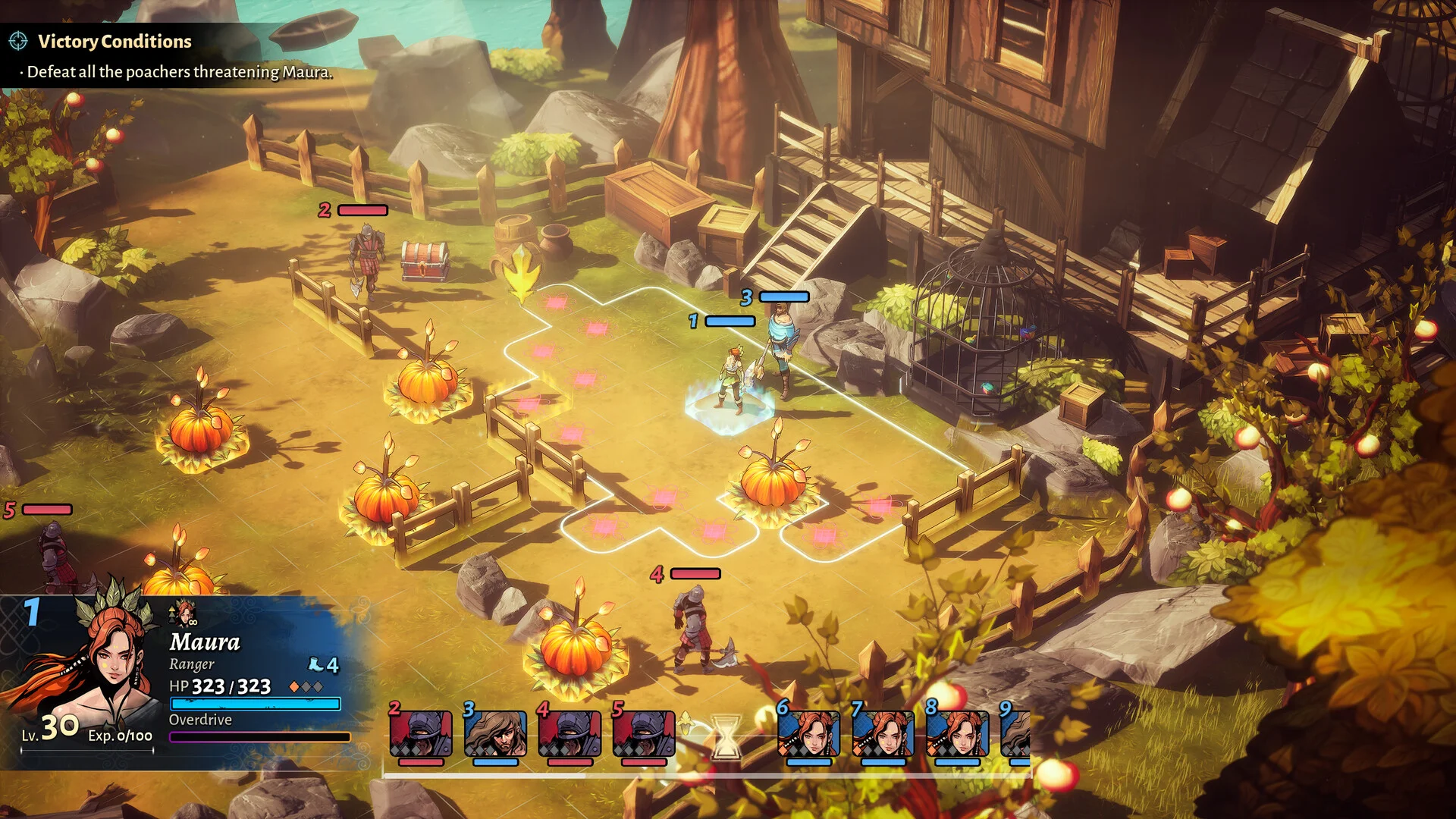
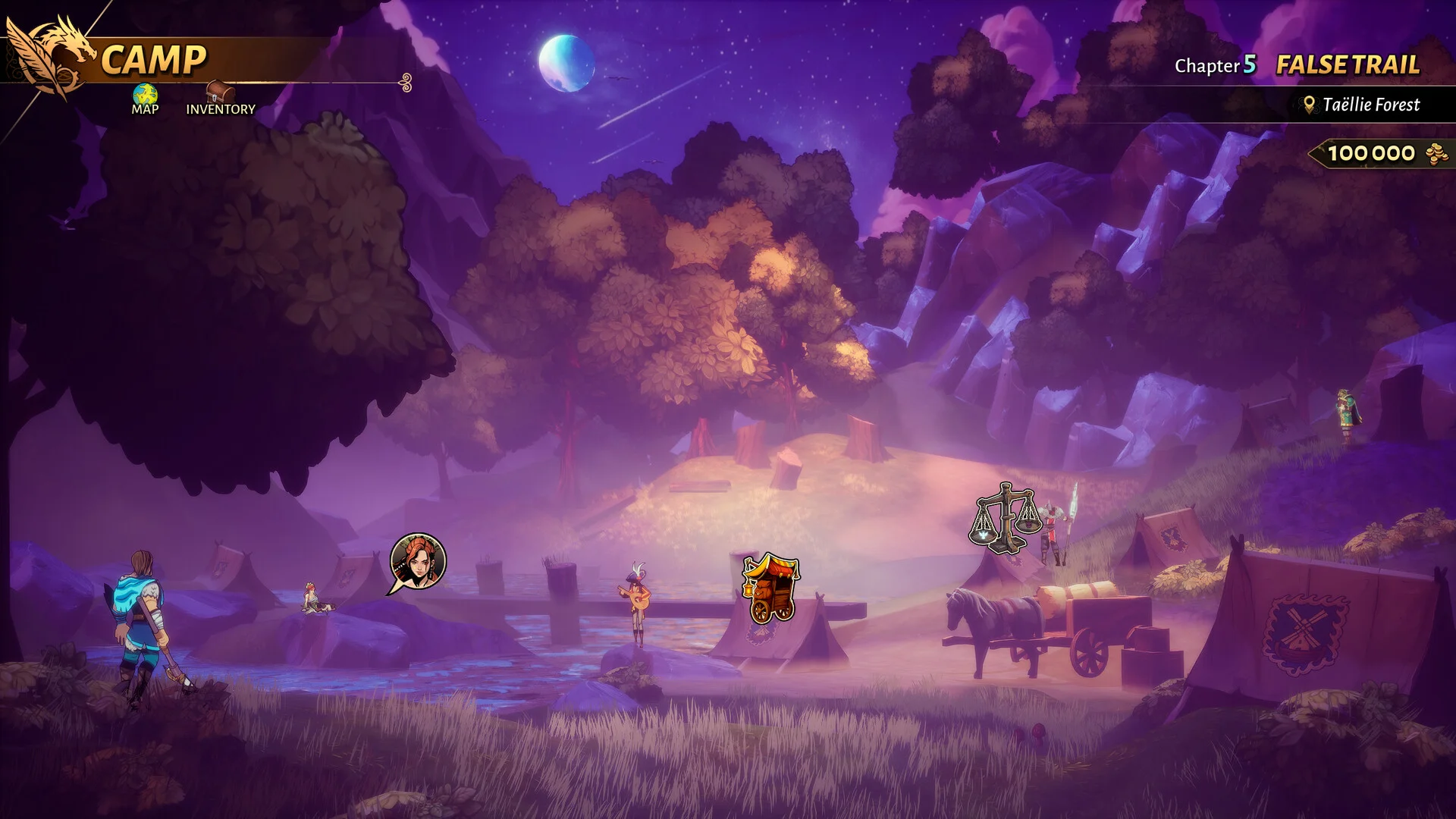
Calame is a turn-based strategy RPG from French developer Nextale participating in Steam Next Fest. Set in the world of Westalia, the demo begins at the end of the story, with warrior Darrach Dahl and his lieutenant, Maura, taking the final battle to the city of Homgard to defeat the villainous King of Light. The King of Light has established an iron rule, deposing the former Queendom in a previous war and passing laws removing the rights of women on the basis that women lack souls and thus are property of men. The rebellion is quite literally fighting against the patriarchy, which I found an interesting (if a bit underdeveloped) narrative conceit. Darrach Dahl loses against the King, and the remaining rebels are thrown into the dungeons. A storyteller named Jean d’Arterac comes to visit Maura in her cell on the eve of her execution, offering to delay her punishment and those of her companions if she will tell him Darrach’s story. Maura agrees, and thus begins the actual story of the rebellion.
Starting the story in media res like this is a gamble, and I’m not certain it fully pays off. Maura recounts her beginnings, with her adoptive father Karech taking her to find Darrach, whom he believes to be her biological father. On the journey, the two are beset by mercenaries out to capture Maura because she is a Mindaran (magic user). The king has outlawed Mindaran witches in particular as a threat to his power. Karech is killed, and Maura makes it to Darran, who subsequently protects her and takes her on as his ward without knowing their connection. The disjointed nature of the storytelling makes for a jarring experience overall, with characters introduced with little fanfare or explanation. The core premise is initially compelling, but the patriarchal world of Calame fails to stand out from typical medieval fantasy settings where women are often treated as property or second-class citizens. I get the sense that Westalia used to be a matriarchal world, and thus the shift to patriarchy is calamitous and a harsh adjustment for the populace, but this isn’t conveyed well through the story’s initial few chapters that comprise the demo.
The turn-based tactical combat is competent, but fails to make a lasting impression. Each character can move and act once per turn, and turn order is governed by the character’s speed as shown on the timeline at the bottom of the screen. Each character has a handful of skills, and they fall into the typical roles of damage dealer, healer, support, or ranged attacker. It’s all functional, but lacks a core hook or unique element to set it apart. The controls are also a bit stiff and unresponsive on both controller and mouse & keyboard, and you can’t rotate the camera to get a better view of the battlefield. You can manipulate environmental elements in the battlefield through the use of legend points, like knocking over boxes or exploding bags of flour to obscure enemy vision. It’s a neat idea to gamify the deus ex machina inherent to the oral storytelling premise, but the execution is rather mundane and common to other strategy titles.
Ultimately, I came away from Calame‘s demo a little disappointed. The basic elements are all there and accounted for, but for a game using storytelling as a framework, the narrative left a lot to be desired, and the gameplay is too pedestrian. Perhaps with a bit of polish, the game will be in a better state when it releases later this year.
by Ben Love
Entropy
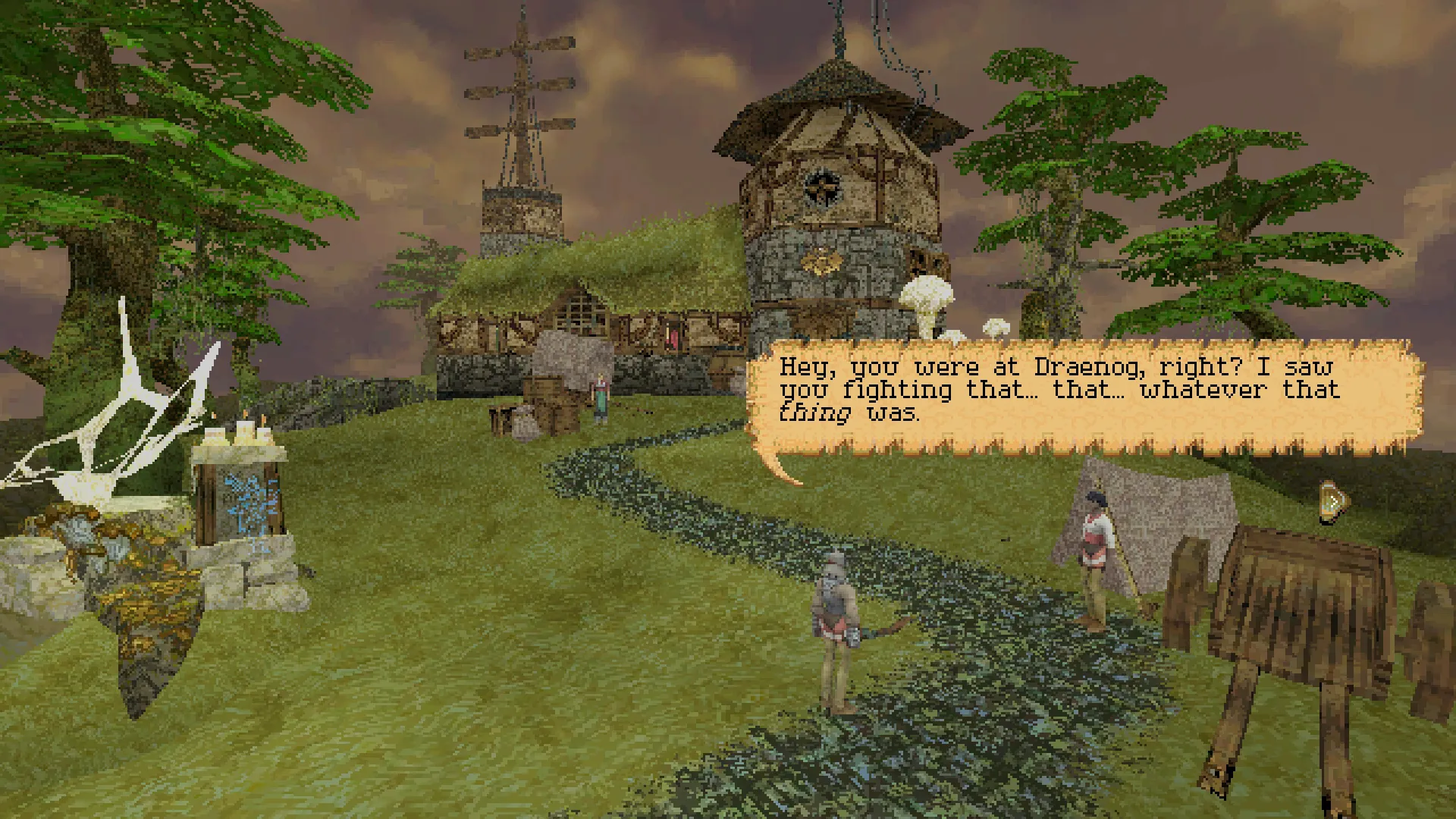
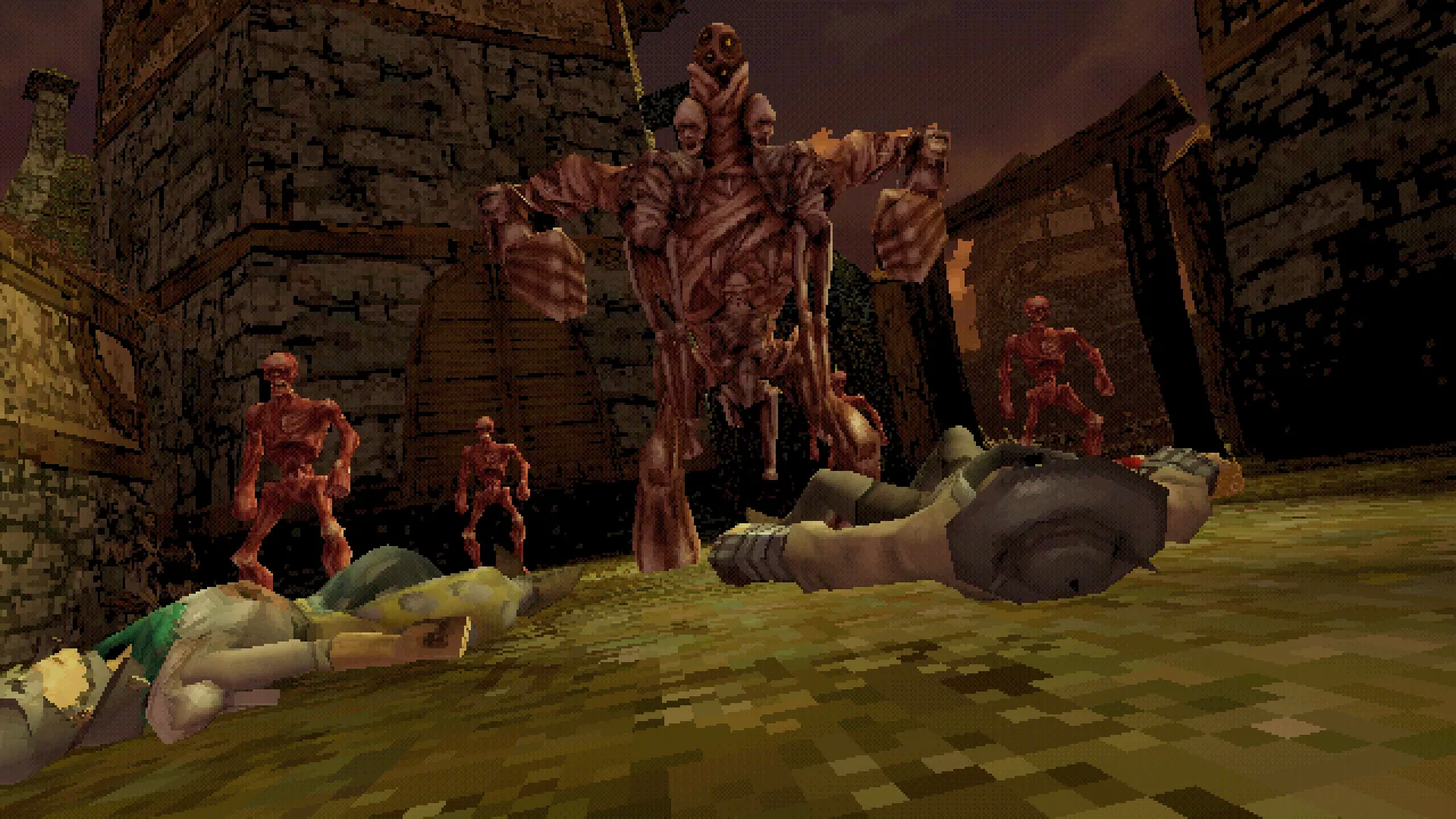
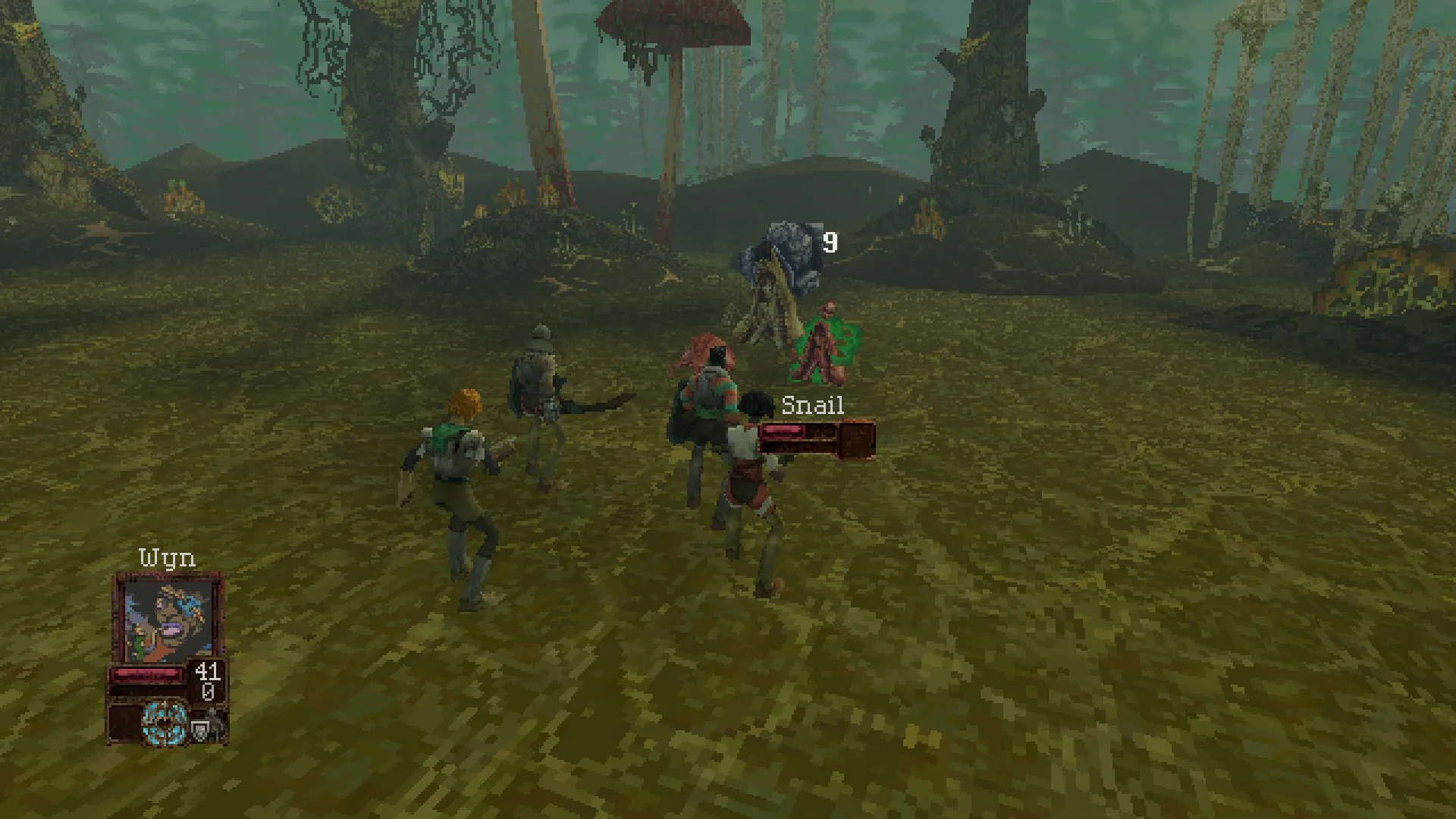
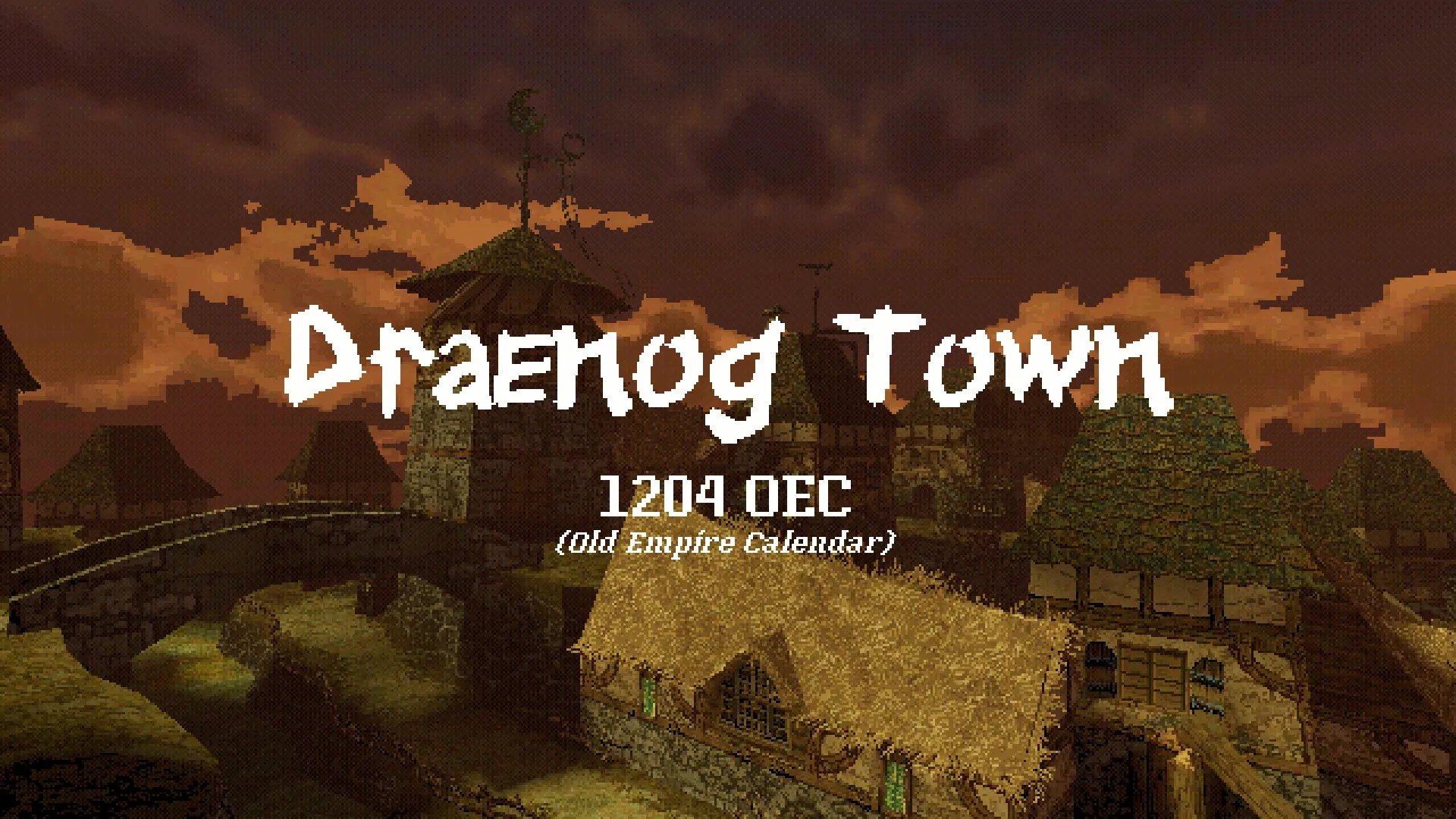
Entropy is the next title from Lovely Hellplace, developer of the excellent Dread Delusion. While Dread Delusion impressed with a Morrowind-inspired open world and real-time combat and exploration in first-person, Entropy shifts perspective to a traditional, turn-based, third-person RPG. Utilizing a similar low-poly, PlayStation-inspired & CRT-filtered aesthetic to their previous game, the Entropy demo puts you into the shoes of an actor traveling the Gloaming Isles. The framing of a street play sees you select your player (man, woman, or the third gender aemen) and choose lines that determine your favored attributes and playstyle (melee, magic, or ranged). Your performance is rudely interrupted by a demon attack, and the town watch enlists you to help defend the citizenry. Unfortunately, the protagonist and the town watch fall in battle, though a mysterious spirit resuscitates your ill-fated actor. You wake up to the sight of a massacre, assemble the few remaining survivors into a ragtag party, and escape to warn your hometown of Cuvas of the impending danger. This turn of events immediately establishes the dark, forlorn tone of the world, and the delightfully weird demon and NPC dialogue set a high bar of weirdness and discomfort for the full game to match.
Combat and party building borrow heavily from the SaGa series, with a wide array of mercenaries you can recruit for your cause, and the threat of permanent injury or death for all party members except the protagonist hangs over each battle. Characters are quite malleable, as leveling up awards a set number of attribute points to distribute to character stats as you see fit, and skills come primarily from equipment. The game awards perks at specific levels to differentiate and specialize characters in particular roles. The magic system is particularly novel, as spells don’t require a resource like MP to cast; rather, they have a chance to miscast and damage the caster, creating a compelling sense of risk vs. reward. Melee and ranged characters have their own strategic nuances, such as targeting specific body parts to sever limbs or otherwise debuff opponents. Formations are just as important here as they are in SaGa, and placing your resilient fighters in the front line to protect your squishier mages and archers is a necessity for victory.
Much like Dread Delusion, Entropy encourages and rewards exploration even in its brief demo. Various random events occur on the world map to flesh out the world and atmosphere. One event had my party taking cover in a copse of trees as teeth rained down from the sky; another event saw a group of brigands accosting me on the highway, offering me the chance to pay a toll or stand and fight. I appreciate that the shift in genre didn’t dull the high degree of player agency established in Dread Delusion, and I found myself even more immersed in the Gloaming Isles in this new format. Entropy releases into Steam Early Access on August 18th, and the demo had me hungry for more of this dark, oppressive world. I don’t normally take the plunge on Early Access games, but Entropy is already so polished and compelling that I may not be able to resist!
by Ben Love
A Fighter’s Nova: Mindara
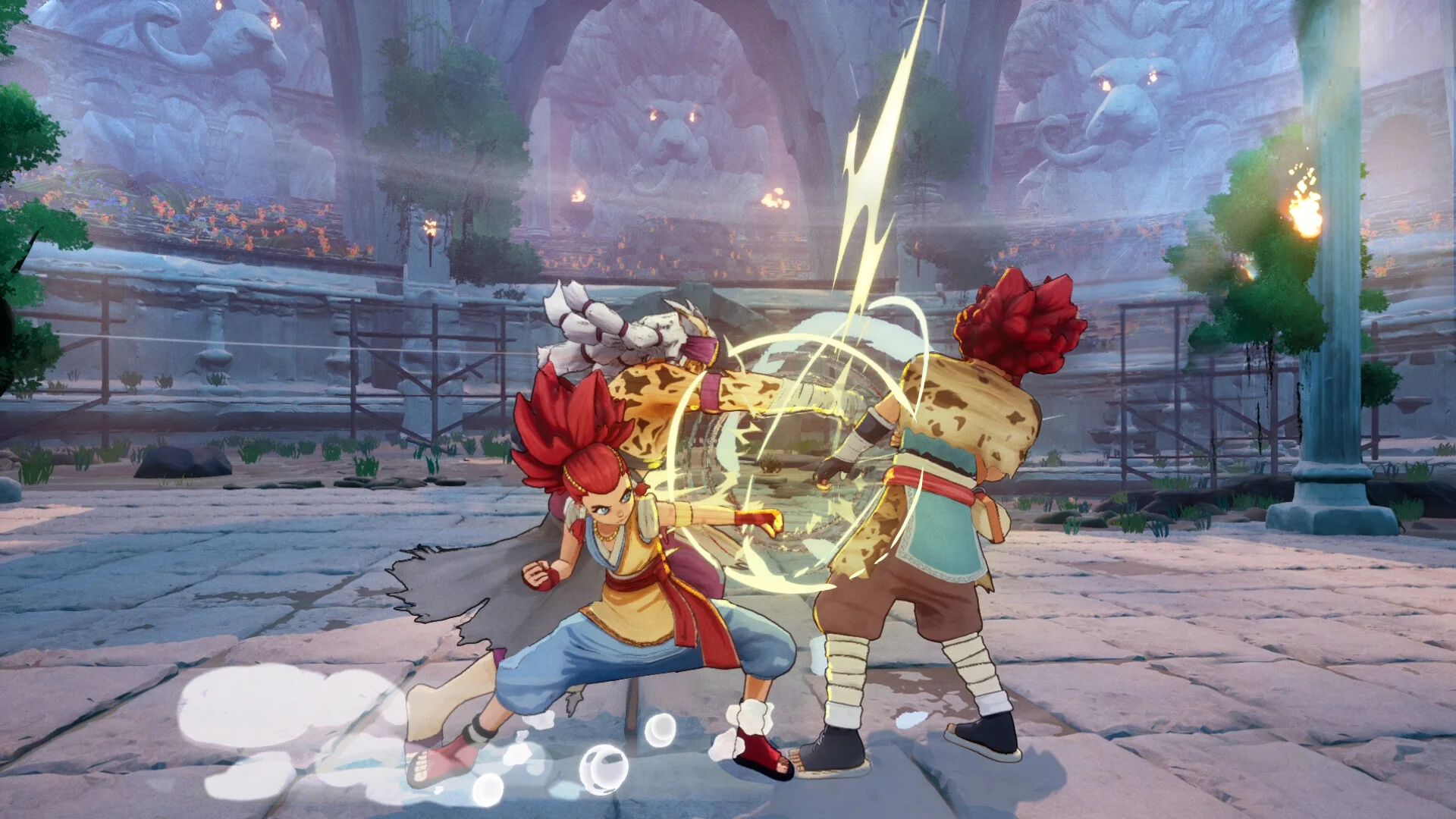
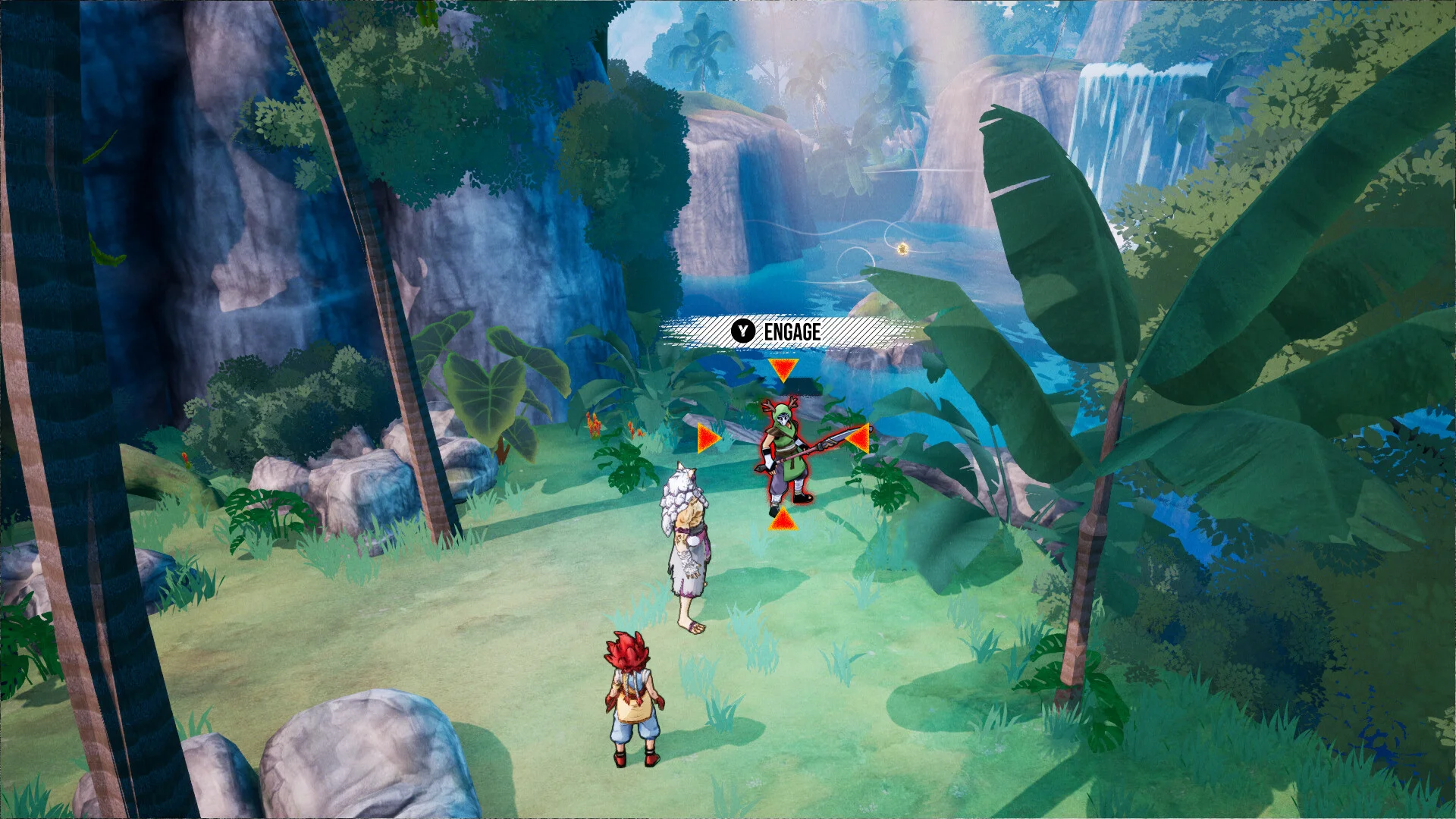
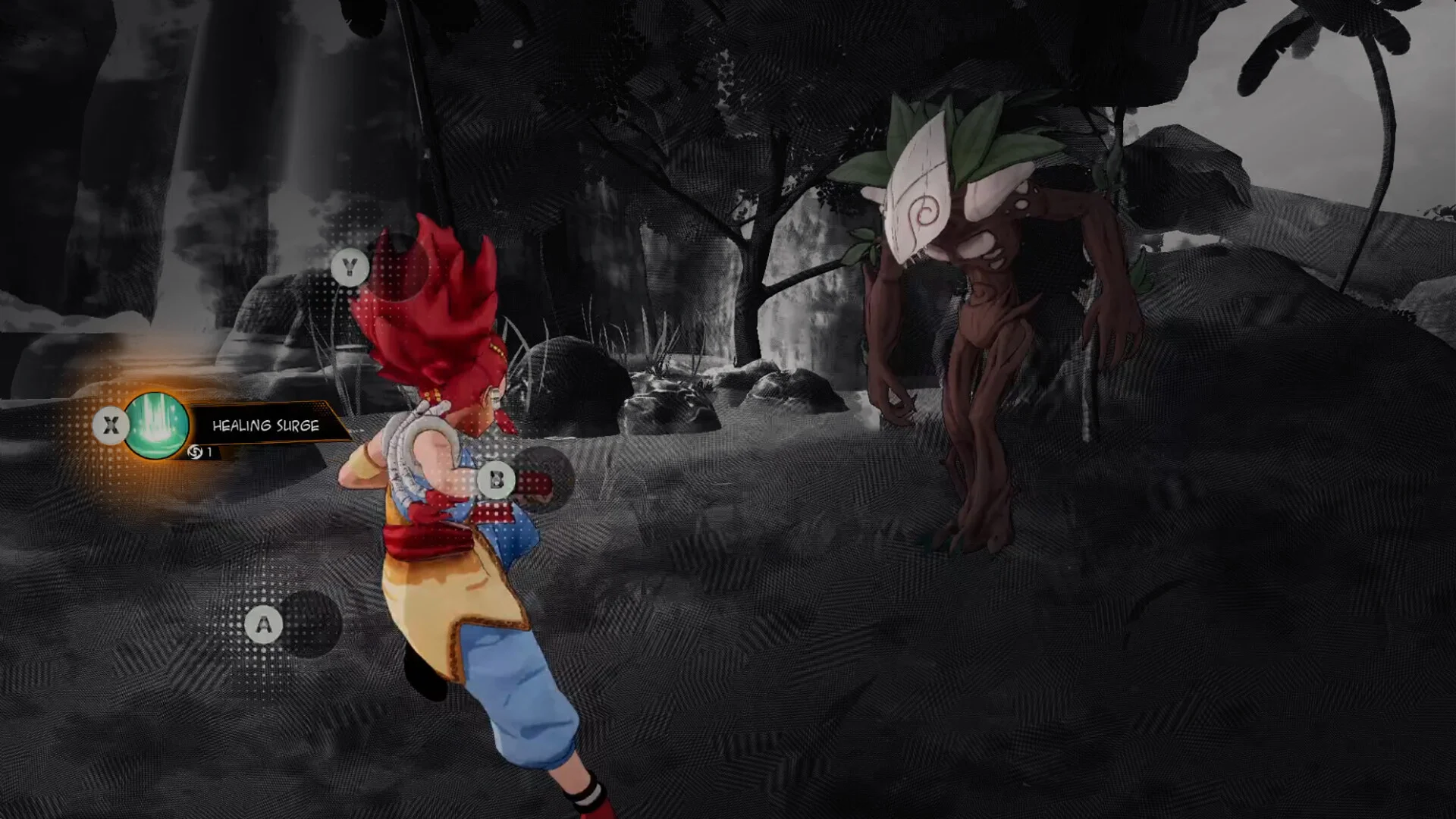
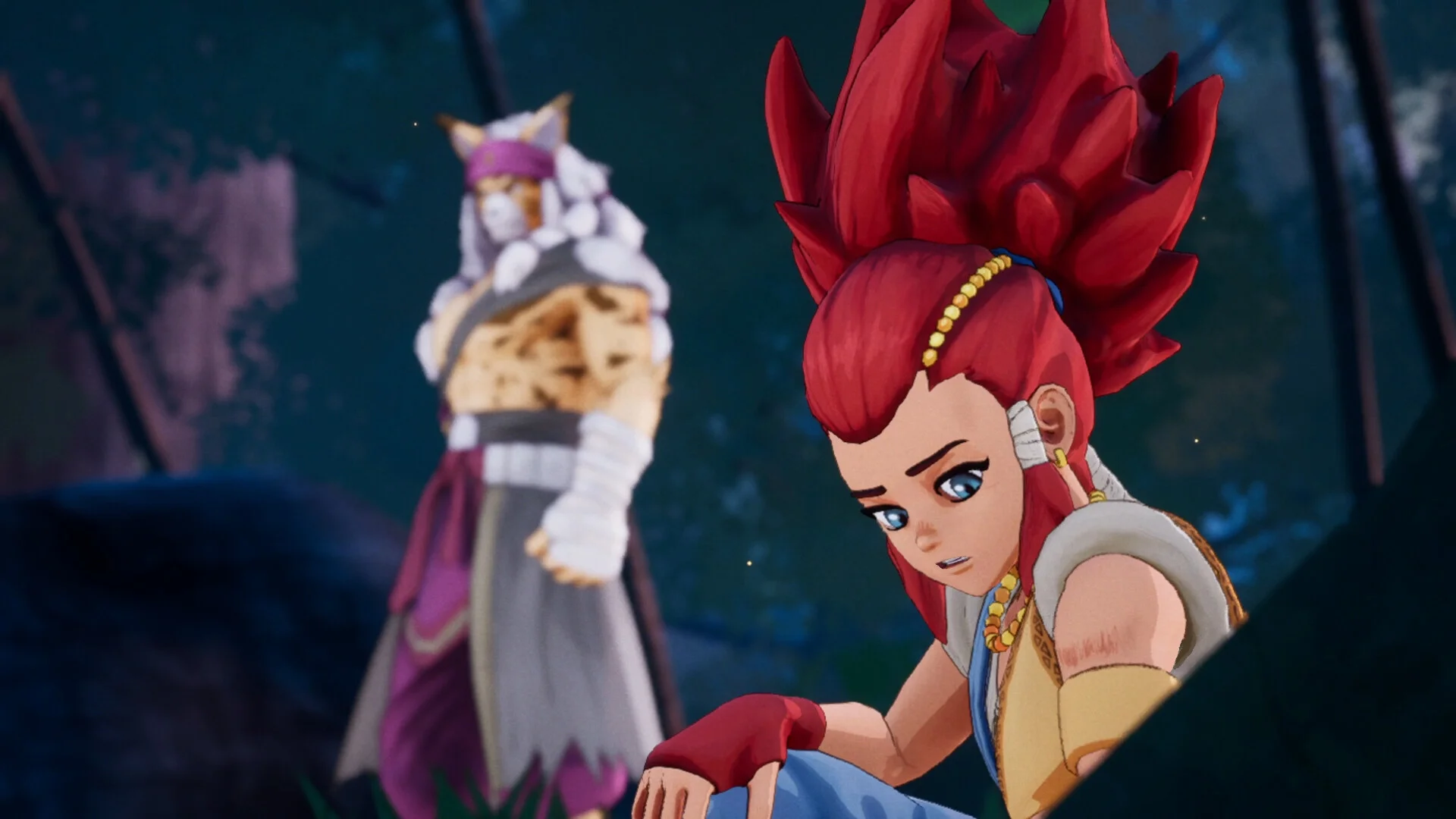
A Fighter’s Nova: Mindara is an upcoming hybrid RPG by BadRez Games that combines the progression of a J-style RPG with the combat of a 2D fighting game. Although aiming for a 2028 release, a brief yet surprisingly polished pre-alpha demo is part of Steam Next Fest. Visually inspired by popular anime and manga such as Dragon Ball Z and Naruto, the demo introduces us to a feisty young girl named Maya and a gruff beast-man named Mindara who reluctantly teams up with her. The Steam page and trailer indicate that over the course of the game, more people join Maya and Mindara’s party. These characters seem to fall into familiar archetypes, but have plenty of personality, thanks to enthusiastic voice acting and beautifully drawn manga-esque cutscenes.
Tag mechanics play a strong role in both exploration and combat. Each character has a field skill to overcome obstacles, such as Maya using her boomerang to retrieve faraway objects and Mindara using his great strength to break stony barriers. Combat plays out like Street Fighter meets Tekken Tag Tournament, and effectively switching between small agile Maya and powerful bruiser Mindara is key to winning battles.
Fights play out quite smoothly. If this is a pre-alpha state, I cannot wait to see how the final game turns out. Chaining jab-strong-fierce and signature attacks is as fun as any fighting game I’ve played, albeit without the impossible-to-pull-off moves of dedicated fighters. When a “limit break” type meter fills up to pull off special moves, pressing the left trigger puts you into a slowed down “bullet time” sequence, allowing you to select from an array of special moves.
A Fighter’s Nova: Mindara has potential to be a fun and engaging RPG-fighting game hybrid. I’ll be keeping an eye on this one.
by Neal Chandran
Immortal Wayfarer
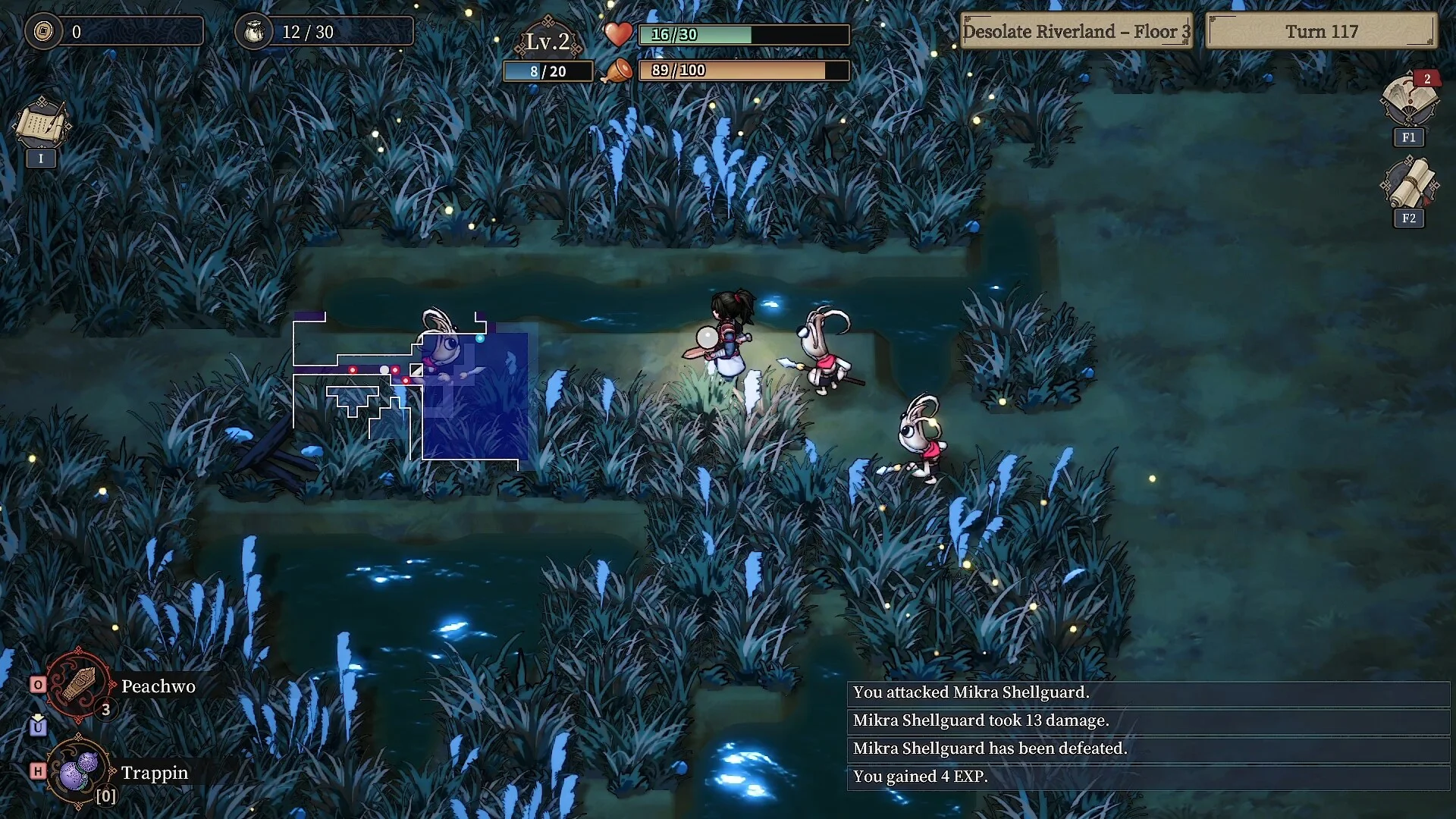
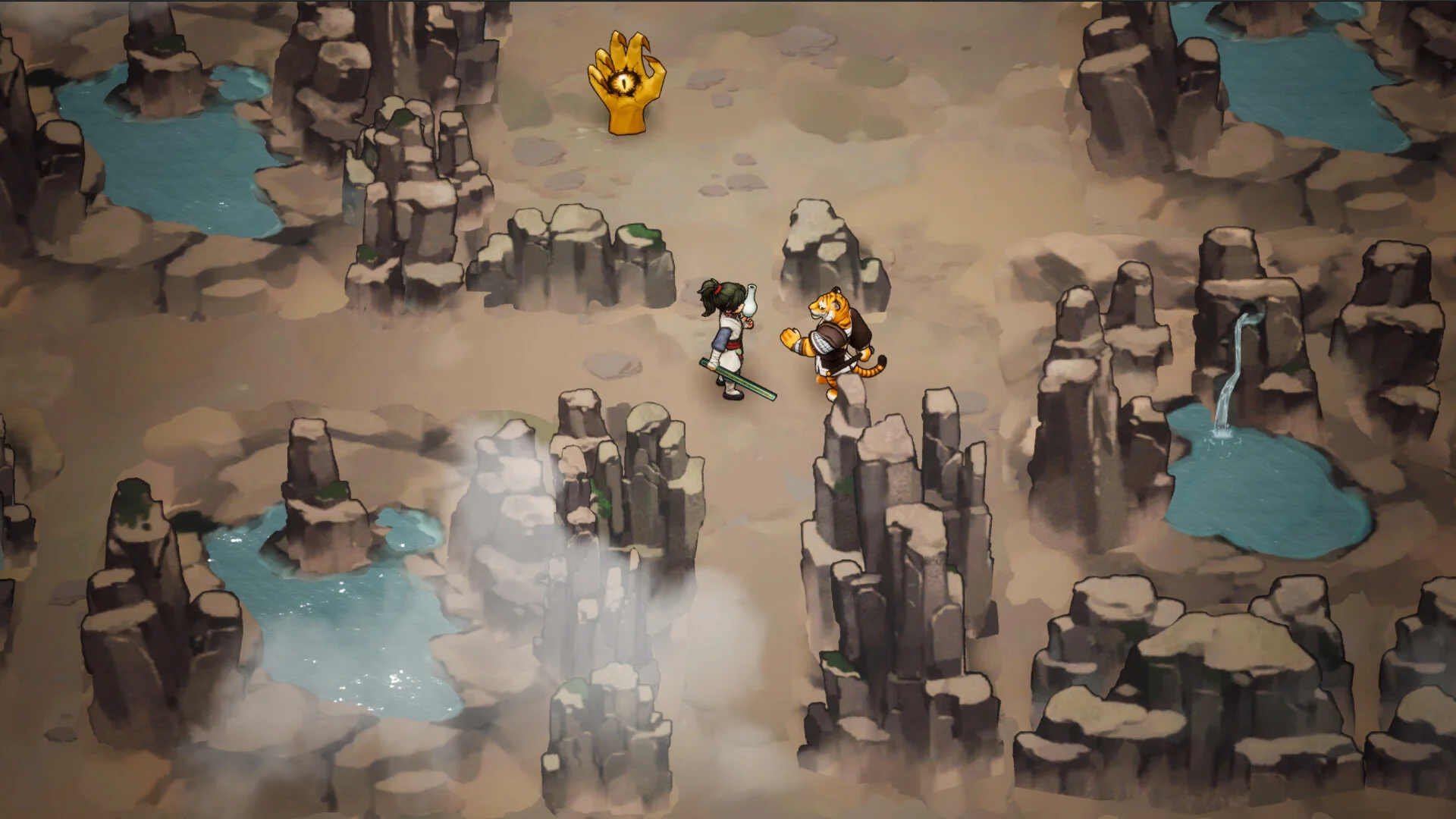
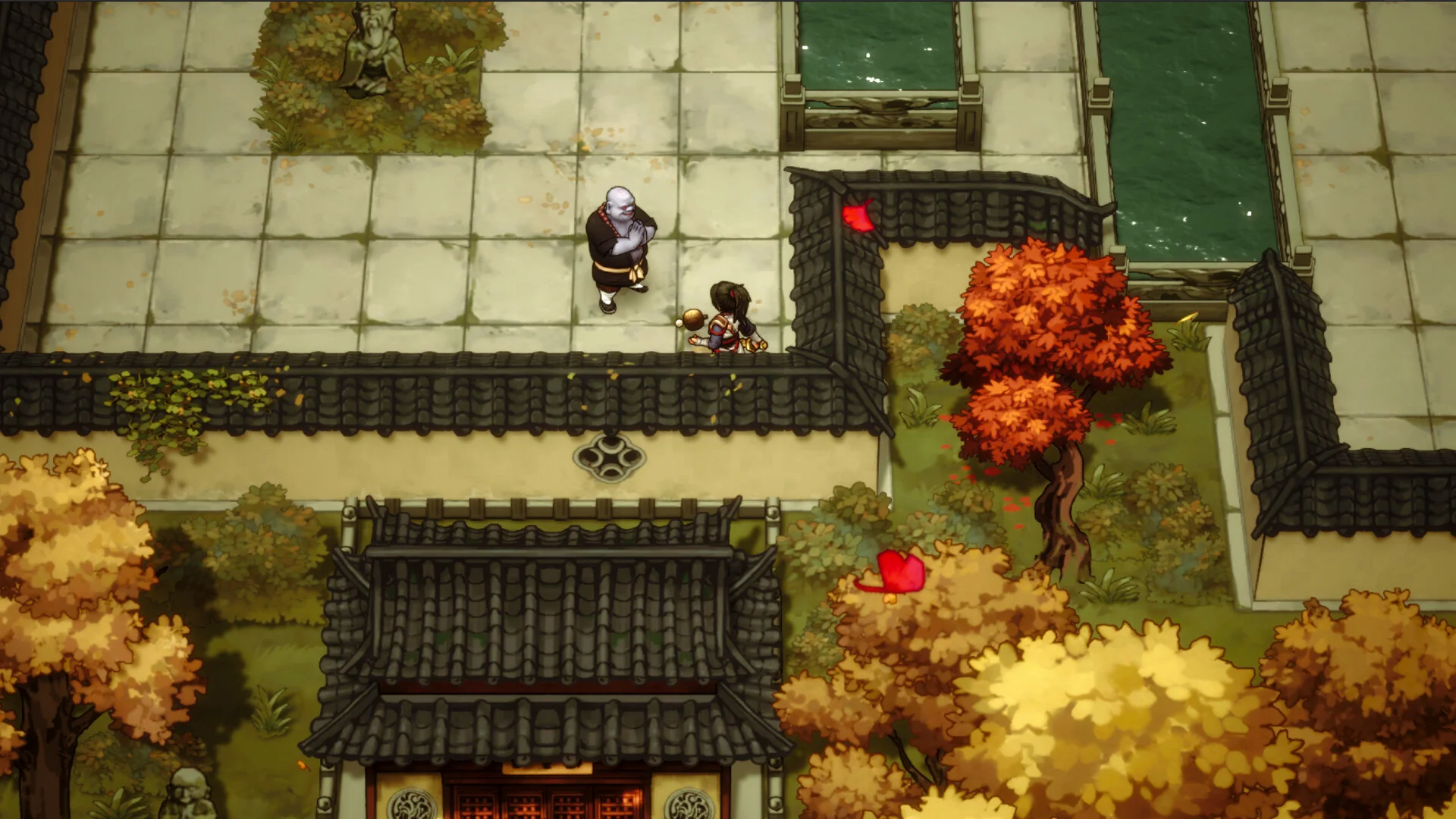
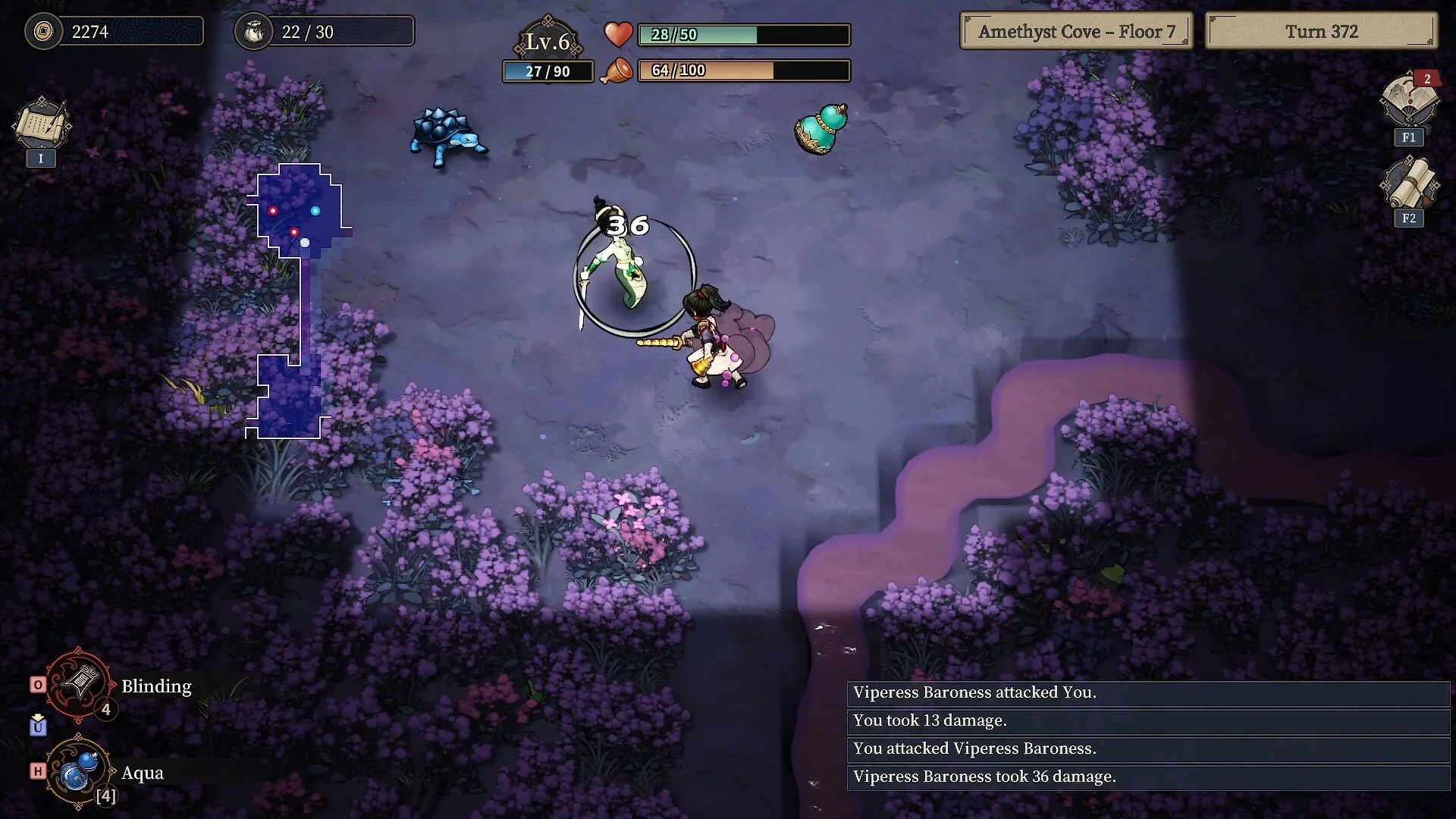
Immortal Wayfarer is the next title by YiFang Studio, developers of 2024’s Immortal Life. Unlike their previous Rune Factory-inspired action RPG/farming sim, the studio elected to emulate another classic RPG franchise, this time choosing to put their own spin on the Mystery Dungeon turn-based roguelike. Immortal Wayfarer’s 3D polygonal visuals employ a watercolor style that fits the Chinese Wuxia setting perfectly, with high-quality character animations and lovingly rendered backgrounds. All of the typical elements of a Shiren the Wanderer title are here, such as managing hunger, character level resetting to one in each new dungeon, and gathering new weapons, armor, and items with unique effects on each dungeon run.
While the basic mechanics are quite similar to those of the Shiren series, the change in scenery and theming does a lot to differentiate Immortal Wayfarer. Chinese blades, clubs, artifacts, and talismans replace the traditional Japanese katanas and shields. Enemies draw from Chinese folklore, wielding ancient Chinese weaponry and resembling classic Chinese creatures and monsters like tigers, monks, and flying fish. I’m a firm believer in “if ain’t broke, don’t fix it,” and Immortal Wayfarer understands that adhering close to the Shiren format is hardly a bad thing.
There are some notable differences, such as weapon upgrades being available repeatedly for a simple gold cost in the hub rather than being confined to a blacksmith once per run. Furthermore, although you do lose your items upon death, you can re-enter a dungeon you’ve died in to attempt to retrieve your lost gear. You can also rewind turns to avoid fatal mistakes. Minor tweaks like this suggest YiFang Studio wants to offer a slightly more forgiving experience without abandoning the core mechanics that make Shiren the Wanderer compelling, and I welcome the alternate take on Mystery Dungeon dungeon crawling. If you love Shiren or roguelikes, try out the demo during Steam Next Fest!
by Ben Love
Kaido Genkai: An Anime Racing RPG
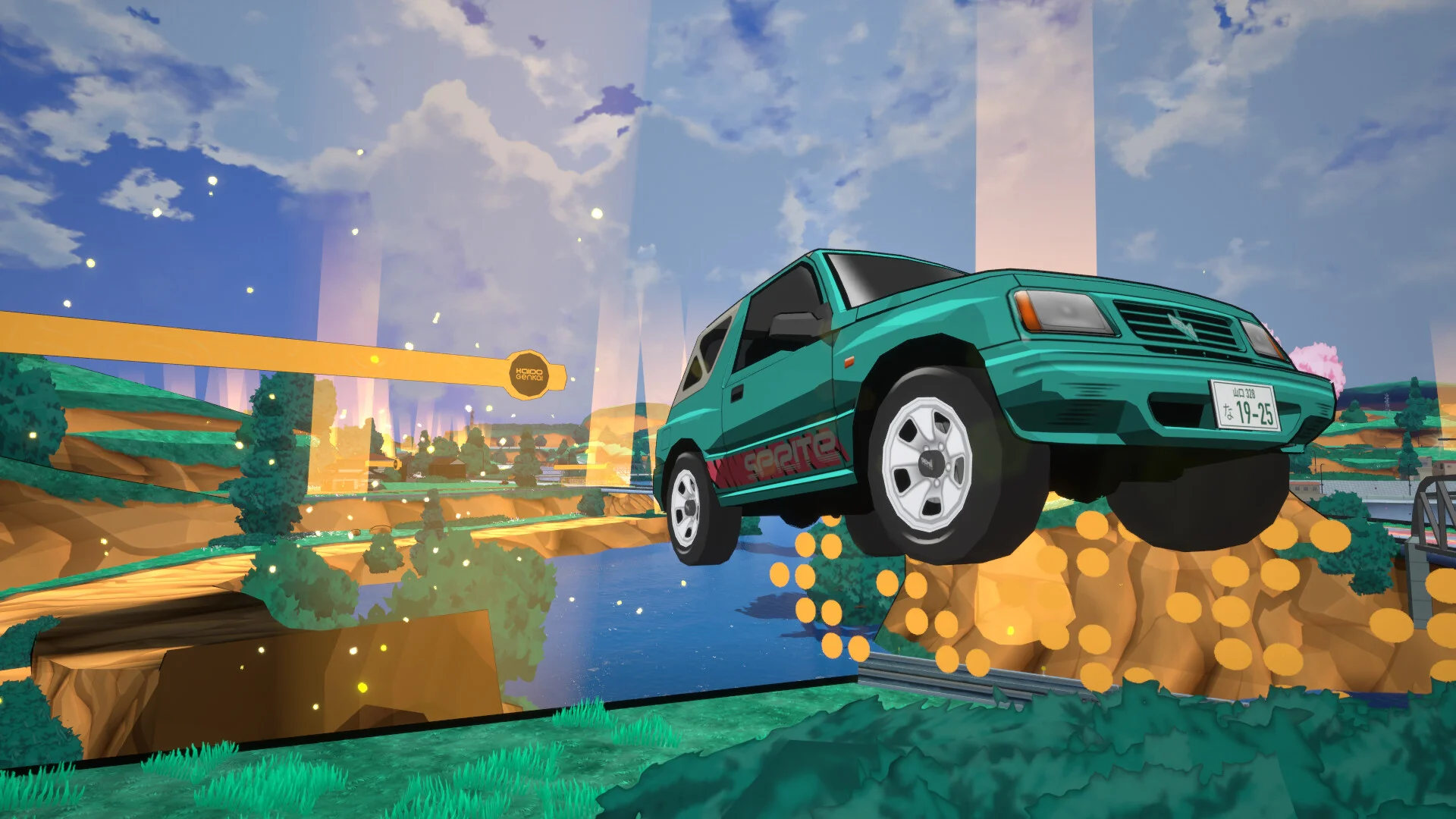
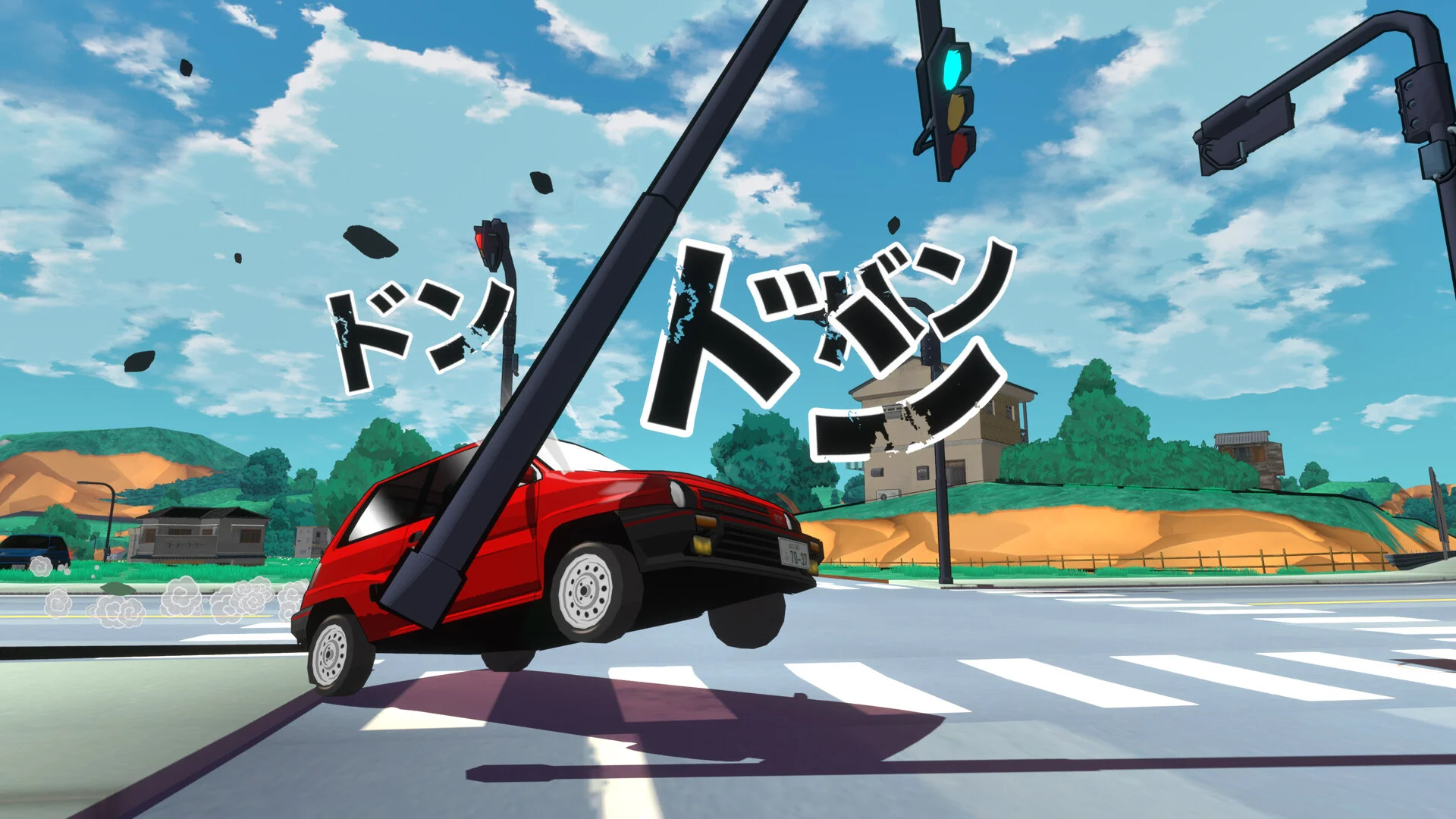
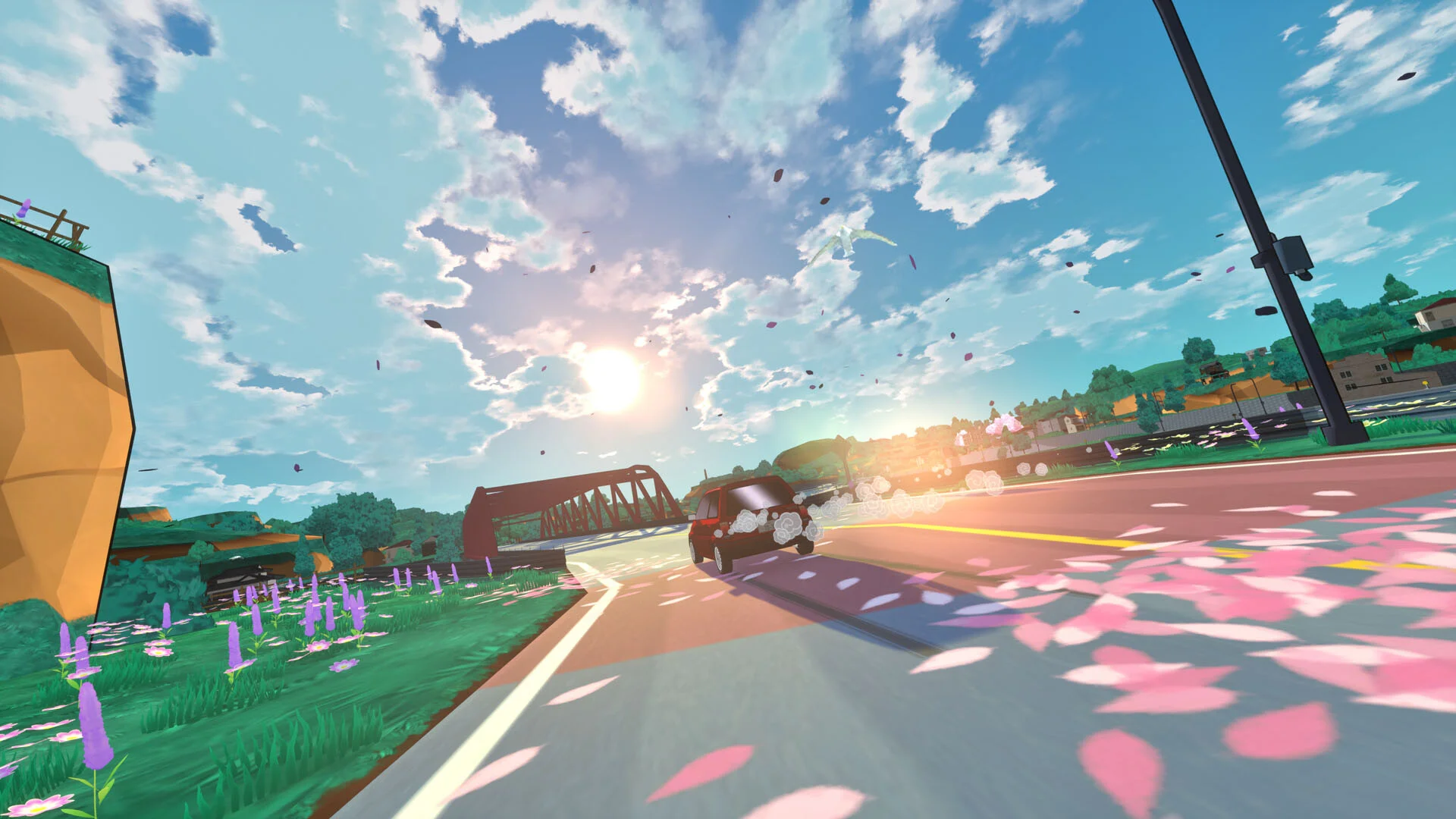
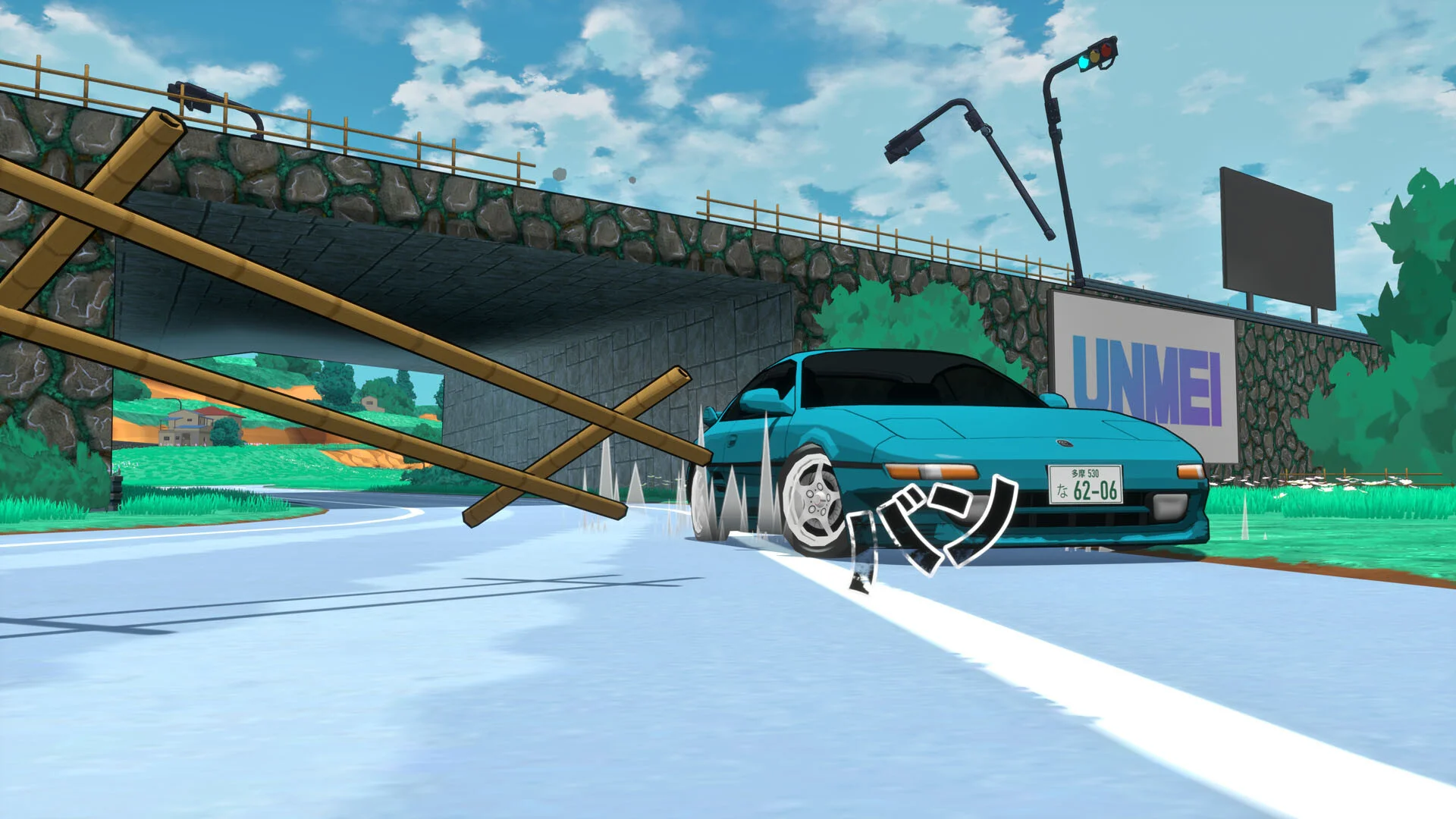
Kaido Genkai: An Anime Racing RPG is exactly what the title implies: a racing/RPG hybrid that borrows from past Japanese racing/RPG experiments like Racing Lagoon, Choro Q, and Tokyo Xtreme Racer. Set in a beautiful, cel-shaded open-world Japan, the game stars an unnamed amateur driver afflicted by a dark and mysterious past. Apparently, your racing mentor, Kurokage the Black Shadow, was involved in an accident and everyone now blames you for it—everyone except your yellow Kei truck-driving friend, Tomoka Mori.
The demo begins with Tomoka challenging you to a race for old time’s sake, encouraging you to get behind the wheel again and revive your passion for racing. Since your reputation has taken a nosedive due to the aforementioned mysterious accident, you have to start from zero and work your way back up, winning races and accumulating reputation points to unlock more races and quests. This reputation system is the main progression-gating mechanic in the demo, and many races or other quests (like deliveries) I encountered required a certain reputation level to participate. There’s also a day/night cycle, with certain racers or events only becoming available at specific times of day.
The driving is the core of the experience here, and it doesn’t disappoint. Although the demo only granted me access to one underpowered hatchback, the menus showed off a wide variety of vehicles waiting to be unlocked in the full game. Most races utilize the open world for point-to-point races (ala Midnight Club or Need for Speed: Underground 2), but the map is well-designed, offering many tricky twists and turns that require careful use of the handbrake lest you go careening off a cliff. The various NPCs driving around give small hints to larger narrative stakes, some complaining about the shadowy Ein police force I saw while driving around town, which I’m certain will play a larger role in the full game’s narrative. If nothing else, the cel-shaded aesthetic (reminiscent of Capcom’s Auto Modellista) conveys authentic rural Japanese environments, falling cherry blossom petals, and a surprisingly robust suite of J-Pop vocal songs that create a nice backdrop for the racing action. If you’re like me and have always been frustrated that we Western fans have been repeatedly denied an Initial D game, check out the demo and the game’s Kickstarter page.
by Ben Love
Prelude Dark Pain
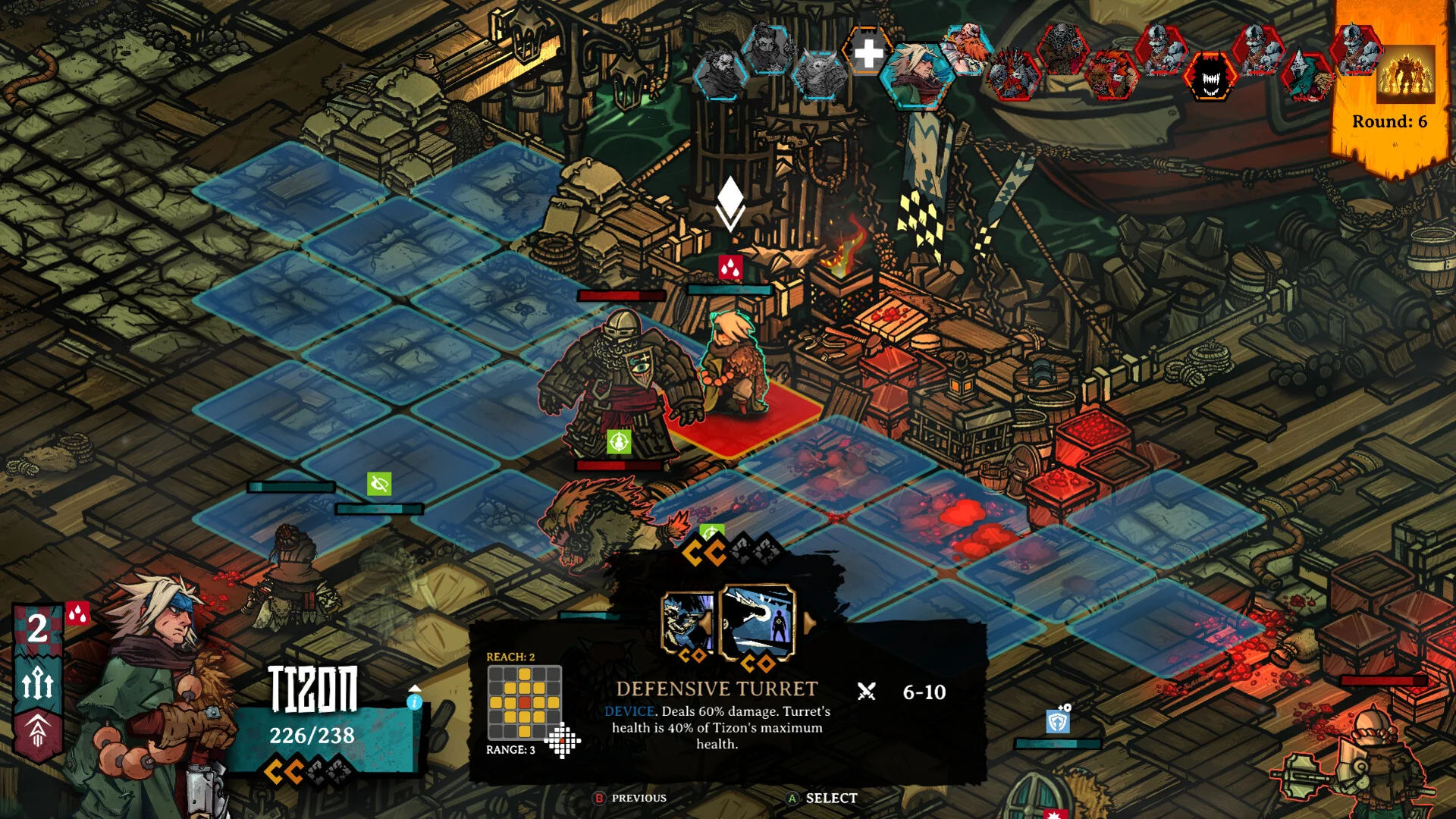
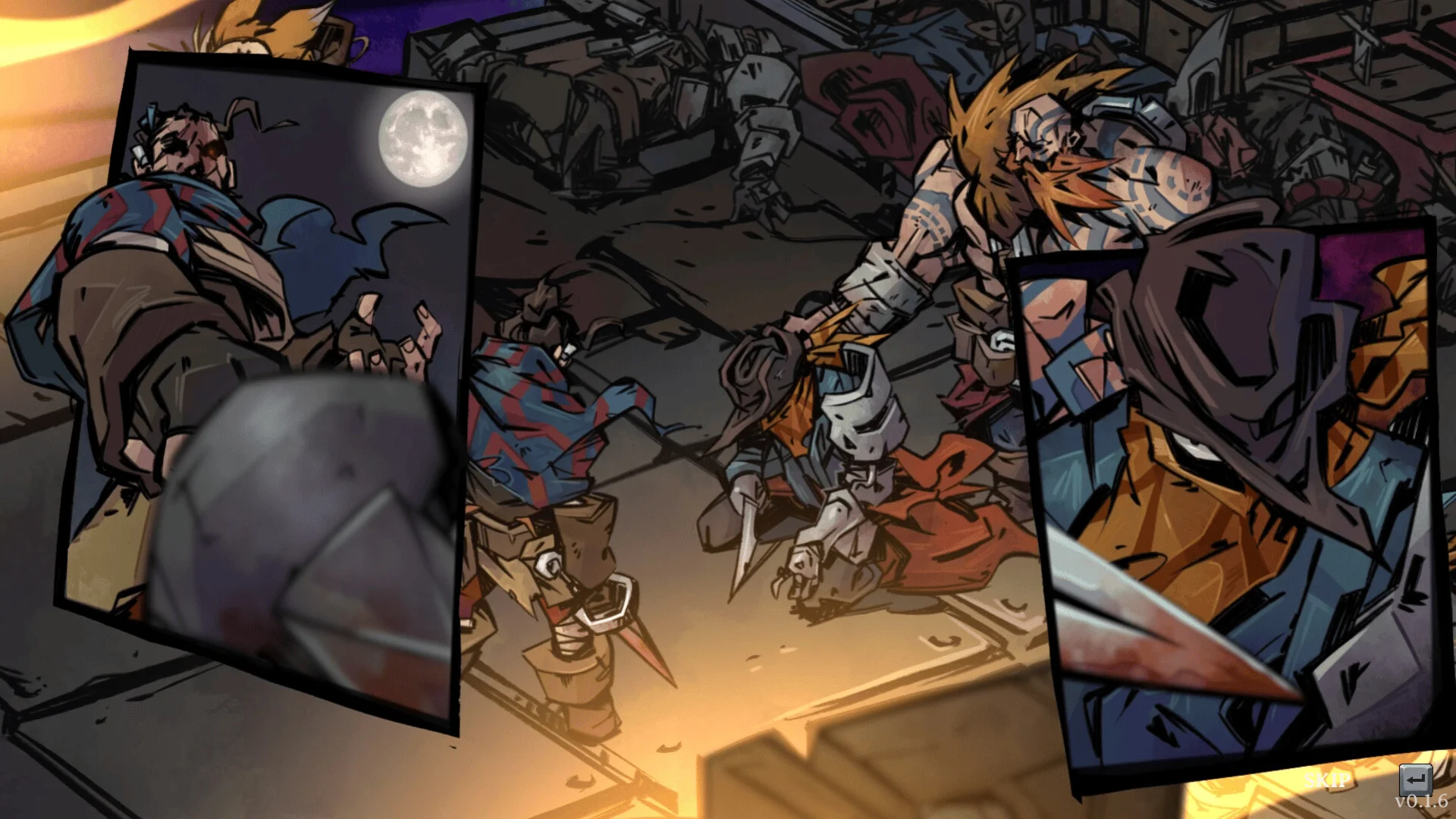
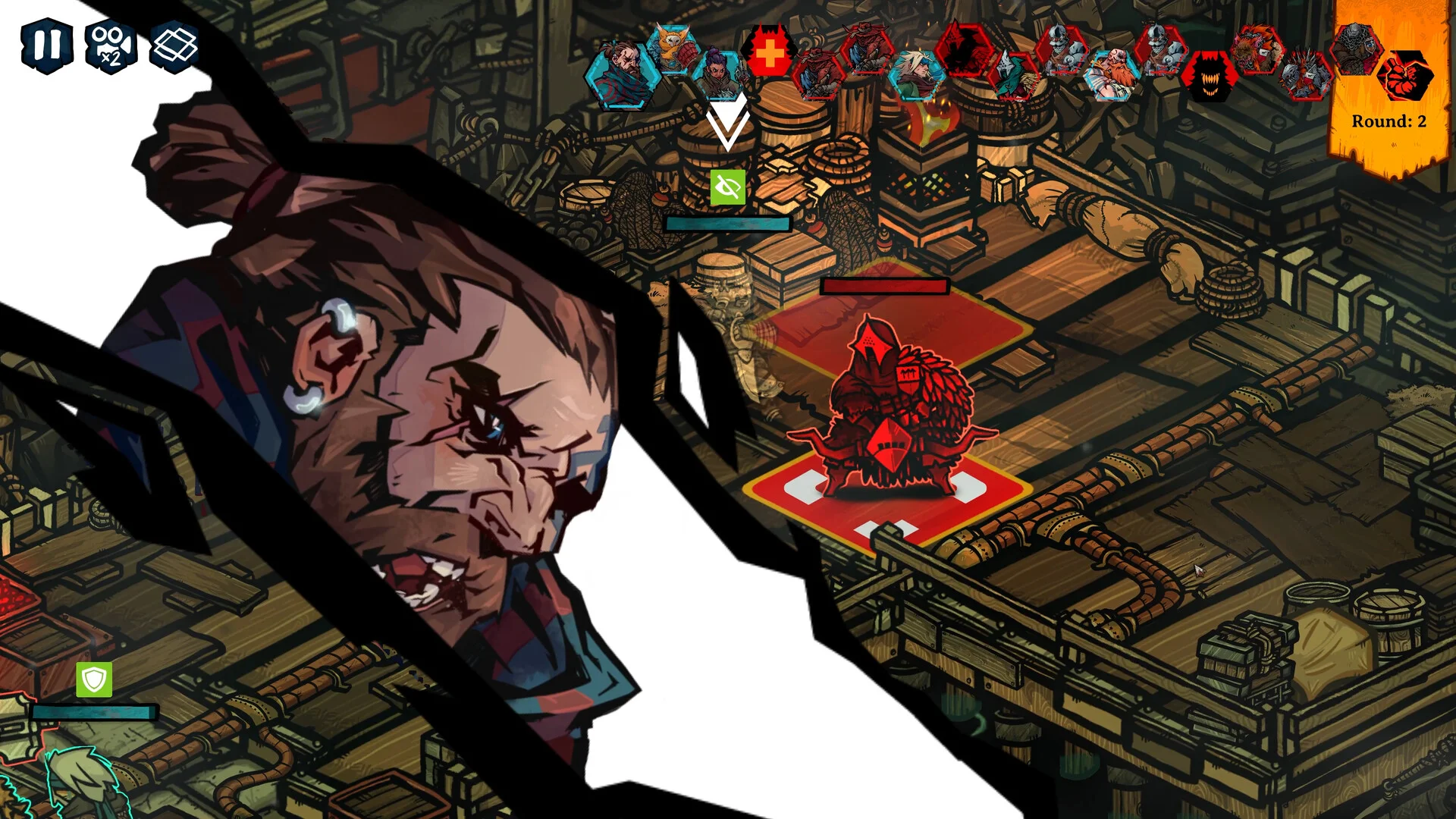
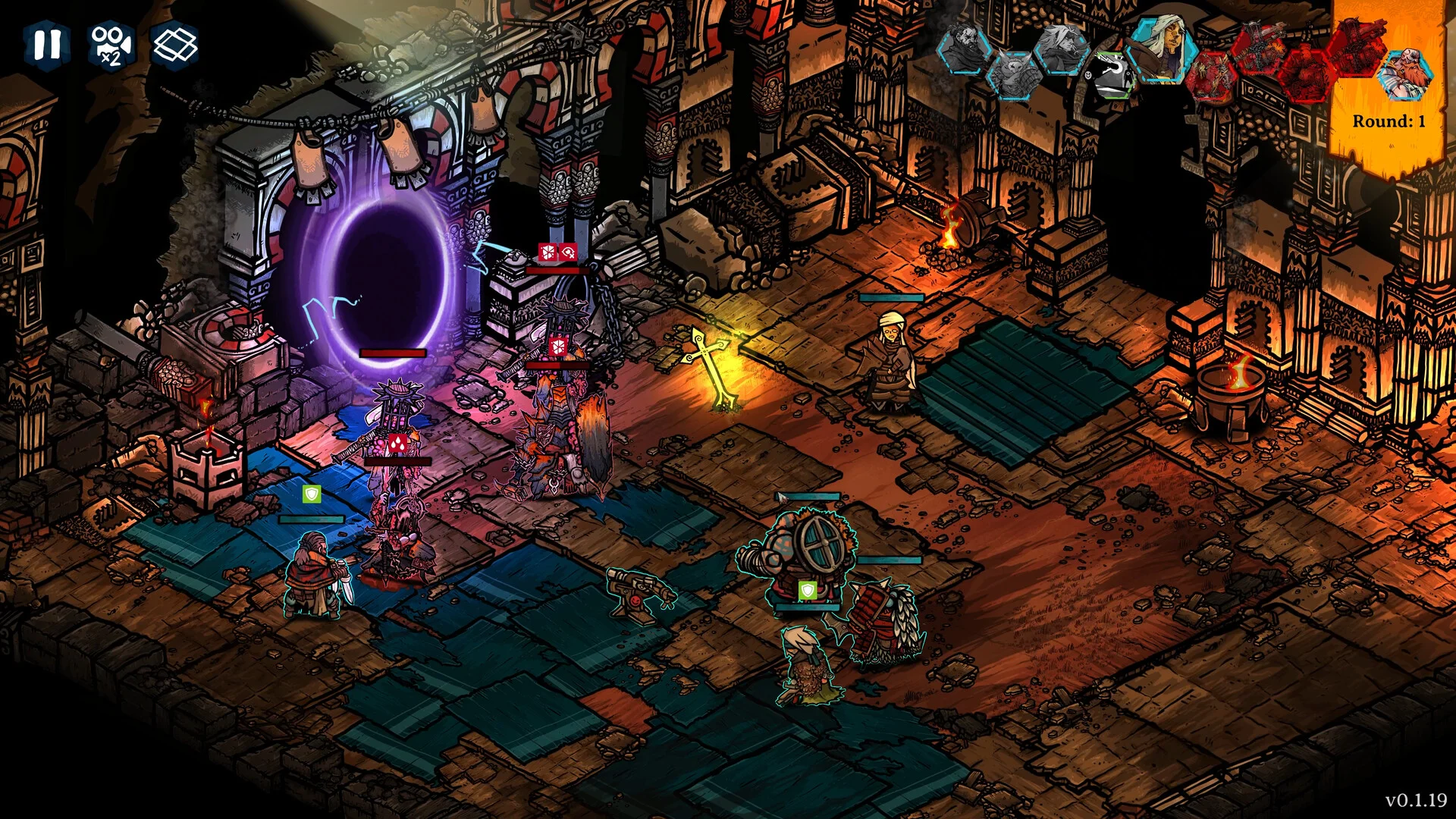
Prelude Dark Pain is a dark fantasy turn-based strategy title with a heavily stylized 2D art style similar to the grimy, comic-book-inspired aesthetic of Darkest Dungeon. That comparison runs more than skin deep, as Prelude Dark Pain promises a grueling challenge even in the demo that spans the first couple of hours of the game. The demo opens to the site of a massacre, with some masked soldiers traipsing through the crowd-infested piles of bodies. A woman with white hair is floating unconscious in a pond, and the soldiers kidnap her. The scene cuts to our protagonist, the blacksmith Soren, and his children, Tizon and Adara, in their home. Suddenly, a group of armed soldiers (called Landscorchers) arrives on their doorstep, and Soren sends young Adara down a secret passage into the woods while he and Tizon stand and fight. The imposing general Forcell sets fire to their home as they fight a losing battle against the waves of soldiers. Somewhere nearby, a giant of a man named Tammais and a lethe, masked woman named Maya settle down with a fresh kill for dinner. They speak briefly about Soren and his family, but are interrupted by signs of battle further into the forest. After defeating some soldiers and commandeering an ox-driven battle carriage, the pair rush to Soren’s aid, arriving in the nick of time to save father & son. They flee in the carriage, pursued by soldiers, as they rush to find Soren’s wife, the witch Hegoa, the woman from the initial cutscene captured by the soldiers.
It’s a strong start to the game, quickly establishing the major characters and high stakes. Soren’s family is in danger, and some old friends are here to help him reunite with his wife and escape. The soldiers accuse Hegoa of committing the massacre from the intro, but Soren refuses to believe her responsible, setting up major narrative stakes that will likely pay off in the full game. The combat is difficult yet well-balanced, each fight giving you just enough tools and resources to overcome the challenge in front of you, but only by the skin of your teeth. I particularly enjoyed the series of battles that take place on the battle carriage, as you can employ skills from Maya or Tivon that knock back enemies, pushing them onto the road below for an instant kill. This style of creative, dynamic map design reminded me of the train battle in Vandal Hearts, one of my all-time favorite classic SRPGs, which bodes well for the game’s creativity and ingenuity.
Despite the heavy stylization, the user interface is clear and easy to understand. Characters have a set of action points and gain two per turn, which they can use immediately for skills or bank for later. Moving and attacking don’t cost action points, allowing a refined degree of strategic planning and positioning. Enemies hit hard, especially from the flank or the rear; however, I was able to take advantage of the same tactics, providing myself a necessary edge and overcoming the steep (yet not insurmountable) difficulty. If developer QUICKFIRE GAMES can maintain this careful balance, then Prelude Dark Pain will be a must-play for turn-based tactics fans when it hits Early Access later this year.
by Ben Love
Roguecraft DX
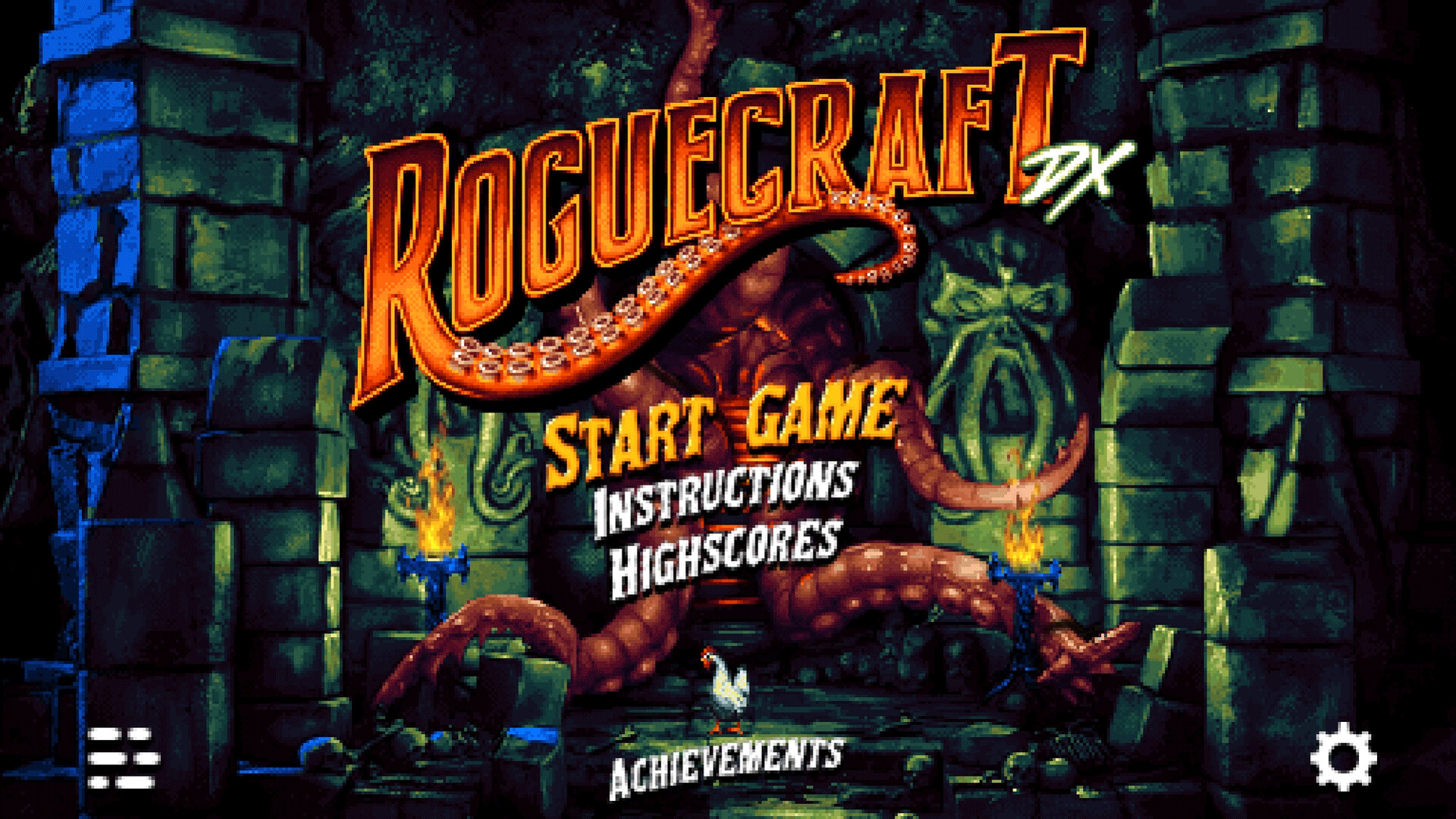
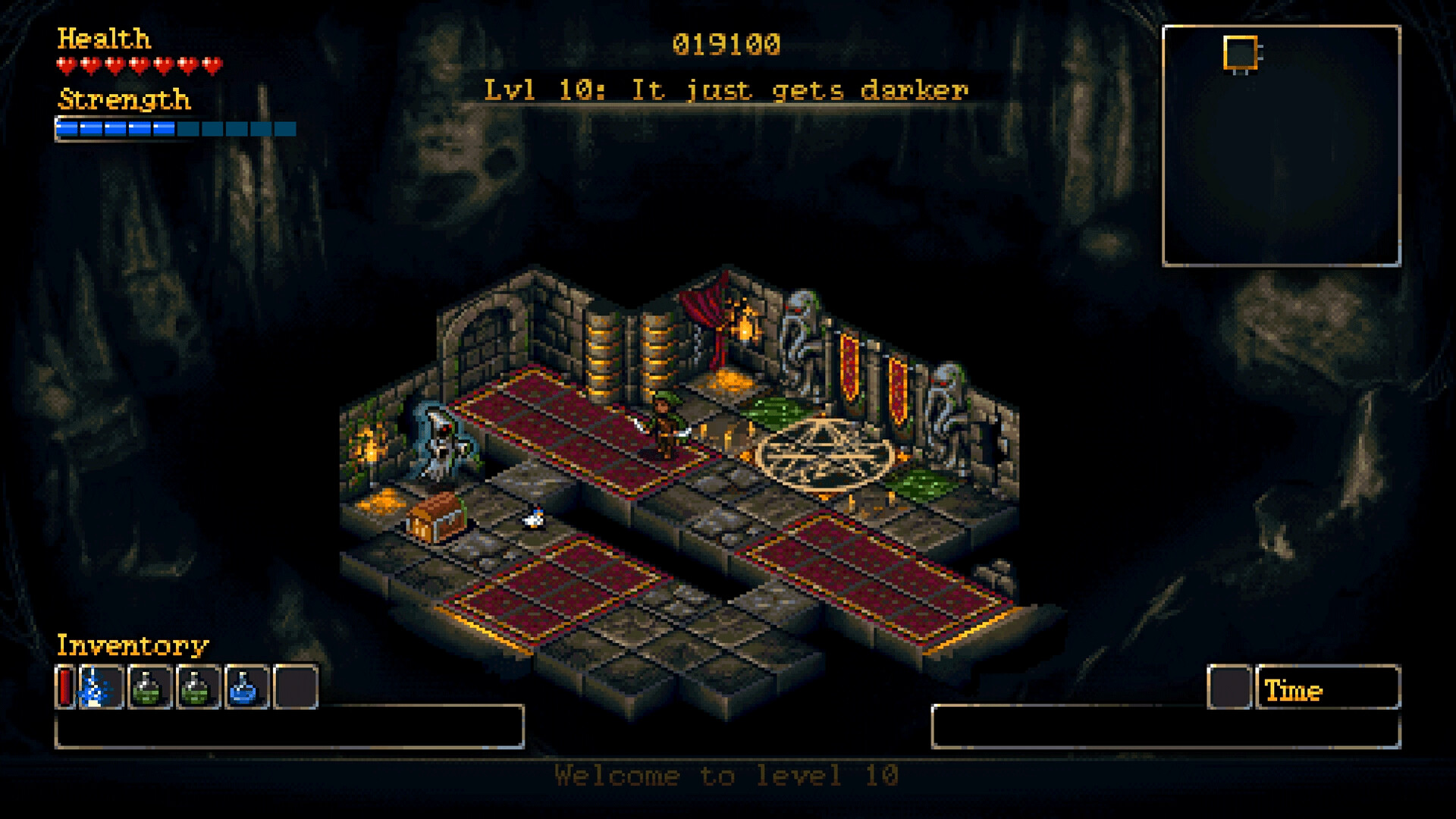
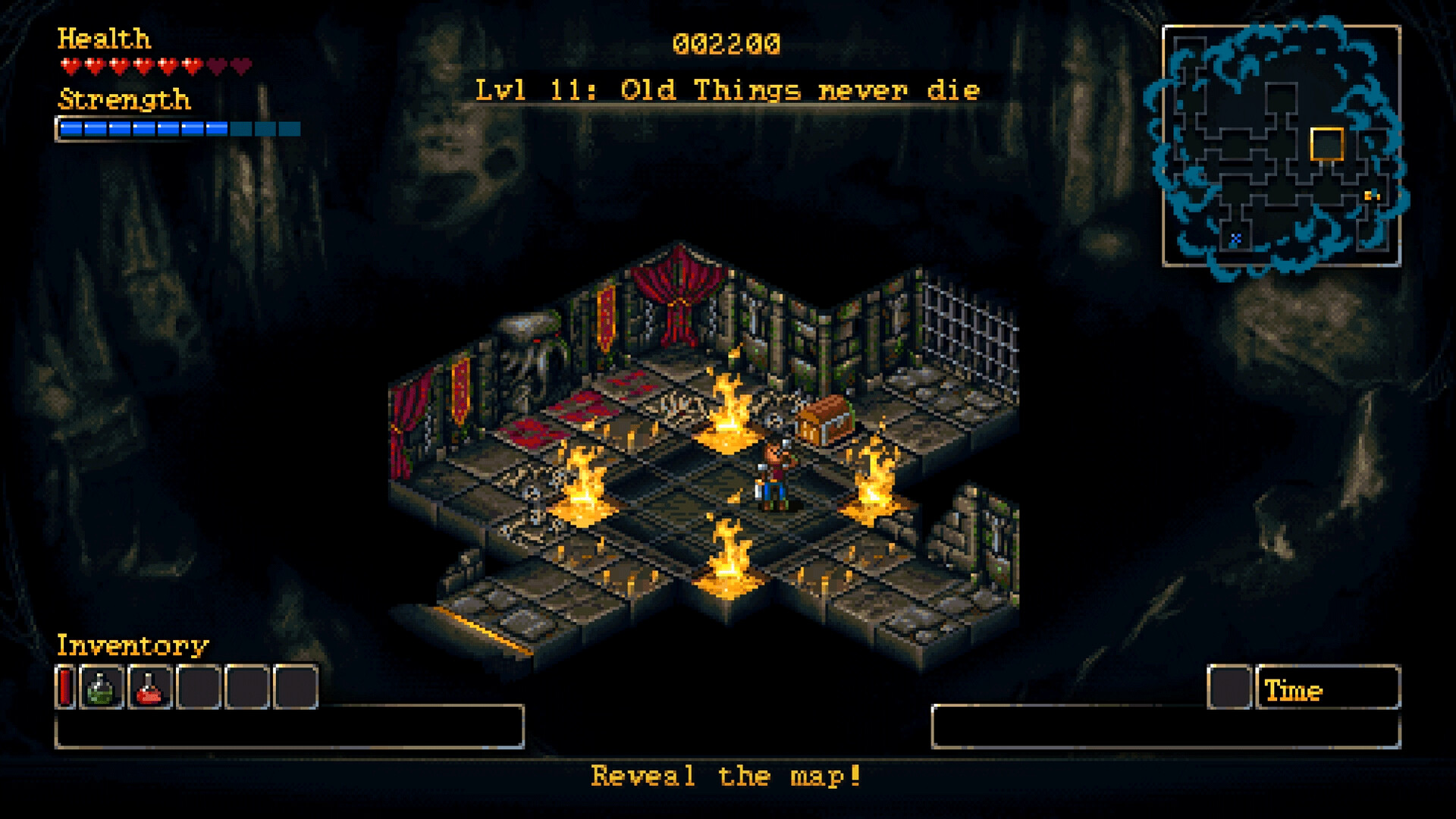
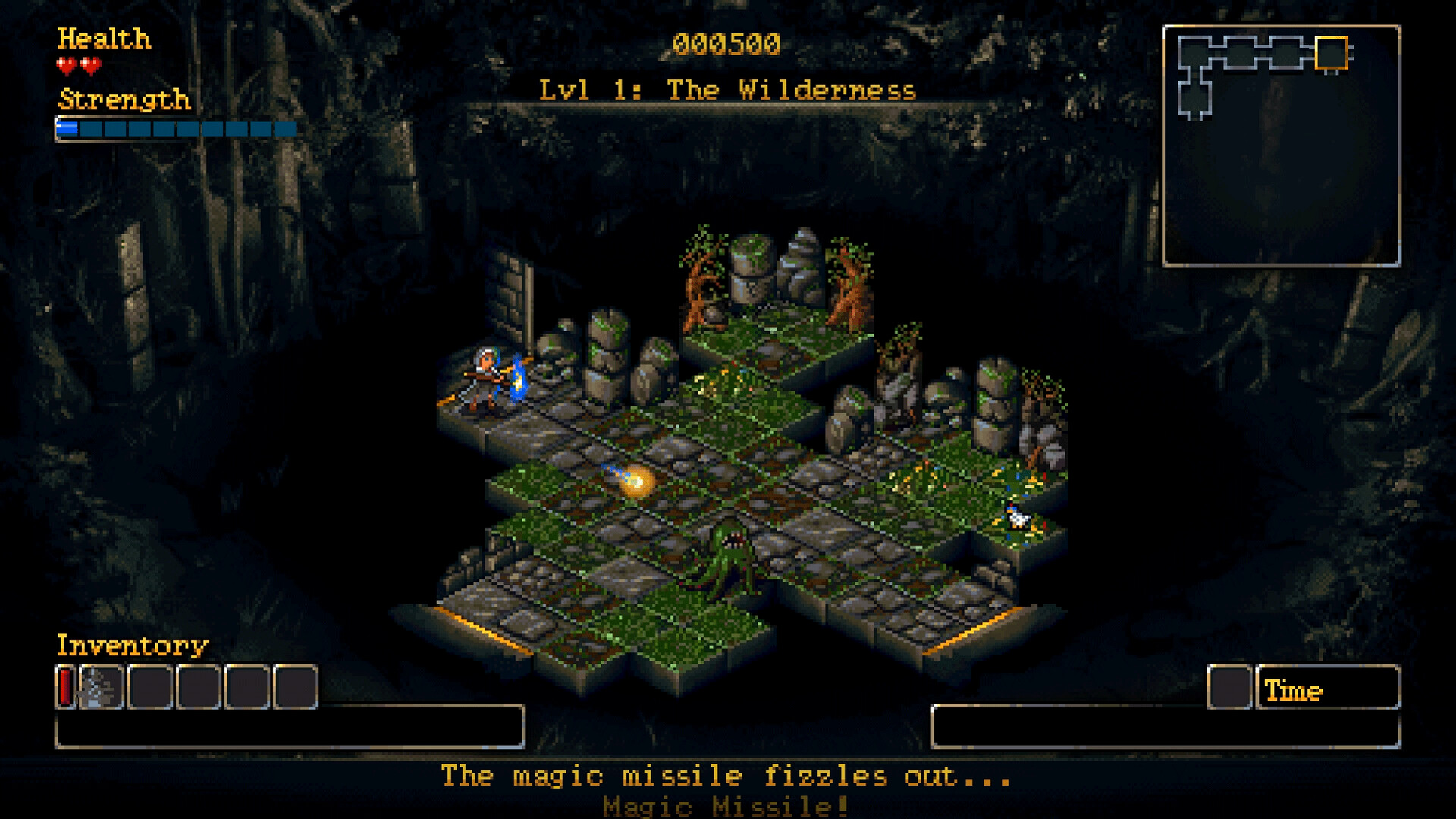
Who doesn’t love a good dungeon crawl in 2026? It’s hard to be more authentic than developer Badger Punch Games, too, because they specifically develop their games for older hardware. Roguecraft DX on Steam is essentially a port of the enhanced version of Roguecraft, originally programmed for the Amiga.
The attention to detail and craft here is obvious, from the beautifully realized isometric pixel art and environments to the short and sweet “story so far” and simple controls. It’s easy to choose a hero from among the classic Warrior, Rogue, Mage types (which also represent different difficulty levels), and get moving. The demo offers you a five-level taste of this classic dungeon crawl, which gives a decent idea of what progression is like.
The demo also offers an entertaining yet challenging bonus with the Chicken Run mode, where you play as one of the game’s “unnervingly aggressive chickens” to crush your enemies and descend into the (also five-level for the demo) depths. I had a lot of fun testing my patience and impulse control with this mode, as fighting as a chicken is often a bad idea. [Editor’s Note: I honestly don’t know if it’s the chickens or the killer soundtrack that surprised me both in this game, but both are worthy of your attention!]
The developers aim to make a game that respects your time, and I think they achieved this both with the run length—my runs matched the estimated 20-30 minutes—and the turn-based aspect. I was initially a bit skeptical of a turn-based roguelike, but honestly, the turn-taking matched the dungeon crawl aspect of the game perfectly. The only time I stumbled was with the turn-based movement outside of combat, but it easy to get accustomed to after a short time. And I truly appreciated that I could get up and come back to the game at basically any point.
If you have any interest in dungeon crawlers or you’re craving a breezy isometric experience, Roguecraft DX is worth a try. I can’t wait for the Eldritch Chickens to arise when the full game releases.
by Hilary Andreff
More Steam Next Fest Demo Highlights
- Aegis Force: The Scorian War
- Arisen Force: Vonimir
- Astra Bestiary
- Astral Throne II: Age of the Phoenix
- Bonehold
- Celestial Descends
- Colossus – Eternal Blight
- DragonSword: Awakening
- Dunebound Tactics
- Edge of Memories
- Echoes of Aincrad
- Echoes of Mystralia
- The Goddess’s Will
- Grim Trials
- Hollow Home
- Into the Aether
- Kernel Hearts
- The Last Worlds: Crossed Souls
- The Life and Suffering of Prince Jerian
- Lostbound
- Mortal Shell II
- Nocturne
- Rivage
- Signy & Mino: Against All Gods
- South of the March
- Sovereign Tower
- Tales of Tuscany
- TideBroker
- TOEM 2
- TORR
- Valor Mortis
- Zenonia


Leave a Reply
You must be logged in to post a comment.