
Rob White’s Impressions
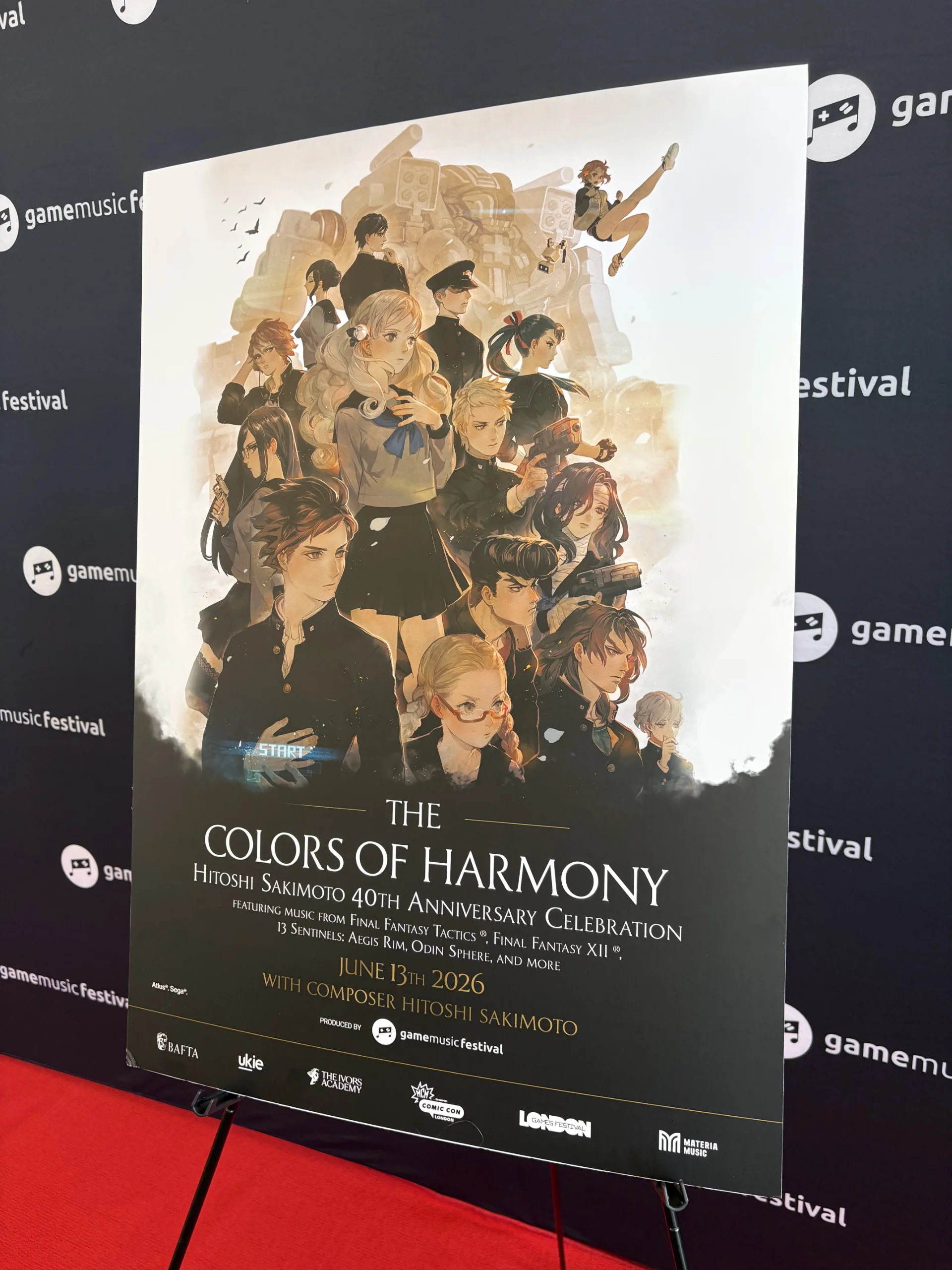
On Saturday,1 3 June, 2026, I attended The Colors of Harmony: Hitoshi Sakimoto 40th Anniversary Celebration, a day of events at Fairfield Halls in Croydon, London, celebrating both the Final Fantasy series and Sakimoto’s contribution to video game music. The day included a packed schedule and a list of exciting guests and speakers, as well as the master himself (Sakimoto). I arrived at around 3 pm, just after the first event—a pub quiz hosted by Ben Starr where teams were answering Final Fantasy-themed questions. Unfortunately, while I wasn’t able to arrive to take part, I did catch them announcing the winner and was thrilled not to have missed Ben being his usual mischievous self.
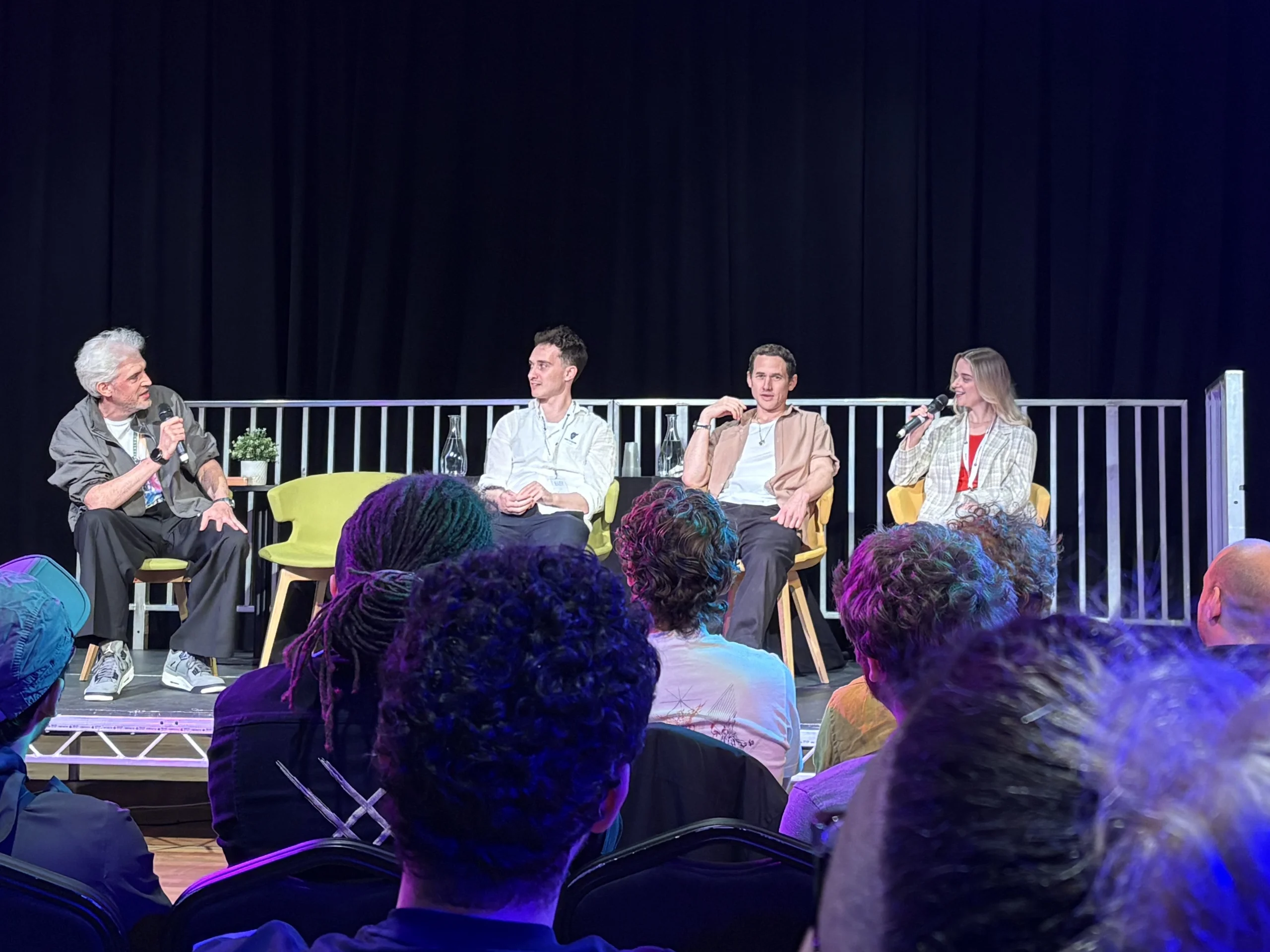
After grabbing a drink and a seat, I readied myself for the first Q&A with three of the core voice cast members from Final Fantasy Tactics: The Ivalice Chronicles: Joe Pitts (Ramza), Gregg Lowe (Delita), and Eleanor Bennett (Ovelia). They revealed early on that it’s been one year to the day since the first round table reading of the game’s script. Hearing that moment being remembered so fondly was great—it was immediately apparent that Joe, Gregg, and Eleanor had developed deep connections with these characters and with each other.
During the session, Eleanor spoke at length about voice acting as a career, how it can be lonely at times spending much of your time in recording booths, and how being around fans and interested people discussing the work brings her joy. I found it fascinating to hear how each of the cast members entered the profession and specifically why they were interested in joining FF Tactics. Discussion also centered around music being a uniting force in video games—uniting all of the other parts and driving home the emotional impact of a scene. Music is what helps take you away from the real world and immerse yourself in the fantasy, with the opening track of Tactics being a particular highlight to Joe. The cast then moved on to talk about Sakimoto’s score specifically and how they enjoy the moral ambiguity of its sound. The music is not just expressing emotion in a scene but also the atmosphere of the world and the associated characters’ personalities. The compositions are complex and aiming to fully express emotions which can otherwise be limited due to the pixel art style. The whole discussion was really interesting, and I was left feeling inspired by the cast’s love for their work, Final Fantasy Tactics, and the music of Sakimoto.
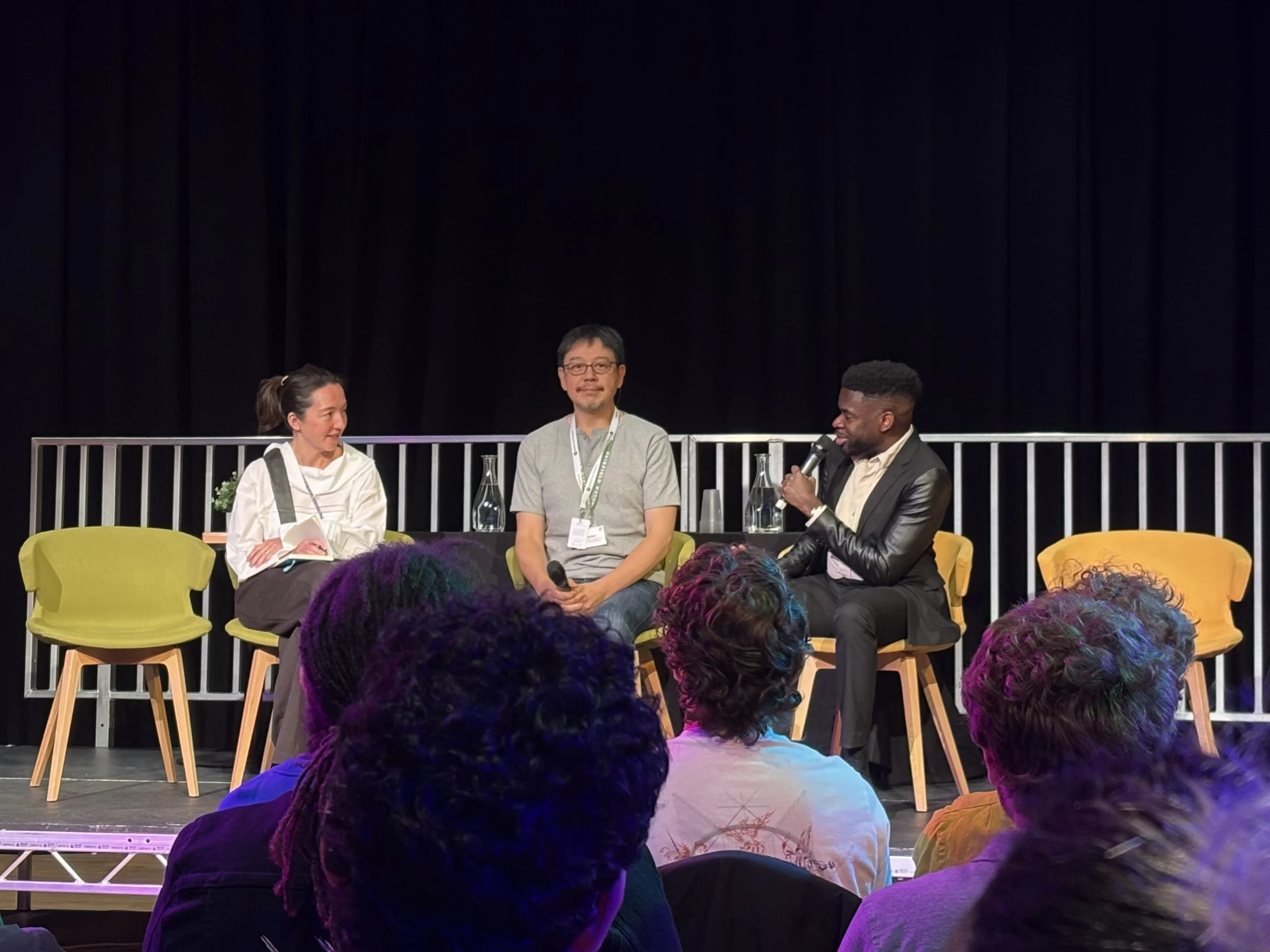
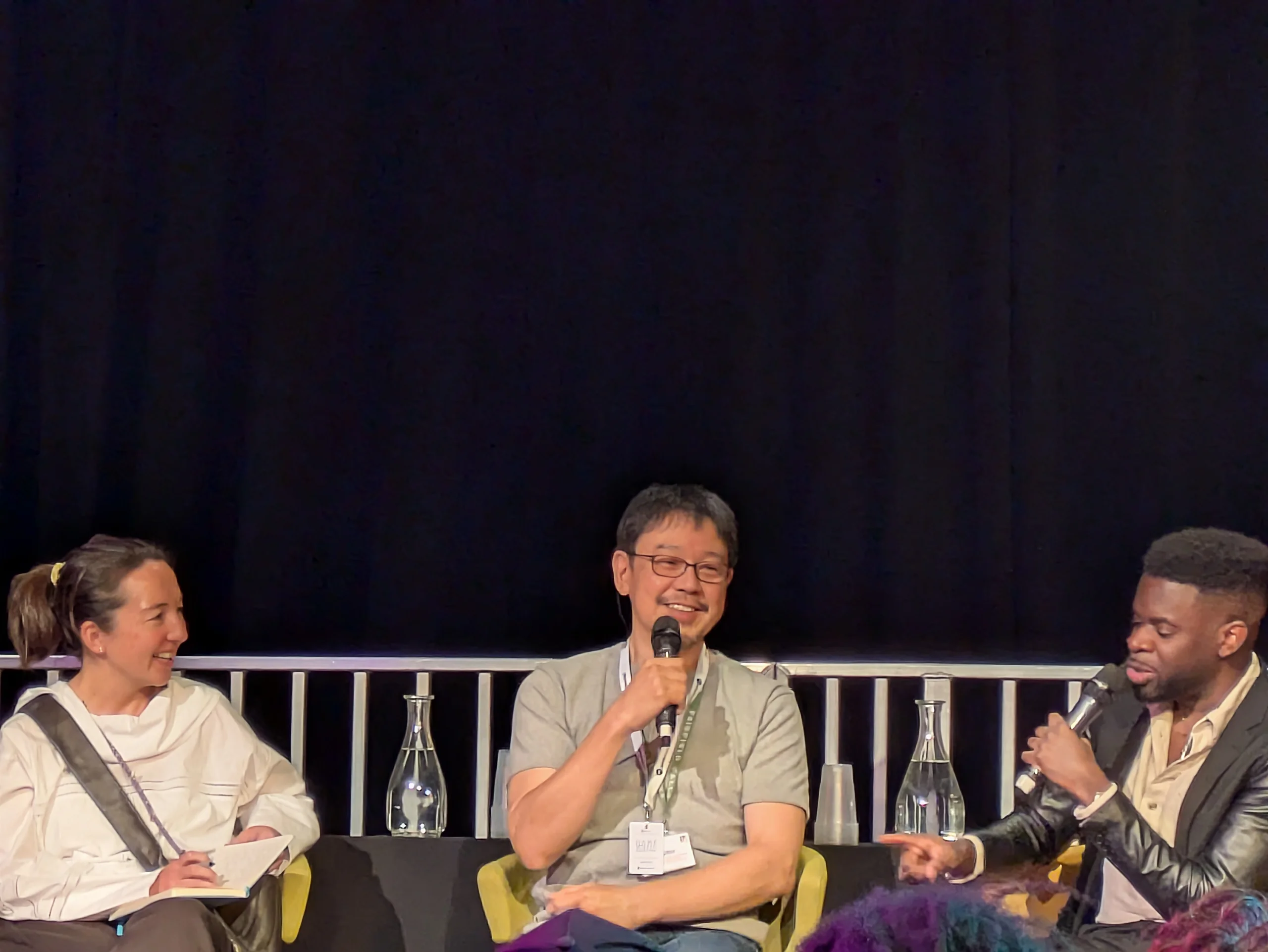
Following the Q&A was a 45-minute interview with Hitoshi Sakimoto himself, hosted by Alex Moukala, who was clearly just as passionate about video game music and Sakimoto’s work as the rest of us. Alex guided the first part of the interview before opening questions up to the audience. Initially, Sakimoto spoke about some of his early life experiences—how he was surrounded by computer geeks in his younger years, so it felt natural to him to be with others interested in games, computers, and the digital world. He never imagined he’d become a composer back then, but said that the move felt honest and a natural fit. Experimentation early on with embedding mathematics into his musical composition was fun but not very interesting sonically. He liked the idea of using formulas and maths theory to create music, but soon discovered that while the music sounded very organised, it lacked empathy or emotion and wasn’t satisfying.
Talk then moved onto some of his video game projects, and Sakimoto revealed that his only time fully employed by a game studio (he usually works as a freelancer) was with Squaresoft during the development of Vagrant Story. There was a lot of love for that game in the room—a big cheer went up when it was mentioned. While Sakimoto liked the game and is proud of the work he did, the experience of working for a large studio was not one he particularly enjoyed, mainly due to the number of meetings he had to attend. I can certainly identify with this! He discussed at length the importance of a positive relationship between composer and director to get clear story direction and to enable him to express what’s beyond the script for a given scene.
An audience member asked about how composing for games with very dark or political themes impacts him. Sakimoto explained how he can sometimes find it hard to break out of those dark emotions while working intensely on a score, and found it particularly challenging with Tactics Ogre. However, he always makes an effort to separate himself from this when he can. On the flip side, taking too much time away in the middle of a project causes its own problems. Taking a break for a week during a composition makes getting back into it a challenge and causes stumbling blocks upon revisiting the work. When not working on the darker-themed games, he loves creating for calmer or more lighthearted media too and is a particular fan of techno music, explaining that he even brings techno techniques into his classical music compositions.
As the interview drew to a close, Sakimoto took a question about the soundtrack for 13 Sentinels: Aegis Rim, and another cheer went up from the audience. I’m really pleased that game gets the love it deserves! Sakimoto revealed that one of the highlights from its OST, “Brat Overflow,” was actually created about five years before the game, based on an idea born from a discussion between himself and the game director. Finally, he expressed his love for his craft and explained how he always tries to learn and create new things whilst composing. He draws so much encouragement and motivation from events like this—seeing audiences discuss and express love for the music he’s made. It was fantastic to hear such an esteemed composer talk about his working process and his reflections on past work so candidly and with clear passion for what he does. I found it so inspiring, and it has given me a much deeper appreciation for both his OSTs and the games they’re featured in.
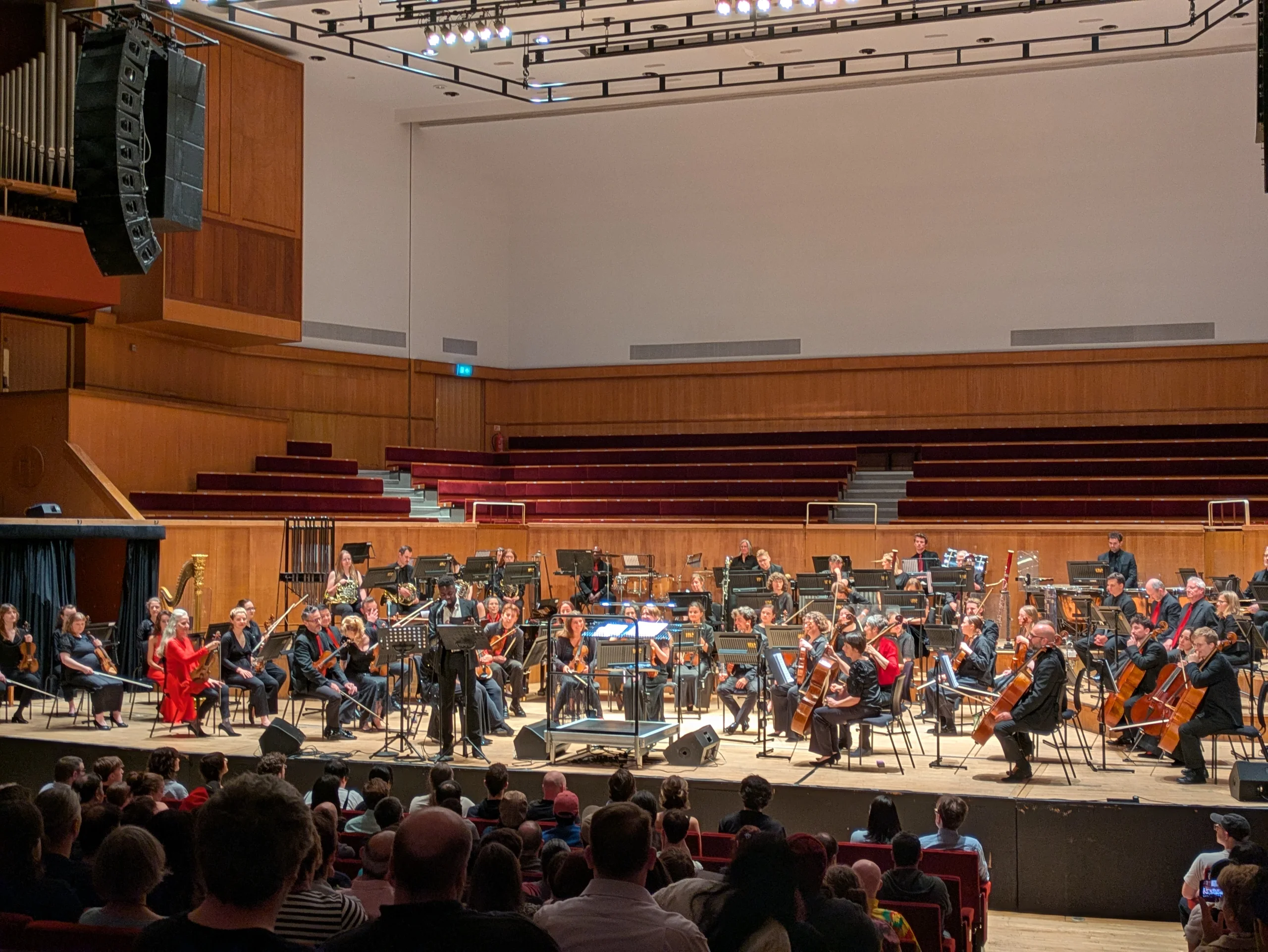
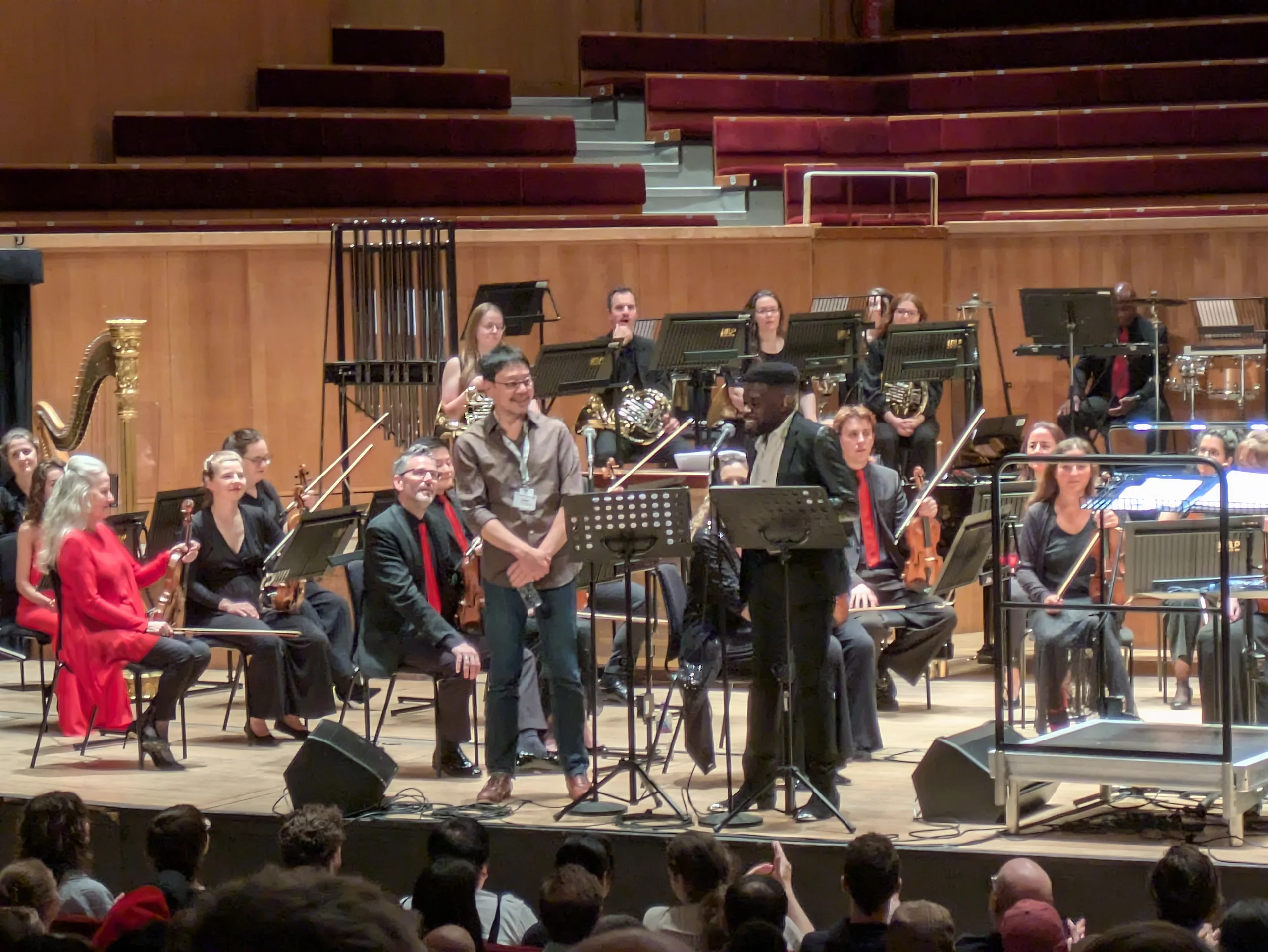
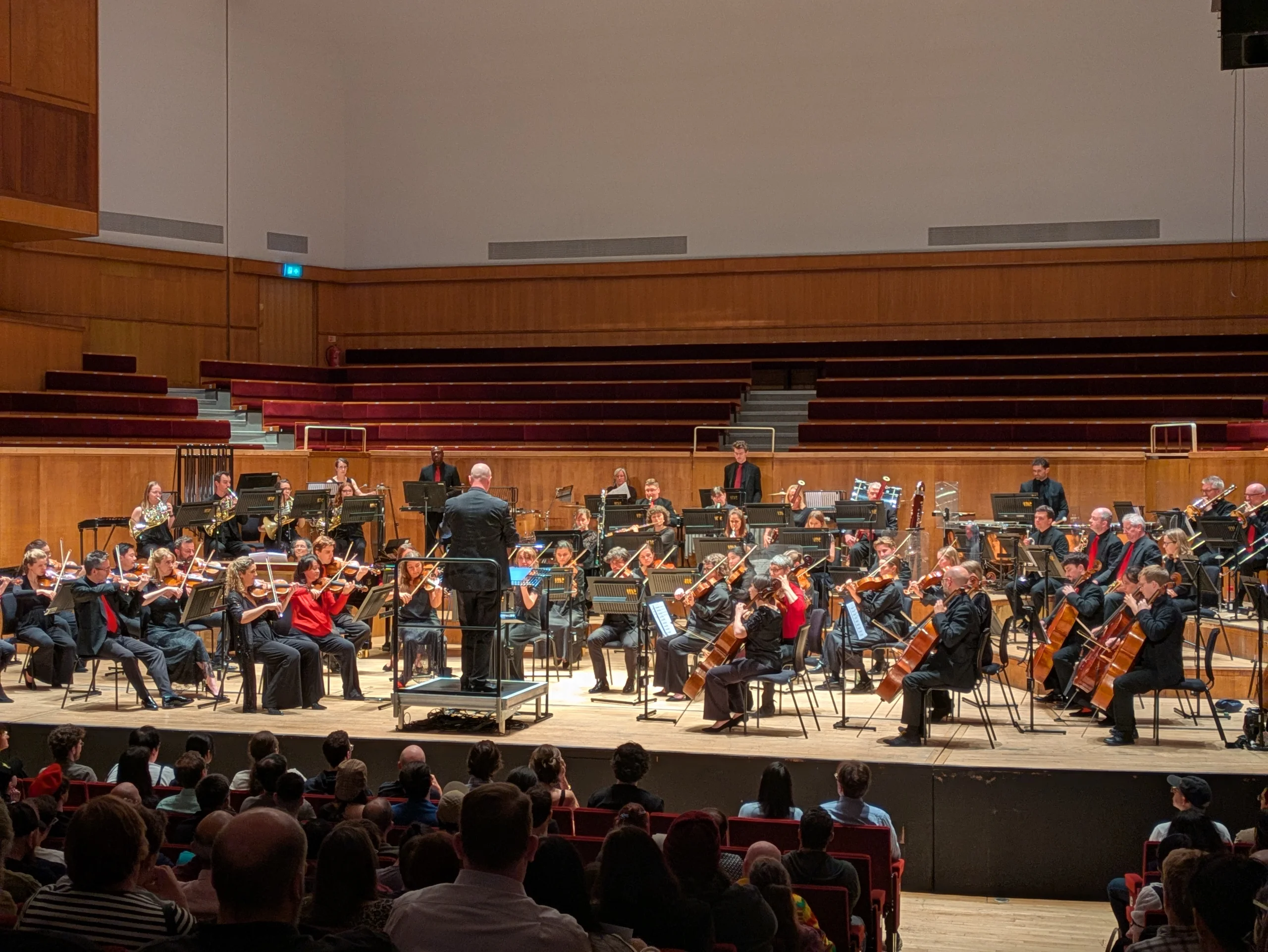
After a short break, we entered the concert hall for the main event: the Colors of Harmony concert, featuring the London Mozart Players. My main associations with Sakimoto’s music come from Final Fantasy XII, with sprinklings of 13 Sentinels: Aegis Rim and Final Fantasy Tactics. This is especially handy because this is the focus in terms of track choices here, with the two Final Fantasy games making up the bulk of the concert. The show was split into two 45-minute halves, with the first half including two fantastic vocalists who brought the tracks they featured in to life, including the 13 Sentinels and Odin Sphere selections. The vocals worked exceedingly well, harmonising to stunning effect and landed with a clarity and power that set the whole piece off on an epic scale. It was interesting to hear some of the more ‘poppy’ or electronic tracks translated to orchestral compositions, particularly with the 13 Sentinels tracks, which sounded as good as in their original form. It made me reflect back to Sakimoto’s comments during the interview around drawing inspiration from techno music for classically arranged music.
The concert setting really made evident the musical identity that runs through the Ivalice music—Final Fantasy XII and Tactics. They contain a similar sound palette that links them together and sets them within the same universe, while allowing each game its own identity. The FFXII tracks are generally the grandest in scale, with the orchestra highlighting the music’s epic quality even more than the recorded versions. The brass instruments really shine on the FFXII tracks too; this was great to hear, as I feel the brass section is not often highlighted in video game music. The whole concert kicked off with Final Fantasy Tactics’ rousing opening theme, moving between segments and moods elegantly and setting the format for the rest of the show as each track smoothly transitioned into the next. Besides hearing the 13 Sentinels music, another personal highlight was in the second half hearing “Training in the Sewers”, “Streets of Rabanastre” and “The Dalmasca Estersand” from FFXII. Not necessarily the most dramatic of pieces, but some of the most memorable, and tracks which stir feelings of nostalgia and warmth in me.
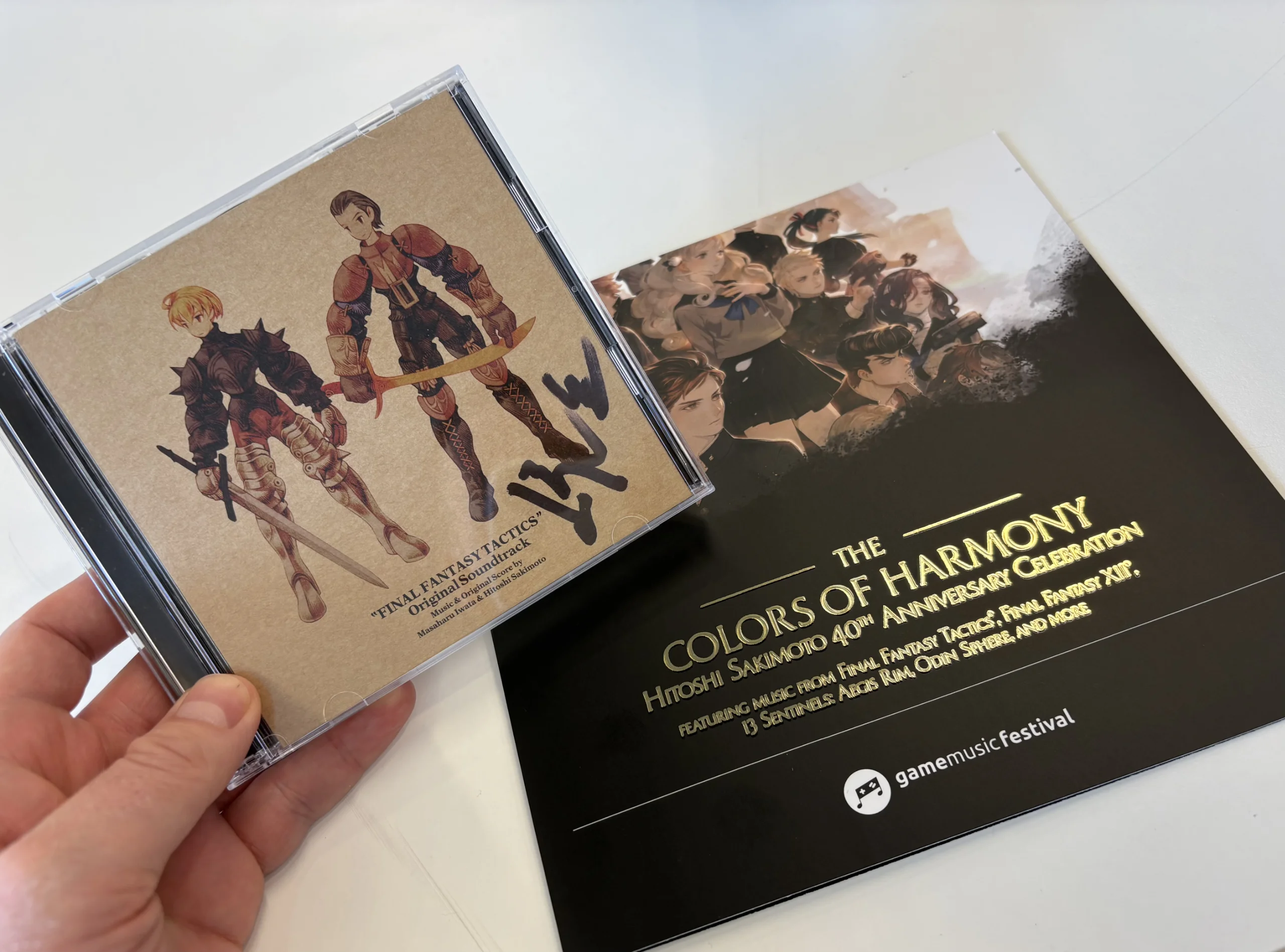
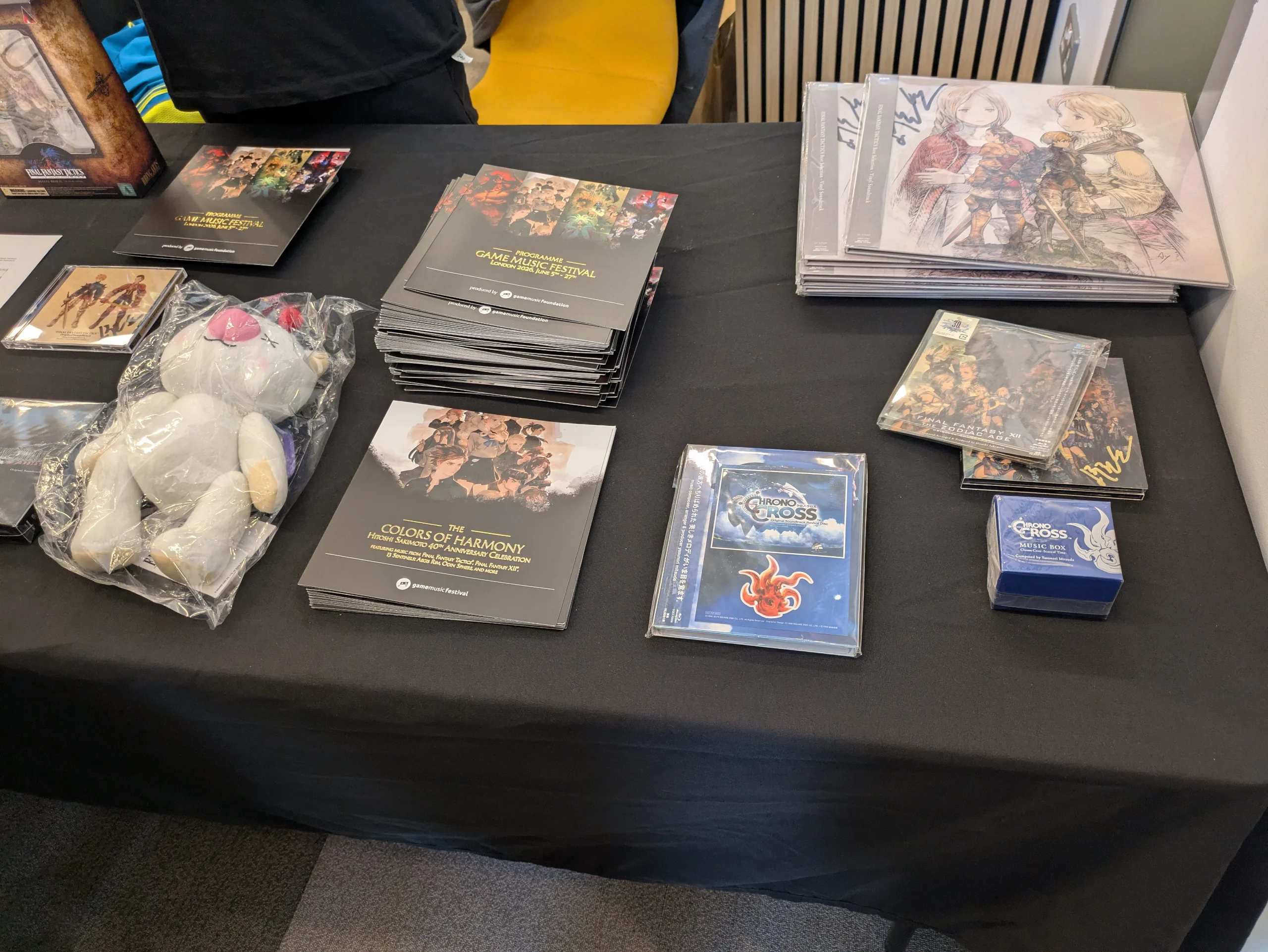
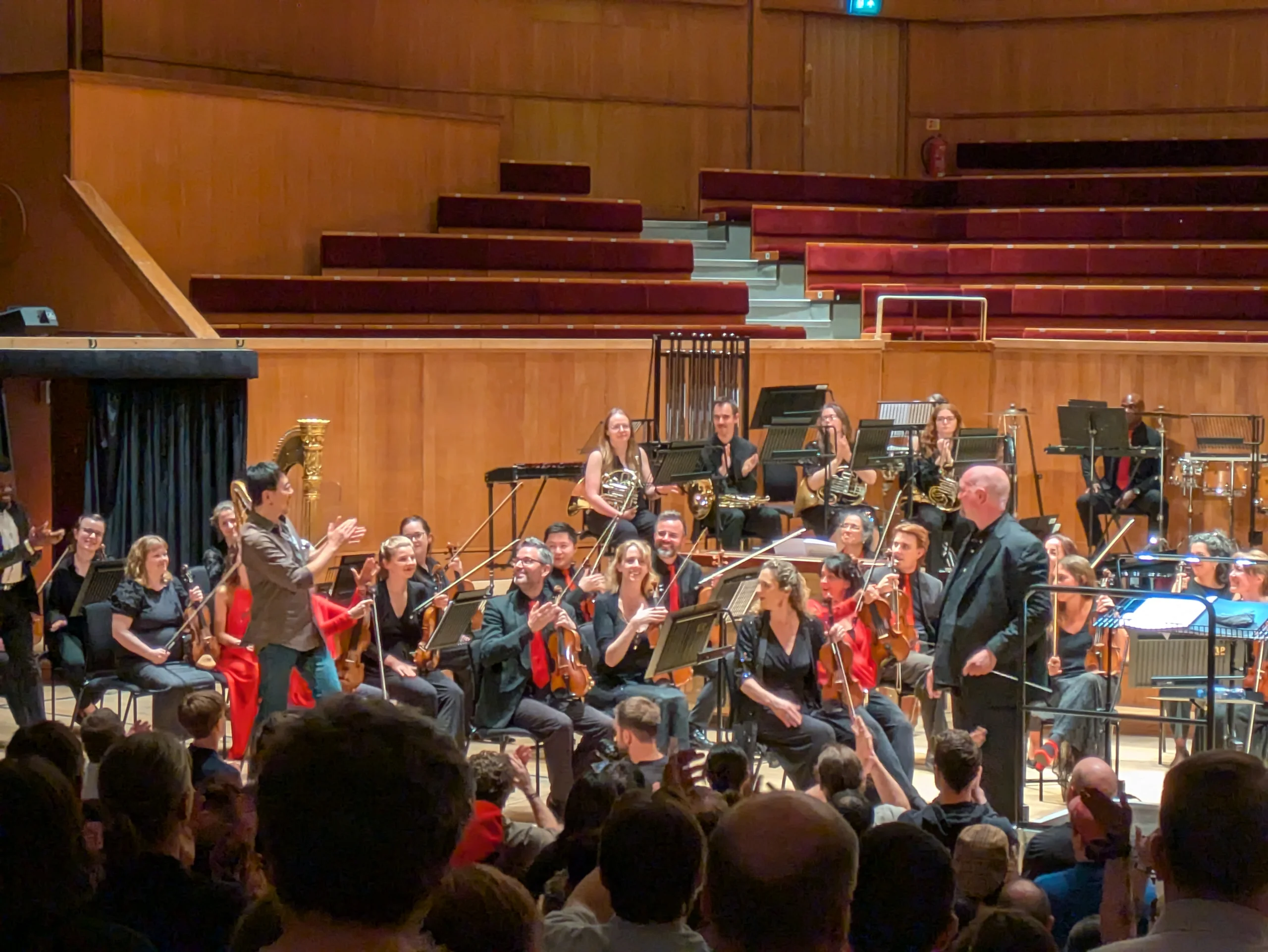
The concert itself was a success. I loved every moment, switching from moments of power and tension to moments of calm and gentle beauty. Whenever I see orchestras play, it makes me wish I could play an instrument with as much skill, but I also feel privileged to witness and hear others play. Attending an event with so many others who clearly have strong emotional links with the source material is a great feeling. There’s a common link between us all, and we’re sharing in this experience together. The concert ended with a standing ovation as Sakimoto joined the orchestra and conductor on stage, and it felt like a perfect, meaningful end to a day full of creative insights, inspirational moments, and the chance to be around others just as excited about video game music and Final Fantasy as myself. Oh, and I also treated myself to a signed Final Fantasy Tactics OST CD to add to my collection.
Paul Skevington’s Impressions
My day started a little earlier, as I arrived in time for the pub quiz, co-hosted by gaming’s trickster god (actor Ben Starr) and Darryl from Final Fantasy Union. Just hearing Darryl’s mellifluous voice was enough to make my day, having watched countless excellent videos from his channel, as I’m sure many of us have. Composer Hitoshi Sakimoto was in attendance and joined one of the teams. As almost all of the questions focused on Final Fantasy XII and Final Fantasy Tactics, that group had an initial advantage, as Starr sardonically remarked, although Sakimoto-san did have to leave halfway through the quiz. I was lucky enough to join a great group of knowledgeable Final Fantasy aficionados, which I was very grateful for, considering the complexity of the questions! The quiz included FF general knowledge, and an odd-one-out round, amongst others. The picture round asked you to place multiple locations onto the FFT world map in 60 seconds. The final test asked you to guess higher or lower on character ages, and I was successful enough to make it onto the stage. I was soon booted off, but my team still finished a respectable joint-second place. The overall highlight was probably Mr. Starr expounding upon the virtues of 2010s pop group, Little Mix.
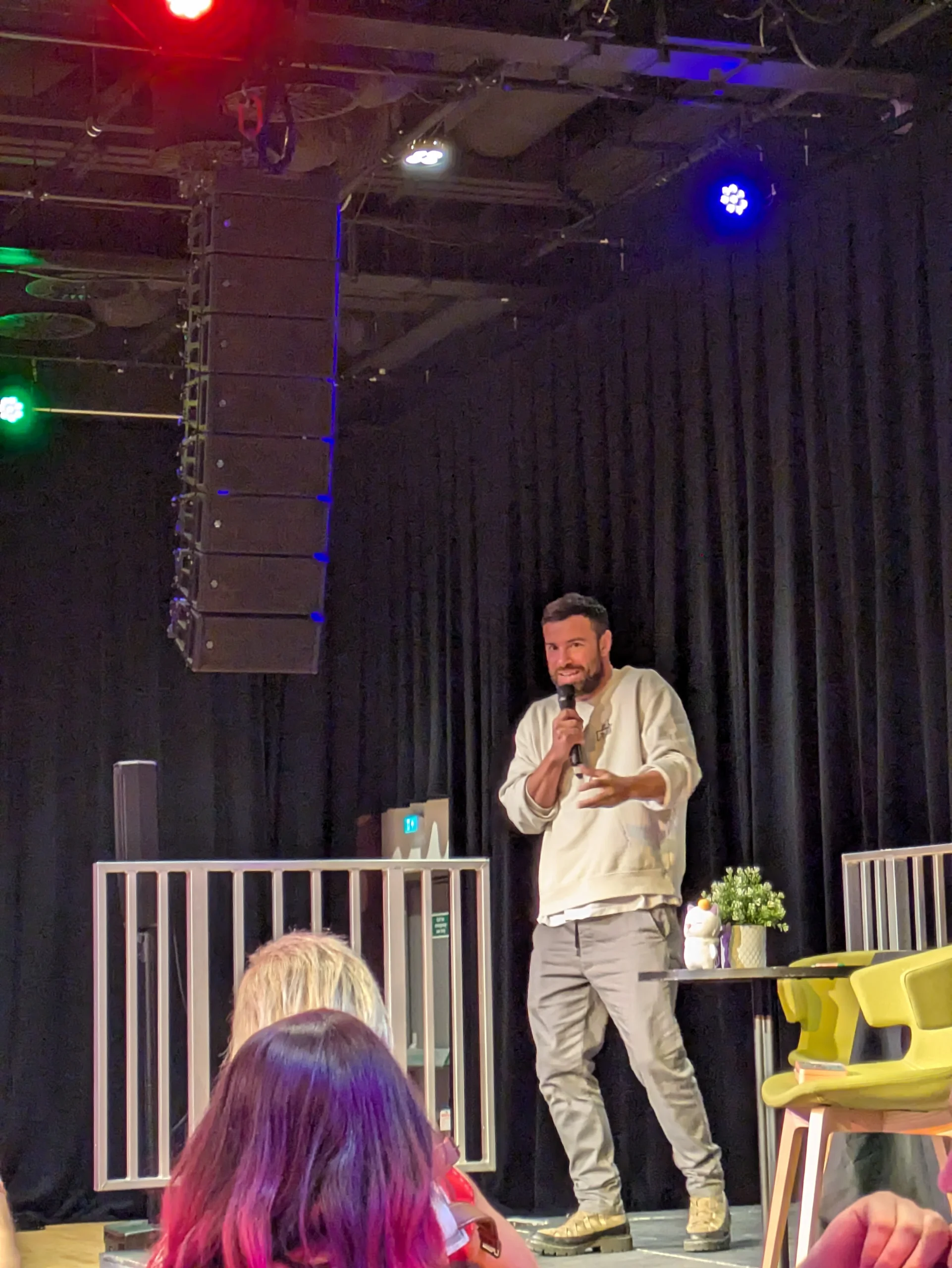
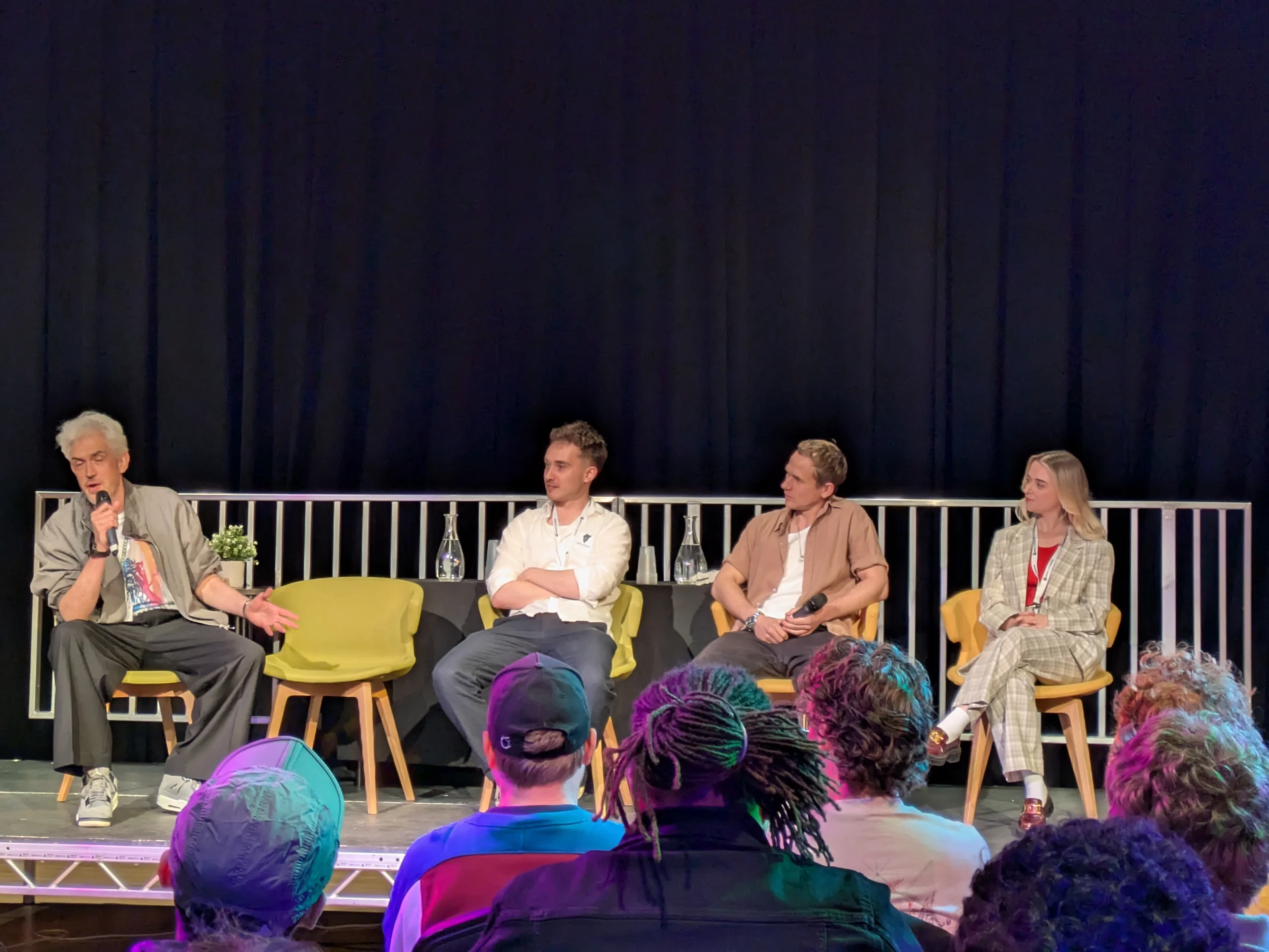
The next item was the Final Fantasy Tactics Voice Actors Q&A, moderated by one of the game’s voice directors, Morgan Rushton. I was struck by their description of their playthrough of the game and how Hitoshi Sakimoto’s music has the power to take you out of the real world, straight into the space the game occupies. This led into Joe Pitts describing how, before this point, they had only interacted with the world of Ivalice through their imagination and the snippets of imagery given to them, providing insight into what working on these projects in their earliest stages is like.
Eleanor Bennett had some sage advice for new voice actors, emphasising that, despite her preconceptions at the beginning of her career, you don’t need to be able to do a multitude of accents and be malleable to every role. Often, you will be cast to provide the essence of a character based on your innate qualities as an actor.
When asked about their favourite dialogue elements in Final Fantasy Tactics, Greg Lowe jokingly said that his favourite line is “Refulgent Blade, now Strike!” Pitts went on to express his love of FFT’s Shakespearean dialogue, which Lowe expanded upon, commenting on the high quality of the game’s story and the richness of the language.
During questions from the audience, the panel were encouraged to discuss their feelings on the fates of their characters (which was greeted by cries of “no spoilers” from the audience!), to which Bennett replied that she felt that Ovelia did not deserve her fate, which she had been very emotional about. Lowe then confirmed that they didn’t see the script before the start of the project, leading to moments of shocked revelation when they finally had access to it.
Conversation turned to the evolution of their vocal performances to reflect the characters’ journeys. Rushton said they recorded all of the battle voices twice, whilst Pitts spoke about how, as he was aware of his character’s arc and they recorded in chronological order, he was able to hold back elements of his performance to unleash later on. Lowe said that he played Delita with increased amounts of cold cynical detachment as the game progressed. Bennett then told a humorous story about a disastrous reading of the line “Would I were no Princess,” which she initially played in a stereotypically “video-gamey” fashion, quickly amending the approach after receiving a note. It was telling that Rushton said they could have decided to overemphasise the Shakespearean atmosphere and big performances, but they deliberately chose not to. I’m sure that many RPGFan readers will agree this greatly contributed to the critical acclaim the voice acting received.
Next, we had the interview with Sakimoto-san himself. It was evident that Sakimoto maintains a sense of humour about himself and his work. When asked if he had any advice for directors, he responded, “Be nice to composers!” To complement this, he was asked if he had any advice for composers dealing with directors. Incisively, he said that there are no directors that are easy to work with, because composers and directors do not speak the same language. Consequently, the two parties must start by finding the same words, and only then can they share imagination. Linking to this, he described his relationship with Vanillaware as being at a point where this process is complete enough that words are not always needed.
In response to the old chestnut, “where do you get your ideas,” Sakimoto could only respond that he thought it would get easier with age, but it never has.
Alex Moukala brought up the fact that Sakimoto wrote some music for Tekken. Sakimoto confessed to being a big enough fan that he sometimes settles musical disputes in the studio with a round of Tekken, which I think is a work practice we should all adopt.
An audience member asked which work represented the point where Sakimoto found his own style, and Sakimoto responded that, as he is always trying something new, he doesn’t have time to learn outside of the process. Instead, he gains knowledge on the job, so his style is always evolving.
Interestingly, in the context of FFT, he was asked about the challenges of revisiting old works. He mentioned that although we now have better technology with which to improve composition, he does not like to do new arrangements, but prefers to take the original piece and extend it using the new techniques,
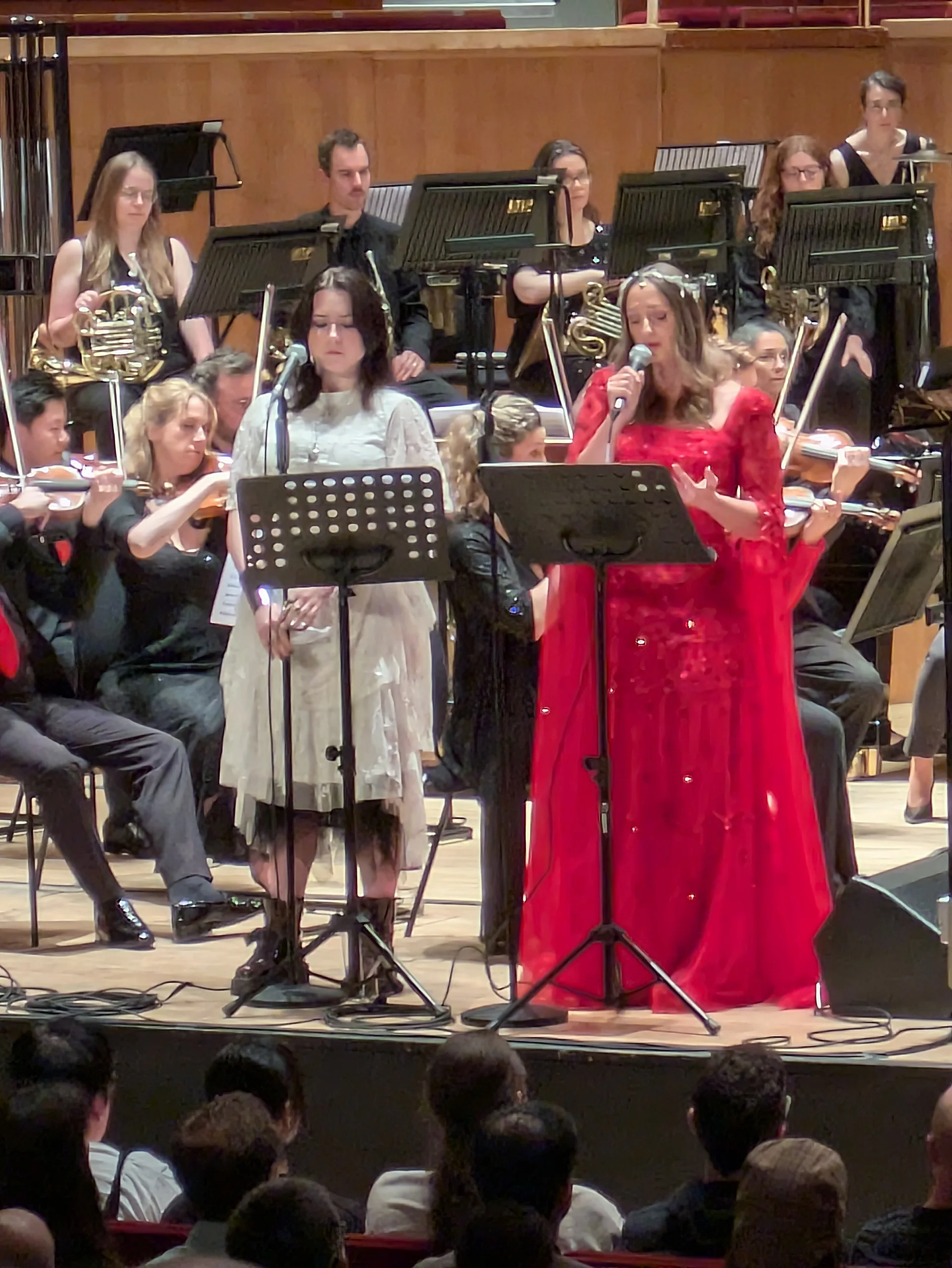
These activities were an ideal preparation for the epic concert that followed. I settled in, my phone hovering near 0% power due to poor preparation on my part, and took in the main event. The start was heralded by a cry from FFXII’s Basch, a.k.a cosplayer-supreme Leon Chiron in his impressively authentic gear. The dual vocalists were wearing appropriately medieval outfits. They immediately captivated me with the opening theme for Odin Sphere, a game I’m not overly familiar with. The lyrics are sung in French, and despite my lack of knowledge, the floating harmonies delivered me into a mystical mood that was entirely apt for experiencing Sakimoto’s repertoire.
Accompanying them was the Mozart Symphony Orchestra, and there is nothing quite like hearing your favourite compositions brought to life by 30-40 talented musicians. Throughout the event, I was astounded by the way the instrumentation wound between strings, woodwind, and brass, without one ever becoming too dominant, truly living up to the theme of “harmony” that had brought us all together.
As one of my favourite games of all time, it was not surprising that hearing the first swells of “Brat Overture” from 13 Sentinels rising from the pit and the throats of vocalists Amelia Jones and Ash McGlynn drove me to the edge of my seat with glee. Although originally electronic in nature, the strength of Sakimoto’s original writing showed in how well the track translated to the more traditional environment.
The interval came all too soon, leaving me worried that the show had ended, but luckily I was wrong. After taking a quick moment to let Ben Starr know how big a fan of his my children are (don’t worry, I haven’t let them play FFXVI yet—I’m not a complete monster), we moved into the second half, featuring music from FFXII and FFT. “Streets of Rabanastre” is an iconic piece which features such dramatic and swift movements between orchestra sections that it could not fail to impress when delivered by skilled players. I was excited by the way the Mozart Symphony Orchestra captured the softness of this and other pieces, with cello and double bass, while also bringing to life that militaristic power that runs through many of the FF tracks, especially Tactics. There was a kind of primal energy at times that seemed to lift the whole audience, and as the medley built towards its dramatic conclusion, it was clear how fitting a celebration this was of Sakimoto’s work. I think I’m safe in saying that all there were grateful to everyone involved, including the Game Music Foundation, whose efforts brought us a night not soon to be forgotten.