
Echo Generation 2 is a prequel to the original Echo Generation, released in 2024. The original led with heart and humor beautifully matched by its charming voxel visuals. Echo Generation 2 attempts to further develop the world and vibe as we primarily follow Jack, the missing father from the first game. I praise the developers for taking a chance by changing the tone to a more serious story while building on a world people fell in love with.
Unfortunately, that’s where the praise ends. Sometimes writers are good at a certain kind of storytelling, and a world is best set in its original intent. This isn’t “I wish this were more like Echo Generation” commentary, but rather a critique of the writing itself. We get to dabble in a couple other stories featuring characters from other dimensions, but the game focuses on Jack. I typically love this style of storytelling because we can experience a universe from multiple perspectives rather than hearing about it through one lens.
In Echo Generation 2‘s 9-hour jaunt, though, we get attempted depth shoehorned in through exposition and forced relationships. Expect to encounter a lot of “Ah, yes, I knew you from so long ago when you were once an agent at such-and-such during that time when you etc.” Developers have a few avenues to take in lieu of this delivery, such as a flashback. Instead, we get the kind of prolonged dialogue that’s all tell and no show in a fashion sometimes joked about in old comic books.
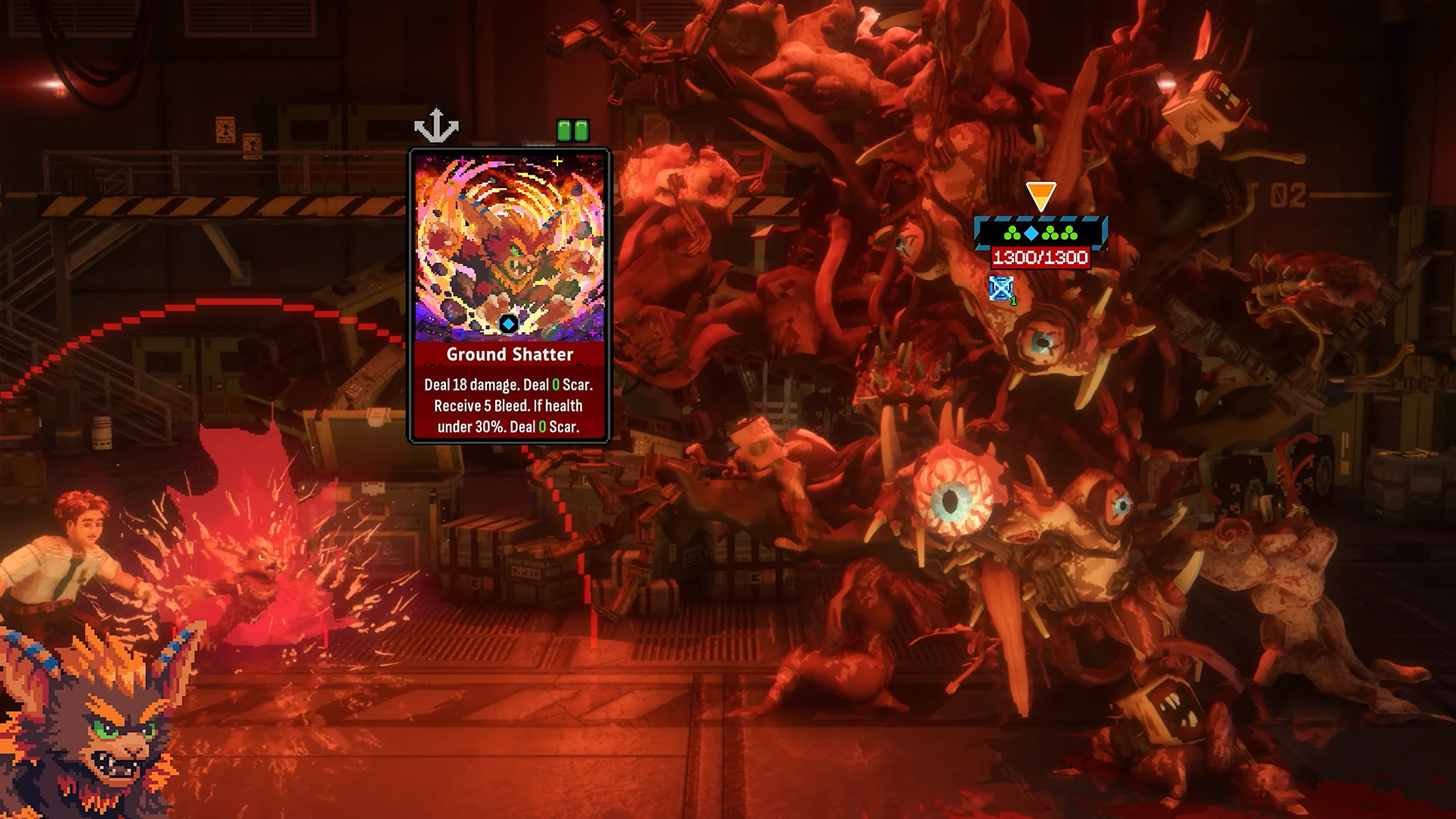
The plot itself piggybacks hard on Stranger Things, but I don’t mind that, as we don’t often see this sort of sci-fi approach in video games. Some of the places the story goes are fascinating in their potential, but the writing doesn’t stick the landing. Even by the end of the game, I could tell the developers wanted the converging storylines to blossom into a deep bond between all the otherworldly characters, but that’s hard to accomplish in nine hours when coupled with the aforementioned critiques.
I enjoyed the variety of characters, such as the animalistic companions with their quirks, but these charming asides only stand out due to the otherwise lackluster storytelling. Simply including these types of characters diversifies the storytelling and contributes to the worldbuilding, but does little to bolster the prose. At the very least, the characters mostly boast unique combat styles to diversify gameplay… somewhat.
Sometimes, combat can accentuate the storytelling in games, though the combat in Echo Generation 2 almost feels tacked on. Expect to run around a map in 2.5D in order to click on objects, fulfill fetch quests, and run into enemies that typically can’t be avoided. Combat involves a turn-based, card-based design that we’ve all seen before at this point. Gaining action points over time with levels, players begin by using one card from their hand to usually hit the enemy, shield themselves, or buff themselves. Then, the enemy goes, and so on.
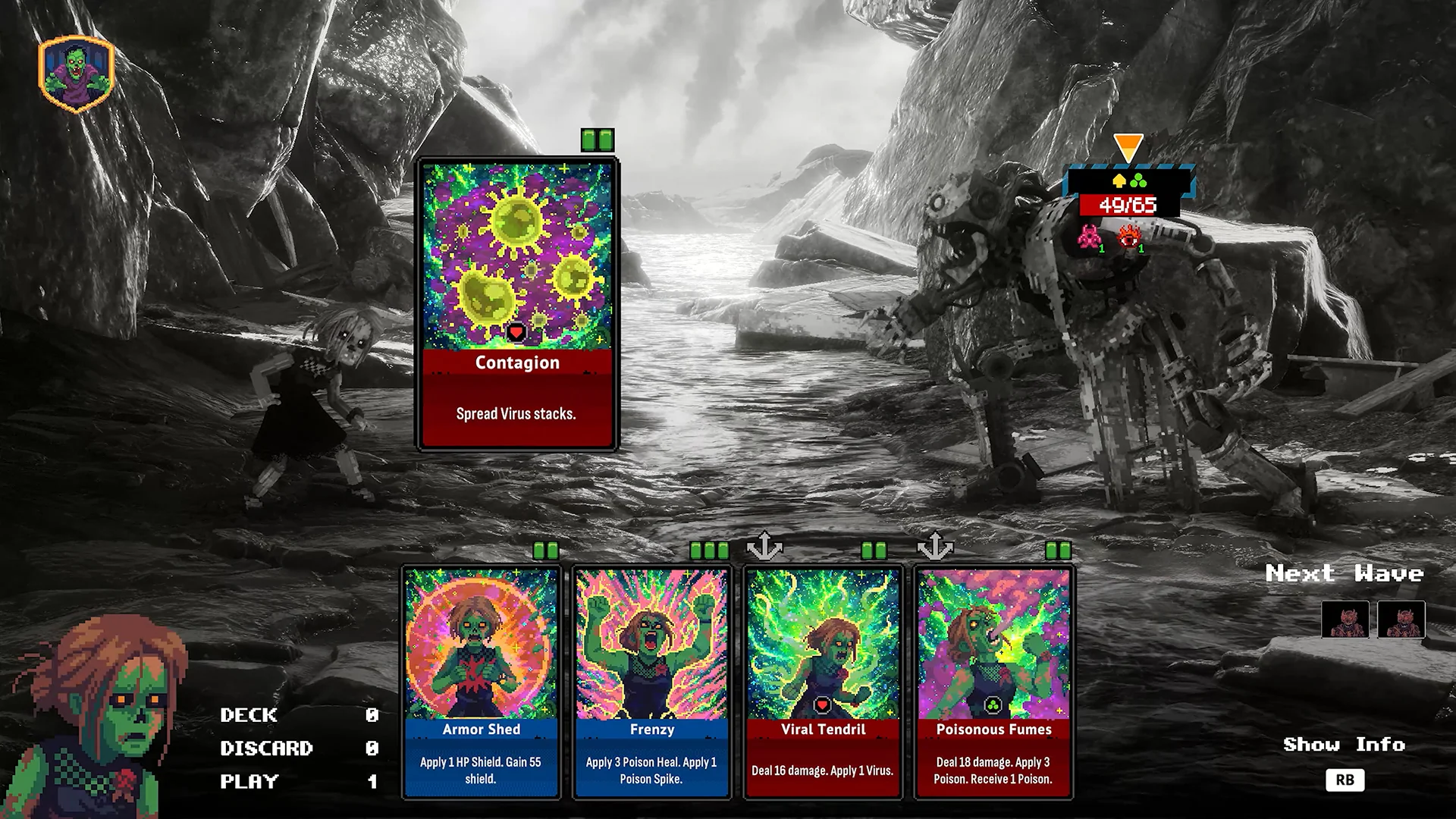
Again, some fresh, fun ideas are here, but they lack depth or sophisticated execution. Perhaps the aim of the game was to be lighthearted and short, so the design doesn’t demand complexity, but that stands in the face of the attempted serious plot. The cards include standard mechanics like attacking, blocking, healing, debuffs, and buffs; however, cards also include colored symbols which can synergize in some characters. More importantly, they can stagger the enemy who has a random set of symbols over their heads. Knock out all the symbols by selecting matching attacks, and the enemy’s stance is broken.
Now, Echo Generation 2 suggests the stagger system has some magnificent impact on combat so that you can really lay the hammer down, but I never found this to have a momentous influence. I never noticed damage increases, I never gained an extra turn, my character didn’t buff—nothing.
Like a deflating balloon, all excitement petered out. Most fights devolve into attack, attack, attack, and heal when you get a bit too low. Defeating singular foes in multi-enemy combat doesn’t even significantly change combat, because the enemies still take only one turn. The only incentive to knock an enemy out is to avoid them healing from a lifeleech attack. Bleeding, poisoning, and so on don’t have enough of an impact to significantly change the way fights play out, meaning I just used the card with the biggest number. To make matters worse, the branching skill trees across level-ups are just small percent or number increases in various stats.
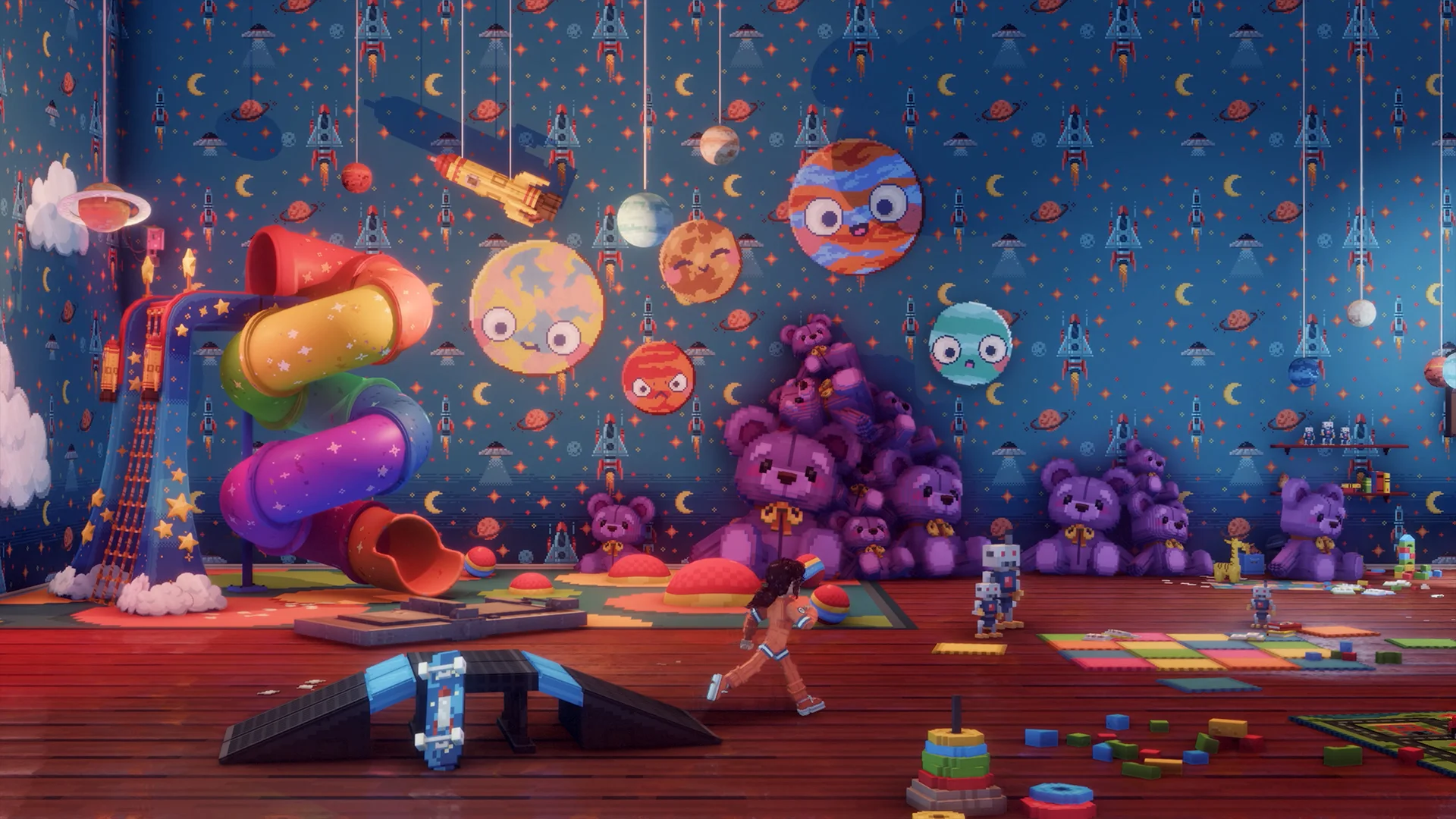
Echo Generation 2’s visuals stand out above everything else. I’m not typically one for voxel artwork, but it works here, and probably worked especially well in the first game given the light-hearted delivery. The characters have a Minecrafty vibe to them, and the world is reasonably well-detailed across all dimensions presented. Combat animations remain lacking, though, and the skill special effects don’t ignite the imagination. Similarly, the music seems to try to emulate the Stranger Things vibe, which I didn’t mind at all, but the music in no way matches the big emotions or mood of Stranger Things. Like everything else, it feels flat.
I don’t often comment on controls in games because I feel like most games have gotten to the point where the controls are always smooth, but Echo Generation 2 falters here as well. Selecting cards can be a bit of a struggle at times as a card will sort of “stick” and be hard to de-select, which meant that I was playing a card I had not intended. Not the end of the world as the combat’s pretty simple, but this is a needless frustration.
Writing these reviews feels gross, because I know this is a small studio that worked hard on Echo Generation 2, but I have to be honest—I did not enjoy myself much at all. Playing felt akin to biting into a chunky voxel burger that had no flavor whatsoever. Just mushy, cubey goop hanging down the sides of my mouth. I see good ideas here that needed fleshing out, and maybe that the developers were trying to do too many things at once—including taking a chance with the tone shift. I’m hopeful they keep at it and find their stride.