
Did you ever enjoy the PS3 era of RPGs? I used to think I did, until Echoes of Aincrad reminded me what those games were actually like.
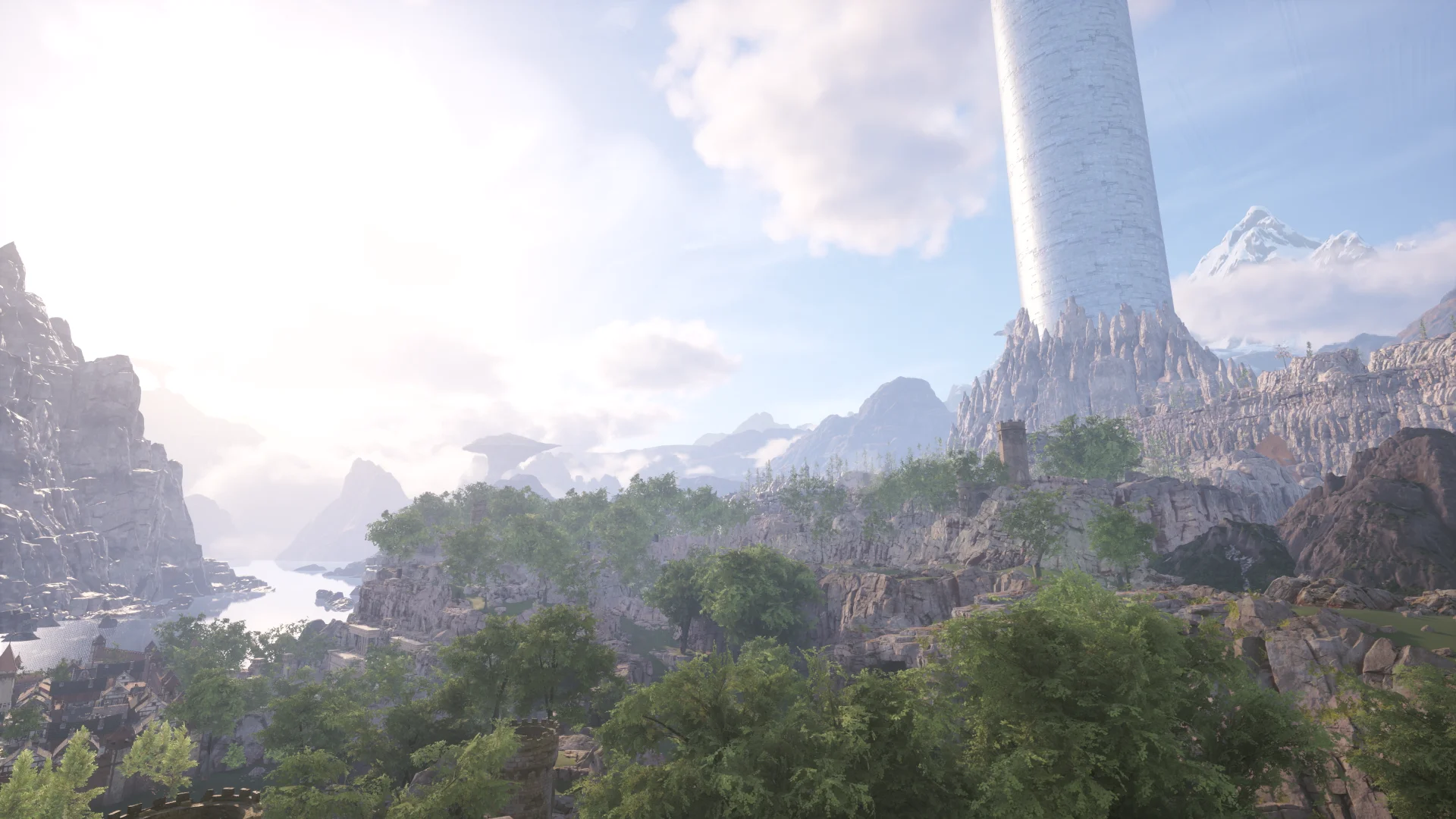
There is something morbidly poetic about the idea of climbing Aincrad. One hundred floors suspended above the clouds, each one promising a new world and the hope of escape. The setting is steeped in adversity, with every floor conquered bringing you one step closer to the summit. Echoes of Aincrad understands that premise, but it never knows what to do with it.
This feels like a game that should have been obvious in hindsight. If someone had shown me this back in the early 2010s alongside the first season of the anime it’s based on, Sword Art Online, where a virtual reality MMORPG becomes a prison and death in the game means death in real life, it would’ve made a lot more sense at the time. Over a decade later, however, I can’t shake the feeling that Echoes of Aincrad missed its original release window.
The game arrives years too late, carrying the DNA of that era without the clarity or restraint that made those design choices work back then. It is an action RPG filled with repetition and no real progression to speak of. There is some ambition here, but it lacks the discipline to shape it.
You play as your own character rather than series protagonist Kirito, and initially, this seemed promising. Sadly, Echoes of Aincrad never takes advantage of that flexibility. The game funnels you into a rigid loop, where you effectively serve as a placeholder. Begin a mission, defeat monsters, gather materials, return to town, improve your equipment, allocate stat points, and repeat. The cycle never changes, and the further you go, the more stale it gets. The RPG systems are doing most of the work to convince you that progress is happening at all, and even that facade falls apart.
Character progression is perhaps the best example of this issue. Initially, it appears quite flexible. Stat allocation is unrestricted, weapon upgrades and materials are frequent, and your companions level alongside you, which gives the illusion of a stronger party. You soon realize it is little more than incremental stat increases. There is always another weapon to craft or another stat point to assign, though very little of it changes how the game actually plays. The EX-MOD system is a great example of this. You can technically enhance weapons with different traits, but none of it really amounts to anything. There is almost no sense of horizontal progression here, only vertical growth.
Even the setting tries to reinforce this sense of progression, but it quickly feels static. Aincrad’s MMORPG logic is used to justify everything from enemies dropping crafting materials to NPCs constantly giving the same type of quests. A boar dropping a greatsword makes sense within this framework. However, when you’re fighting the same boar a thousand times as it keeps reappearing across locations, it never really becomes fun. This commitment to MMORPG structure without the benefits of an MMO ecosystem or single-player pacing leaves the world feeling completely hollow. This is made worse by party members who have almost no personality and remain largely one-note throughout.
The quest design isn’t any better, and plays like a relic of the PS3 era. Most objectives boil down to familiar patterns, such as collecting items, clearing enemies, moving to a marker, or defeating the boss. There is no diversity in how these quests are presented, and even less evolution as the game progresses. Enemies suffer from the same issue. Their designs are so limited that you will recognize them as templates. A boar. A wolf. Another boar with slightly higher stats. The differences are numerical, and there is almost no variation in their attack patterns. By the time I finished the game, I could barely remember most of the quests I completed, despite spending dozens of hours with it.
I would describe the combat as a fairly standard action RPG. Sword Skills and Partner Skills provide most of your offensive options, while dodging, guarding, and stamina management take some inspiration from Souls-likes. Beyond that, there is very little to distinguish it, and it certainly isn’t enough to overcome the game’s lack of variety. The labyrinths offer brief relief from this monotony. Their winding corridors and maze-like layouts give them more depth than the overworld areas. They are also the only parts of the game that hint at a more thoughtful interpretation of Aincrad’s vertical structure.
Then the game undercuts even that.
Despite being built around the idea of climbing Aincrad, Echoes of Aincrad only covers the first two floors of the floating castle. Aincrad is supposed to feel endless, but here, it feels constrained almost immediately. Even when new areas appear, they never add anything important. There is never any altitude in your ascent. To be fair, the environments do become larger over time, particularly on the second floor. Unfortunately, none of this makes them any more interesting to explore, and it still feels like it is slowly finding direction too late in development.
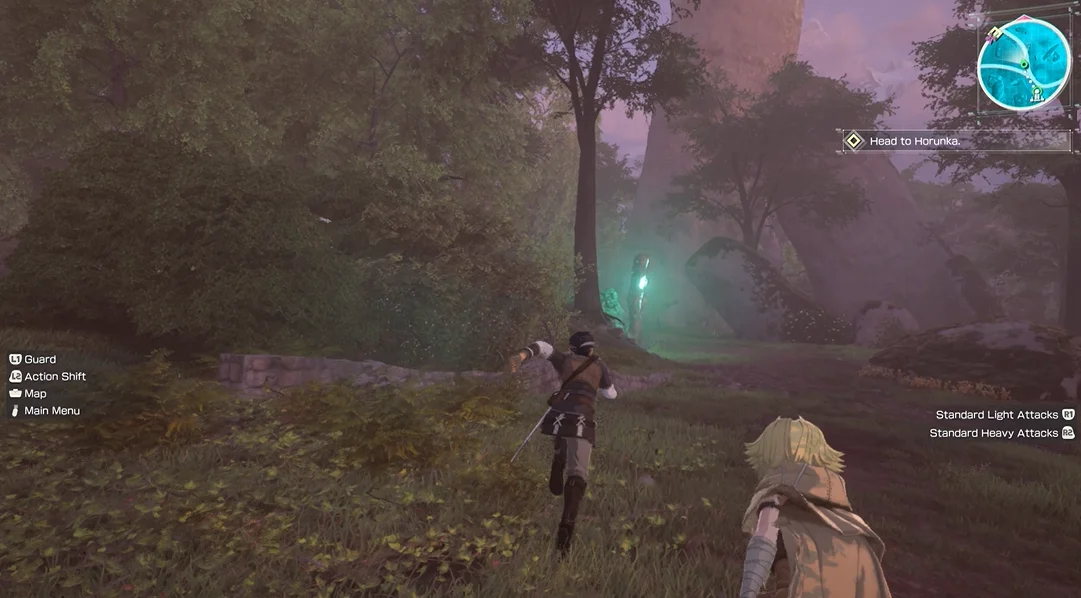
I’d call the story functional in the most basic sense. It’s always clear about what you are meant to do, but consistently uninterested in making those actions feel important. There is no payoff whatsoever. Because you are playing as your own character, there is also no backstory to rely on. This would not be an issue if your character actually mattered in the world, but it doesn’t feel like you serve any real purpose. For most of the game, the plot is effectively a series of random objectives, with minimal character development even for the main cast. In fact, most of the story is just moving from town to town to get stronger.
It is also disappointing how little the Death Game premise actually matters. Aincrad is, at its core, an interesting setup. It is a world where death is permanent, and you must complete the game by climbing through 100 floors. It is a bit jarring that characters speak about danger, but almost never behave as though it exists. The most interesting part of the story is when, much like the anime, you realize you are trapped in Aincrad. There is so much potential in that premise, and you would expect it to shape how characters behave, but instead everyone simply continues as if nothing has changed.
The graphics in Echoes of Aincrad are fine for what the game is trying to do. The presentation is reminiscent of a late PS3-era RPG, albeit with more detail and a much higher resolution. Character models and environments are clean enough to support the anime aesthetic, and the world of Aincrad can be beautiful at times. There is even a certain charm to how closely it adheres to the source material. My main issue here is the lack of variety in environments, to the point where you can almost predict what the next mission or town is going to look like.
The soundtrack is similarly fine, if a bit generic. Nothing stands out particularly, but nothing feels out of place either. Over time, however, the lack of variety makes it increasingly repetitive. I also ran into a few glitches throughout my playthrough. Your companions can become stuck on the terrain, and I encountered a serious bug where a boss clipped through the entrance and broke the encounter entirely, forcing me to restart from the checkpoint. Fortunately, this was an isolated incident.
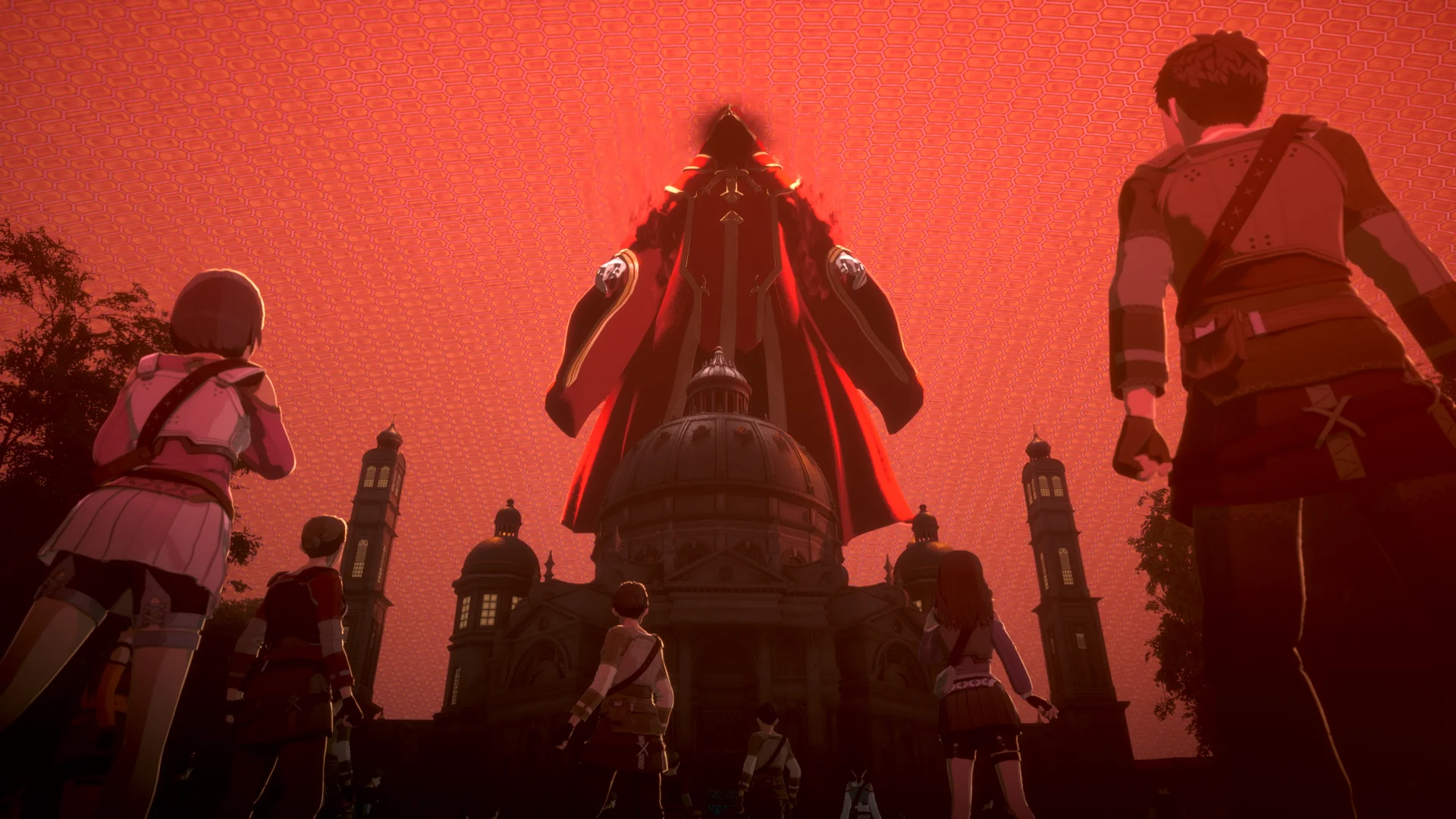
Echoes of Aincrad is what happens when a concept is mistaken for a game. Nothing changes, nothing matters, nothing holds the game together. Even fans of Sword Art Online will see the novelty of Aincrad collapse within hours, while everyone else will likely recognize the problem immediately. From the moment it begins, it is already circling the drain, repeating itself until there is nothing left.
The best thing I can say about Echoes of Aincrad is I no longer feel nostalgic for the PS3 generation. Whatever goodwill I had going in is completely drained. I came in thinking that era deserved another chance. I left reminded exactly why we moved on.