
Sometimes, all a game needs to work is confidence in its scope and vision. That’s the highest praise I’d shower on “15th-century Slovakia JRPG” Felvidek. Sure, it’s another turn-based RPG made with RPG Maker. It’s fairly short and doesn’t bring anything new to the genre mechanically. But what it does manage, I think, is just as special. It knows exactly what kind of world it wants to paint and knowingly plays with its engine’s possibilities and limitations to bring about that world with as much personality and charm as the developers can muster.
You ever hear about the conflicts between the Hussites and Ottomans in Central Europe and wonder: “What was that all about?” Well, Felvidek is the best answer you can get in turn-based RPG form. Not that historical accuracy is the main goal of the plot. The developer duo of Jozef Pavelka and Vlado Ganaj channel this period into a distinct low fantasy aesthetic using cultural panache and creative flourishes that make for a refreshing and memorable experience. What more can you ask from an RPG Maker passion project?
Felvidek’s main selling point is evident in screenshots. The game has an exquisite presentation that blends a handful of retro aesthetics into a look you perhaps wouldn’t think the RPG Maker engine capable of. The isometric viewpoint and character renders you see when exploring feel more akin to old Infinity Engine RPGs or a medieval-themed Hylics than anime-inspired pixel art.
The visuals are saturated in contrasting monochromes of yellows, greens, and purples that make the medieval setting feel slightly surreal and appropriately gloomy. Similarly, the OST’s raw instrumentals move between wacky electronic arrangements and somber guitar melodies. I can’t say I was expecting the game’s music to sound like this, as it certainly isn’t period-appropriate, but it’s a constant reminder that Felvidek is a fever dream variant of historical fiction—like Kingdom Come: Deliverance meets EarthBound.
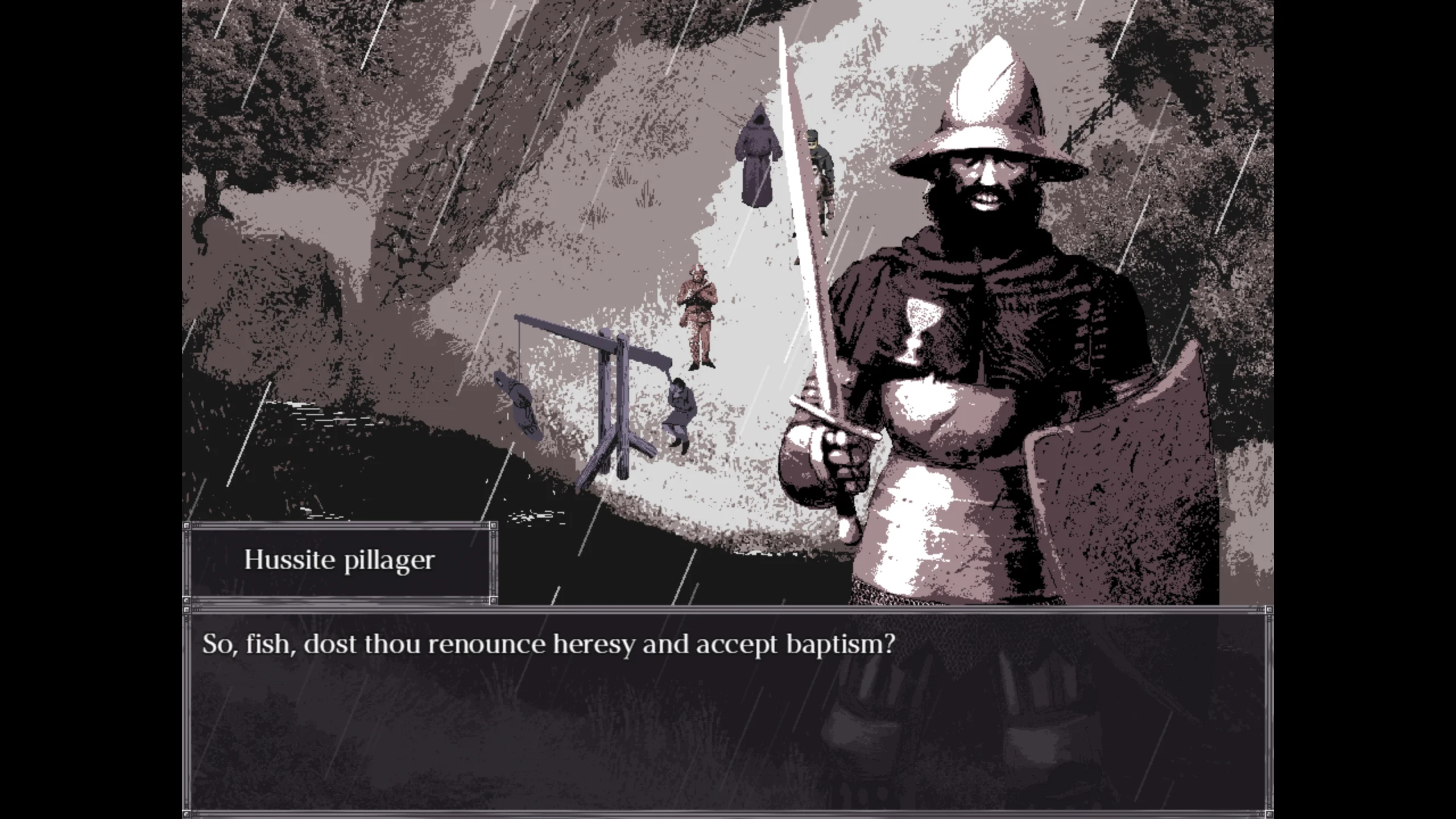
The tone Felvidek establishes is a joy to be part of. The writing fuses crude humor and dark bluntness seamlessly and with purpose. Dialogue blends verbose—sometimes even poetic—medieval dialect with a stylistically modern sense of comedic timing for often hilarious results. Its portrayal of a semi-fictionalized 15th-century Slovakia is one where peasants try to live their banal lives as religious zealots and mysterious cultists vie for power around them.
Felvidek’s world is unforgiving, exploitive, and violent in the local and larger political conflicts it is absorbed in. But the game never indulges in tragic drama or historical lore dumping. The realities of the period are presented wryly, matter-of-factly. The horror of monstrous rituals and relentless oppression is softened by farcical convolutions involving coffee beans and horny priests.
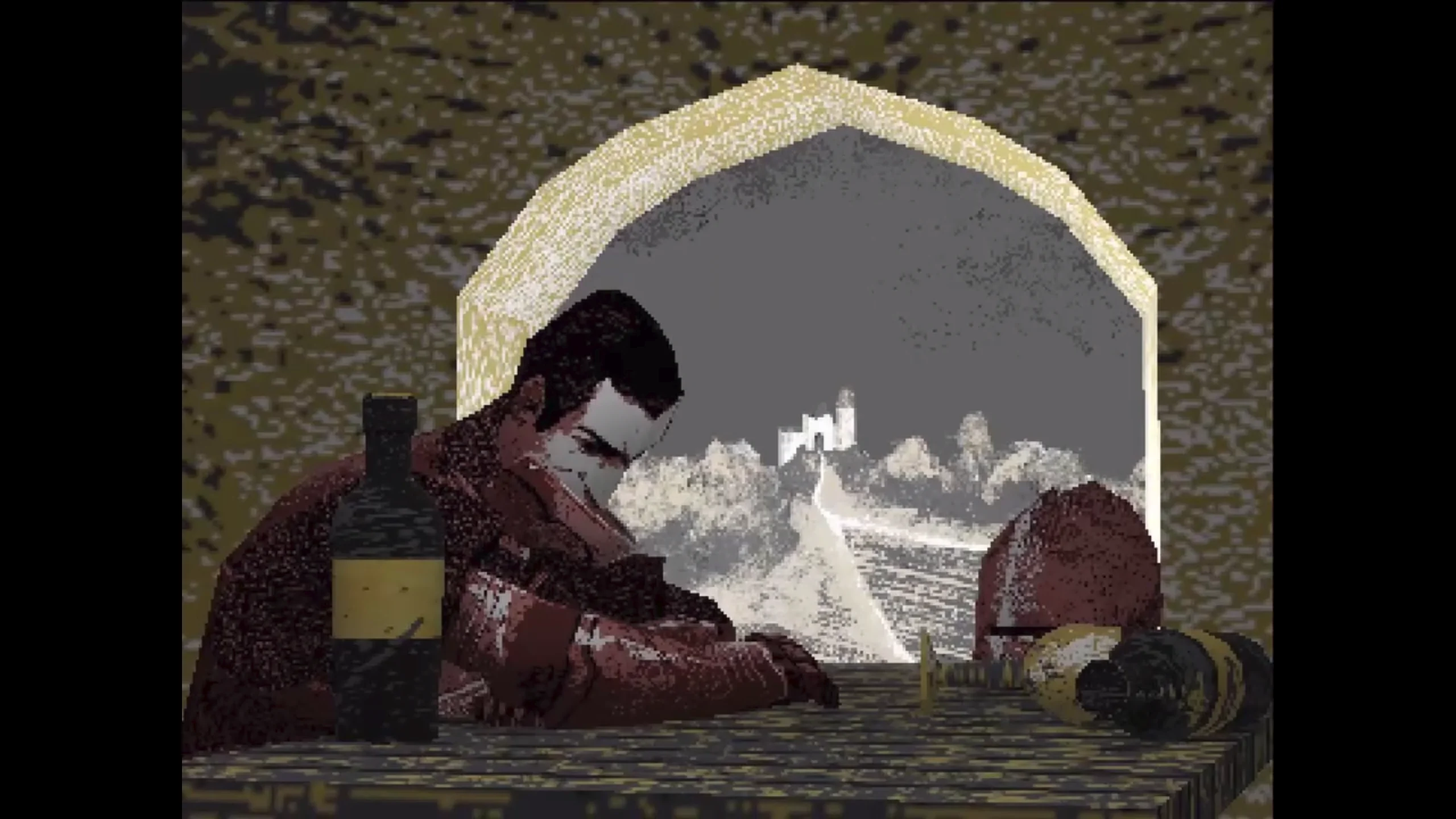
There aren’t many cinematic cutscenes, but the ones present are essential inclusions. They embrace a low-poly PSX aesthetic that melds perfectly with the gameplay’s 2D art. The opening cinematic shows our protagonist—the alcoholic and recently divorced knight, Pavol—sitting at a desk while rocking a wine bottle back and forth until he notices a fire blazing at a nearby ruin. It’s only a few seconds long and lacks dialogue, but it’s such a pleasant and focused mood-setter that initiates the plot’s mystery. These cutscenes don’t need to be anything more than they are. They are visually nostalgic without being referential, and they feel perfectly suited to Felvidek’s scope and atmosphere.
This is to say that Felvidek‘s scope is modest and the atmosphere is focused. It only takes around 5-6 hours to complete the campaign, but every moment feels purposeful. Each quest segment, NPC dialogue, and combat encounter is an important part of the worldbuilding, which even some top-tier RPG Maker games don’t quite pull off. The use of game space is smartly economical, made up of only 5 locations divided by a small overworld.
Multiple events occur in each of these areas throughout the journey, which helps bring the banal rural setting to life. You’ll revisit the roadside tavern multiple times for progression hint “rumors,” the starting castle to keep your lord updated on happenings, and the town to see how events continually affect the peasantry. There’s also a surprising number of optional events to uncover if you revisit areas more often than you’re directed. These satisfying discoveries can lead to alternative ways of completing a quest and can even result in variations to the game’s ending.
While the party size has room for four, the story mostly revolves around a core duo. The dynamic between the chaotic Pavol and the mostly straight-laced priest, Matej, immediately brings to mind Disco Elysium’s Harry Du Bois and Kim Kitsuragi. Pavol even seems to rock “The Expression” in his character portrait in what I took to be a knowing wink to newfound demand for stories about divorced middle-aged men with alcohol problems. Pavol and Matej’s verbal exchanges are always amusing and sometimes touching as the bromance develops. Aside from them, your lord will occasionally join the party or at least lend Pavol some soldiers, while other guests will come and go for particular plot beats.
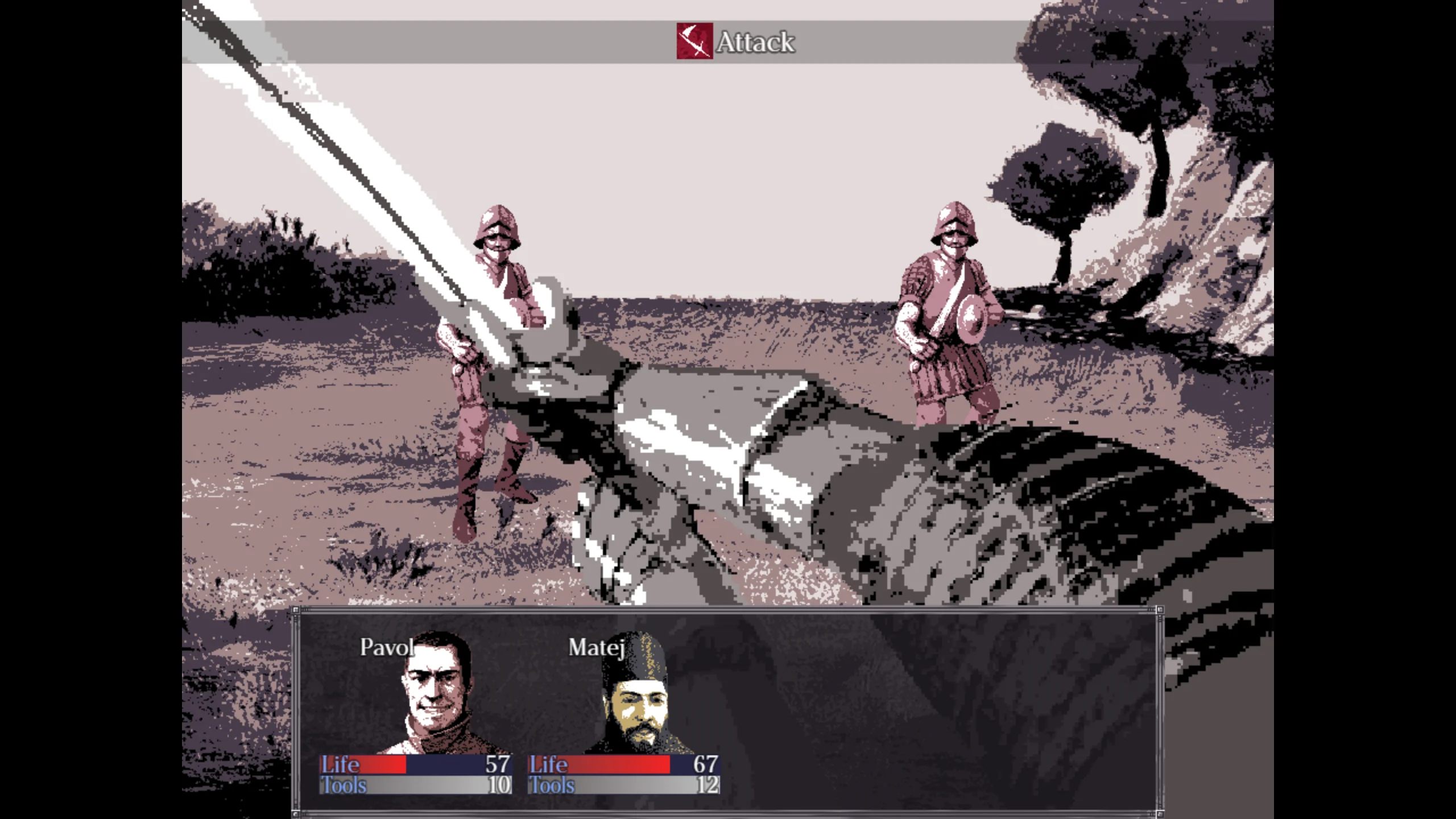
This being an RPGMaker game, naturally, there are turn-based battles. The welcome difference is that encounters are finite, and most are naturally woven into the story progression. There is no leveling, either, with character growth relegated to new equipment and the occasional stat-boosting item (such as Jam, naturally). Finite battles mean finite funds and items to purchase, so digging through crates and whatnot around the world is important to obtain loose cash and goods. Personally, I love pushing against and mashing A around assets. And the lack of leveling did not at all interfere with a solid sense of progression.
This theme of scarcity supports the game world well and keeps the difficulty right where it needs to be. Felvidek is not a mechanically deep game by any means, but its systems convey the character of the game world. You have HP and Tools, the latter of which works as MP for skills you learn that are tied to equipment. There’s a handful of skills you can gain through equipment and consumable items to use, offering just enough strategic potential to experiment with throughout the relatively short playtime.
You can stun enemies with a Shield Bash, let off a powerful gunshot that takes a whole turn to reload, drink a bottle of Frndžalica and spit fire upon your foes, while Matej possesses an essential Prayer skill that provides group healing and buffs. I died a few times due to a lack of preparation, and there wasn’t a single battle that padded out the experience. I’ll say that again because it’s downright miraculous: this is a turn-based RPG without a superfluous encounter.
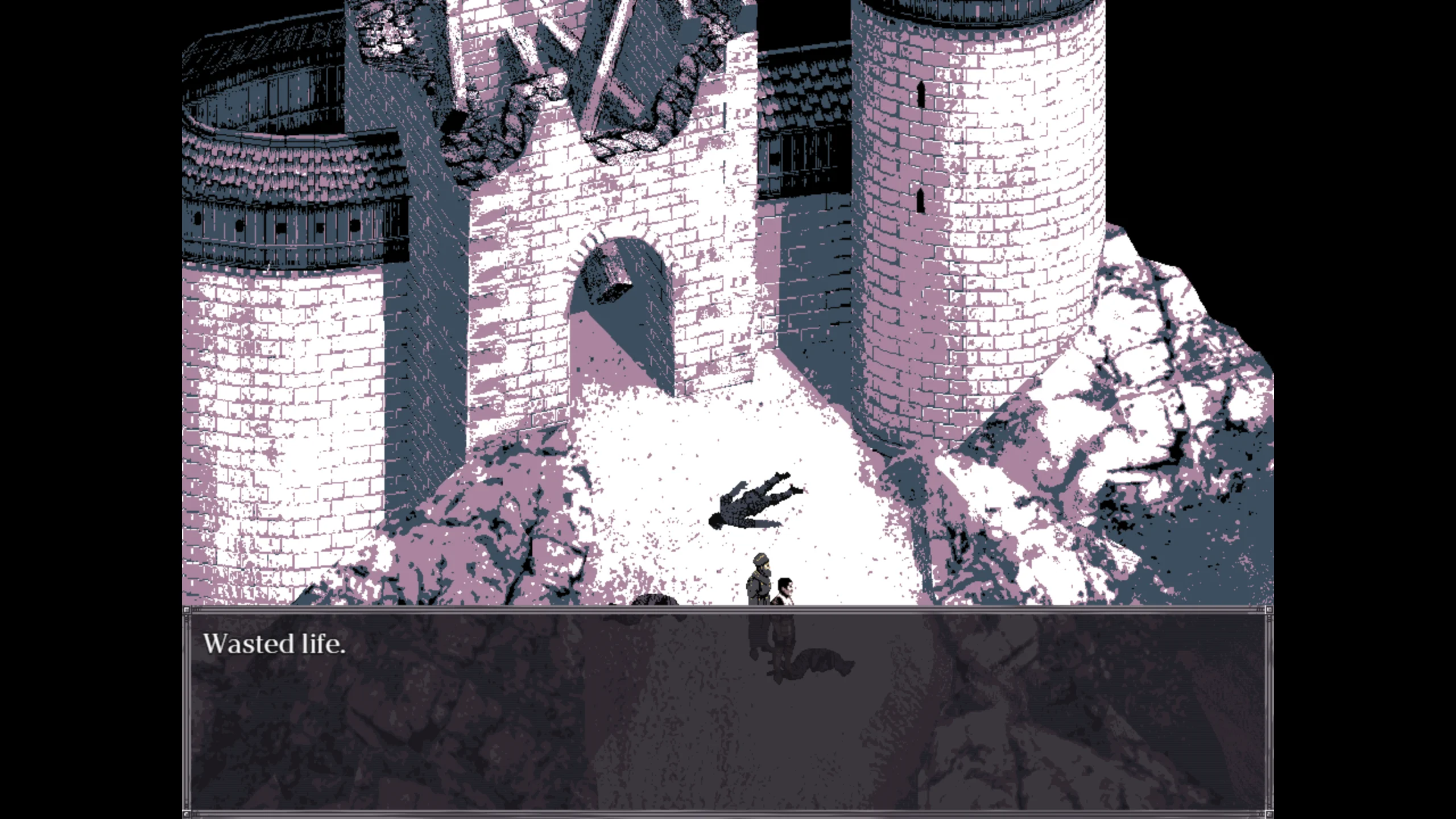
Although Felvidek’s design and storytelling are impressively focused, its writing doesn’t clearly communicate next steps. There were occasions where I had to meet with a character name I didn’t recognize or go to an inexact location, only to backtrack through a few areas until stumbling upon the necessary quest trigger. It’s possible the game—or even just the English localization—didn’t get enough QA testing for this. You should also be prepared for a fair amount of typos and a tendency towards proper noun drops that were somewhat impenetrable as someone barely versed in Czech or Slovakian history. And while none of the humor felt mean-spirited, some jokes border on racially insensitive and misogynistic.
As much as I admire Felvidek’s consistency across concept and execution, I do wish it took bigger swings in its design. It’s an RPG for players who appreciate the genre as a basis for vibes over mechanical evolution. This makes it an easy recommendation for such players and a tougher sell for anyone seeking a meatier game. As for me, I knocked it back like a bottle of plum wine, savored the distinct taste, and will look back upon its intoxicating experience fondly.