Before I get into any nitty-gritty of Gothic 1 Remake, I want to preface and say I am an anti-remake person by nature. One of my biggest gripes with gamers, gaming press, and the discourse around video games over the last few years is the notion that a game can be “outdated,” that video games have been on an objective upward trajectory coinciding with technological advancement.
The idea that games today are inherently better than they used to be, that developers from sometimes less than a decade ago (as the gap between release and remake seems to shrink, with games like Horizon Zero Dawn and The Last of Us remade within a decade) were essentially cavemen bashing rocks together, often making excellent games by accident that would supposedly benefit from “modernization.”
I think this mentality inherently devalues the artfulness of video games by positioning them as fickle, easily replaced or easily improved. It relegates them to a piece of tech, a product, rather than a work created by dozens or hundreds of creative minds. Though not in the RPGFan wheelhouse, I just played Halo: Campaign Evolved and was repulsed by some of the changes and their execution, finding it an extremely cheap simulacrum of the classic, seminal title Halo: Combat Evolved.
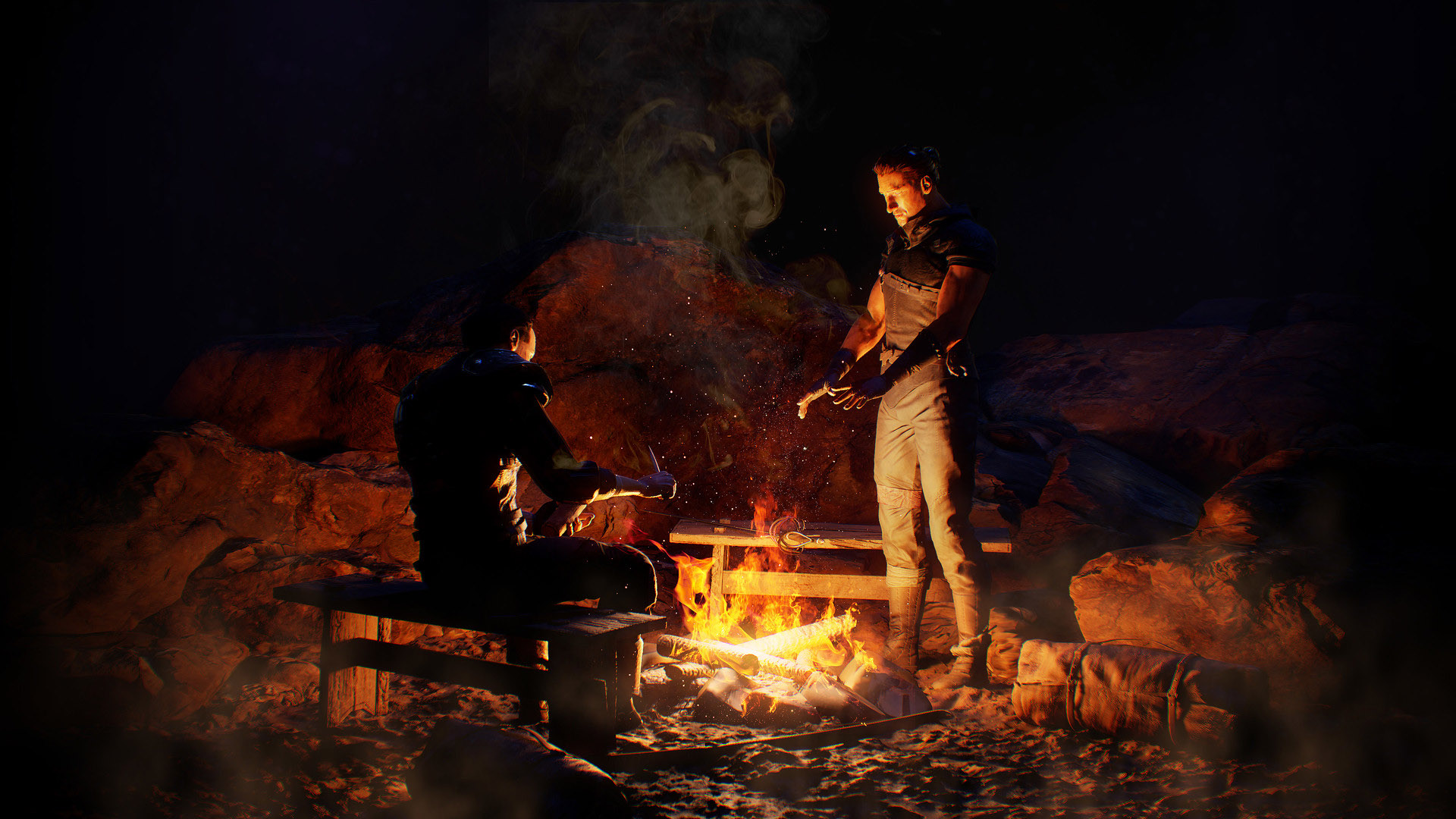
I won’t get into mudslinging every remake I’ve played that I hold active disdain for (I would probably septuple our target word count). I mention my beliefs to underscore the significance of my point when I say that Gothic 1 Remake is a fantastic game in its own right and an intriguing rework of a beloved cult classic. I have some gripes with it, but overall, it feels like a game made by people who truly understand the appeal and the inner workings of the original, something I don’t encounter very often.
Gothic 1 Remake, in the wake of Piranha Bytes’ closure, was created by a team composed mostly of Gothic 1 modders: people who cherish the original and bring reverence with them rather than commercial potential. People who have had thousands of cumulative hours consumed by a nearly three-decade-old RPG that, on its own merits and without any updates, demonstrates rather definitively that games don’t only get better over time.
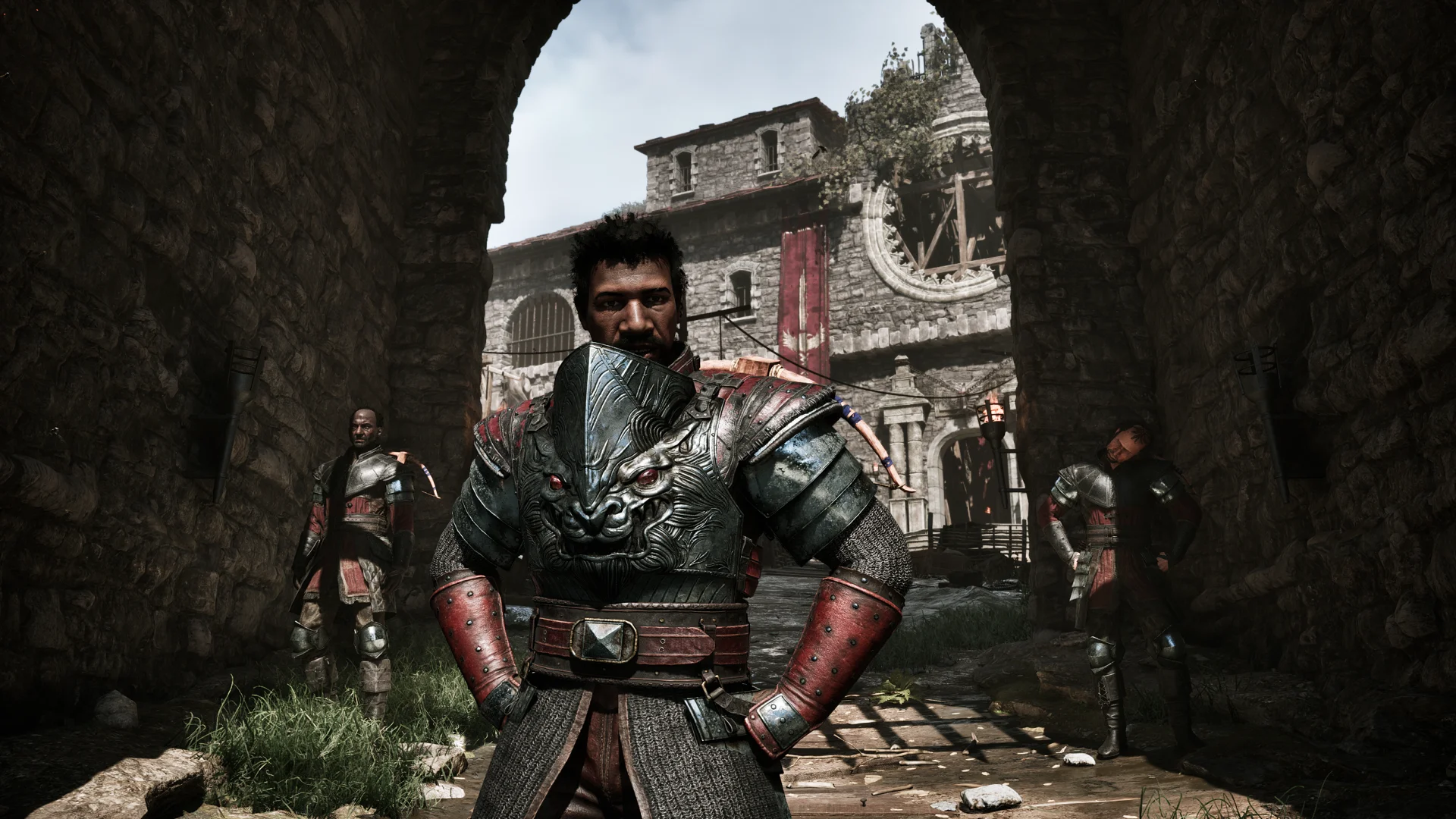
Unlike most modern RPGs, Gothic 1 has a level of indifference built into every aspect of its design. Where many contemporary games are afraid to leave the player alone with their thoughts, or scale the world alongside them so they’re rarely too far from a power fantasy, Gothic 1 is notorious for hurling the player into a hostile world and leaving them to figure it out after only the lightest, often diegetic tutorialization.
This is a game where, instead of taking down armed guards or kitted-out goblins within the first few hours, the player gets put down by comically impish creatures like lizards, mutated chickens, and Rufus from Kim Possible. Where the lowliest jabroni in a camp—a miner armed with nothing but a pickaxe and rags—can one-shot them. The appeal here is that the initial wall provides plenty of contextual paths for the player to pursue to grow stronger, eventually leading them to surmount these challenges through progression, which instills a tremendous sense of satisfaction. That friction lurks in every corner and crevice of Gothic 1, including the remake.
In this way, Gothic 1 Remake is absolutely faithful to the original. The unforgiving nature of the early game remains intact, and in some ways even more deliberate. The team patched the routes players have found over two and a half decades to speed-run the progression wall, such as completely reworking the economy so that vendors have limited funds early on. Even if you cheese your way into rare and expensive items, you can’t break the economy by offloading them. Now, a vendor’s buying power increases only after you advance a chapter. Lockpicking has also changed significantly, which I personally don’t think works in execution, even if I agree with the vision.
Before, it was trivial to go around pilfering loads of items from unsuspecting denizens and hawking them to the aforementioned vendors for a huge leg up, as success was determined by your lockpicking skill. Now, it’s replaced by a kind of infuriatingly dense minigame that forces the player to find a static solution for each lock, with some requiring as many as 70 steps (which could take minutes) to solve.
Combat also had a major overhaul, and it is likely the change veterans will feel most immediately and intensely. Where fighting was quick and floaty in the original, letting skilled players swing and kite around enemies, it is now a more “modern” system of heavy, weighty, deliberate inputs. However, I think this is a massive success, as it enhances the progression curve by making the player a little weaker at the outset while introducing a system that lets them learn new levels of prowess with each weapon, unlocking faster attacks and even combos as they achieve mastery.
I only have so much time to discuss the changes. You probably just want to know whether Gothic 1 Remake is a good game, yeah? Well, fret not, because Gothic 1 Remake is phenomenal precisely because of how it preserves so much of the DNA that made the original a standout classic for real PC RPG-heads while folding in its revisions. Developer Alkimia Interactive has done something that seems nearly impossible, a feat only truly executed by the likes of Night Dive Studios with System Shock.
They’ve made something that should please even the most scrutinizing fan (me), while making it more palatable for modern audiences through visual and audio updates.
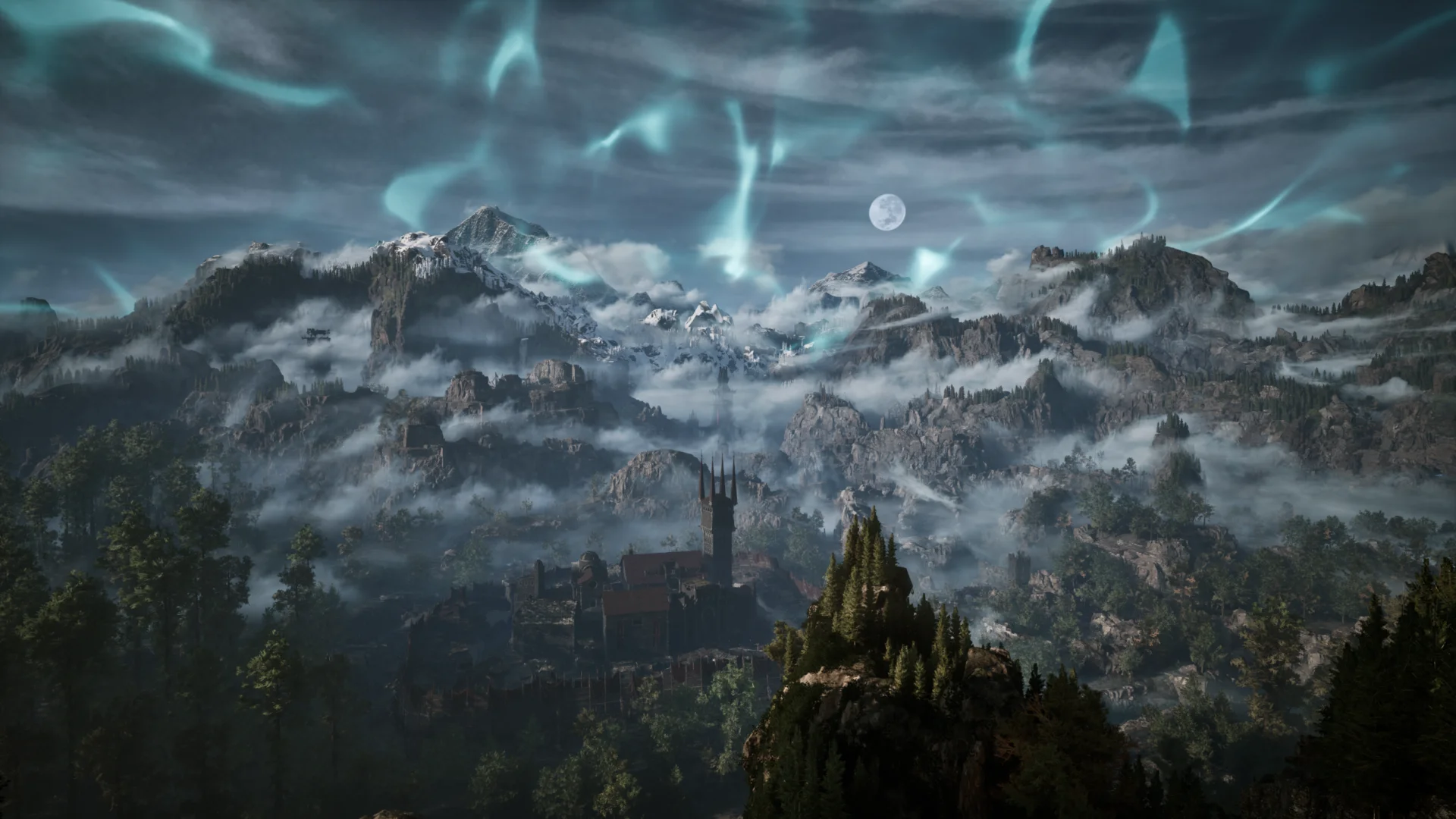
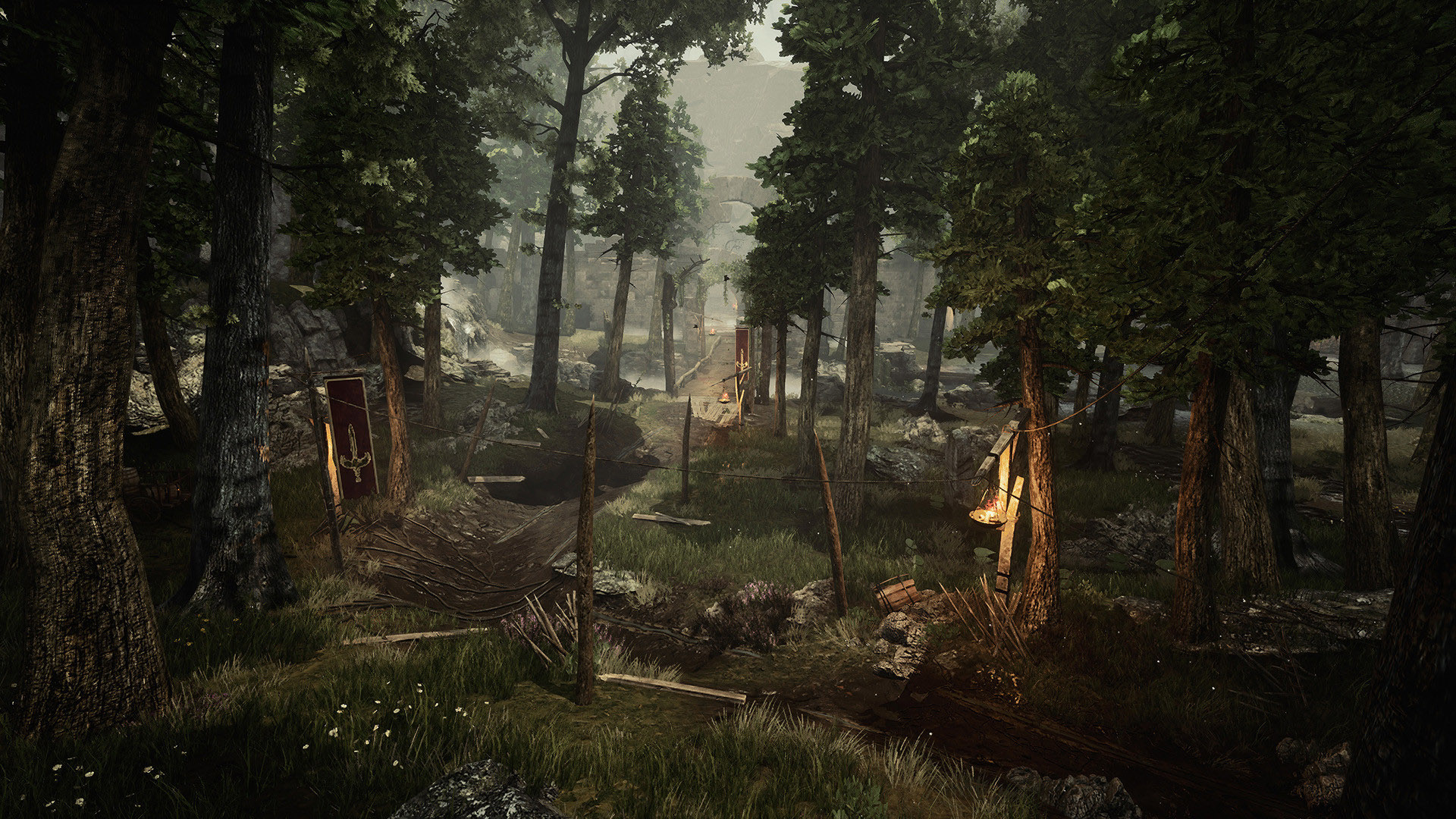
Instead of looking like Unreal Engine 5 slop, Gothic 1 Remake looks so much like the original, or rather, like how you may have internalized it as looking when you played it years ago. It’s still a dark, grimy, lived-in world, tonally consistent and unmistakably the product of a small studio with a specific vision.
Now, it boasts more detailed visuals, enemy designs that mostly align, and a new voice direction to avoid deterring those who might turn their noses up at the schlocky (if endearing) original English localization. The music is still catchy, if a bit generic fantasy, and the overworld theme and town tracks do undoubtedly worm their way into your head.
The world is still small, handcrafted, and knowable. While you don’t start with a map, you learn your way around simply by traversing. Finding maps that add no markers and force you to read them like real ones only deepens your knowledge of the topography and your immersion in the world.
Your decisions still matter, and you earn your status in the world rather than have it handed to you. NPCs talk down to you, doors are closed to you, and you have to prove yourself and make difficult decisions that shape your entire playthrough. The arc from prey to predator defines Gothic 1 and this remake, which means that the period of frailty and meekness required to become godlike ultimately demands it. Moreover, that “difficulty” is mostly just a knowledge or playtime wall. Getting “better” at Gothic is less about skill and more about simply engaging with its systems, as the increase in power arrives by virtue of experiencing the game.
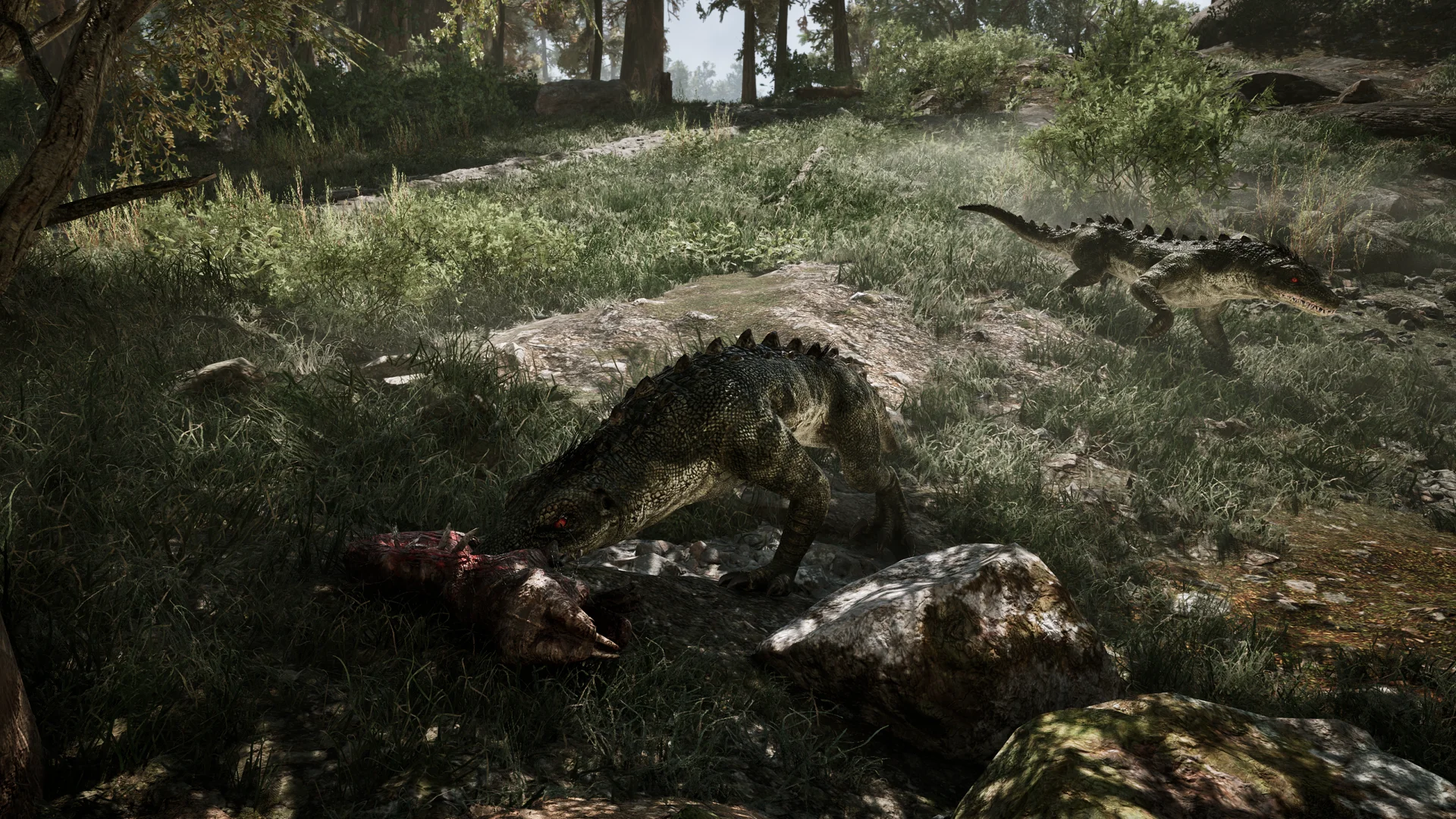
The developers resolved to include both a harder difficulty and a simplified mode that makes much of the game quite approachable. However, since the “challenge” here is less about player skill and more about your understanding of the systems and the time you commit, with the zero-to-hero arc being the entire point of the experience, I have a hard time recommending that mode to anyone. If you were going to play on easy, I’d honestly just play something else altogether.
I don’t think Gothic 1 Remake completely replaces the original. In many respects, I still prefer the latter. Yet, I do think there is a growing contingent of gamers who are tired of being patronized by placating RPG design, and that’s reflected in the success of Gothic 1 Remake and other games that don’t hold your hand. For those who might get filtered by the jank of the original, Gothic 1 Remake offers a compelling way to return to a time when RPGs respected the player’s intelligence and abilities, or perhaps to experience it for the first time.
And by proving that a nearly 30-year-old design needed reverence rather than reinvention, Gothic 1 Remake quietly makes the case that the best a “remake” can do is trust that the original was right all along.