
The journey that the Life is Strange series provides its fans has been a long and winding one, filled with storms both in-game and out. With the IP belonging to publisher Square Enix, we’ve seen development shift from French team Dontnod Entertainment (Life is Strange 1 and 2) to American devs Deck Nine for prequel Life is Strange: Before the Storm and everything since. Life is Strange: Reunion is Deck Nine’s culmination of 11 years of Life is Strange, pulling together characters and player decisions from both halves of the franchise and giving them—thankfully—a proper sendoff.
First, be warned of spoilers for the first Life is Strange (2015) and Reunion’s predecessor, Life is Strange: Double Exposure (2024). Life is Strange: Reunion opens by summing up the stories of these two games and asking players to reselect a handful of key decisions from their endings. Most importantly, from the first game: does your time-reversing protagonist Max Caulfield choose to save her best friend (and optional love interest) Chloe Price or leave Chloe to die to quell the massive storm that messing with time and fate caused? Save the girl, or save the town you both grew up in. Fans argued up and down about what the right call to make was, but that need has passed.
A decade later, Double Exposure saw Max merging two paradoxical timelines her time-reversing caused, setting off the potential that the universes where Chloe died and survived were both true. As its title suggests, Life is Strange: Reunion is the long-awaited return of Chloe Price, now struggling with the hunch that she just may be a walking paradox herself, as she seeks out her long-lost (girl)friend (but let’s be honest, in-game stats show that 95% of fans have Max and Chloe romance each other).
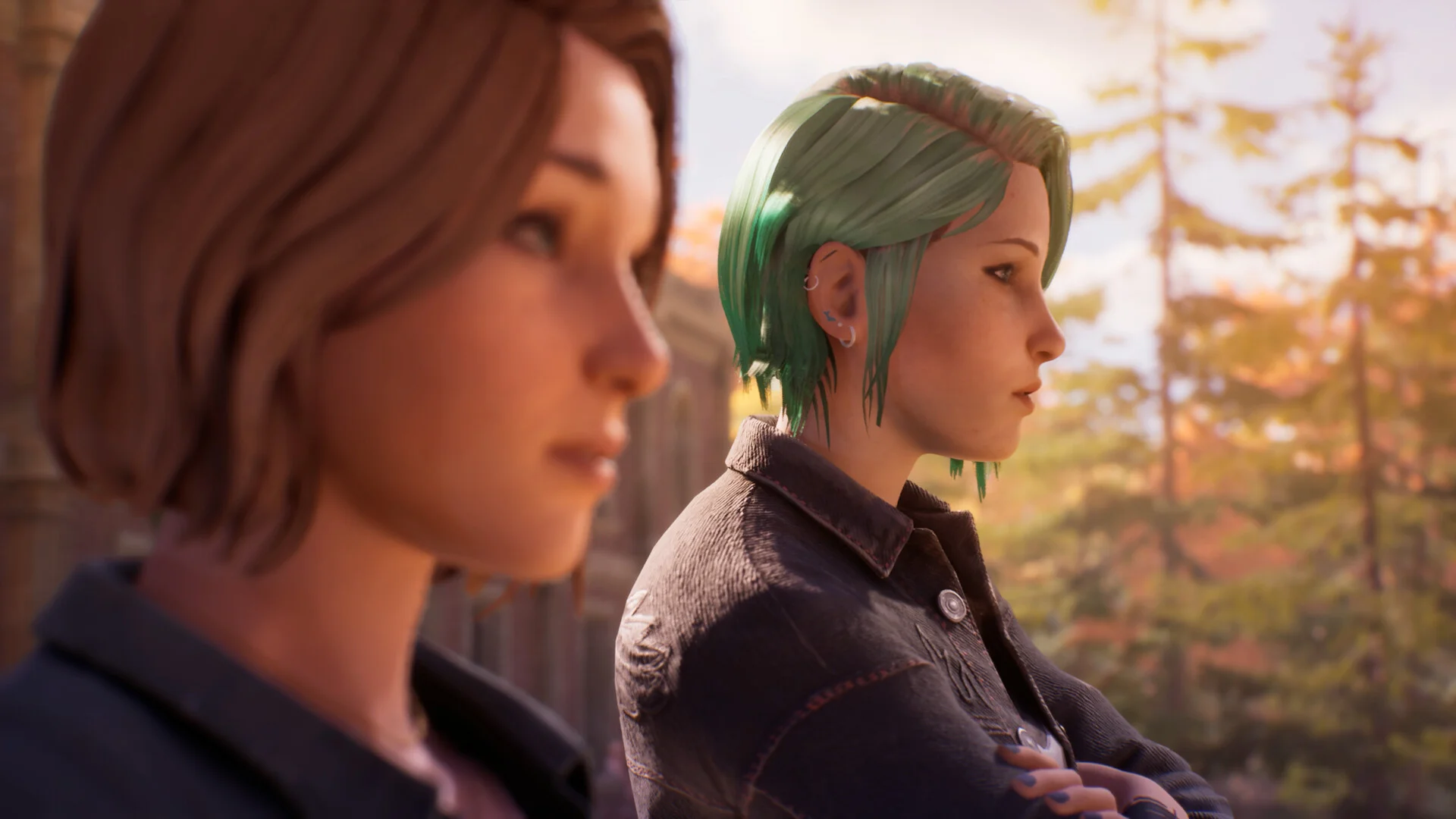
Life is Strange: Reunion is set within the year after Double Exposure and so reuses many environments and characters from Caledon University. The strongest of that game’s cast, namely physics supergeek Moses and femme fatale Safi, feature heavily here as well. It would have been nice to introduce some new characters, or perhaps return to more characters from the first game’s Arcadia Bay (aside from a few passing references in readable text messages). Still, those others would only be overshadowed by the immediate chemistry between Max and Chloe.
Now a photography teacher at Caledon, Max is finally enjoying minor fame and a semblance of normality, only to witness a vicious fire engulf the university and all that she loves. For the first time since losing her best friend/love of her life, Max travels back in time through a photo she took just days before the fire. If stopping Caledon’s imminent destruction weren’t enough, Chloe returns like a literal ghost from the past to Max after years apart.
Despite the story’s constantly high stakes, I loved the cozy feeling I had while playing it, thanks in large part to the warm, autumnal visuals and gentle acoustic score (with some of Max’s favourite indie bands for moments of reflection). Even the pause and menu themes are gorgeously bittersweet. Life is Strange: Reunion is only around ten hours, but it rewards patience. Bee-lining for each objective will make you overlook interactable clues in the environment that may just save a life. More than that, the bulk of the game is hearing Max’s observations of the world around her—band posters, awful open mic performers, public art displays, and listenable podcasts. Though superfluous, they add colour and character.
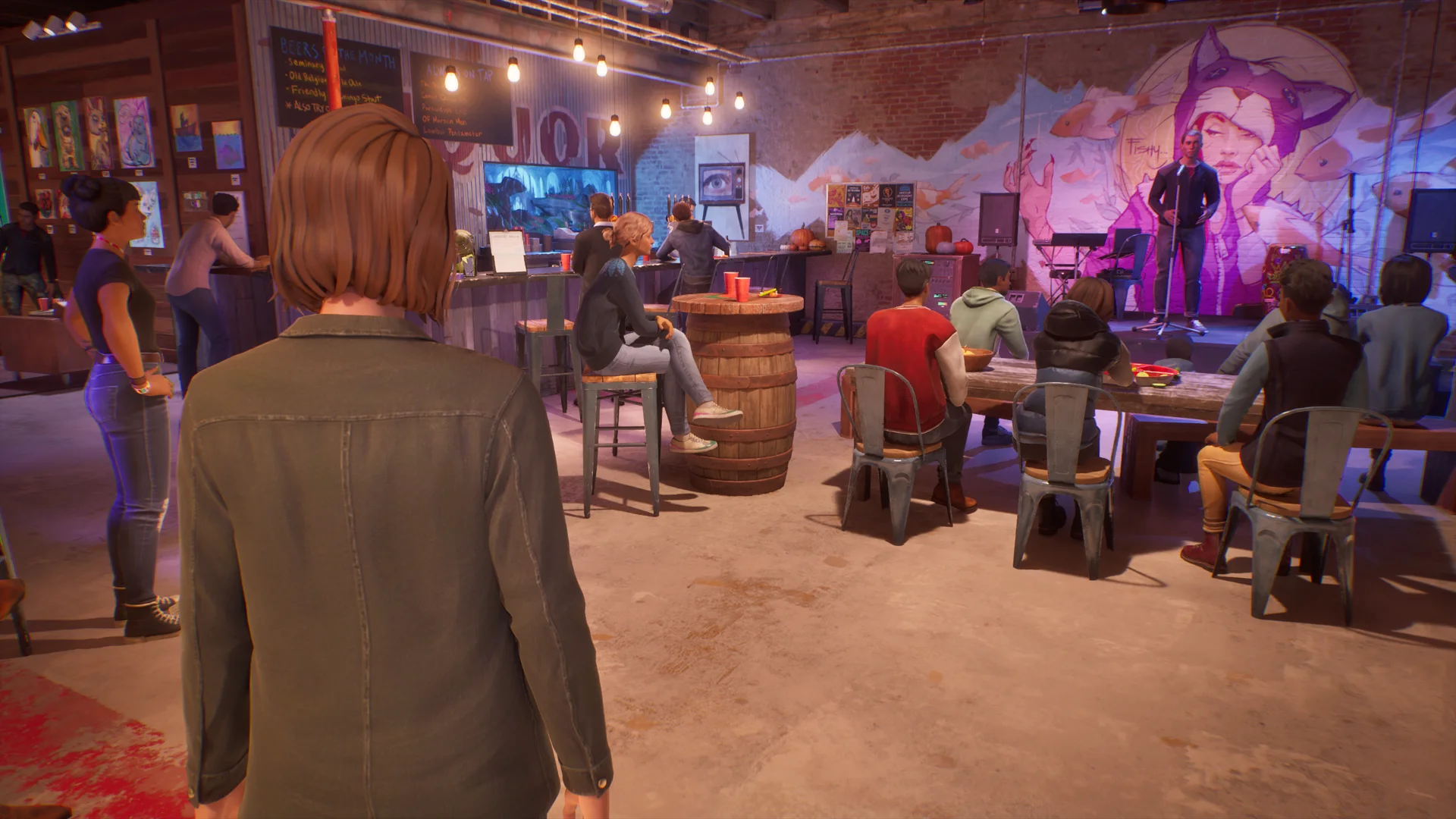
For the first time, players also control Chloe. Her journal logs are messy, her phone screen cracked; rather than take collectible photos, she scribbles out quick doodles of what she observes. Chloe was a lovable if at times frustrating character in Life is Strange, but here she has outgrown her teenage slang (goodbye, “amazeballs” and “hella”) and most of her impetuousness. Even more than Max and her puns, Chloe is the heart of Life is Strange: Reunion. Fans of the series who were disappointed with how Chloe was cast aside for Double Exposure need not worry.
The slower pace extends to gameplay. There are few puzzles to be found in Life is Strange: Reunion, and I rarely even used Max’s rewind power beyond a few clever story beats. No bottle collecting or knocking over toolboxes here! This made the game rather easy, as even story choices seemed mostly obvious, and I ended the game with what I’d argue was the objectively best ending for all involved.
I’d say this is the most linear Life is Strange game, leaning more towards the writing and dialogue that fans enjoy over interactivity. Beneath its heady time-travel and mystery concepts, Life is Strange: Reunion’s dialogue is well-written, quippy without becoming too twee, and very well-acted. The impressive facial animations return here to breathe life and pathos into Max and Chloe, though some side characters can still come across as plasticky by comparison.
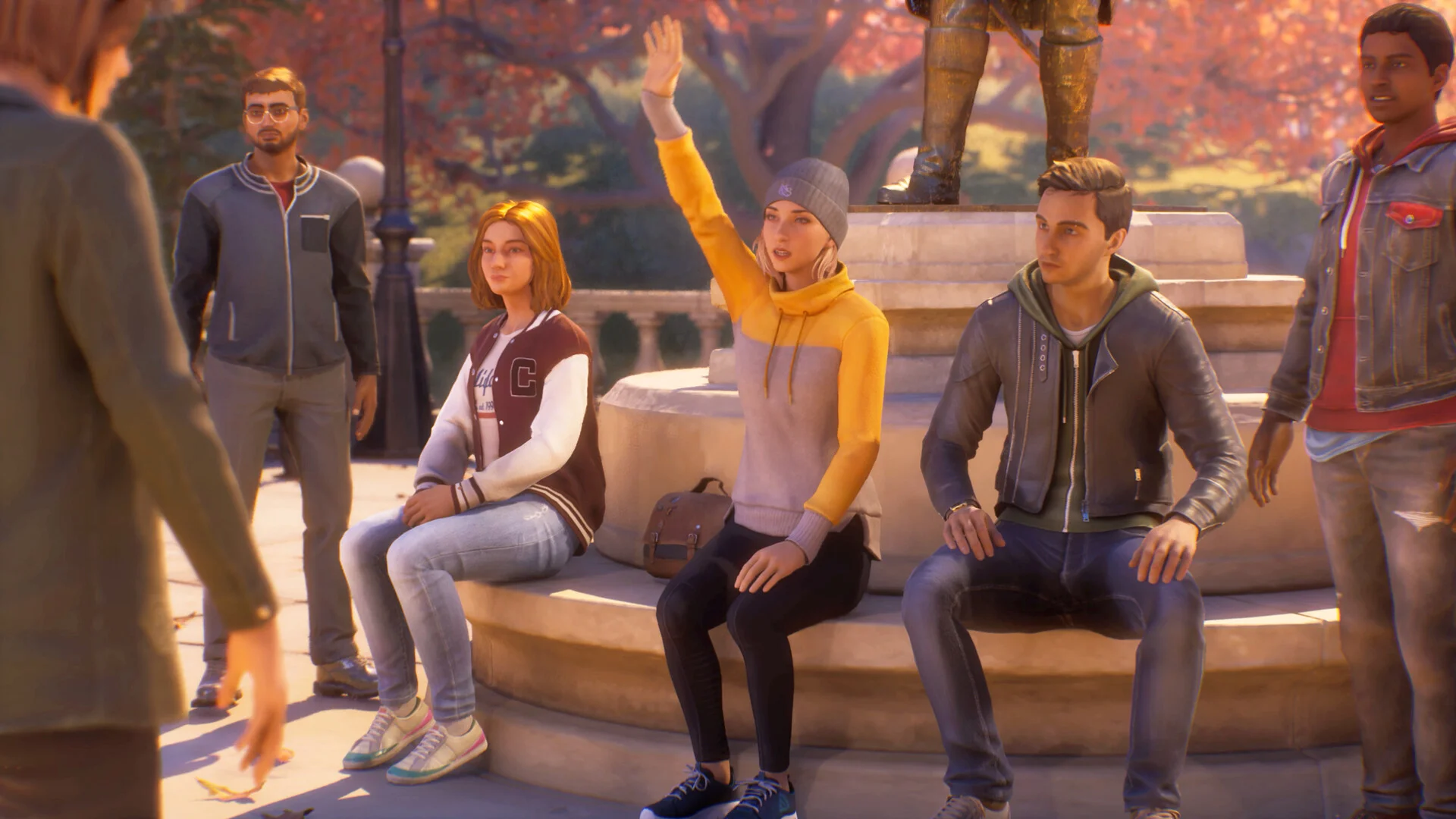
I love how the game lets its conversations take their time, lingering on and expounding emotions that players no doubt want to feel. Unlike the Twin Peaks-esque way the original game poked fun with its tropes, revealing dark secrets behind seemingly every character, Life is Strange: Reunion is tender-hearted and, as I said before, cozy, and works best on those willing to be lulled into its gentle rhythm.
For scenes where I controlled Chloe, I liked the risky feeling that my choices couldn’t be rewound. She even has a new “Backtalk” debate feature where quick dialogue decisions decide some rather large story revelations, though this feature only appears a handful of times. This could still be frustrating because the dialogue choices, mapped to face buttons, could be a little too vague at times, especially in conjunction with the lack of a readable log. During some important conversations, I froze, unsure how to respond, through no lack of attention on my part.
If I had one glaring complaint about the original Life is Strange, it’s that it was, frankly, ugly as sin. Life is Strange: Reunion looks lovely and runs smoothly. Caledon and The Snapping Turtle bar are thoroughly detailed with the idylls of a liberal arts student. The surrounding autumn foliage consistently gave me pause and made me, as Max, take my camera out to line up a screenshot. There’s just enough painterly flourish in the game’s art direction to eliminate any uncanniness and preserve it with an evergreen beauty.
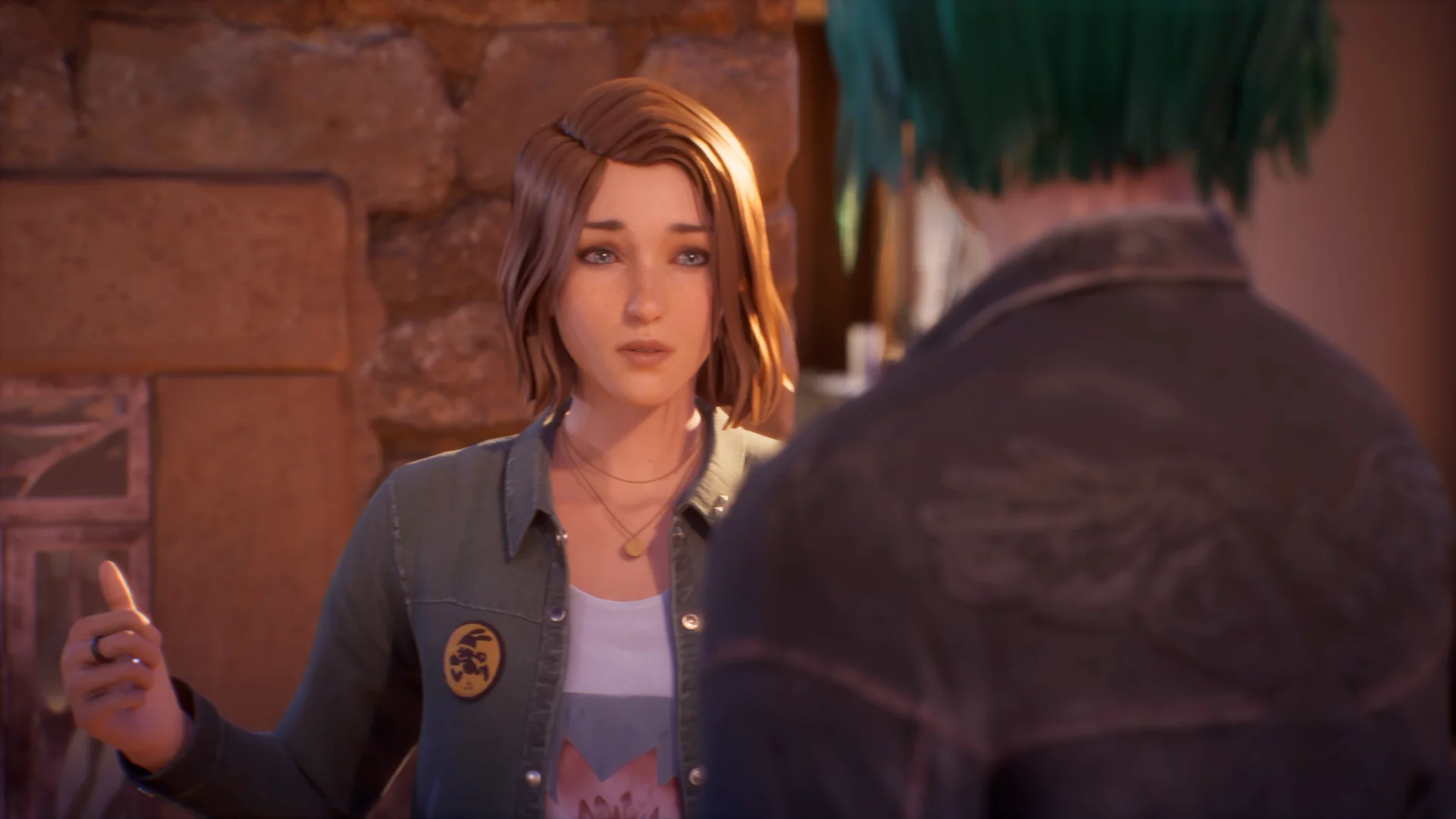
The character animations, too, finally reflect the impressive cinematography that has always existed in Life is Strange. There is some texture and model pop-in, especially when the camera establishes a new setting, but all said, I’m glad to see the visuals and polish brought up to this standard in Life is Strange: Reunion.
In all honesty, fans were right to be concerned about Deck Nine’s stewardship of Life is Strange after Double Exposure’s disappointing finale and cliffhanger. Thankfully, Deck Nine righted their course and stuck the landing with Life is Strange: Reunion, which takes the best of both, er, dimensions: the beautiful visuals and warm aesthetic of recent games applied to the much-loved dynamic of Max and Chloe. Some may miss the time-bending puzzles, but I preferred the way the narrative threads and character moments pulled me in for an intimate embrace.