

Nioh is my favorite Soulslike series of all time. Few games have ever rewarded mastery the way the series’ previous entries did, and even now, I struggle to think of another action RPG that offers the same sense of control once everything clicks. So, going into Nioh 3, my expectations were personal. This is a series I know inside and out. For the most part, Nioh 3 manages to move the series forward, yet its scope often trips over itself.
The most immediate change is structural. Nioh 3 shifts away from strictly mission-based stages and toward an open-world framework, though “open world” is something of a misnomer. Instead, the game is best described as a collection of linear zones stitched together through shortcuts, side objectives, and optional encounters. This approach strikes an interesting balance; it preserves the tight level design the series is known for while allowing more freedom in how players approach each region.
Supporting this is the new exploration-based map system, where completing activities gradually reveals more points of interest within a region. The more you engage with the space, the more it opens up. It’s a subtle incentive loop, and one that feels well-suited to Nioh’s combat-first design. Exploration never overwhelms the core experience, but it meaningfully complements it.
With that said, this checklist-style open world will not appeal to everyone. While the system does a good job of surfacing content, the activities themselves grow repetitive over time. After completing the game twice, once solo and once in co-op, I quickly grew tired of repeating the exact same objectives across each region. The world never quite breathes as a whole, as each region feels like a collection of side quests rather than a sprawling landscape. At times, I questioned whether an open world was necessary, and I expect this will be a divisive point among the community.
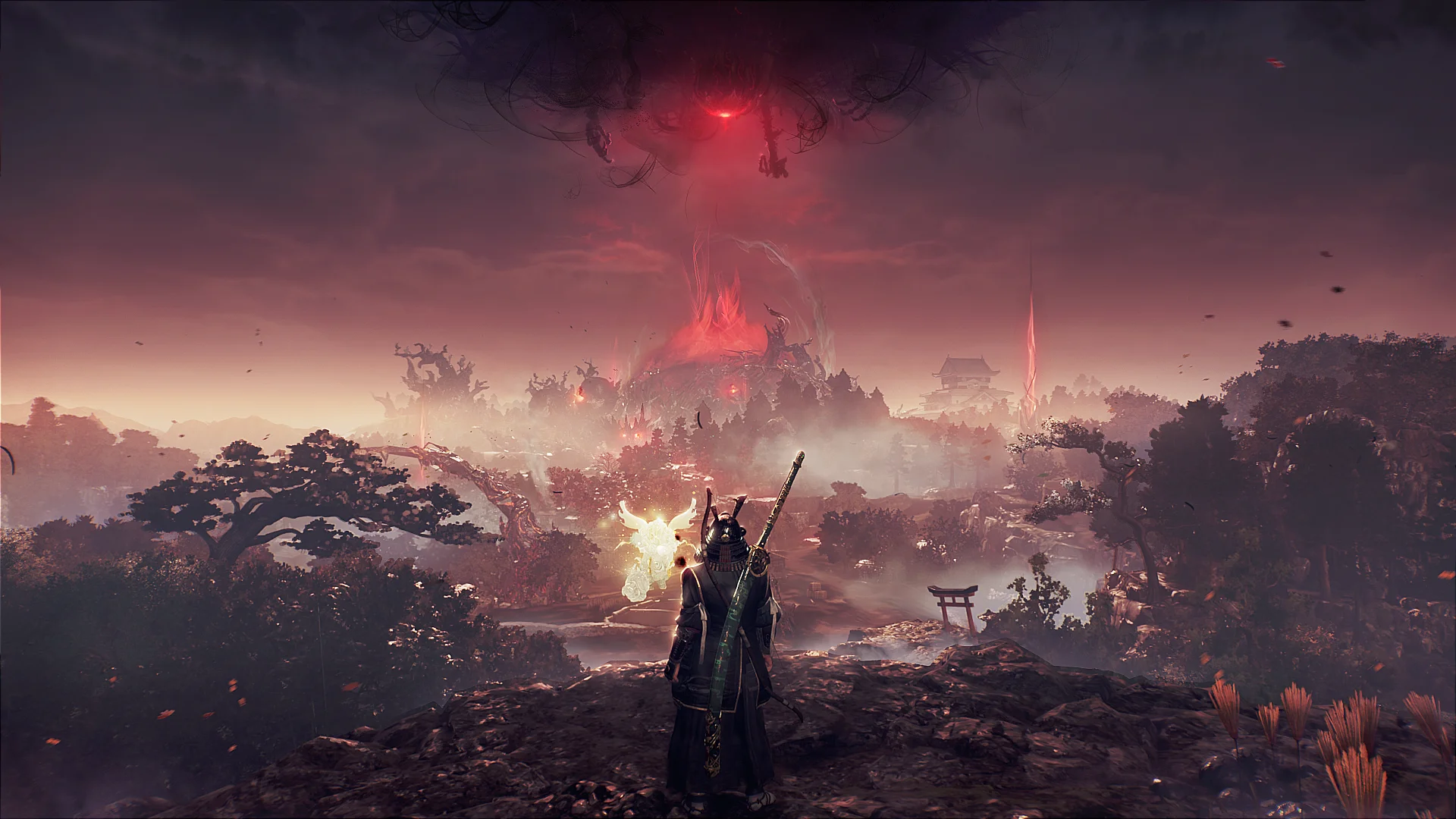
Combat, thankfully, remains the foundation everything else is built on. Weapons feel excellent across the board, with smooth gameplay and satisfying impact. Nioh 3 retains the series’ trademark speed, but it also feels slightly more deliberate, especially in how enemies pressure positioning and timing. When the systems align, the flow is familiar and deeply rewarding.
Unfortunately, not every addition lands cleanly. Burst Breaks, a new skill that allows you to repel powerful attacks, rarely feels as impactful as it should. In theory, it’s meant to be a rewarding defensive option, but in practice, it often fails to deliver meaningful ki (stamina) damage or consistent stagger windows. When compared to the visceral feedback of perfect Ki Pulses or well-timed dodges, Burst Breaks feel underpowered and oddly unsatisfying. This becomes particularly noticeable in the later areas.
The new split between Samurai and Ninja is another design choice that will likely divide players. Certain weapons from the previous games are now exclusive to Ninja, and Ninja gameplay does not use a stance system at all. This gives each path a strong identity, yet it also limits flexibility in ways the series previously celebrated. The Ninja playstyle can be extremely effective thanks to bonuses for back attacks, but the loss of stances removes a layer of expression that longtime fans may miss, depending on their preferred weapon.
Personally, I found myself primarily playing as Ninja, even though my go-to weapon from the previous games is now locked to Samurai. Nioh 3’s level design just feels more fluid on Ninja, and I quickly grew accustomed to its skillset.
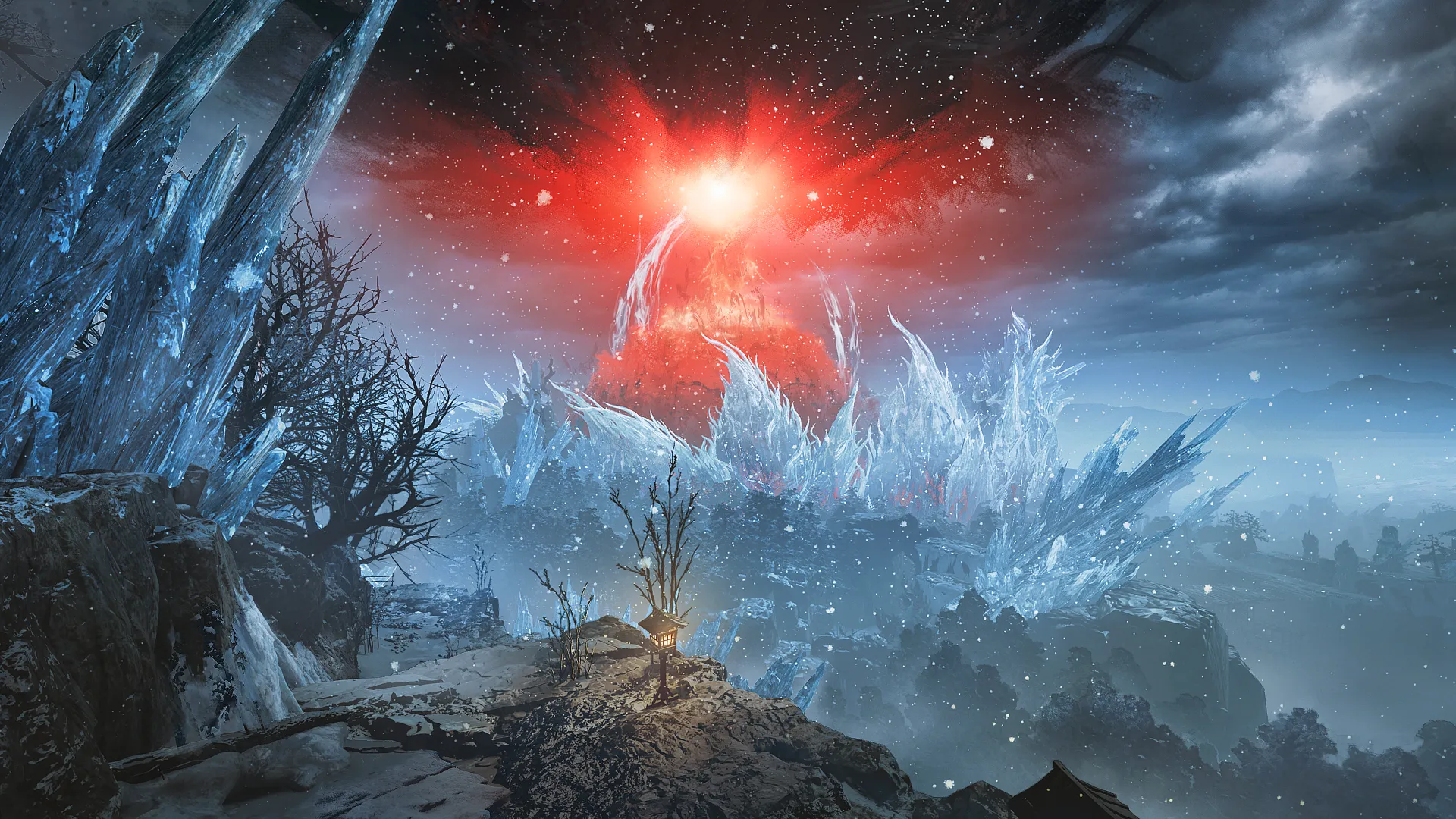
Co-op is one of Nioh 3’s strongest features. Being able to drop into another world and play through the vast majority of missions with another player is an incredible experience, and it fundamentally changes how the game can be approached. Coordinated play opens up new options, and certain builds clearly shine in an online setting. It’s a shame that technical issues hold this back from being truly seamless. Network instability crops up more often than it should, sometimes requiring a full restart to resolve. It’s rarely game-breaking, but frequent enough to be frustrating.
Of course, not all encounters are suited for co-op. Human bosses, in particular, are satisfying when you face them alone, but become trivial with another player. The game is aware of this and syncs your stats down according to the region; however, it’s still not enough to account for the imbalance. If you want the full Nioh 3 experience, I recommend trying both modes. I enjoyed both my solo and co-op playthrough equally, for different reasons.
Visually, Nioh 3 is an improvement over its predecessors, though not a dramatic one. Character models and environments are more detailed, and the overall presentation is greatly improved, but visual issues remain. The frame rate, in particular, is a serious problem in some regions. Combined with inconsistent platforming and environmental hazards, this leads to one of the game’s more persistent pitfalls: terrain that’s often more dangerous than the fights themselves. For example, it’s often unclear whether water is deep or shallow, and I even ran into a few bugs where I clipped through solid ground.
Enemy variety is another weak point. While familiar foes return with new behaviors, there aren’t enough truly fresh encounters to sustain the game’s length. In fact, I noticed more recycled bosses from the first two games than new ones, including almost all bosses in the open world. The repetitive music makes it even more noticeable, much of it fading into the background rather than elevating key moments. It’s functional, but forgettable; I could only remember a single track from the entire game.
Nioh has never been known for its story, and Nioh 3 gives you one that’s hard to follow and even harder to care about. You play as a sort of time traveler, sent to different eras for reasons that never quite become clear. Plot threads are thinly sketched, character motivations are murky, and events happen with no real cohesion. I found the story mostly something to endure between combat encounters. Truthfully, if I weren’t trying to follow along for this review, I would have skipped the cutscenes entirely.
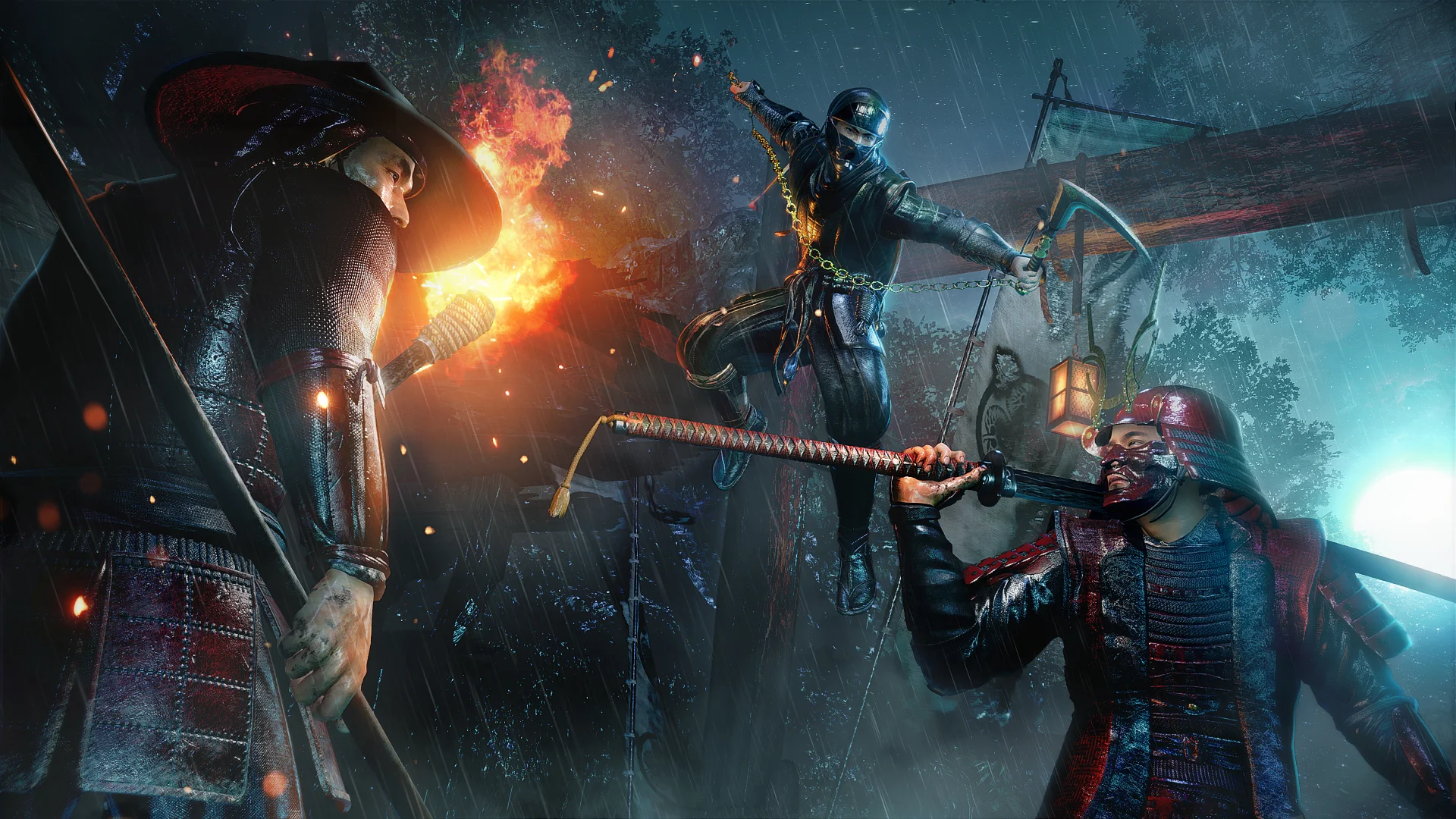
I expect the menus and systems will remain a debated aspect of the game. Most of the core systems from Nioh 1 and 2 return, with Nioh 3 building on top of that framework. For example, both Samurai and Ninja use a Sphere Grid-style upgrade system (first introduced in Nioh 2) for learning new skills. Longtime fans will likely enjoy digging through these menus, while others may find the structure overly convoluted. Builds are still present and viable, but they feel less fluid overall, an issue that will probably matter more to theorycrafters than to casual players.
Despite all of this, Nioh 3 is still a stellar action RPG. When it works, it works because the core design is strong. Combat is smooth, and both Samurai and Ninja feel satisfying to master, with moment-to-moment gameplay that retains the series’ unmistakable identity. Even with its flaws, it offers an experience few games in the genre can replicate.
Nioh 3 may not be the peak of the series, but it remains a strong title that understands what makes Nioh special. For fans, it’s an experience worth diving into. For newcomers, it’s a deeply rewarding introduction. And for me, it’s another reminder of why this series still stands above most Soulslikes chasing the same crown.