
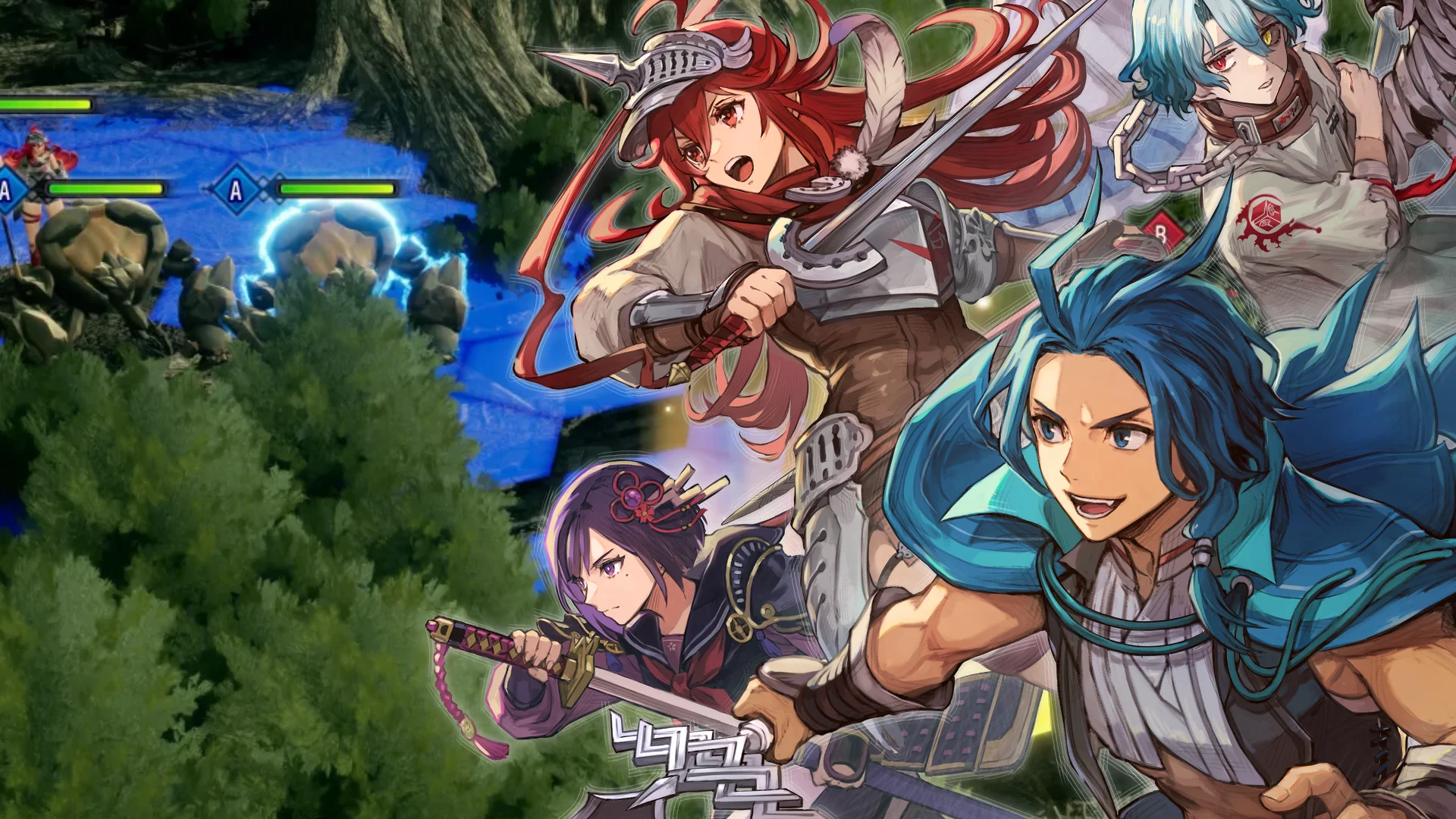
Don’t play strategy RPGs at a convention. That’s not a slight against Brigandine Abyss or NISA’s booth — I’m glad and surprised the semi-recently announced title was on hand and in English. But in a show floor filled with people either passing by or waiting to play, probablyjudgingmyeverymoveovermyshoulder, it’s a genre that you’re meant to take your time with, to learn the ins and outs, what does what, who all these weirdos are on my team, and so on.
But you know, I did my best in the short time I had! Here are my takeaways from my Brigandine Abyss crash course. I found myself and my team of 15–20 units in a forest with some high and low terrain, wooden barricades, and a small stream, squaring off against armored dudes, vampires, trolls, and some truly menacing dragon units. My team was no slouch, though, because even if my typical well-coiffed armored knight couldn’t tread through that tiny stream, he had two dragon companions, while my other units included unicorns, bulky stone and ice golems, a pixie, and a… princess? This battle alone showcased the sheer range of unit types, not to mention their sometimes extensive move sets. So again, hard to jump into in a demo setting, but there is a lot here for SRPG fans to dig into.
As I started to move around the map and engage with the enemy team, I was very cautious — the NISA rep on hand didn’t offer much advice, but he was right about not charging headlong into the dragons in the center, as he saw many people do and quickly lose the battle. So with my three units spread across different elevations along the bottom of the map, I moved them north and employed some buffs, or loosed some ranged attacks when I could. I appreciated the knockback effect of some moves, as it allowed me to attack without being countered (which would otherwise happen any time a defender was in range). Of course, I felt very different when one of the opposing knights did the same to one of my immediate favorite units, Garnet, a valkyrie-esque knight called a Crimson Valiant, but that’s how it goes! After setting up my team’s moves, it was the enemy’s turn, a flow many genre fans will be familiar with. They moved a lot faster than I did, but in my defense, they already knew how the game worked!
A game like Brigandine Abyss has to have a dense UI out of necessity, but that doesn’t always mean complex or convoluted. That I was able to quickly pick up what was what and how things worked spoke to the clarity and intuitiveness of each part of the UI I engaged with. The minimap is really clear for showing an overview of the area. Being able to quickly preview damage dealt and what I’d receive before committing to attacks made it easy to try out different tactics and weigh the risks vs. rewards. The on-map range and movement highlights are very brightly colored, and the skill menu shows a helpful and easy-to-grasp hex grid showing the range and/or area of any move as you highlight them. All in all, it’s clear that the devs are putting a lot of thought into how players engage with the game, which I always like to see.
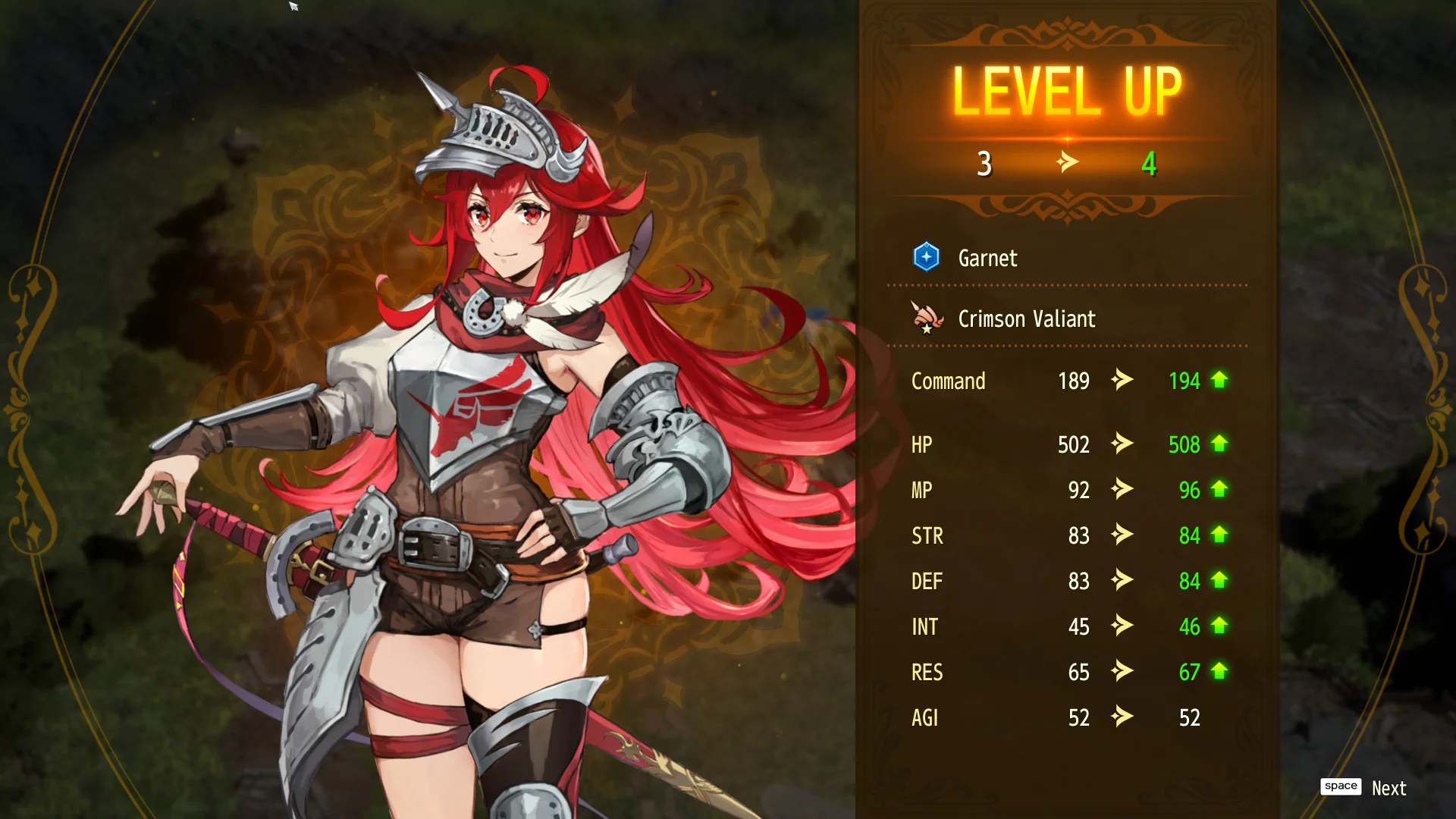
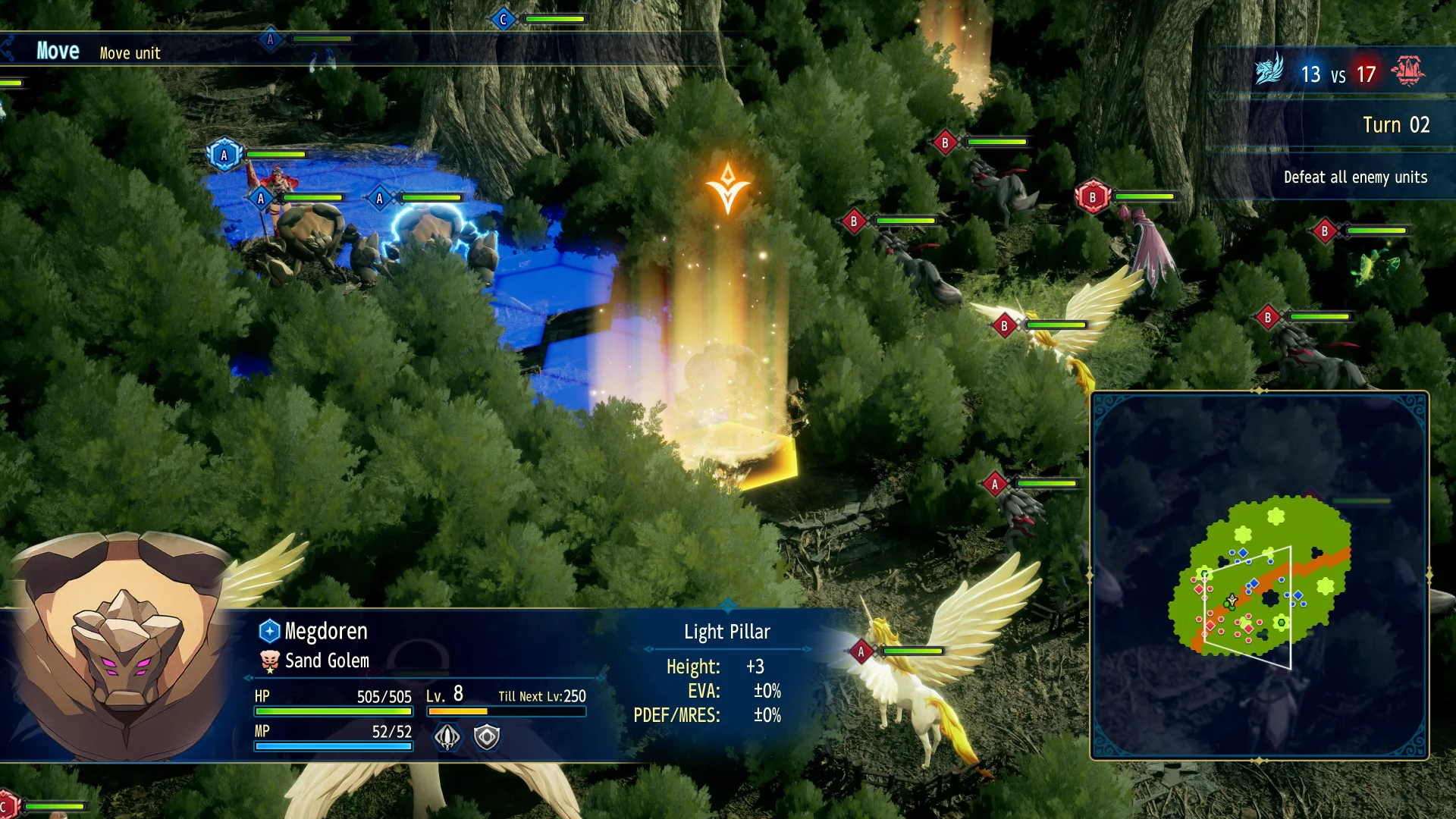
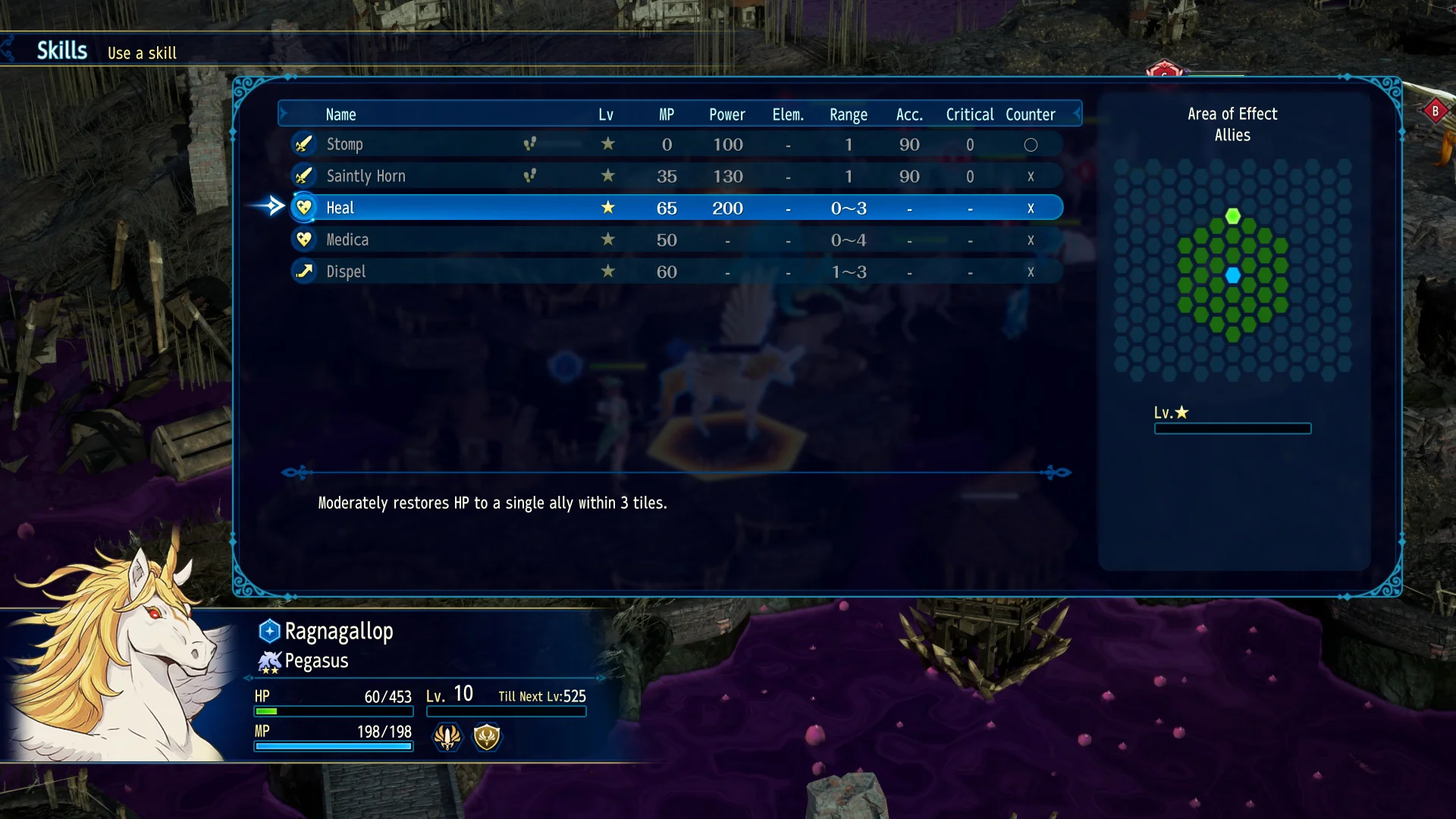
That’s perhaps not overly surprising, given that Brigandine Abyss‘ staff includes key people from several Fire Emblem titles (Heroes, Three Houses, and Path of Radiance), Suikoden, Eiyuden Chronicle, and more, all listed on the official website. While game development is the work of far more than just these seven people, I can see why Happinet and NIS would want to highlight some of the team’s past works, given how celebrated most of those games and series are.
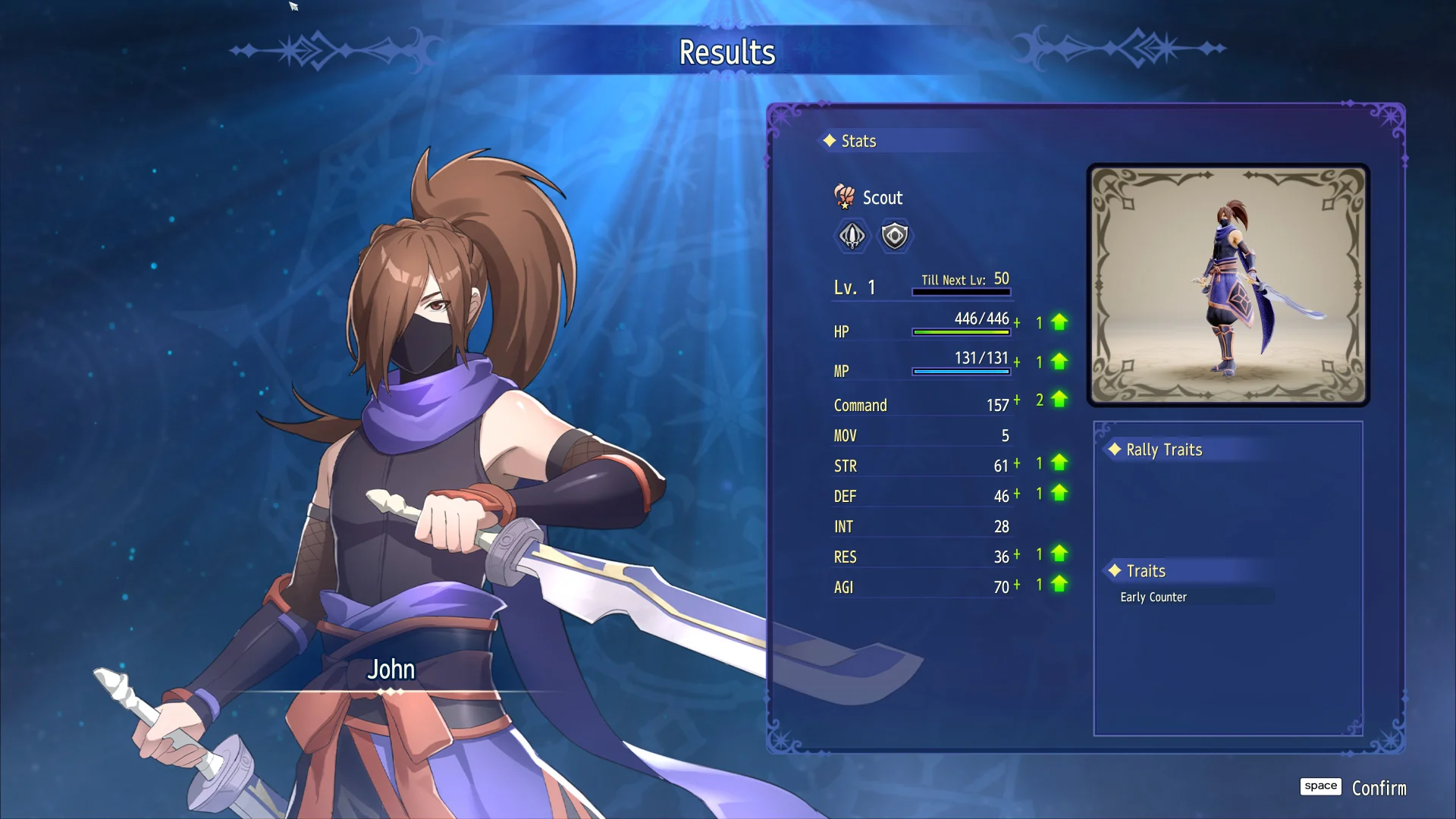
The odds felt like they were against me overall, especially with those dragons who did considerably more damage to me than my dragons did to them; no doubt they had the elemental advantage. Thankfully, I knew that defeating the leaders of each enemy group would wipe out the whole group, so I made it my goal to prioritize them and not get too focused on the others. One of the most problematic leaders to damage was the ninja woman, who dodged all but one of my physical attacks and had to be taken down by magical means. I appreciated how unique each unit felt, and that no single strategy worked against all my foes because of their defenses, skills, distance, and so on. Sometimes demos don’t always showcase a good range of what the full game will offer, but I think this was a great peek into what to expect when Brigandine Abyss releases.
Even saying that, though, I know I only scratched the surface of what Brigandine Abyss will include. Just looking at a handful of screenshots (below) shows Fate Binding, wide-scale troop movement, quest details, and, well, a man named Chaossolus. That can’t be what your parents named you, my friend.
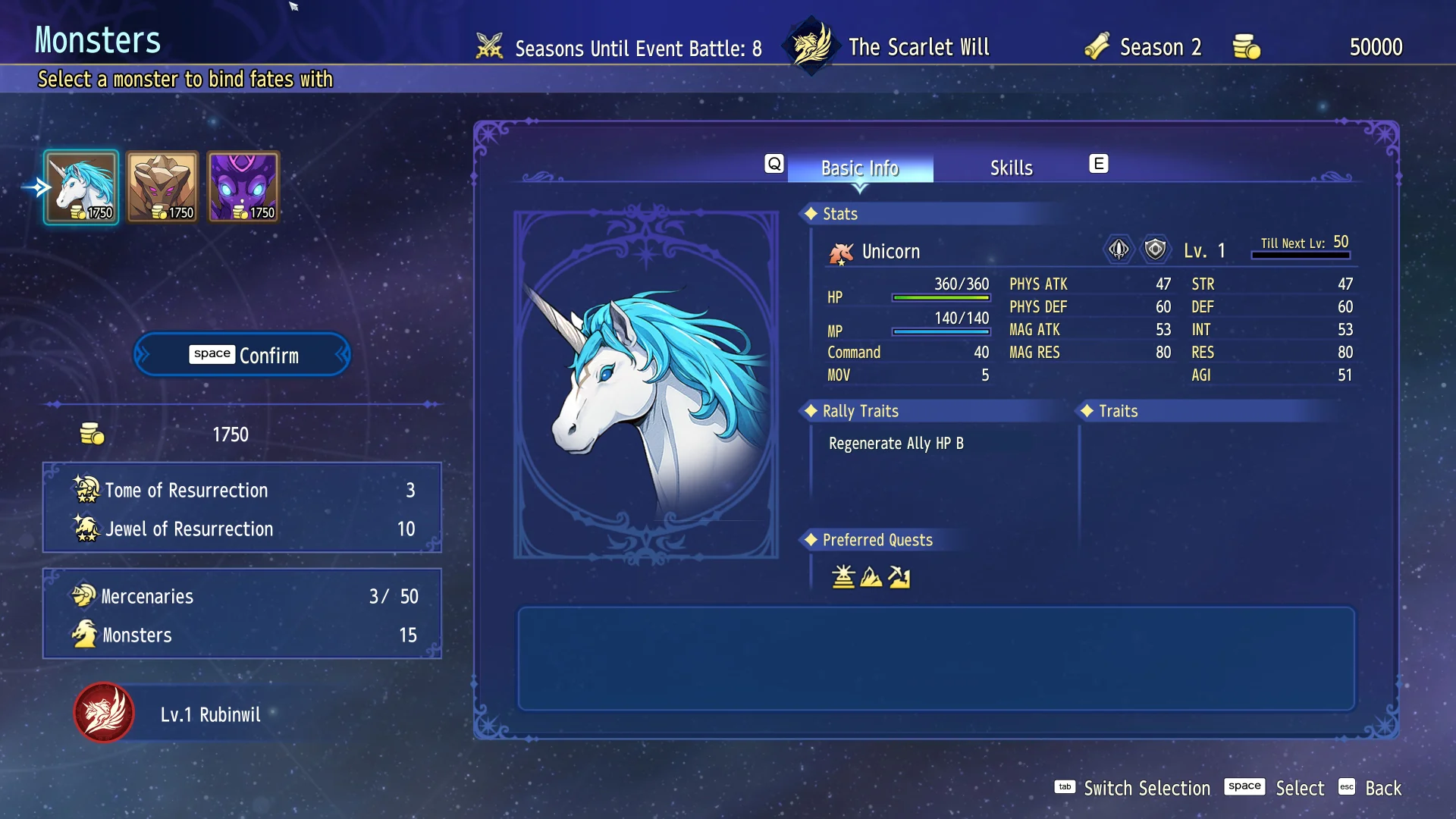
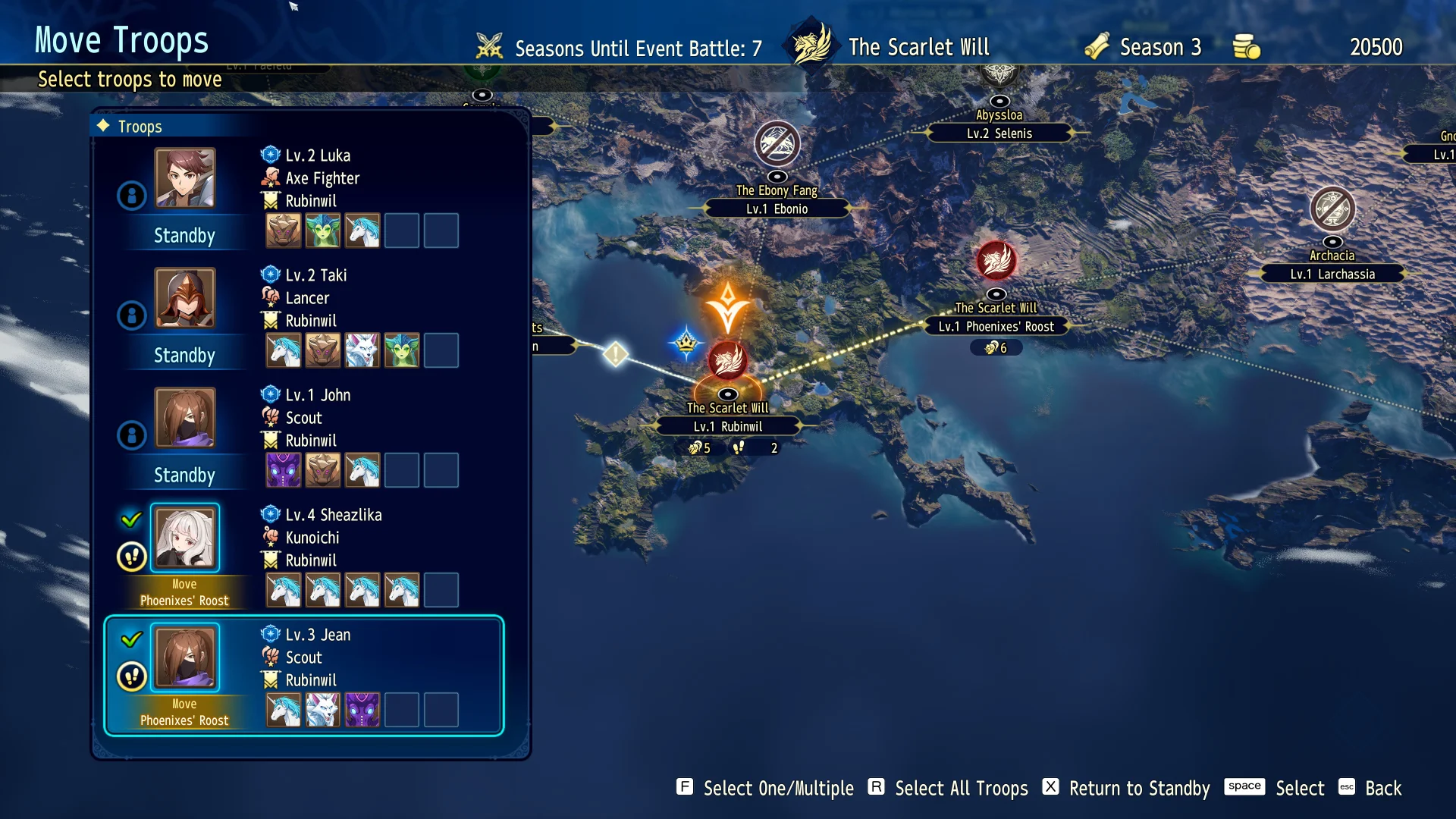
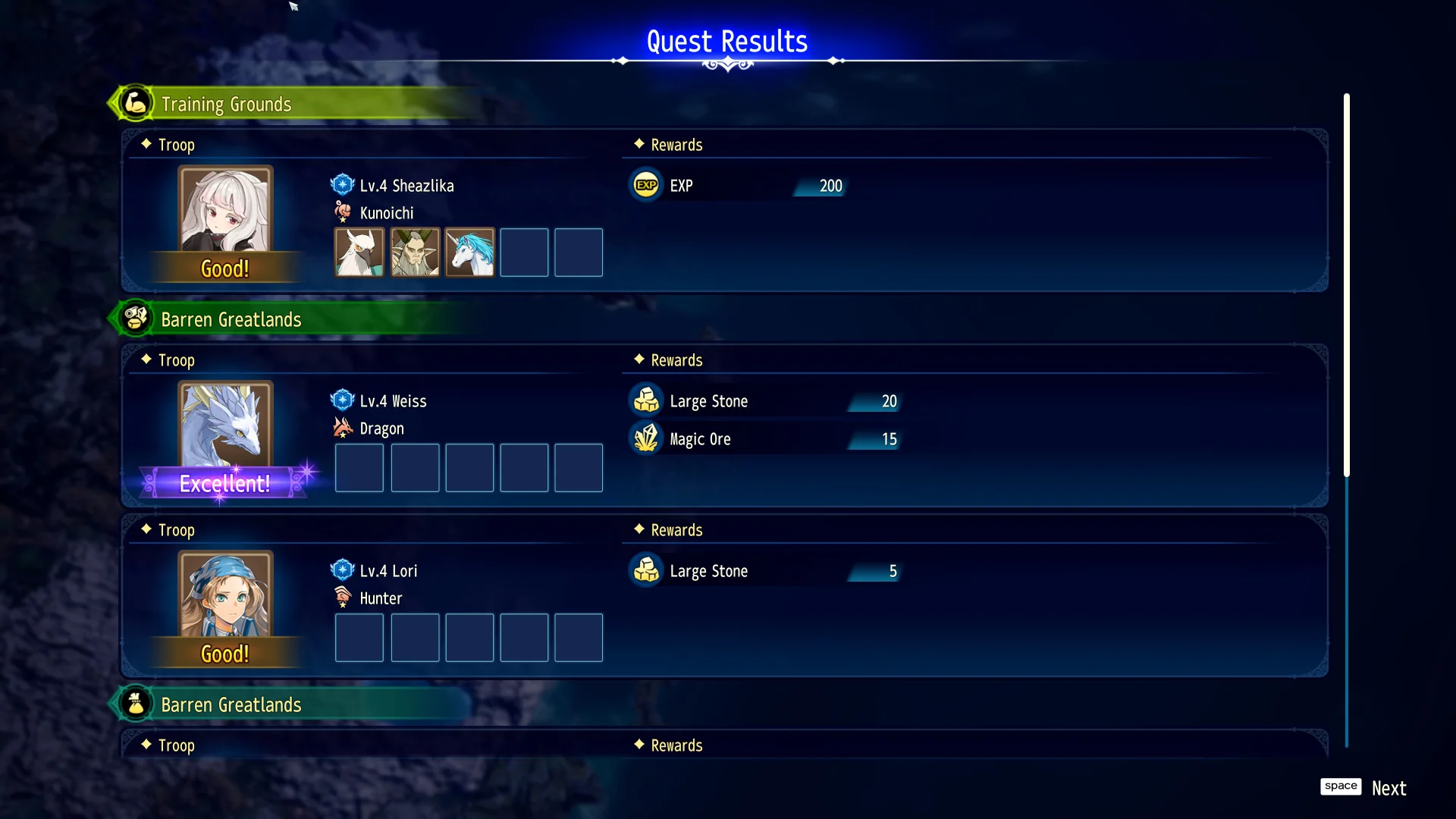
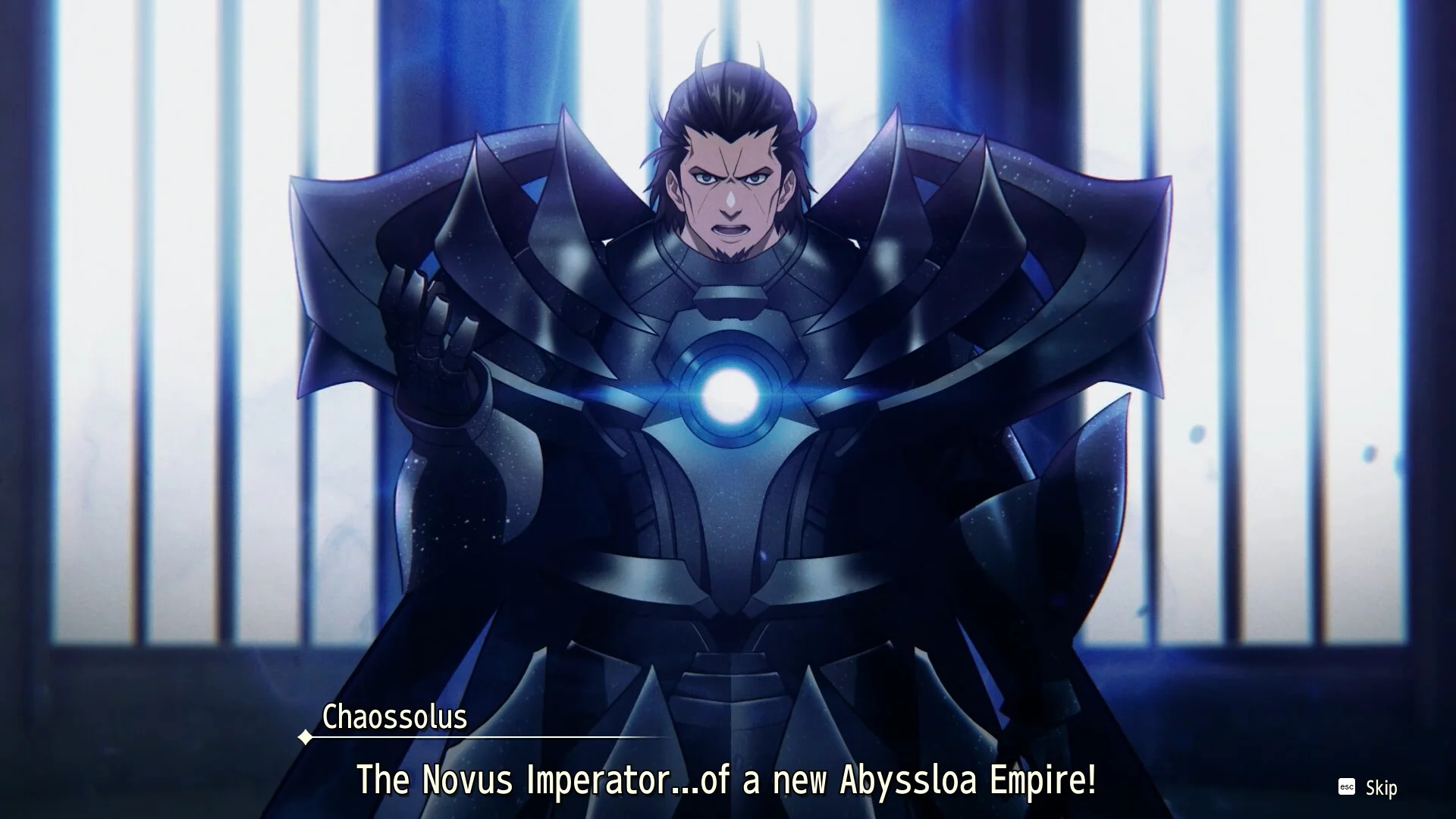
Despite my crash course and, frankly, lack of playtime with any SRPGs since Final Fantasy Tactics (and no, I don’t mean The Ivalice Chronicles, and no, I don’t mean The War of the Lions. I’ll let you do the math), I emerged victorious. The battle had its challenges, and I’m sure there were plenty of things I could have done better, but that has to say something about its approachability that even I managed to eke out a win in this scenario, right? It made me interested in learning more and spending more time with the Brigandine Abyss‘ many systems, since that will no doubt lead to even more rewarding gameplay and experiences.
While maybe not the best idea for “properly” playing the game, my show-going self deeply appreciated Brigandine Abyss‘ “Auto” option that could be toggled on and off at any point during my turn (though the UI doesn’t indicate when it switches, a bug that will certainly be fixed by release). Simply to save time when there is much to see at the show and others nearby also want to play, it was really helpful to be able to give specific orders to my most powerful or useful units and quickly toggle Auto on for the others just until the next round. Some units definitely didn’t make choices I would have — one of my wolves opted to attack a wooden barricade on the water instead of any of the enemy units around him — but since I could input manual commands on some and Auto the others, it was a good balance.
At this stage of development, everything is working pretty well — spell effects are nice, the menus are very clear and concise, and I didn’t have trouble discerning my team from the others. I felt the cursor movement was a little floaty, but maybe that can be adjusted later, and anyone playing with a mouse (I had an Xbox controller) would be fine. The only real concerning aspect I saw was that the frame rate wasn’t great most of the time. It all felt just a bit choppy, but not so much that it affected playability. And while this is obvious, it’s important to note that the game is not done, nor does it even have a release date yet. There’s plenty of time for polish, so long as Brigandine Abyss itself is fun and robust enough for SRPG fans, and they’re on the right track there.
It’s honestly still a wild notion to me that another Brigandine is in the works, given that, until 2020, it wasn’t even a series, but a one-off SRPG by developer Hearty Robin released for the PSone in 1998. It’s one of the more surprising, if low-key, revivals in the RPG space I’ve ever seen. Maybe the likes of Fire Emblem have helped fuel a stronger market for games like this, but either way, you love to see it. Now, if only the massive popularity of roguelikes and persistence of Mystery Dungeon titles would mean Konami saw fit to bring back Azure Dreams — another obscure-in-2026 PSone title that was before its time — then I’ll have seen everything.
Before I wrap up, and apropos of nothing else, I must leave you with the following screenshot of either the best or worst name for a ninja.
Developer Adglobe and publishers Happinet and NIS America are looking to bring Brigandine Abyss to PS5, Switch 2, Xbox Series X|S, and PC later in 2026. Look for more coverage here on RPGFan as we learn more about it! Finally, I want to thank NISA for inviting me to play Brigandine Abyss at their booth at PAX East.


Leave a Reply
You must be logged in to post a comment.