
Video games can be a lot of things. They can be funny, they can be fantastical, they can be sad, and they can be thoughtful. I have read, watched, and heard many a story about the inevitability of death, but Schrödinger’s Call has me feeling a certain way that other video games have rarely accomplished.
Schrödinger’s Call came out of nowhere for me. In it, you control a girl named Mary, the world’s last Confidant, though what that means she does not know, and her cat companion, an enigmatic figure named Hamlet, seems unwilling or unable to explain. While you may not know a lot of what’s going on, Hamlet at least tells you what you’re meant to do: make contact with the souls of humanity in the last moment of their life. But what is it that cost them their lives? Well…
The moon struck the Earth, killing everyone.
Schrödinger’s Call takes place during the last 21 nanoseconds of human consciousness, a tragedy so sudden that hardly anyone could have hoped to come to terms with their deaths or regrets before the impact. As the last Confidant, you are uniquely equipped to help them cope and help them regain their memories while attempting to regain your own.
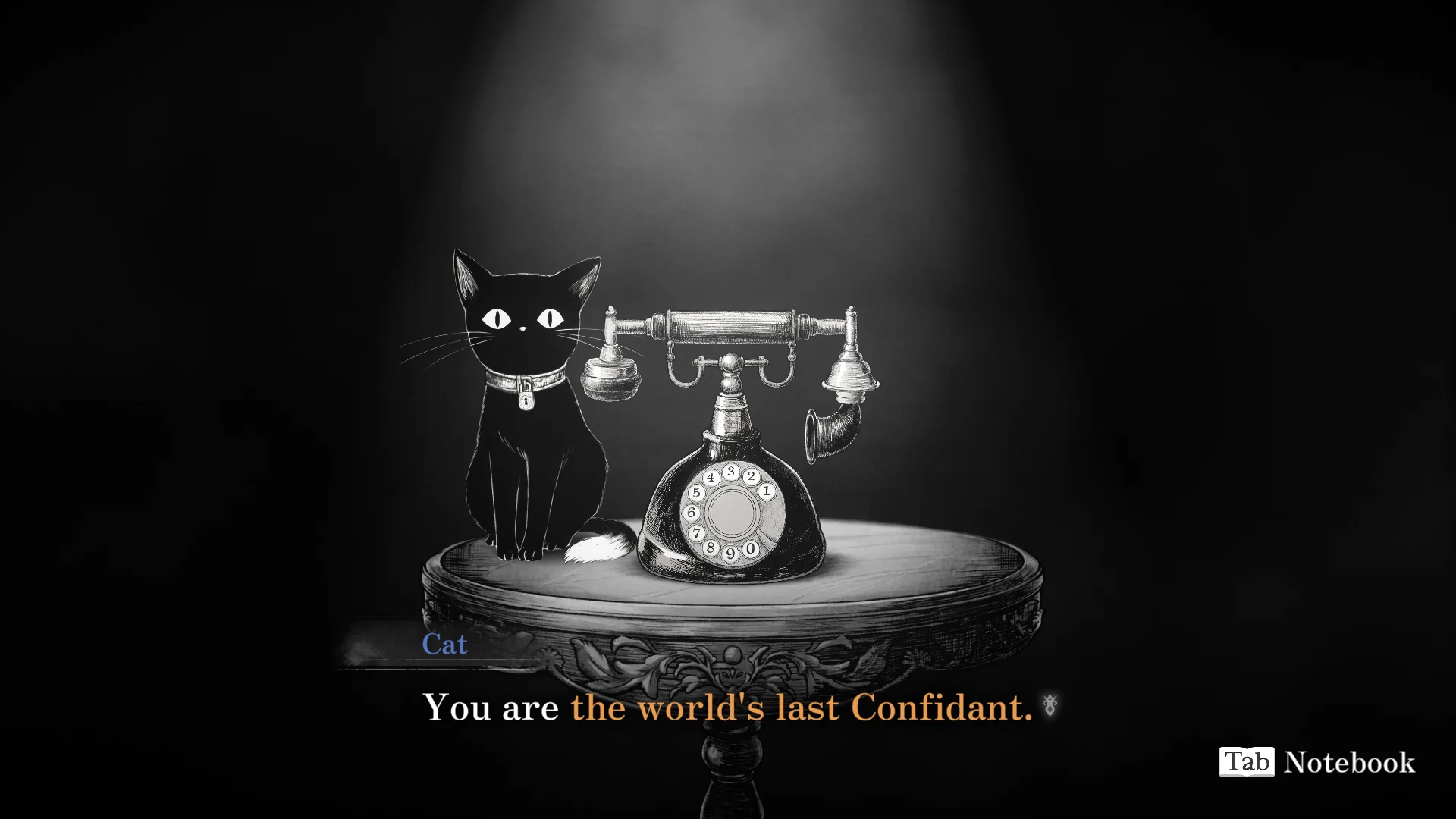
The despair of one’s final moments is something that resonates with me and something that I have been forced to think about more as I grow older and more of my loved ones pass away. I’m still young, but it’s a humbling thing to consider how everyone at one point thinks the same thing, and that someday, I too will feel this way. There’s no amount of time, money, power, or knowledge that can change that. Playing through Schrödinger’s Call and talking to the tortured souls made me feel a lot of empathy, a testament to the game’s high-quality writing.
An early soul we meet is Lucy, a woman estranged from her young son, William, and desperate to speak to him as mother and son. The story did an excellent job of keeping me guessing, wondering why they were estranged and what horrible thing she could have done to him. You are certainly given hints as to what’s going on, but it takes time for her narrative to unravel.
At first, I didn’t know whether Lucy had lost contact because she was a bad mother, but as I learned more about her story, I realized there was far more to it than that. I won’t give away too much, beyond telling you that their conclusion is as touching as it is melancholic.
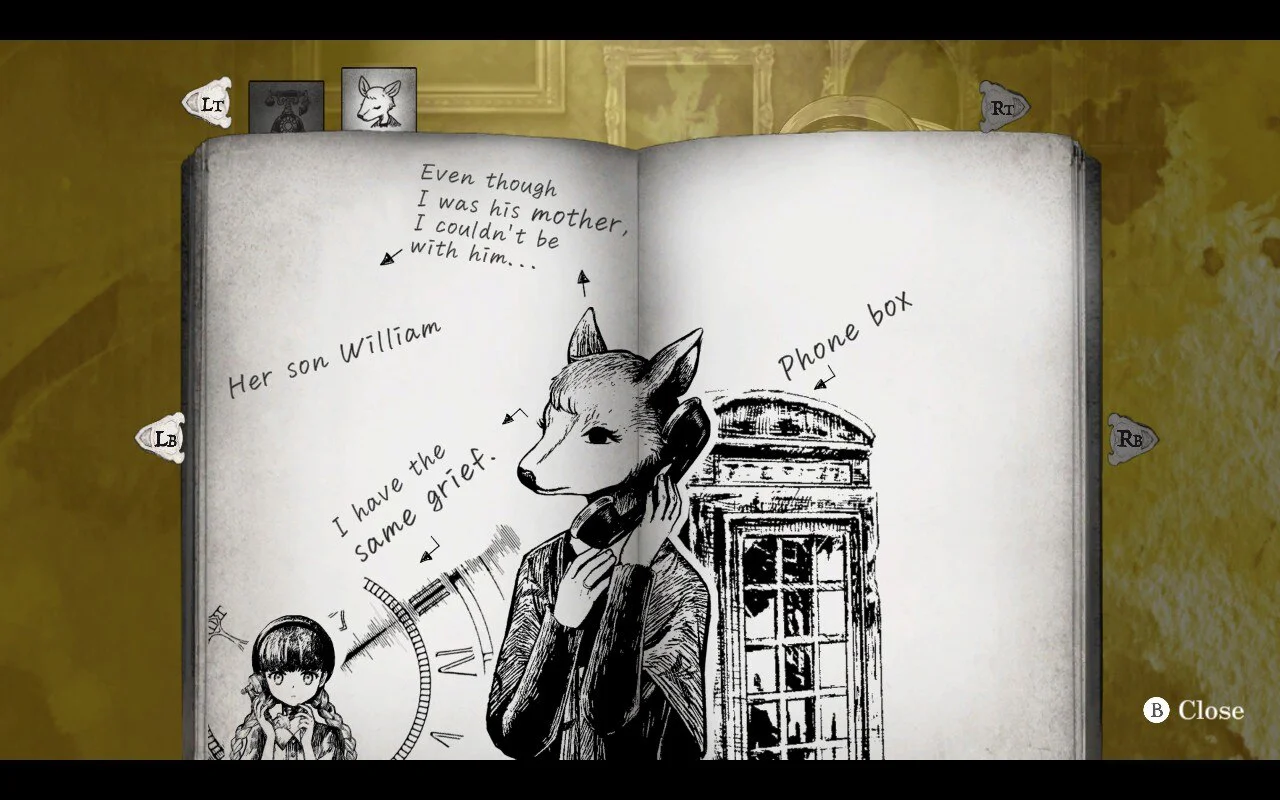
Schrodinger’s Call, for better or worse, is a linear narrative, its gameplay amounting to progressing through dialogue, consulting Mary’s notebook, and making choices. Unlike something like Ace Attorney, however, there are no consequences to being wrong.
Any choices we make are largely for flavor, as we cannot dictate how the story progress. As “the world’s last Confidant” conveys, our role is to listen to people’s woes and provide support. Much like Mary, we are here to follow these souls’ stories, not make our own. Even the breakdown scenes where a traumatic moment causes a soul to collapse in on themselves are fairly linear, though they are still adequately tense.
Some players may be disappointed by the game’s linear narrative, but I frankly relish it. Given how many games are built around player freedom and choice in how the narrative develops, a game that lets us sit back and enjoy the story as written is a breath of fresh air.
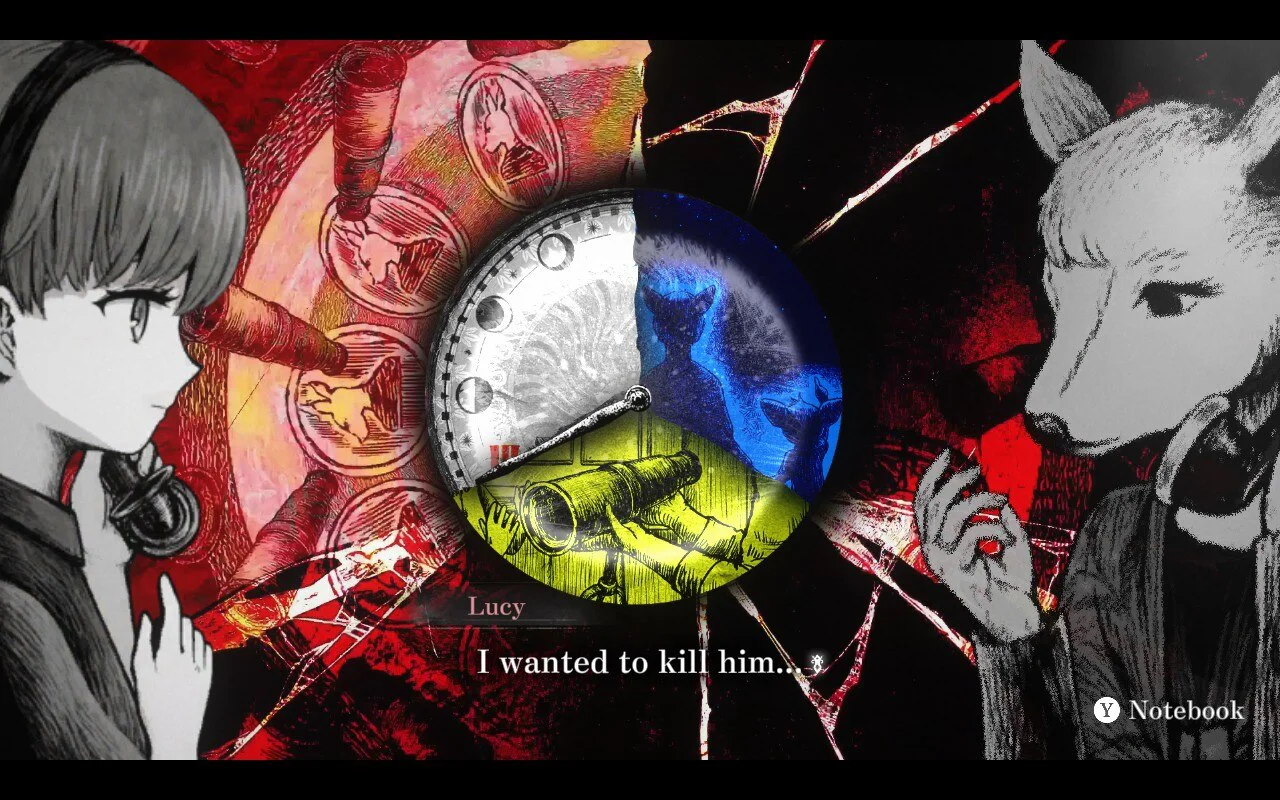
Schrödinger’s Call has some of the best visual effects and artistry I have seen in the visual novel genre, going above and beyond the standard. Rarely does the game fail to be eye-catching. Whether it’s the unusual setting, the fading of character portraits, or the effects from the chaotic moments, these all contribute to making Schrödinger’s Call a game that is never visually dull. The character designs are just as fantastic, the artistry and creativity behind them evident. Mary’s design is cute, and the anthropomorphic animal designs of side characters are lovely.
The music is well composed, creating a haunting atmosphere even when the mood is at its lightest. Whether you’re just chatting with the various souls you encounter or are in triage to keep a soul from losing themselves, the tension is palpable, capturing the feeling of being uncomfortably on the brink of life and death.
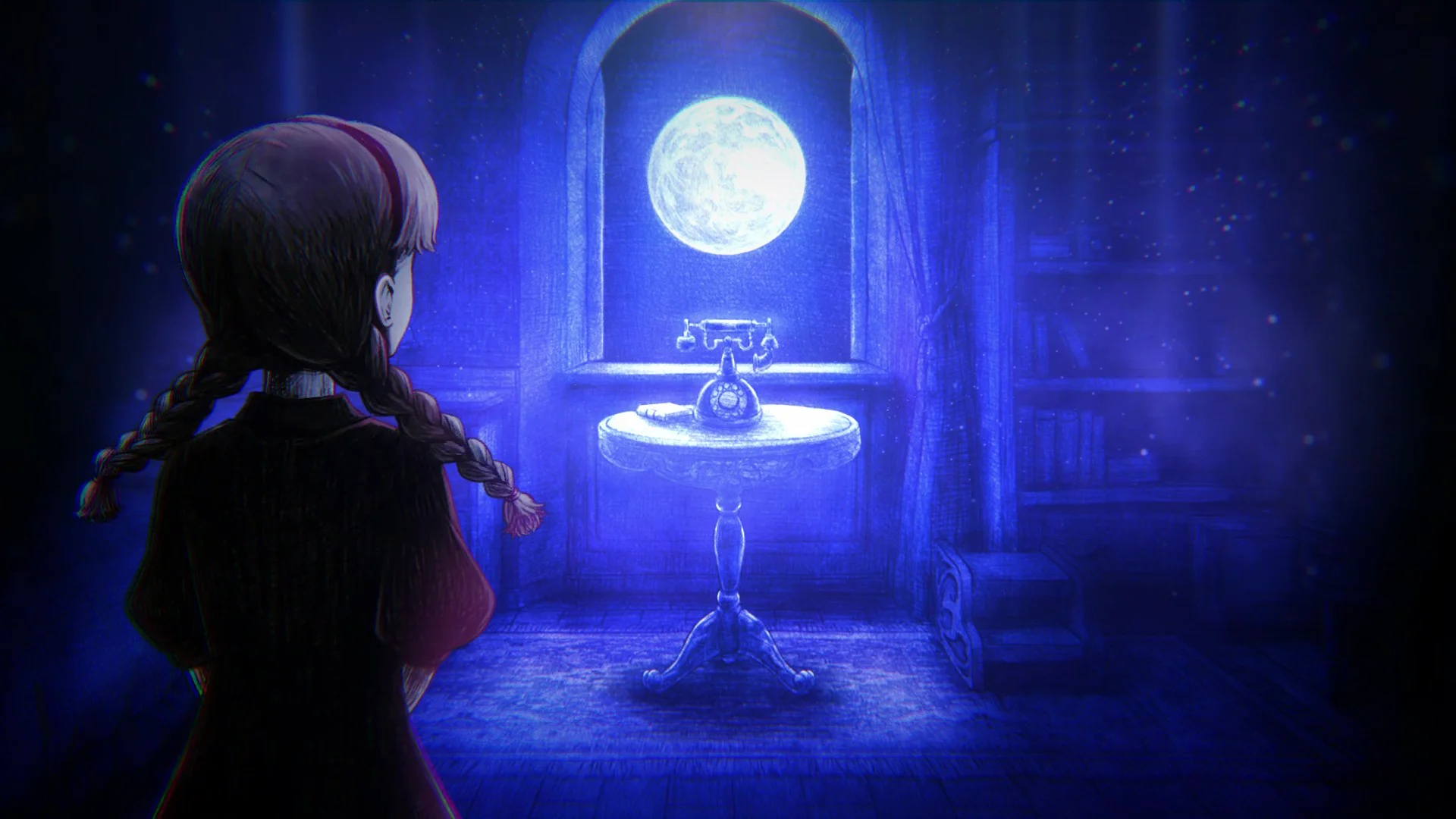
Meanwhile, the sound effects are primarily through the “voice acting,” handled similarly to games like The Sims and Animal Crossing, where characters speak a “babble” language that serves as a facsimile of a spoken language. The effects of the voice acting lend it a haunting quality, and the execution honestly made me question whether it was fake voice acting or not at first.
Schrödinger’s Call is a transcendent experience, one that I had to take multiple breaks from due to how heavy and emotional it was. It stands as one of the most thoughtfully designed and written video games I have ever played, and I would recommend just about anyone who is looking to feel something to try it out. If I can ensure you leave this review with one thing in mind: we are only on this planet for so long, so make sure it’s a good time.