
In Tales of Berseria, the story and the characters do almost all the lifting. It’s a good thing it’s so amazing, because there sure is a lot of weight on its shoulders, especially with this completely superfluous “Remaster.”
It has to overcome some of the most bland dungeons I’ve ever explored. They’re all somewhat gray corridors that have the most basic puzzles this side of, well, I honestly can’t think of many in other RPGs that are more pointless. They’re interminably long most of the time, too. Oh, and you’ll also spend a whole lot of time backtracking through areas for new quests because this is clearly a budget title on many fronts.
That might be okay if the combat was more engaging, but it’s really not, so the burden worsens. It’s a huge step down from Tales of Graces f, with a similar system for creating combos in the free run style introduced in later Tales games. However, it is entirely too reliant on RNG to keep combos going, and if you know what you’re doing, by playing as certain characters, even on Hard, every fight is a complete joke with basically no strategy. Seriously, just play as Velvet, farm for staggers, and keep hitting Break Soul and it’s over before the encounters really even start. For me, that’s pretty fun, and you can play as other characters, but Tales of Berseria‘s combat doesn’t reach the series’ highs.
The additional wrinkles, like using equipment to grab skills and character stat upgrades, or upgrading equipment, might be interesting if the game required any real engagement, But it doesn’t, and every time I spent five minutes in a menu, I regretted it because I remembered I didn’t need to care about my stats. The enemies were my playthings regardless.
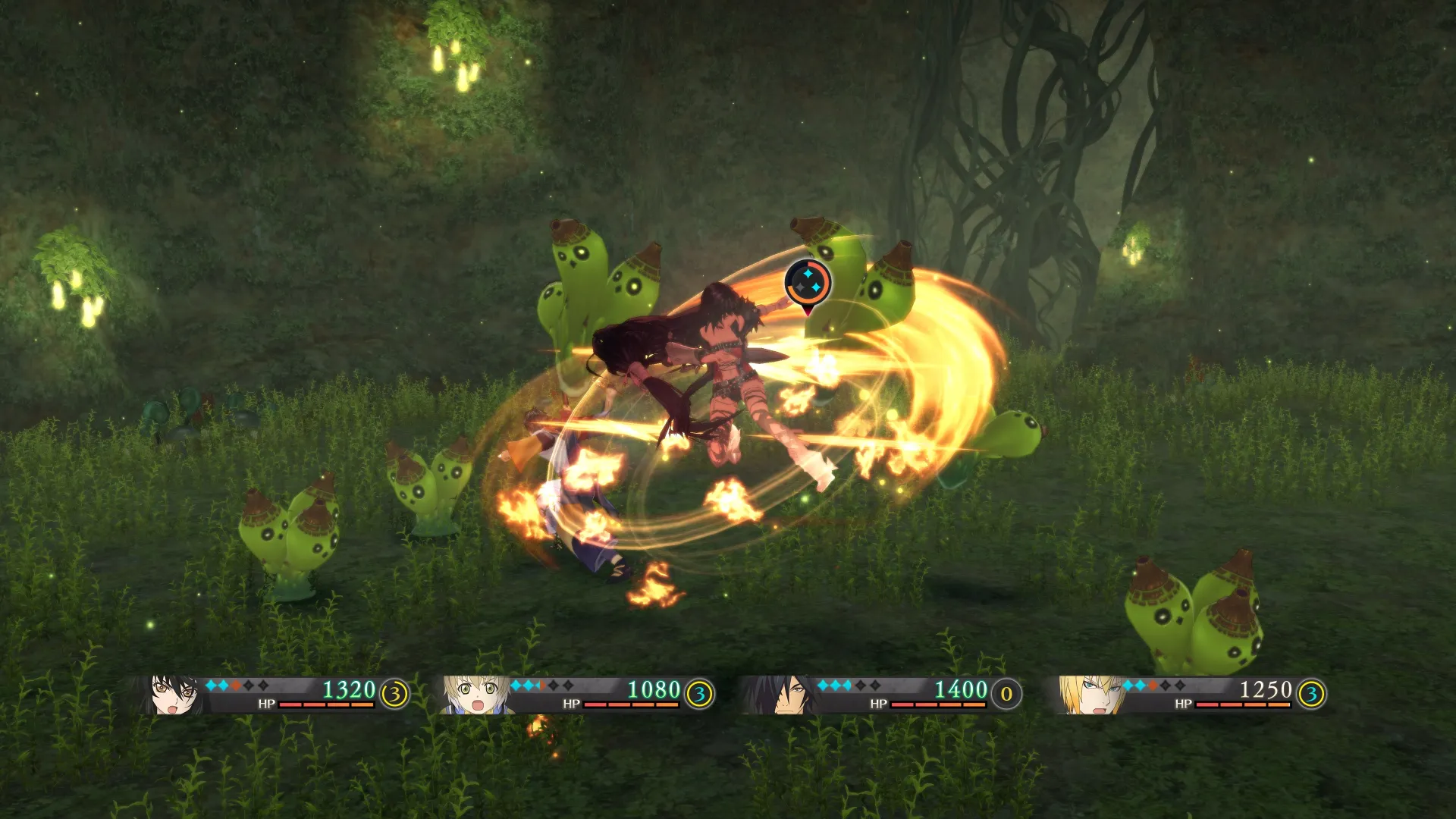
Let’s be honest: you’ve already looked at the score below, so surely you’re thinking I have to get to something positive soon. Not yet. I like Motoi Sakuraba more than most people I know, but even for him, this is a pretty unmemorable OST, outside of the fabulous “Theme of Velvet.” The game isn’t much to look at either. Even outside of the gross outfit they throw Velvet in, with pretty thin justification, there’s not much to say about the graphics except that they’re fine and they’re anime. To be frank, this looks like a PS3 RPG through and through.
Yes, that comment even applies to Tales of Berseria Remastered, which is a generous term; therein lies the rub. “Port” is more like it. Sure, there are some nice additions in this version, like increased running speed and the ability to have unlimited fast travel a bit earlier. I guess I’m happy to have access to the Grade Shop to include some boosts that are normally reserved for NG+ runs, but in this game, what does it matter? It’s already so easy. And I suppose if you squint really hard, the game looks slightly better in this version.
But, other than a few minor additions and adjustments, Tales of Berseria Remastered is absolutely, 100% the same game I saw in a bargain bin for the PS4 for five bucks about six months ago that runs just fine on my PS5 (I even ran it alongside Remastered to confirm there’s little visual difference). I’m not one to complain about remasters, or even ports, but why does this even need to exist when other games I want to play in the series (looking at you, Tales of the Abyss) aren’t readily available on modern consoles? The answer, as always, is money. I get that, but even I have limits, and this “Remaster” pushed them multiple times during this second playthrough.
Ultimately, though, I landed on one simple thing: this game still rules, and it’s entirely because of the excellent story, characters, and voice acting. In fact, I might venture to say that this is close to the “platonic ideal” of a JRPG story for me. Sure, it doesn’t go anywhere amazing thematically, but the characters are fabulous, and most importantly, it’s not afraid to look some really dark things in the face and genuinely earn some of the late story beats typical of the genre. I cheered, I cried, and at least in terms of my experience, Tales of Berseria is working on a different narrative level than the rest of the series.
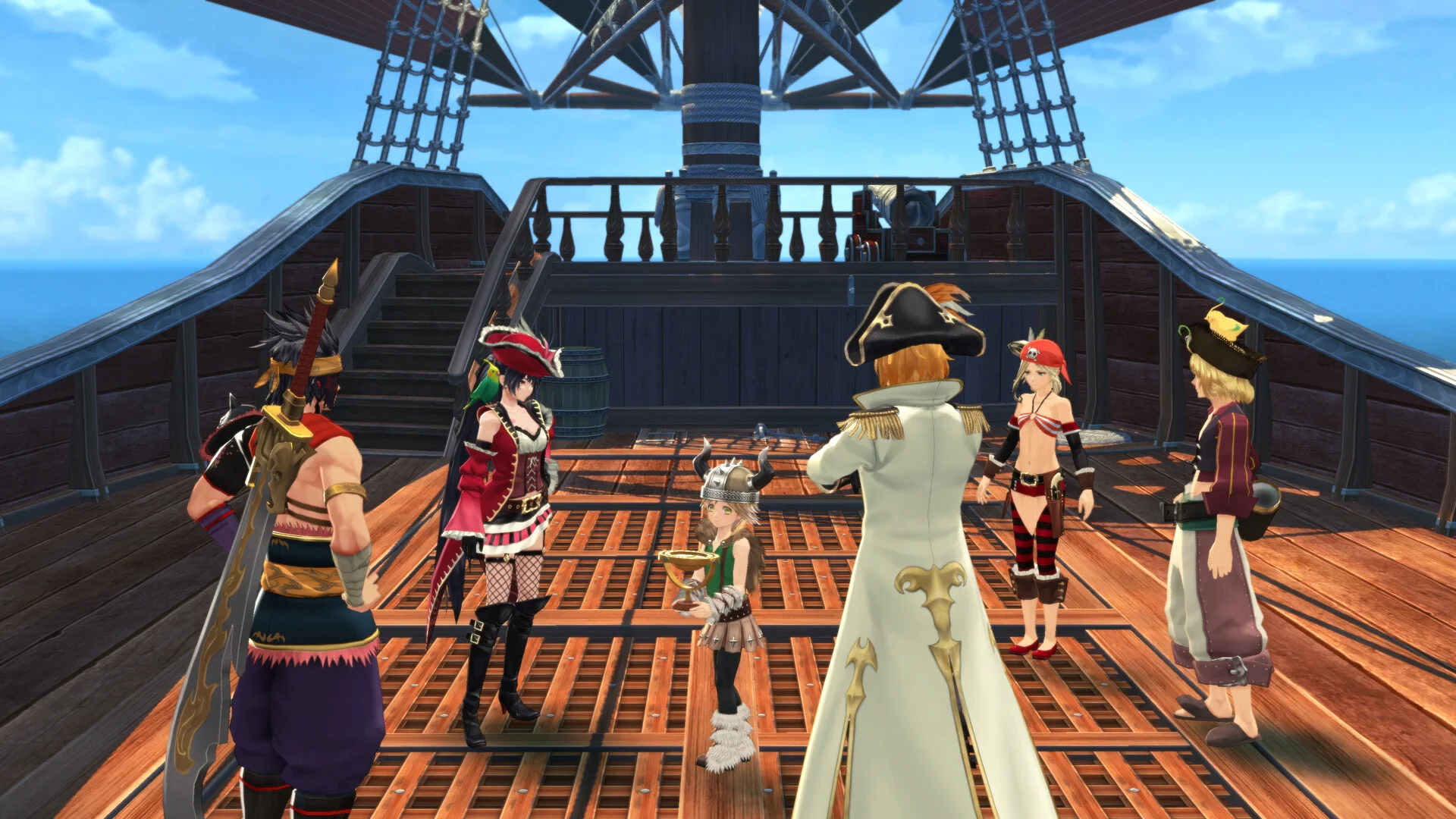
I’ll admit that I’m a sucker for a good revenge story, too, and this game both indulges in the natural pleasures of those stories but also looks at some of the consequences, too. The cast is amazing, and the delightfully weird witch Magilou almost takes the cake, but it’s really Velvet, that broken, enraged, tender woman who moves us through to the end. The voice acting helps a whole lot, too. I’m not sure anyone can shout a name with rage quite as well as Cristina Valenzuela.
Look, I know this is a pretty short review. If you want a more thorough one, go check out Alana Hagues’ lovely take on Tales of Berseria when it came out…less than a decade ago. It’s the same game, and I don’t disagree with anything she said there, so that’s why I gave it the same score. And that’s the problem. Did I still enjoy my time with Tales of Berseria Remastered? Oh yes. In spite of all its flaws, I was still moved to tears and goosebumps multiple times. I don’t even mind all the backtracking because I got to spend more time with the amazing cast. Put simply, the narrative and the characters still carry the load.
But I don’t know who the audience is supposed to be here. If you don’t own Tales of Berseria yet, it’s available in a very similar form on the PS4 and PC. I guess if you really want to play it on the go, you can grab it for the Switch, which is new, but it’s visually inferior to even the original PS4 version.
I guess I can hope that whatever money they make here goes toward finally bringing Tales of the Abyss my way. Assuming you have access to the original in any other format, I’d recommend you not spend yours on it, though.